Last updated 11 August 2026. This page was reviewed on that date. Prices, rates and opening hours change often in Singapore — confirm anything that matters directly with the business before you travel or spend.
Quick answer: For a grand, old-school banquet with family, Beng Thin Hoon Kee near Raffles Place has been the go-to since 1949. If you want something rowdier and more inventive in the heartlands, Bee Heong Palace and Gim Tim deliver big flavours without the CBD drive. And when the craving is pure, smoky Hokkien mee from a kopitiam stall, Hokkien Man in Toa Payoh is the name on everyone's lips.
For a graceful pivot to delicate Teochew broth and braised goose, browse our Teochew Restaurant guide.

Your weekend hours are precious—don’t squander them on a meal that leaves you sian. These seven Hokkien restaurants range from air-conditioned banquet halls to kopitiam counters, but each one delivers where it counts: dishes worth the drive, the queue, and the calories. Go early, order smart, and thank us later.
This is one of 51 guides in Best Chinese Food & Dim Sum in Singapore — start there if you would rather compare before you commit.
Beng Thin Hoon Kee Restaurant
Up on the fifth floor of the OCBC Centre, Beng Thin Hoon Kee has been a steady presence since 1949. This is where you bring your future in-laws for a sit-down meal that says you made an effort, or where old classmates rent a private room to catch up over dishes that do not need a filter to look impressive.
The Beng Thin Duck Salad is the room's quiet overachiever—cool, crisp, and balanced in a way that makes you clean the plate before the next course arrives. Follow it with Fujian Prawn Balls, which have that proper bounce you only get from fresh, hand-shaped paste, and a platter of Fujian-style Fried Noodles that soak up a deep seafood stock without getting soggy. It is the kind of meal where you leave your jacket draped over the chair and loosen your belt halfway through.
Set aside around $60–100 per head for a proper dinner. They run two services most days: lunch from 11am to 3pm, dinner from 6pm to 10pm. The dining room is calm and carpeted, so conversations stay intimate even when the place is full.
This is the place for the big occasion when you need everything swee: private rooms, polished service, and dishes that impress without trying. Skip the dinner rush by booking an early lunch slot on Saturday—you’ll have the duck salad to yourself, and aunties who know your order after two visits.
Address: 65 Chulia Street, #05-02, OCBC Centre, Singapore 049513
Phone: 6533 2818
Hours: Daily, 11am–3pm, 6pm–10pm
Website: Beng Thin Hoon Kee Restaurant
Best for milestone dinners where the setting matters as much as the food. Not the place for a quick chop-chop meal—here, you order tea, study the menu, and let the evening drift.

Beng Hiang Restaurant
Beng Hiang moved from its longtime Amoy Street home to Jurong Gateway a few years ago, but the black Hokkien mee that built their name came with them. The restaurant has been at it since 1978, which means they have had nearly half a century to get their wok hei exactly right.
The star here is the black Hokkien Mee—noodles slicked with dark sauce, faintly smoky from a screaming-hot wok. Order it with the Crispy Oyster Omelette, which arrives golden and jagged-edged, the kind your grandmother would approve of. And then there is the Kong Ba Bao: a slab of braised pork belly that gives way under a spoon, tucked into a soft steamed bun with a drizzle of dark, sticky sauce. The dining room keeps things simple, letting the food do the talking.
Expect to pay around $40–70 per head. The kitchen closes between lunch and dinner, so time your booking for either 11:30am to 3pm or 6pm to 10pm. They take a breather on Mondays.
The black Hokkien mee is the reason to make the trip to Jurong Gateway. Come on a weekday evening before 6 pm, when the wok is still fierce and the tables aren’t full. It’s a relaxed, family-friendly affair—less about ceremony and more about that smoky, saucy noodle you’ll be thinking about all week.
Address: 135 Jurong Gateway Road, #02-337, Singapore 600135
Phone: 6443 0448
Hours: Tue–Sun, 11:30am–3pm, 6pm–10pm (Closed Mondays)
Website: Beng Hiang Restaurant
A solid pick for a West-side family dinner, especially if you have aunties who remember what Hokkien food should taste like and will tell you if it does not. Dim but warm lighting, circular tables made for passing plates around—it feels established without being stiff.

No one bought a spot on this list. If we have overlooked you, say so and we will consider it next time round.
When noodle monotony hits, chase the crunch and spice waiting in Singapore’s Chinese Seafood Restaurant Spots for When You’re Bored.
Bee Heong Palace Restaurant
Tucked along Bedok North Street 1, Bee Heong Palace is the kind of family-run outfit that has regulars blocking out Saturday dinners for the Kungfu Flame Chicken alone. They opened their doors in 1981 and have kept the recipes tight and the prices fair ever since.
The UFO Oyster Omelette lands at the table looking like its namesake—a puffed dome of egg with oysters tucked inside, crisp at the edges and runny in the middle. The Kungfu Flame Chicken is the show-stealer, flambéed tableside so the skin crackles and the meat stays juicy. Their braised pork is the silent assassin: unassuming in appearance, but the kind that makes you order a second bowl of rice. Prices lean accessible—think $30–50 a head for a generous spread.
Secret weapon: that UFO Oyster Omelette. Book the first dinner seating on Friday to lock in your table, then let the Kungfu Flame Chicken steal the show. The vibe is old-school heartland warmth, the kind where the staff remember faces and you’ll feel like ordering an extra round of rice.
Address: 218 Bedok North Street 1 #01-01, Singapore 460218
Phone: 6836 5020
Hours: Daily, 11:30am–2:30pm, 5:30pm–10pm
Website: Bee Heong Palace Restaurant
Some places go through the motions; Bee Heong goes for broke. Worth the drive even if you live in town, especially for a casual group that wants drama on the plate without drama on the bill.
If you are the kind of diner who plans meals around a cuisine, you might also enjoy our guides on Singapore's Elite K-BBQ Kingdoms and the Restaurants in Robertson Quay for a different kind of evening.

Quan Xin Yuan Seafood Restaurant
Quan Xin Yuan sits on Jalan Besar in a shophouse that has seen nearly a century of Hokkien cooking. Opened in the 1930s, the kitchen is now run by the fourth generation of the same family, and you taste that continuity in dishes where the technique is locked in but never tired.
The Braised Pork with Steamed Buns is the comfort pick—soft, glossy meat that breaks apart with chopsticks, mopped up by fluffy buns. The Prawn Roll comes tightly wrapped and deep-fried golden, bursting with whole prawns rather than filler. For something more luxurious, the Fish Maw Sea Cucumber Stew carries the kind of collagen-rich depth that makes you feel virtuous for eating it. They also keep lesser-seen dishes like Fen Ti on the menu, which die-hard Hokkien food fans will appreciate.
Budget around $50–80 a head. The restaurant runs two seatings—11:30am to 2:30pm, then 5pm to 11pm—which gives late diners a rare window to eat well past the usual dinner hour.
For a taste of Hokkien cooking that spans generations, Quan Xin Yuan is it. The braised pork with buns is the dish for lazy Sunday lunches—come right when the doors open to snag the corner table by the window. The shophouse hums with quiet history, no loud music, just families passing plates.
Address: 252 Jalan Besar, Singapore 208925
Phone: 6294 6254
Hours: Daily, 11:30am–2:30pm, 5pm–11pm
Website: Quan Xin Yuan Seafood Restaurant
Choose this when you want a heritage meal that rewards curiosity. It suits diners who lean over the menu and ask, “What’s that dish I have never heard of?”—and then order it.

Tun Xiang Hokkien Delights
Tun Xiang takes a different approach from the heritage banquet halls—it is a modern, mall-based chain that swaps ordinary pork for Iberico and does not hide that fact. Their Bedok Mall outlet is the one most people know, and the kitchen turns out Hokkien staples with a bit of swagger.
The Signature Hokkien Mee arrives properly smoky, the wok hei clinging to each strand alongside slices of Iberico pork that add a richer, nuttier note than you get elsewhere. The Deep-Fried Iberico Pork with Bean Curd lands as a textural double act—crunchy outside, tender within. On a rainy day, the Fish Maw & Pig Stomach Collagen Soup does the heavy lifting, warm and serious enough that you can skip the starter. Price-wise, you are looking at about $25–45 per person, which makes it the most budget-friendly of the sit-down restaurants here.
When you’re near Bedok Mall and craving wok hei without the wait, Tun Xiang hits the spot. The Hokkien mee here doesn’t skimp on smoke or on the Iberico slices. It’s a quick, air-conditioned pit stop—perfect for a solo lunch after errands, before the weekend crowd descends.
Address: 311 New Upper Changi Road, #01-76, Bedok Mall, Singapore 467360
Phone: Inquiries via social media
Hours: Daily, 11:30am–9:30pm
Website: Tun Xiang Hokkien Delights
A kopitiam spirit dressed in mall clothes. Come here for a fuss-free, air-conditioned Hokkien fix where the ingredients punch above the price point—ideal for a shopping break that does not slow you down for hours.

Gim Tim Restaurant
Gim Tim has been part of Ang Mo Kio life since 1975, and while the menu spans both Hokkien and Cantonese, the Hokkien dishes hold their own against the more Cantonese-leaning regulars. Walk in during lunch and you will see extended families gathered around lazy Susans, aunties gesturing at the menu with practised confidence.
The Buddha Jumps Over the Wall is the banquet centrepiece, a claypot stocked with premium dried seafood and herbs that slow-cook into a broth you will be talking about the next day. For a one-bite wonder, the Crispy Chicken Skin with Sotong Paste delivers a crackle-then-chew rhythm that works. If you want something grander, the Hand-Made Yam Ring—a delicate, deep-fried nest topped with scallops—has been a calling card for years. Budget around $45–75 a head, and note the split lunch and dinner hours: 11am to 2:30pm, then 5:30pm to 10pm.
Ang Mo Kio families have been gathering here for decades, and lunch is the show: the Buddha Jumps Over the Wall arrives at the peak hour, around 12:30 pm, steaming and packed with ingredients. It’s hearty, comfortable, and a little bit boisterous—just what you want from a weekend banquet without the downtown drive.
Address: 157 Ang Mo Kio Avenue 4, #01-546, Singapore 560157
Phone: 6459 7766
Hours: Daily, 11am–2:30pm, 5:30pm–10pm
Website: Gim Tim Restaurant
A reliable choice for a proper sit-down meal when you are far from the city centre. The room is comfortable rather than flashy, and the cooking shows the sureness that comes from 50 years of serving the same neighbourhood. If your group includes someone who insists on Cantonese while the rest want Hokkien, this is your diplomatic pick.

Hokkien Man Hokkien Mee
Hokkien Man operates out of a coffee shop in Toa Payoh, but the bowl in front of you was designed by someone who used to cook in fine-dining kitchens. That background shows in the prawn stock—built with a French-inspired reduction technique, using wild-caught prawns and pork belly—that coats the noodles like a glossy sauce rather than a thin soup. The Michelin guide noticed, and so have the queues that form before the stall opens.
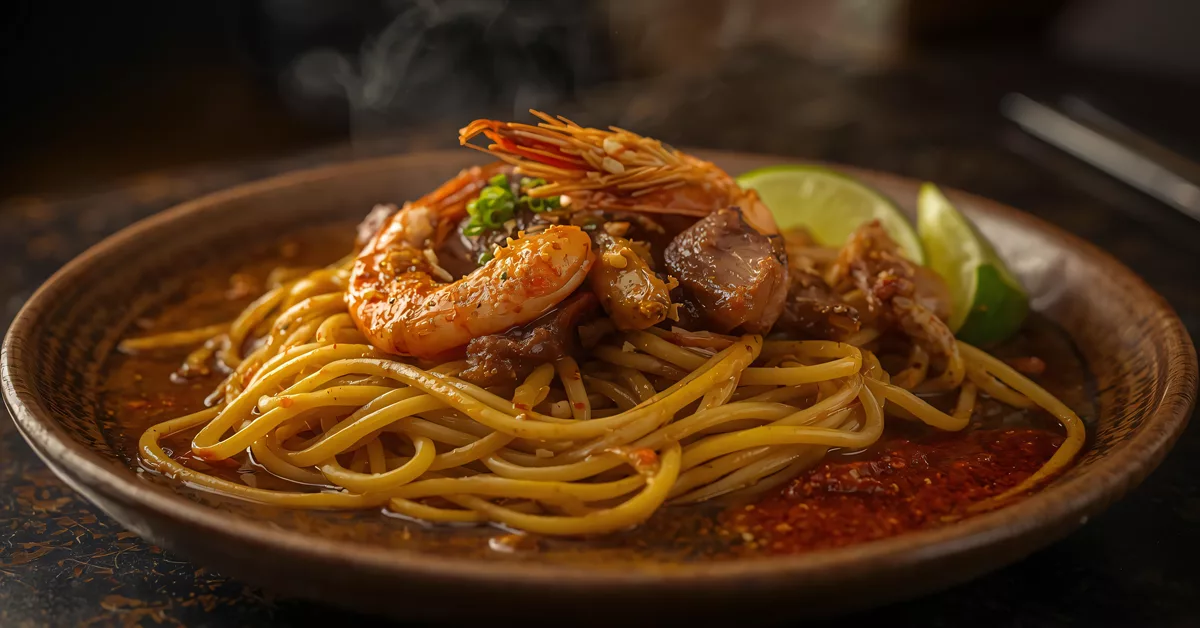
The menu is short: Hokkien Mee, done one way, done right. Each plate hits the wok hard, picking up smoke and char that balance the deep, almost bisque-like stock. There is nothing else to order—no sides, no distractions—so come here when the single-minded pursuit of a great plate of noodles is the whole point of the trip.
Come at the awkward 3pm lull when the lunch crowd has dispersed and the dinner queue hasn’t begun—the kitchen is still humming but you’ll have the glossy, deeply savoury noodles in front of you faster than you can say alamak. A smart choice when you want Michelin-noted comfort without the hour-long wait.
Address: 19 Lorong 7 Toa Payoh, Block 19, Sing Hiap Huat Coffee Shop, Singapore 310019
Phone: 8798 1525
Hours: Thu–Tue, 11am–3pm (or until sold out; Closed Wednesdays)
Website: Hokkien Man Hokkien Mee
This is for the purist. No air-con, no tablecloth, no service staff—just a hawker-style stall producing restaurant-grade noodles. Go early or risk watching them scrape the last portion into someone else’s takeaway box. A plate sets you back about $6–8. Damn shiok.

No one bought a spot on this list. If we have overlooked you, say so and we will consider it next time round.
How to choose
The first thing to sort out is the occasion. Half the restaurants here—Beng Thin Hoon Kee, Beng Hiang, Gim Tim—are built for events. They have round tables, set menus, and the kind of pacing where dinner runs a good two hours. The other half—Hokkien Man, Tun Xiang—solve a more immediate problem: you are hungry, you want Hokkien food, and you want it now.
Next, think about the star dish you are chasing. If wok hei-soaked noodles are the only thing on your mind, Hokkien Man is the specialist. For the full banquet spread with dishes like Buddha Jumps Over the Wall or Fish Maw Sea Cucumber Stew, you will want one of the older restaurants. Bee Heong Palace and Quan Xin Yuan sit somewhere in between, offering full menus in a slightly less formal atmosphere.
Price spreads help narrow things too. Hokkien Man is a kopitiam stall (under $10). Tun Xiang sits around $25–45 per head—affordable for a sit-down chain. The rest run roughly $40–100 a head depending on what you order, with Beng Thin Hoon Kee on the higher end given the CBD location and private-room setup.
Geography counts. Beng Thin Hoon Kee is right in the CBD. Beng Hiang serves the West, Gim Tim the North, Tun Xiang the East. Bee Heong Palace and Quan Xin Yuan are more central-north. Hokkien Man is Toa Payoh, reachable from almost anywhere. Do not drive 45 minutes for a bowl of noodles you could find closer—but some dishes, like Quan Xin Yuan’s Fen Ti or Bee Heong’s UFO Omelette, are rare enough to make the trip worthwhile.
| Restaurant | Opened | What to order | Dining style | Price per head |
|---|---|---|---|---|
| Beng Thin Hoon Kee | 1949 | Duck Salad, Fujian Prawn Balls, Fried Noodles | Formal banquet, private rooms | $60–100 |
| Beng Hiang | 1978 | Black Hokkien Mee, Oyster Omelette, Kong Ba Bao | Casual family, round tables | Check with the business |
| Bee Heong Palace | 1981 | UFO Oyster Omelette, Kungfu Flame Chicken | Lively, inventive, affordable | $30–50 |
| Quan Xin Yuan | 1930s | Braised Pork with Buns, Fish Maw Stew, Fen Ti | Heritage shophouse, late-night | Check with the business |
| Tun Xiang | Check with the business | Iberico Hokkien Mee, Fish Maw Collagen Soup | Mall-based, quick and modern | $25–45 |
| Gim Tim | 1975 | Buddha Jumps Over the Wall, Yam Ring | Neighbourhood stalwart, Hokkien-Cantonese | $45–75 |
| Hokkien Man | Check with the business | Hokkien Mee (French-style stock) | Kopitiam, queue up, eat fast | $6–8 |
Summary
Singapore’s Hokkien food scene runs a satisfying gamut: kopitiam stalls that make you queue in the sun to grand fifth-floor banquet halls where the tea is poured for you before you sit down. Beng Thin Hoon Kee and Quan Xin Yuan give you century-old recipes served with ceremony, while Hokkien Man and Tun Xiang prove the form can move forward without losing its soul. Pick based on whether you want a night out or just a great plate of noodles—there is no wrong call, only a different kind of good.
If you are casting a wider net for your next meal, have a look at our round-ups of Singapore's Elite Pinoy Palate Pleasers and the options for South Indian Restaurants in Singapore.
Disclaimer: All details provided here were gathered from publicly available sources and are accurate to the best of our knowledge at the time of writing. Opening hours, menu availability, and prices can shift—always confirm directly with the business before heading down.
Read next
Frequently asked questions
What makes Hokkien cuisine different from other Chinese food in Singapore?
Hokkien cooking leans on slow-braising, rich stocks, and a restrained use of spice, letting the main ingredient lead. Dishes like braised pork, prawn noodles, and oyster omelette are staples, often finished with a smoky wok hei that is central to the style.
Is Hokkien food generally halal?
Most traditional Hokkien restaurants use pork, lard, and Chinese rice wine as foundational ingredients, so halal options are rare among the heritage names. If you need halal-certified Chinese food, you are better off looking at dedicated Muslim-friendly kitchens.
Do I need to book a table at these restaurants?
For the full-service restaurants—Beng Thin Hoon Kee, Beng Hiang, Quan Xin Yuan, Bee Heong Palace, and Gim Tim—booking is a good idea, especially for weekend dinners and private rooms. Tun Xiang and Hokkien Man are walk-in, though Hokkien Man sells out early so go before 1pm if you can.
Which one is best for a birthday celebration with a private room?
Beng Thin Hoon Kee in the OCBC Centre is the pick for private-room bookings with a formal, elegant feel. Gim Tim also handles group celebrations well in the Ang Mo Kio area.
What is the rough price difference between a kopitiam stall and a restaurant meal?
At Hokkien Man, you will spend about $6–8 for a plate. At Tun Xiang, expect $25–45 a person. The banquet-style restaurants run between $30 and $100 per head, depending on whether you order signature dishes like Buddha Jumps Over the Wall.
Can I find vegetarian Hokkien food here?
The menu at most of these restaurants is built around meat and seafood. Check with the business directly about vegetarian adjustments, but be prepared that options may be very limited given how foundational meat stocks are to the cooking.