Last updated 7 August 2026. This page was reviewed on that date. Prices, rates and opening hours change often in Singapore — confirm anything that matters directly with the business before you travel or spend.
Quick answer: A bridging loan is short-term financing covering the downpayment gap when buying a new home before your current property sale completes. It typically covers up to around 20% of the new purchase price, runs alongside your main home loan, and is repaid — often interest-only meanwhile — within 6–12 months, at a higher rate than standard home loans.
When you are buying your next home before your current one sells, a bridging loan can keep your timeline intact. This is the kind of moment where careful planning — knowing how to apply, what costs to expect, and how it compares with alternatives — makes all the difference. The sections below walk you through each step, so you can approach your bank with quiet confidence and secure the keys on schedule.

Buying your next home before your current one has sold? A bridging loan can close that timing gap. This guide covers how bridging loans work, what they cost, and the risks to weigh — for the underlying home loan itself, see our home loans guide.
How a bridging loan works
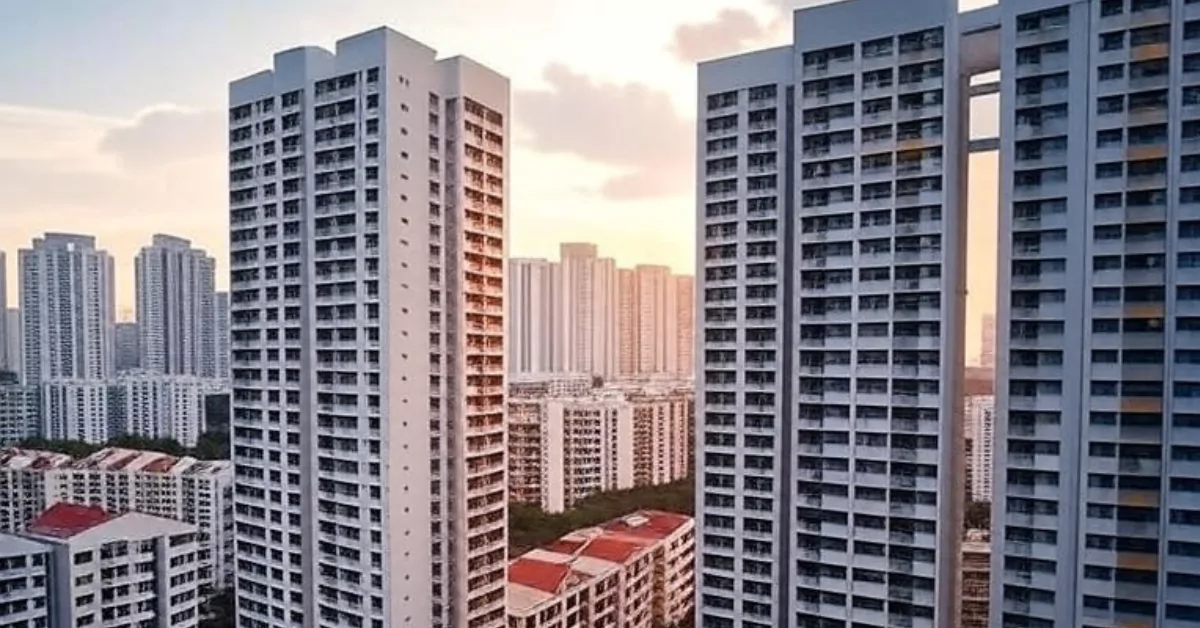
A bridging loan “bridges” the gap between buying your new property and receiving proceeds from selling your current one. For example: your new condo needs a downpayment, but your current flat’s sale proceeds won’t arrive for a few months. The bridging loan covers that gap now; you repay it once your old property sells.
Importantly, a bank bridging loan is not a standalone product — it must be taken alongside a new home loan for the property you’re buying, and typically covers up to around 20% of the new property’s purchase price (the portion of the downpayment your sale proceeds haven’t arrived to cover yet). The home loan itself is separately subject to the usual LTV caps.
Applying for a bridging loan
- Eligibility assessment — lenders look at your creditworthiness, the value of both properties, and how likely your current property is to sell on schedule.
- Documentation — you’ll typically need the Option to Purchase (OTP) for the new property, the Sale and Purchase Agreement for your current property, and income/CPF statements.
- Approval and disbursement — once approved, funds are released, usually alongside your new home loan.
- Repayment — repaid from your sale proceeds, usually within 6–12 months. Many lenders allow interest-only payments during the bridging period, with the principal cleared once the sale completes.
Most major banks that offer home loans also offer bridging loans as an add-on — compare offers as part of your overall home loan shopping rather than as a separate product, since terms are often bundled.
This step suits homeowners who have already identified their next property and are preparing the financing package. Approach your bank early in the process — ideally before you sign the Option to Purchase — so the loan officer can bundle the terms neatly with your new home loan. It feels like a straightforward conversation once you have your sale timeline and purchase price ready.
Costs to expect
Bridging loans cost more than standard home loans because they’re short-term and carry more lender risk. Rates commonly run higher than standard mortgage rates — expect a rate meaningfully above your main home loan rate, and confirm the exact figure with each bank since it varies by lender and market conditions. Some non-bank lenders charge even more. Arrangement or legal fees may also apply — always ask for the total cost of borrowing, not just the headline rate.
The loan is secured against your current property — if you can’t repay (for example, because your sale falls through or is delayed), the lender can act against that property, so timely completion of your sale is critical.
This information is for the planner who wants no surprises at the lawyer’s office. Ask for the full schedule of fees and interest during your initial mortgage discussion — not later — so you can budget the holding cost into your cash flow. The process feels reassuring when you have a clear summary sheet from your banker that spells out every charge before you commit.
Bridging loan vs. cash-out refinancing
Both can free up cash tied to your property, but they solve different problems. A bridging loan is specifically for the timing gap between buying a new property and selling your current one — it’s short-term (6–12 months) and only available alongside a new home purchase. Cash-out refinancing (covered in our refinancing guide) lets you draw against equity in a private property you’re keeping, with no property sale required — but it’s not available for HDB flats and can’t touch CPF-funded equity. If you’re not selling your current home, cash-out refinancing is the relevant option, not a bridging loan.
This comparison is ideal when you own a private property and are deciding whether to keep it or sell. The bridging loan is your tool for that 6- to 12-month gap while you await the sale proceeds, whereas cash-out refinancing serves a longer-term need. Knowing the distinction early helps you structure your property timeline with grace, so no one rushes you into the wrong arrangement.
Benefits and risks
Benefits
- Flexibility — buy your next home without waiting for your current property to sell first.
- Speed — bridging loans are typically processed quickly, helping you act fast in a competitive market.
- Simpler logistics — reduces the stress of coordinating two property transactions to close simultaneously.
Risks
- Higher cost — rates run above standard home loan rates, adding to your total borrowing cost.
- Short repayment window — typically 6–12 months, which can be tight if your sale is delayed.
- Risk if the sale falls through — since the loan is secured against your current property, a failed or delayed sale can put that property at risk.
Before applying, have a realistic timeline for your property sale and a backup plan in case of delays — a mortgage broker or financial advisor can help you weigh whether a bridging loan makes sense for your situation.
This final check is for the homeowner who wants to mark the milestone without last-minute anxiety. Before you apply, map out your sale completion date and build in a buffer — perhaps a family member offering temporary accommodation if needed. That quiet contingency removes the pressure, allowing you to accept the bridging loan’s short-term cost as a small price for keeping your property journey elegantly on track.
FAQs about bridging loans in Singapore
What is a bridging loan?
A short-term loan that covers the downpayment gap when you’re buying a new property before receiving proceeds from selling your current one. It’s taken alongside your new home loan, not as a standalone loan.
How much can I borrow with a bridging loan?
Typically up to around 20% of the new property’s purchase price, sized to bridge the gap until your current property’s sale proceeds arrive. The exact cap varies by lender.
Can foreigners get a bridging loan in Singapore?
Some lenders offer bridging loans to foreigners, but eligibility criteria are typically stricter, often requiring a strong credit history and additional documentation.
What happens if my property sale is delayed?
You may need to extend the bridging loan or arrange alternative funding, which can add cost. Since the loan is secured against your current property, a prolonged delay puts that property at risk — talk to your lender as early as possible if a delay looks likely.
Last updated July 2026. Mechanics and cost structure checked against current Singapore property-finance guidance sources on 22 July 2026 — bridging loan rates and terms vary by lender and market conditions, so confirm current figures directly with your bank before applying.
Disclaimer: This article is for general information only and is not financial advice. Compiled from publicly available sources; while we aim for accuracy, we do not guarantee completeness. Confirm all current rates and terms directly with your bank or a licensed mortgage broker before making decisions. Let us know if you spot anything that needs correcting.
About the figures on this page. Rates, bonuses and qualifying spends were checked against the issuers’ own sites on 5 August 2026. Singapore banks revise these frequently — several cut their headline savings rates more than once in 2026 alone — so treat every number here as correct on that date rather than a standing promise, and confirm on the issuer’s page before you apply or move money.