Last updated 11 August 2026. This page was reviewed on that date. Prices, rates and opening hours change often in Singapore — confirm anything that matters directly with the business before you travel or spend.
Quick answer: Craving Peranakan, Teochew, or Indian-Muslim food without the shock bill? These seven restaurants keep tradition alive while keeping your wallet happy. Rempapa brings your grandmother’s kitchen into a polished space, Keng Eng Kee does seafood with serious wok hei, and The Coconut Club’s nasi lemak earned a Bib Gourmand. There is also peppery bak kut teh, hand-shaped fishball noodles, century-old biryani, and kopi that tastes like the 1940s. No tourist traps—just heritage, heart, and honest prices.
When the goal is understanding Singapore’s food heritage, not just eating cheap, you need kitchens that treat recipe and technique with care. These restaurants give you a direct line to the island’s culinary DNA—no flash, no filler, just generations of skill on a plate. A meal here is an efficient way to build real cultural fluency, whether for yourself or your family.

Want to compare across the whole category? That is what Best Restaurants in Singapore by Occasion is for — 42 guides in total.

Rempapa
Chef Damian D’Silva has spent decades collecting forgotten recipes from Singapore’s Chinese, Peranakan, Eurasian, Indian and Malay kitchens, and Rempapa puts them all on one menu. The restaurant sits inside National Gallery Singapore on St Andrew’s Road, and feels like a dinner party at a friend’s place—if your friend happened to be a heritage-food fanatic. Lunch sets during the week give you generous portions at a gentle price, so you can order family-style and sample across the whole island’s culinary memory in a single meal.
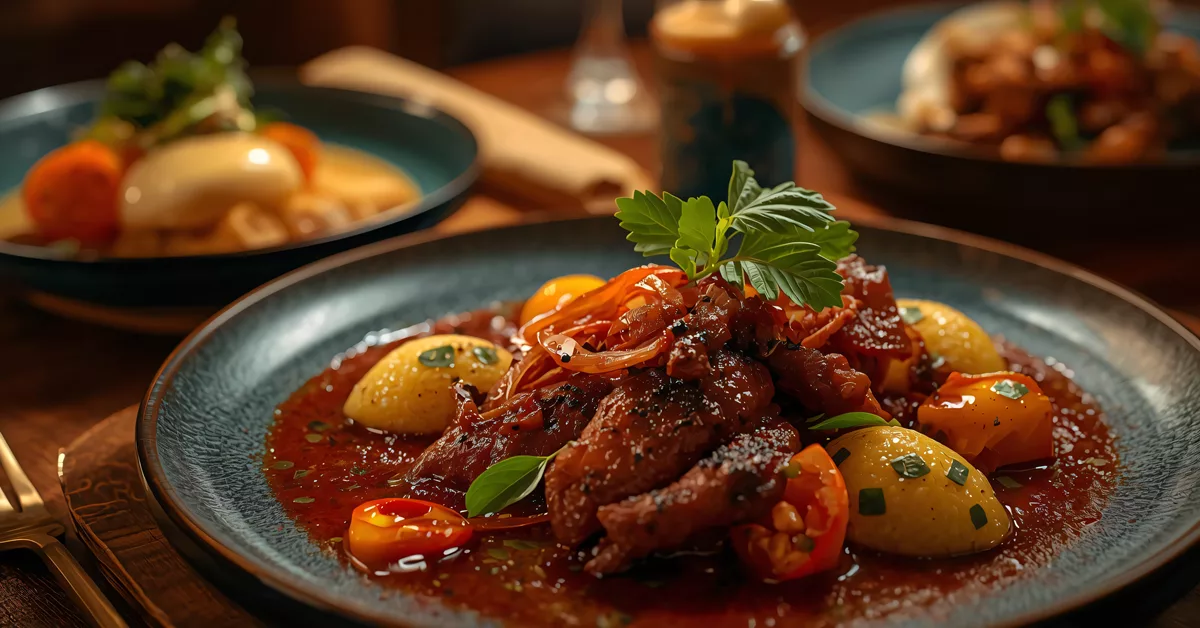
The Beef Rendang comes deeply spiced and fork-tender, while the Kueh Pie Tee arrives crisp and perky, ready for a slick of sweet sauce. Even small plates carry the kind of depth that makes you pause between bites. The kitchen does not shout; it tells stories. This is where you bring out-of-town guests when they ask what real Singapore food tastes like—and where you bring your own family when you cannot decide between chicken curry, chap chye, or a proper sambal. Weekends they open from half past ten all the way through dinner, so you can make a proper afternoon of it.
- Address: 1 St Andrew’s Rd, #01-02A, National Gallery Singapore, Singapore 178957
- Phone: +65 9459 1603
- Hours: Mon–Fri 11am–3pm, 6pm–10:30pm; Sat–Sun 10:30am–10:30pm
- Website: rempapa.sg
This is an editorial round-up, not a paid directory. Think we have missed somewhere? Tell us what you do and why it belongs here.

Rempapa works for the heritage hunter who wants the whole story on one table. Bring your parents when they are in town—the multi-ethnic spread sparks nostalgia and conversation. Weekday lunch is the strategic move: quieter room, same exacting standards, and a pacing that lets you really taste the detail.
Keng Eng Kee Seafood
Some zi char places coast on grease and volume, but this family-run stalwart off Bukit Merah Lane 1 has been nailing it since the 1970s. The Hainanese-style kitchen handles seafood with a confidence that only comes from decades behind the wok. Chow down under fluorescent lights with plastic chairs scraping the floor—this is the real Singapore dinner, no filter needed.
Orders you die die must try: the Moonlight Horfun, slick with wok hei and crowned with a raw egg that melts into the noodles, and the Chili Crab, spicy-sweet and served with fried mantou to mop up every last drop. Prawns and squid dishes taste like they were swimming that morning, and portions come sharing-sized, so round up the kakis and go to town. Damage stays reasonable even when you get carried away.
It is the go-to for birthday dinners, work-team lunches, or any excuse to eat until you need to loosen a button. Lunch sets run from 11:30am to 2pm, dinner from 5pm, and you will want to book a table if your party is more than a couple of people. The Michelin Guide nods at them regularly, but you come for the kick of the wok, not the accolades.
- Address: 124 Bukit Merah Lane 1, #01-136, Singapore 150124 (more branches available on their website)
- Phone: +65 6272 1038
- Hours: Daily 11:30am–2pm, 5pm–10pm
- Website: kek.com.sg

When the team needs a morale boost that outshines any restaurant booking, this is where you go. Keng Eng Kee feeds large groups generously, and the energy of the packed shop floor is part of the draw. Order with confidence—the kitchen’s rhythm is reliable, and dishes land fast, which matters when everyone is shag after a long week.
The Coconut Club
Beach Road houses a nasi lemak shop that takes the coconut seriously. Really seriously. The Coconut Club cold-presses their own santan from premium coconuts, and you can taste the difference in the rice—each grain fluffy, fragrant, and carrying a quiet sweetness. The ayam goreng berempah is marinated in house-made rempah, fried to a crisp shell that shatters under your fingers, and it is exactly the kind of dish that makes you forget about cutlery.
A Bib Gourmand 2024 hangs on their wall, but the real flex is how the whole plate comes together: sambal with a slow-building heat, crunchy ikan bilis, a wedge of egg, and that rice. The space is bright and airy, with a kampong breeziness that stretches through breakfast, lunch, and into a lazy dinner. Bring a friend, order a couple of sides, and take your time. They have expanded to a few outlets now, so check their site for the one nearest you.
- Address: 269 Beach Road, Singapore 199546 (more branches listed here)
- Phone (WhatsApp): +65 8725 3315
- Hours: Tue–Sun 8:30am–10:30pm
- Website: thecoconutclub.sg

For anyone who thinks they know nasi lemak already, this is the stop. The commitment to coconut elevates every element, turning a humble dish into a quiet study of flavour. Bring an out-of-town friend who loves cooking—they will leave with a new reference point for what a simple plate can achieve.
Song Fa Bak Kut Teh
That bowl of clear, peppery pork-rib soup has been warming Singapore since 1969, when Song Fa was still a pushcart. Today they have outlets island-wide—our go-to is the shop at Jewel Changi Airport if you have visitors, or one of their many neighbourhood branches. The broth is light and peppery, the Teochew way, with whole garlic cloves swimming alongside ribs so tender the meat slips off the bone.
The real deal here: soup refills are unlimited. Steady lah. Order some braised pig intestines or tau pok on the side, a bowl of rice, and you have a meal that feels like home for under fifteen bucks. Multiple Michelin Bib Gourmands sit in the trophy cabinet, but the queue at lunch still moves fast because the service is sharp. This is comfort food that does not need a special occasion—just an empty stomach and a little patience with the peak-hour crowd.
- Address: 78 Airport Boulevard, #B2-278/279/280, Singapore 819666 (many more outlets here)
- Phone: +65 6533 6128
- Hours: Tue–Sun 9am–9pm
- Website: songfa.com.sg

Song Fa is a strategic pit stop when you need a restorative meal that feels like a warm handshake. The Jewel branch is ideal for jet-lagged visitors—the steaming, peppery broth resets everything. Regulars know to order extra you tiao; it soaks up the soup beautifully and adds a satisfying crunch.
Lixin Teochew Fishball Noodles
Since 1968, this hawker legend has been shaping yellowtail fish into springy balls and dumplings that bounce when you bite them. Now you can find Lixin across the island—the Raffles Quay stall inside the CBD is a lunchtime life-saver, while the original spot at Toa Payoh still draws the faithful. No floury filler, just clean fish flavour held together by years of hand-making know‑how.
Order the dry version. The noodles come slicked with a chilli-laced sauce, punched up by crispy lard, and those fishballs have an almost snappy texture. Soup on the side is light and clear, a palate cleanser between mouthfuls. It is a simple bowl that feels like a reward for waking up at 7am, which is exactly when some branches open. Check their website for the stall nearest you, and don’t sian if you see a queue—it moves fast, and the payoff is worth it. Bib Gourmand since 2022, for good reason.
- Address: 18 Raffles Quay, Singapore 048582, Stall No. 32 (full list of locations here)
- Phone: +65 6220 0318
- Hours: Thu–Sun 7am–1pm (varies by outlet)
- Website: lixinfishball.com

Lixin solves the CBD lunch dilemma with zero compromise on substance. The fishballs have a bounce that mass-produced versions simply cannot match, and the dry-style toss with chilli and vinegar perks up even the most sian afternoon. At Toa Payoh, the queue moves fast—keep your order ready, chop chop.
Zam Zam Restaurant
Walk past the Sultan Mosque on North Bridge Road and the scent of spiced rice pulls you in. Zam Zam has stood here since 1908, serving Indian-Muslim dishes that have fed generations of Singaporeans. The murtabak comes out crisp and golden, stuffed with minced meat and onion, while the nasi biryani piles fragrant rice high with masala‑rich chicken or mutton. Portions are huge—most people tapau whatever they cannot finish.
Inside is no-frills, a little chaotic during Friday prayers, but that is part of the charm. Grab a table, wave down a server, and order a teh tarik to go with your food. The prices stay low even as the plate hides your face, and the recipes have barely changed in a century. Come hungry, preferably with a friend who will split the murtabak with you, and soak up a slice of Singapore’s kampong-era hospitality.
- Address: 697-699 North Bridge Road, Singapore 198677
- Phone: +65 6298 6320
- Hours: Daily 7am–11pm
- Website: zamzamsingapore.has.restaurant

Zam Zam feeds a crowd with no fuss—perfect when you have a hungry family after Friday prayers or a walk through Kampong Glam. The murtabak is a sharing event in itself. Do not be shy about asking for extra curry; the staff are generous if you need more to finish that mountain of biryani.
Nanyang Old Coffee
When you miss the taste of kopi that only your grandfather’s generation seemed to get right, head to Nanyang Old Coffee. Their beans are roasted with sugar the old way, giving each cup a caramel undercurrent that modern chains cannot replicate. The flagship on South Bridge Road, with more branches around the island, channels a 1940s kopitiam mood—tiled walls, marble-top tables, and the clatter of saucers.
Pair the kopi with kaya toast and soft-boiled eggs for the classic breakfast, or come mid‑afternoon when you need a quiet corner to hide from the heat. Prices feel like they belong in another era too; a whole set is less than what you would pay for a fancy latte elsewhere. It is a gentle, unshowy place that rewards anyone who slows down long enough to notice. They have scooped up awards for best traditional coffee, but the real win is the way the staff still call out orders in Hokkien.
- Address: 268 South Bridge Road, Singapore 058817 (more outlets listed here)
- Phone: 6100 3450
- Hours: Daily 7am–6:30pm
- Website: nanyangoldcoffee.com
This is an editorial round-up, not a paid directory. Think we have missed somewhere? Tell us what you do and why it belongs here.
How to choose
The main thing that separates these spots is the kind of heritage on your plate. If you want a broad sweep—a bit of Peranakan, a bit of Indian, some Chinese—Rempapa covers all that in one sitting. For a seafood feast with the unmistakable char of a hot wok, Keng Eng Kee delivers. Nasi lemak lovers should head straight for The Coconut Club, where the coconut rice is the star. When you crave a clear, peppery soup and bone-tender pork ribs, Song Fa is the answer, especially with unlimited refills. Early-morning fishball noodle runs belong to Lixin; just check their opening days. Zam Zam gives you a century-old biryani and murtabak that can easily stretch into two meals. And Nanyang Old Coffee is for anyone who needs a proper kopitiam breakfast or a quiet afternoon sip.
Think about timing too. Lixin and Nanyang Old Coffee open early, so they suit breakfast plans. Rempapa, Keng Eng Kee, and The Coconut Club swing into action for lunch and dinner, with longer weekend hours. Song Fa closes at 9pm, while Zam Zam runs from morning until late at night, making it a solid after-dark option. All of them keep prices forgiving, so you can pop by more than once without feeling the pinch. For instance, Rempapa’s weekend hours stretch from half past ten till past 10pm, giving you plenty of time to linger over multiple rounds of small plates. If you are exploring other flavours, our guides to Vietnamese Food Gems in Singapore and Fine Dining Restaurants in Singapore might come in handy when your wallet is feeling a bit more flexible, or our round-up of Asian Restaurants in Singapore for a wider regional lens.
| Restaurant | Heritage Roots | Standout Dish | Opening Hours | Why It Sticks |
|---|---|---|---|---|
| Rempapa | Chinese, Peranakan, Eurasian, Indian, Malay | Beef Rendang, Kueh Pie Tee | Mon–Fri 11am–3pm, 6pm–10:30pm; Sat–Sun 10:30am–10:30pm | One menu, five kitchens of heritage |
| Keng Eng Kee Seafood | Hainanese zi char | Moonlight Horfun, Chili Crab | Daily 11:30am–2pm, 5pm–10pm | Smoky wok char, generous portions |
| The Coconut Club | Malay | Nasi Lemak, Ayam Goreng Berempah | Tue–Sun 8:30am–10:30pm | Cold-pressed coconut milk changes the game |
| Song Fa Bak Kut Teh | Teochew | Bak Kut Teh, braised sides | Tue–Sun 9am–9pm | Free-flow soup, tender ribs, unbeatable comfort |
| Lixin Teochew Fishball Noodles | Teochew hawker | Fishball noodles (dry or soup) | Thu–Sun 7am–1pm (check outlet) | Handmade fishballs with true bounce |
| Zam Zam Restaurant | Indian-Muslim | Nasi Biryani, Murtabak | Daily 7am–11pm | Century-old recipes, massive portions |
| Nanyang Old Coffee | Traditional kopitiam | Nanyang Kopi, Kaya Toast | Daily 7am–6:30pm | Sugar-roasted beans, 1940s vibe |
Summary
From morning kopi to late-night biryani, these seven places prove you do not need a thick wallet to eat your way through Singapore’s culinary roots. Each one holds a piece of our shared food history—whether it is a bowl of peppery broth, a plate of fragrant rice, or a crackling kueh pie tee—and they are all ready to welcome you any day of the week. Honest cooking, gentle prices, and no pretence: that is the Singapore way.
Disclaimer: All information has been compiled from publicly available sources. While we have made every effort to ensure accuracy, we do not guarantee that the information is complete or error-free. We disclaim any liability for inaccuracies or omissions. If you spot an error or have concerns, please let us know so we can address them promptly.
Read next
Frequently asked questions
Nanyang Old Coffee is where you nurse a cup and let the afternoon slip by. The roasting method gives the coffee a depth that modern brews cannot touch, and the old-kopitiam setting encourages you to actually sit and savour it. Pair it with kaya toast for a complete, inexpensive tutorial in Singapore breakfast culture.
Which of these restaurants is the most wallet-friendly?
Lixin Teochew Fishball Noodles and Nanyang Old Coffee tend to be the lightest on the wallet, with a satisfying meal costing just a few dollars. The others are still inexpensive, especially if you dine in a group and share family-style.
Do I need to reserve a table?
For Rempapa and The Coconut Club, a reservation makes weekends smoother. Keng Eng Kee Seafood welcomes groups better with a call ahead. Song Fa, Lixin, Zam Zam, and Nanyang Old Coffee are mostly walk‑ins, though lunchtime queues can form.
Are there vegetarian options at these places?
The menus lean heavily on meat and seafood, but Rempapa offers kueh pie tee and some vegetable sides, Nanyang Old Coffee’s kaya toast set is vegetarian-friendly, and most kitchens can point out non‑meat dishes if you ask. Call ahead if you have strict dietary needs.
Which ones have Michelin recognition?
The Coconut Club, Song Fa Bak Kut Teh, and Lixin Teochew Fishball Noodles all hold Bib Gourmand accolades. Rempapa and Keng Eng Kee Seafood have been noted in the Michelin Guide as well.
Can I dabao the food?
Absolutely. Most of these outlets are set up for takeaway. Zam Zam’s biryani and Song Fa’s bak kut teh travel especially well. Just let the staff know when you order.
What if I want to explore a specific cuisine in more depth?
Each spot specialises in a particular heritage, so pick the one that calls to you. For a wider Asian experience, our guide to Asian Restaurants in Singapore links to more choices across the region.