Last updated 7 August 2026. This page was reviewed on that date. Prices, rates and opening hours change often in Singapore — confirm anything that matters directly with the business before you travel or spend.
Quick answer: For old-school charcoal-grilled magic, Lau Hong Ser in Katong is the one. If someone in your group cannot take shrimp paste, head to 684 Black & White Rojak in Hougang for their white rojak. Clementi’s Brothers Rojak draws West-siders who want a deep, dark sauce, while Balestier Road Hoover Rojak at Whampoa has been doing it since 1961 and still packs in jellyfish and torch ginger buds.
Rojak is a group-meal logistics problem disguised as a snack. You need enough for everyone to share, the sauce must not separate by the time you reach the table, and someone in your party will always say they do not like prawn paste. These seven stalls have been solving that problem for decades. They make rojak that travels well, portions that make sense, and versions for the one friend who insists on something lighter.

Best Malay, Peranakan & Local Food in Singapore holds 30 guides in this category, if you want to see what else is out there.
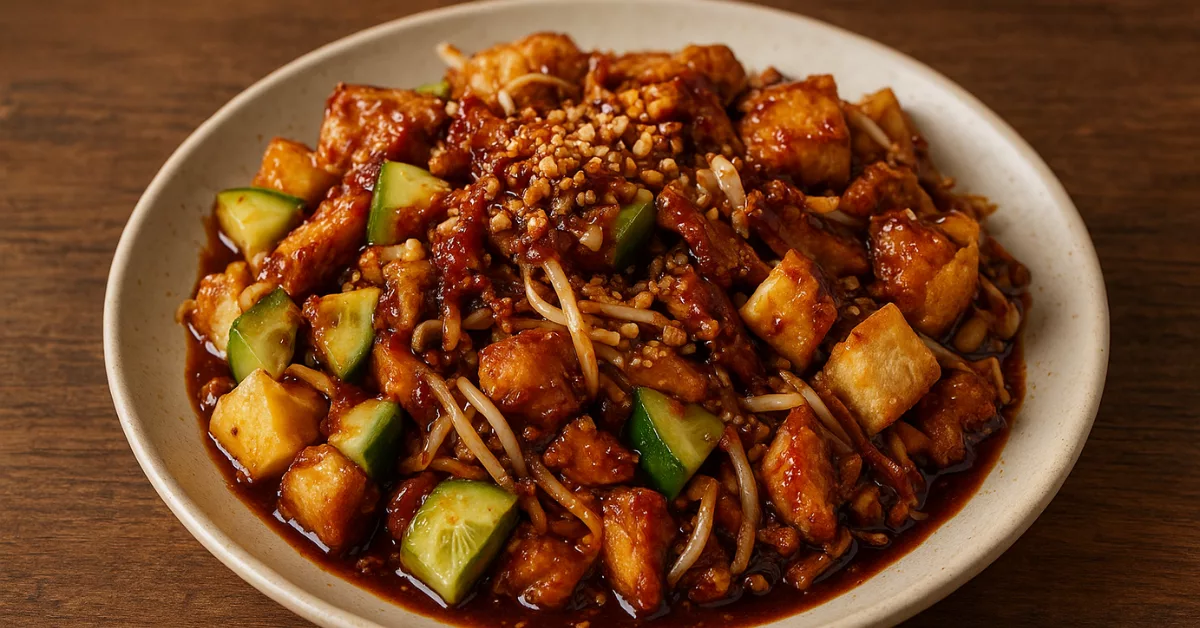
Brothers Rojak

Two brothers run this stall on the ground floor of Clementi Town Centre, and the rojak they put out has the kind of deep, dark sauce that lingers. They use hei gor shrimp paste — the good stuff — and it shows. The umami hits you first, then the sweetness and a slow chilli warmth that creeps up rather than shouts.
The base is fresh fruit and vegetables with tau kwa tofu puffs toasted to order. You can leave it at that, but the regulars usually add dried cuttlefish, codfish or a century egg. The sauce ties everything into something properly shiok, especially when you get a piece of you tiao that has soaked it all up.
449 Clementi Ave 3, #01-211, Singapore 120449 | +65 9710 2700
Monday to Friday: 9:30 AM – 7:30 PM | Saturday: 1:00 PM – 7:30 PM
Brothers Rojak on Facebook
Good for West-siders who want a reliable weekday rojak fix and do not mind a short wait while the brothers work through the queue. Bring a friend who appreciates a darker, more savoury sauce — this one is rich, not light.
Nothing on this page is a paid placement. If you know a place that should be here, let us know before the next update.
Ideal when you are running errands around Clementi and need something to take back. The sauce holds its body well, so the rojak does not turn into soup by the time you get home. Two brothers running the stall means the queue moves at a steady rhythm — no wayang, just consistent pacing.
Balestier Road Hoover Rojak
This stall started in 1961, and the recipe has barely moved since. Tucked inside Whampoa Drive Food Centre, it is the kind of place where the uncle still takes his time, layering ingredients with the calm of someone who has done this for six decades. Jellyfish and torch ginger buds go into the mix, which gives the rojak a floral, slightly crunchy lift you will not find at many other stalls.
The tamarind and prawn paste sauce is robust — full-bodied and generous, with a heap of crushed peanuts and fresh coriander on top. They do a version with century egg that adds a creamy, savoury note. The Michelin Bib Gourmand sticker on the glass is there for a reason, though the queue moves fast enough that you will not be waiting long.
Blk 90 Whampoa Drive, #01-06, Singapore 320090
Wednesday to Sunday: 10:00 AM – 4:00 PM
View on Google Maps
This one is for the history buffs and anybody who wants to taste what rojak was like before the modern tweaks crept in. Go early — they close by four, and once the sauce runs out, that is it for the day.
Rojak Popiah & Cockle
Maxwell Food Centre gets busy, and this stall is one of the reasons. The rojak here is fragrant and deeply aromatic, with roasted peanuts ground fine enough to cling to every piece of fruit and vegetable. The sauce walks a tightrope between sweet, sour and savoury, never letting any one of them dominate.
Besides the rojak, they also do popiah and cockles — so you can turn a quick snack into a full lunch. The portions are big, the queue moves steadily, and the whole operation feels like a well-oiled machine. Michelin noticed them too, but the prices have stayed grounded.
1 Kadayanallur Street, #01-56, Singapore 069184
Daily: 11:30 AM – 8:30 PM
View on Google Maps
If you are showing an out-of-town friend around Chinatown and they have never tried rojak, this is a solid introduction. The flavours are balanced enough for a first-timer, and the Maxwell setting gives them the full hawker-centre experience. For more food ideas nearby, our guide to the finest restaurants on Duxton Hill is a short walk away.
At the mixed-diet table—one wants rojak, another popiah, a third has been craving cockles all week—this stall satisfies everyone. The Maxwell Centre seating means you can grab from a few stalls and make a proper lunch out of it. Everything travels well across the food centre floor.
684 Black & White Rojak

Over two decades at a quiet Hougang coffee shop, this stall has built a following around something most rojak places do not offer: a white version. The classic black rojak is what you would expect — fermented prawn paste, chilli, lime and sugar, all tossed through pineapple, jicama, tau pok and you tiao. It is punchy and familiar.
The white rojak skips the shrimp paste entirely and uses a sour plum juice sauce instead. It is tangy, bright and completely seafood-free. Both versions share the same commitment to crunch — the ingredients taste like they were cut about ten minutes before you ordered.
684 Hougang Avenue 8, #01-983, Singapore 530684 | +65 9675 7550
Friday to Wednesday: 12:00 PM – 8:00 PM | Closed Thursdays
684 Black & White Rojak
This is the pick when someone in the group has a seafood allergy and normally has to sit out the rojak order. The white version means they finally get to join in. North-East residents, this is your neighbourhood go-to.
Bring the friend who always asks whether something has shrimp in it. The white version means they can finally stop asking. The Hougang coffee shop is spacious enough that you are not fighting for a table, and both versions hold their crunch through a long lepak session.
Power Rojak Bandung

A family-run operation that has been at it for more than twenty years, Power Rojak Bandung does a rojak that is distinct from the fruit-heavy versions elsewhere. Their signature tosses bee hoon, kangkong, cuttlefish, tofu puffs, beansprouts, cucumber and turnip with crushed peanuts and a squeeze of calamansi. The texture is what wins people over — soft, crunchy, chewy and crisp all in the same bowl.
They also serve a range of congee, so you can make it a proper meal. The stall has no fixed website location listed, so it pays to check their Facebook page for the latest operating hours before you head down.
+65 6775 7058
Power Rojak Bandung
This is the one for people who say they do not really like rojak because it is too sweet or too fruity. The bee hoon and kangkong give it more bite and savoury heft. Try it alongside something from our list of the finest tonkatsu establishments in Singapore if you are planning a proper food trail.
The stall to choose when your group wants a shared bowl that eats like a meal. The bee hoon and cuttlefish give it body beyond the usual fruit and fritter mix. Portions are generous, so one large order covers more people than you would expect. Makes sense for a supper gathering.
Lau Hong Ser

The uncle behind this Katong stall has been making rojak for 45 years, and he still grills the you tiao over charcoal. You can smell it from the stairwell of the Dunman Food Centre before you even reach the second floor. The char adds a smoky note that plays against the house-made chilli and the sweet-savoury sauce.
Everything is hand-cut. The sauce is mixed to order. Century egg and cuttlefish are the add-ons worth springing for, and the prices are still low enough that you can pile them on without thinking twice. The queue can get serious in the evenings, especially on weekends — people do not mind waiting because watching the charcoal grill in action is half the fun.
281 Onan Road, #02-14, Singapore 424661 | +65 6346 6519
Monday, Thursday & Friday: 4:30 PM – 1:00 AM | Tuesday & Saturday: 4:00 PM – 12:00 AM
Closed Wednesdays & Sundays
Lau Hong Ser
This is the one to visit when you are craving rojak late at night — they stay open past midnight. The East Coast crowd knows it well, but it is worth crossing the island for. Grab an extra you tiao on the side; you will regret it if you do not.
Nothing on this page is a paid placement. If you know a place that should be here, let us know before the next update.
Plan your visit around the charcoal timing — go earlier rather than later, because this kind of old-school care means batches are finite. The second-floor Dunman Food Centre location rewards you with a bit of breeze and a proper view of Katong. Bring the kaki who appreciates the smell before the taste.
Singapore Famous Rojak
Set in the busy Albert Centre Market & Food Centre, this stall earned its Michelin recognition with a house-made sauce that leans lighter on the prawn paste and heavier on tamarind, sugar and sweet soya. The result is more tang than funk, which makes it approachable without losing character.
The portions are generous — chopped greens, fruits and fritters mounded high, with you tiao that stays crunchy even after a good drenching. The stall is straightforward and unpretentious. You order, you pay, you find a seat and dig in while the hawker centre hums around you.
Albert Centre Market & Food Centre, 270 Queen Street, #01-106, Singapore 180270
Daily: 11:00 AM – 8:00 PM
View on Google Maps
A good pick on a lunch break near Bugis, or when you are doing a solo food crawl through the area. The lighter sauce means it plays well with other dishes — you could follow it with a recommendation from our guide to the finest tacos in Singapore without palate fatigue.
How to choose
Rojak is personal. Some people swear by a thick, dark sauce that tastes of fermented shrimp paste; others want something lighter and tangier. Before you pick a stall, ask yourself what kind of rojak mood you are in. The black-sauce traditionalists should head to Brothers Rojak or 684 Black & White. If prawn paste is not your thing, the white rojak at 684 or the brighter, tamarind-forward sauce at Singapore Famous Rojak will suit you better.
Think about timing too. Lau Hong Ser opens in the late afternoon and runs past midnight — perfect for supper. Balestier Road Hoover Rojak wraps up by 4 PM, so it is strictly a lunch play. Most stalls price their rojak between $3 and $6 for a basic portion, with add-ons like century egg or cuttlefish pushing it a dollar or two higher. No formal websites for many of these places; their Facebook pages tend to be the best way to check hours or last-minute closures.
If you are eating with a group, consider where you will sit. Maxwell, Albert Centre and Whampoa have plenty of seating. Dunman Food Centre, where Lau Hong Ser is, can get crowded in the evenings. And if someone in the group has a seafood sensitivity, 684 Black & White is the safest bet — it is the only stall on this list with a genuinely prawn-paste-free option.
| Stall | Location | Price Signal | Best For |
|---|---|---|---|
| Brothers Rojak | Clementi Town Centre, #01-211 | $4 – $7 | Dark, umami-heavy sauce |
| Balestier Road Hoover Rojak | Whampoa Drive, #01-06 | $4 – $6 | Vintage 1961 recipe with torch ginger |
| Rojak Popiah & Cockle | Maxwell Food Centre, #01-56 | $4 – $6 | Balanced sauce and big portions |
| 684 Black & White Rojak | Hougang Ave 8, #01-983 | $4 – $7 | White rojak for seafood-free diets |
| Power Rojak Bandung | Check Facebook page | $4 – $6 | Bee hoon and kangkong texture mix |
| Lau Hong Ser | Dunman Food Centre, #02-14 | $3 – $6 | Charcoal-grilled you tiao, late-night |
| Singapore Famous Rojak | Albert Centre, #01-106 | $4 – $6 | Lighter, tangier sauce |
Summary
Rojak works because the best stalls treat it with respect — fresh ingredients, a sauce that has been tweaked over years or decades, and a sense of timing that means nothing sits around getting soggy. Whether you are after a charcoal-grilled late-night fix in Katong or a white rojak that includes everyone at the table, Singapore has a stall for it. The seven on this list each bring something a little different, and any of them will make you understand why this messy, mixed-up dish has stayed on our hawker centre menus for generations. For something completely different after your rojak run, our guide to the finest shepherd’s pies in Singapore might surprise you.
Disclaimer: All information here is from publicly available sources as of early 2026. Operating hours, prices and menus can change. Confirm directly with the business before making a special trip.
Read next
Frequently asked questions
The tamarind-forward sauce makes this the safest bet when you are ordering for a mixed group and need something approachable that still tastes like rojak, not like sweet salad. Albert Centre gets warm and busy, so plan to tapau and eat somewhere air-conditioned.
What is rojak and why is it so popular in Singapore?
Rojak is a traditional salad of fresh fruits, vegetables, fried dough and tofu, tossed in a thick sauce made from shrimp paste, tamarind, sugar and chilli. It is the contrast — sweet, savoury, tangy, crunchy and soft all at once — that keeps Singaporeans coming back.
Which rojak stall is best for someone who cannot eat prawn paste?
684 Black & White Rojak in Hougang does a white rojak with a sour plum juice sauce instead of fermented prawn paste. It is the only stall on this list with a fully seafood-free option.
What are the most common add-ons for rojak?
Century egg, dried cuttlefish and codfish are the usual upgrades. Lau Hong Ser and Brothers Rojak both offer these, and Lau Hong Ser also charcoal-grills their you tiao for an extra smoky layer.
How much does a plate of rojak cost at these stalls?
Most basic portions fall between $3 and $6. With add-ons like century egg or extra cuttlefish, expect to pay a dollar or two more.
Which stall stays open late?
Lau Hong Ser in Katong is open until 1 AM on some nights, making it the best choice for a late supper run. Do check their schedule — they close on Wednesdays and Sundays.
Are these stalls accessible by public transport?
Yes. Clementi, Maxwell, Albert Centre and Whampoa are all a short walk from MRT stations. Hougang and Katong require a bus or a bit more walking, but are still easy to reach.