Last updated 7 August 2026. This page was reviewed on that date. Prices, rates and opening hours change often in Singapore — confirm anything that matters directly with the business before you travel or spend.
Quick answer: Kampong Glam’s Arab Street area is where you go when you want the real deal lah. For charcoal-grilled meats, Beirut Grill and Byblos Grill bring the fire; Alaturka has a Bib Gourmand nod for its Turkish bites. Heritage champs like Zam Zam (since 1908) and Kampong Glam Cafe give you murtabak and nasi padang with soul. These seven spots make any makan trip feel like an occasion.
After the festive crowd thins and life returns to its usual rhythm, these Arab Street Food kitchens are still turning out the dishes you trust. Whether you are refuelling after a walk through Kampong Glam or settling into your regular weekend routine, each stop offers the kind of reliability that turns a meal into a quiet ritual worth keeping.

If none of these quite fit, Best Food in Central Singapore & the City has 70 lists covering the rest of the category.
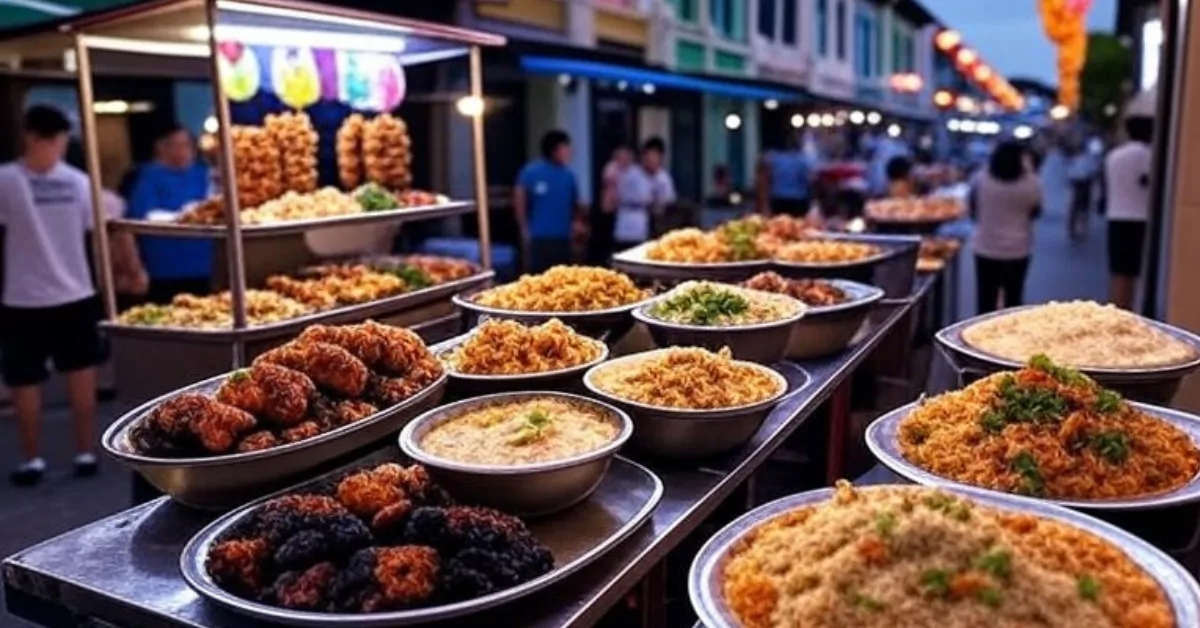
Beirut Grill
Beirut Grill is a Lebanese charcoal-grill restaurant on Bussorah Street in Kampong Glam. You know that smell of charcoal drifting down Bussorah Street? That’s Beirut Grill calling your name. They don’t mess around with their Lebanese grills—lamb chops, shish taouk, and mixed kebab platters all get the fire treatment using spices imported straight from Lebanon. The hummus is smooth, the rice fragrant, and the whole setup feels like a dinner that wants your full attention. Come here for a date night or a long supper with kaki who don’t mind getting their hands on some perfectly charred meat.
For those evenings when only the smell of charcoal will do, this spot’s consistent grillwork makes it a ritual stop. The shared platters turn a simple dinner into an occasion, perfect for rounding up the usual kaki when everyone’s schedule finally aligns. The hummus arrives smooth every time, just as you remember it.
Address: 72 Bussorah Street, Singapore 199485
Hours: 11am – 11pm (Mon – Thu, Sun); 11am – 12am (Fri – Sat)
Phone: +65 6341 7728
Website: beirut.com.sg

Byblos Grill
Byblos Grill brings Lebanese-Turkish cooking to Bussorah Street in Kampong Glam. Byblos Grill takes Lebanese comfort and dials it up with a Turkish twist. Their Mixed Grill platter—lamb kofta, beef steak, mezzes like hummus and tabbouleh—is what you order when you want a bit of everything, all done fresh daily. The space has a family-friendly vibe, so it’s steady for a long lunch or a group that can’t agree on just one dish.
The mixed platter is the answer for the group that can never decide, keeping everyone happy without a long debate. The calm, air-conditioned dining room makes it a reliable choice for a no-fuss weekend lunch, especially when you want to escape the heat and still eat well. It is the sort of place that becomes a standing family date.
Address: 14 Bussorah Street, Singapore 199435
Hours: 11am – 1am daily
Phone: +65 6296 8577
Website: byblosgrillsg.com

Alaturka
Alaturka Turkish & Mediterranean Restaurant sits on Bussorah Street in Kampong Glam, offering from-scratch Turkish food. Some places just get attention, and Alaturka’s one of them—the Michelin Bib Gourmand sticker on the door tells you that. Turkish food made from scratch, with charcoal-grilled adana lamb and kuzu pirzola leading the charge. The house-made yoghurts and breads are the quiet heroes here. If you’re the sort who plans meals around a good kunefe, this is your stop.
When you need a meal that feels like a small celebration without the fuss, the from-scratch approach here delivers. The quiet consistency of the house-made breads and yoghurts suits a midweek dinner, turning an ordinary Tuesday into something you look forward to. It is a steady pick when you want quality you can count on.
Address: 15 Bussorah Street, Singapore 199436
Hours: 11:30am – 10:30pm daily
Phone: +65 6294 0304
Website: alaturka.com.sg

Nothing on this page is a paid placement. If you know a place that should be here, let us know before the next update.
If you’re exploring the neighbourhood, our guide to Restaurants in Arab Street has more spots worth a visit.
Tabbouleh
Tabbouleh Lebanese Cafe and Restaurant is a Lebanese eatery on Bussorah Street known for charcoal-grilled meats and seafood. Tabbouleh isn’t just a salad here; it’s a whole vibe. This Lebanese spot goes heavy on charcoal-grilled meat platters and seafood—marinated tiger prawns dressed with tahini, fragrant rice on the side. The mandi sets get a lot of love too. It’s the kind of place where a casual lunch can quietly turn into a two-hour affair.
This is a spot you visit when you have time to sit and savour—the tiger prawns are a slow-eating affair. A solo lunch here can feel like a well-kept secret, and the mandi sets are steady enough to become your default order. The courtyard seating makes it easy to linger.
Address: 54 Bussorah Street, Singapore 199470
Hours: 11am – 10:30pm daily
Phone: +65 6291 4100
Website: tabbouleh.sg

Zam Zam Restaurant
Zam Zam Restaurant on North Bridge Road has been serving Indian-Muslim murtabak and biryani since 1908. Over a hundred years in the game, Zam Zam is pretty much an institution. You don’t come here for ambience; you come for the murtabak that’s been perfected since 1908. Stuffed with lamb or venison, it’s die die must try. The nasi biryani is no afterthought either—bold, hearty, and just the thing when you need a serious meal before 10am. They open at seven, so early birds can settle in before the crowd.
The murtabak is the kind of comforting anchor you seek when you are in the neighbourhood and just need something solid. Whether it is a quick solo bite after midday or a takeaway for the family, this century-old spot never leaves you guessing. The queue moves, and the food is always worth the trip.
Address: 697-699 North Bridge Road, Singapore 198677
Hours: 7am – 11pm daily
Phone: +65 6298 6320
Website: zamzamsingapore.has.restaurant

Cappadocia Turkish & Mediterranean Restaurant
Cappadocia Turkish & Mediterranean Restaurant is on Bussorah Street in Kampong Glam, offering kebabs and Turkish sweets. If you like your Turkish food with a side of fresh air, Cappadocia’s alfresco seats are the draw. They do all the staples—kebabs, freshly baked flatbreads, dips—plus borek and lahmacun for a change of pace. The baklava is sweet enough to make you plan your next visit before you’ve left the table. Yes, it’s that kind of place.
When the evening breeze is just right, the alfresco tables are the place to be. It is a spot for taking your time with a spread of dips and flatbreads, saving room for baklava that makes the outing feel complete. Perfect for a catch-up that stretches into the night.
Address: 69 Bussorah Street, Singapore 199482
Hours: 11am – 11:30pm daily
Phone: +65 9677 9072
Website: cappasg.net

Kampong Glam Cafe
Kampong Glam Cafe is a Malay-Arab fusion spot in the heart of Kampong Glam, serving nasi padang and curries. Kampong Glam Cafe is where Malay-Arab fusion feels most at home. Their nasi padang and curries carry an aromatic kick that bridges local comfort and Middle Eastern spice, served in portions that don’t leave you hungry. It’s the sort of spot you duck into after walking the whole of Bussorah Street, just wanting something warm and familiar.
Your pitstop after a long walk through the heritage streets—the nasi padang is ready, portions are generous, and the air-conditioned interior is a welcome relief. It is the kind of everyday ritual that never gets old, especially on a quiet weekday afternoon when you need a familiar, comforting plate.
Address: Bussorah Street, Singapore (central Kampong Glam)
Hours: Typically open daily; check with the cafe
Website: kampongglamcafe.com

How to choose
Separating these spots mostly comes down to what you’re craving and the mood you’re in. For pure Lebanese charcoal-grilled meats, Beirut Grill and Byblos Grill are your safest bets—Beirut Grill leans more classic, while Byblos adds a Turkish spin and works great for bigger groups with its mixed platters. If you want Turkish food with a Bib Gourmand nod, Alaturka’s from-scratch approach and kunefe make it the one to book.
When seafood is on your mind, Tabbouleh’s marinated tiger prawns and mandi sets stand out. Zam Zam is the heritage pick—murtabak perfected over a century, and open early enough for breakfast, which none of the others really match. Cappadocia gives you alfresco dining and a selection of Turkish sweets that’s hard to walk past. Kampong Glam Cafe is the wildcard: if you want a taste of Malay-Arab fusion away from the purely Middle Eastern menus, that’s where you go.
Most dinners here will set you back a moderate amount—similar to a nice cafe meal—so your choice is really about flavour and setting, not budget. If you’re after a completely different culinary adventure, our Korean Food Destinations in Tanjong Pagar and Vegan Food Destinations in Singapore are ready when you are.
| Restaurant | Cuisine | Signature Dish | Known For | Hours |
|---|---|---|---|---|
| Beirut Grill | Lebanese | Charcoal-grilled lamb chops, shish taouk | Imported spices, Best Middle Eastern Restaurant 2024 (RAS) | 11am – 11pm (till 12am Fri‑Sat) |
| Byblos Grill | Lebanese‑Turkish | Byblos Mixed Grill | Fresh daily mezzes, family-friendly | 11am – 1am daily |
| Alaturka | Turkish | Adana lamb, kuzu pirzola | Michelin Bib Gourmand 2016, house-made breads | 11:30am – 10:30pm daily |
| Tabbouleh | Lebanese | Marinated tiger prawns, mandi sets | Seafood focus, charcoal-grilled meats | 11am – 10:30pm daily |
| Zam Zam | Indian‑Muslim / Arab | Lamb murtabak, nasi biryani | Since 1908, early breakfast | 7am – 11pm daily |
| Cappadocia | Turkish | Baklava, borek, kebabs | Alfresco seating, Luxury Restaurant Awards | 11am – 11:30pm daily |
| Kampong Glam Cafe | Malay‑Arab fusion | Nasi padang, curries | Local twist, generous portions | Check with the business |
Summary
Arab Street’s dining scene is a delicious mix of Lebanese, Turkish, and Malay-Arab influences, and these seven restaurants each bring something different to the table. From a quick murtabak at Zam Zam to a slow-grilled feast at Beirut Grill, there’s a spot for every craving. Go explore Kampong Glam and let your taste buds lead the way.
All details were correct at time of writing but can change; confirm directly with the business before heading down.
Nothing on this page is a paid placement. If you know a place that should be here, let us know before the next update.
Read next
Frequently asked questions
Which Arab Street restaurant is best for first-timers?
Beirut Grill is a steady pick for its wide range of Lebanese charcoal-grilled dishes and central location on Bussorah Street. Zam Zam offers something distinctly Singaporean with its century-old murtabak recipe.
Where can I find the best murtabak?
Zam Zam Restaurant has been perfecting its meat-stuffed murtabak since 1908—the lamb and venison versions are the ones locals keep going back for.
Any Michelin-recommended spots on Arab Street?
Yes, Alaturka Turkish & Mediterranean Restaurant earned a Michelin Bib Gourmand in 2016 for its from-scratch Turkish cooking.
Which restaurant works well for a group dinner?
Byblos Grill’s mixed platters and mezzes are built for sharing, and it stays open until 1am. Cappadocia’s alfresco seating also suits bigger groups wanting an outdoor meal.
Are all these places halal?
The Arab Street area is known for halal-friendly dining, but it’s best to confirm directly with the specific restaurant before you go.
Where can I grab an early breakfast?
Zam Zam opens at 7am, making it a go-to for a hearty morning murtabak or nasi biryani before the crowds arrive.