Last updated 7 August 2026. This page was reviewed on that date. Prices, rates and opening hours change often in Singapore — confirm anything that matters directly with the business before you travel or spend.
Quick answer: Whether you’re chasing the fiery tang of Isaan (Un Yang Kor Dai), a soulful zi-char family meal (A-Roy Thai), or a romantic dinner by the bay (Sabai Fine Thai on the Bay), this list has a Thai spot for you. From Michelin-recognised kitchens to decades-old institutions, each brings a different kind of Thai warmth to Singapore.
If you’re picking a meal to honour your parents, the comfort of the table matters as much as the spice on the plate. These Thai restaurants make it easy to bring the family, with dining rooms that welcome elders, seating that doesn’t rush anyone, and a pace that lets conversation unfold in the way your parents prefer.

Best Thai & Southeast Asian Food in Singapore is the parent list here, with 14 guides covering everything in this area.
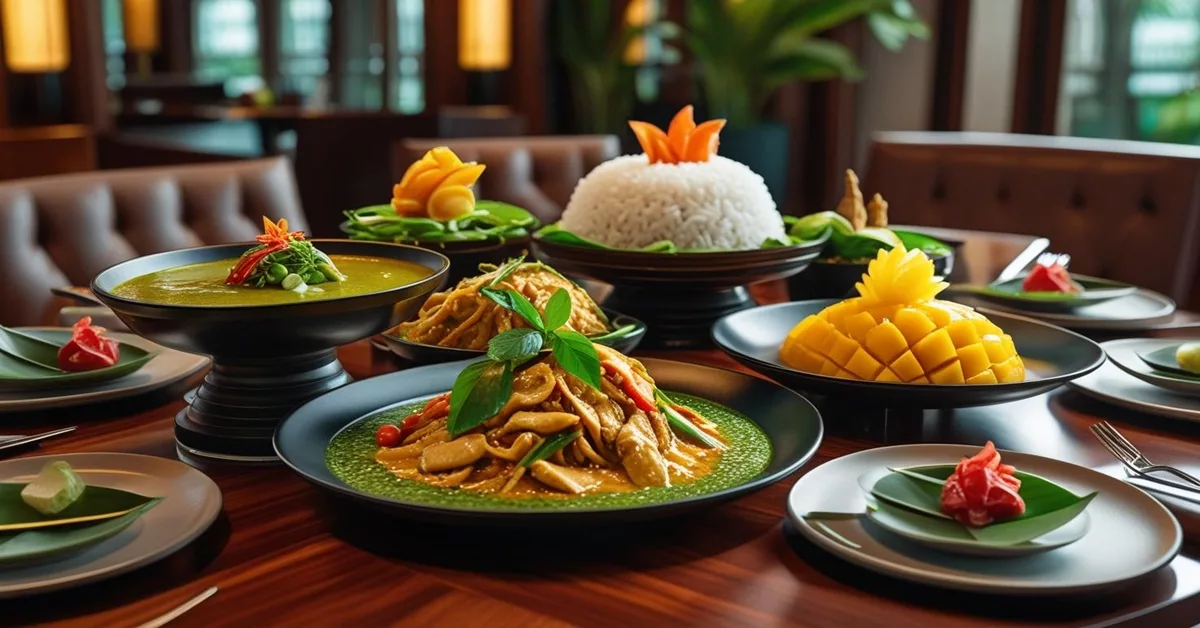
Un Yang Kor Dai

Un Yang Kor Dai has been drawing crowds to South Bridge Road for a taste of proper Isaan cooking – the kind that doesn’t hold back on chillies or funky fermented notes. The room is simple and unpretentious, so you focus on what’s on the plate.
The kitchen’s star is the PenLaos grilled chicken, marinated across three days until it’s impossibly tender, then charred just so. The leng zaab pork ribs come in a sour-spicy broth that’s the kind of shiok that has you reaching for your drink every few spoonfuls, and you can dial the heat up or down when you order. Grilled pork neck and minced pork salads round out a meal that feels both rustic and carefully executed.
A Michelin Bib Gourmand several years running (2022–2025), the restaurant keeps prices moderate. Lunch runs 11:30am–2:30pm, dinner 6pm–10pm, closed Mondays. 57 South Bridge Road, #01-02, Singapore 058688. Phone: +65 6787 8575. unyangkordai.sg.
This is the place you gather a group of friends who can take the heat – literally – and want a meal that leaves a mark. Just be prepared to queue if you rock up without a reservation.
If your parents love bold, honest flavours, this South Bridge Road spot makes a meal feel like an occasion without fuss. The room is simple, so call ahead to secure a corner table where conversation can linger. Arrive early for the PenLaos chicken – its tenderness and gentle char coax a smile from even the most reserved diner.
Khao Hom by Rung Mama

Named after the founder’s mother, Khao Hom runs on recipes that have been cooking in Rung Mama’s kitchen for decades, and the warmth carries through to every plate. With outlets in Djitsun Mall (Ang Mo Kio) and Katong Square, it’s a reliable stop for generous, made-from-scratch Thai fare.
You’ll want the chunky crab meat omelette – the kind with visible lumps of sweet crab, not just batter. The grilled moo ping pork skewers are smoky and sticky, the tiger prawn vermicelli comes loaded, and the steamed fish with chilli-lime sauce hits the right note on a muggy afternoon. Portions are hearty, and prices stay reasonable.
Open daily 11am–10pm, though hours shift slightly between outlets. 5 Ang Mo Kio Central 2, #01-06, Djitsun Mall, Singapore 569663 (also 88 East Coast Road, #01-05/06/07, Katong Square, Singapore 423371). Phone: +65 8363 4154. khaohomsg.com.
If you’re around that side, there’s plenty more to eat – check out our guide to Restaurants in Katong. Bring your family or a hungry group; the dishes feel like home-cooked feasts meant for sharing.
When you’re bringing the whole family, location is everything. With outlets in Ang Mo Kio and Katong Square, both malls offer comfortable aircon and short walking distances – a real relief for older legs. The chunky crab omelette arrives generous and golden, easy to share between generations without any awkward slicing.
Fourgather

Started by a group of friends who wanted a place where good food and good company meet, Fourgather gives Thai street food a modern, playful twist. The Suntec City outlet hums through lunch and dinner, while the Telok Ayer spot draws the after-work crowd.
The matchstick chicken wings are a signature – thin, crispy strips you can eat by the handful. The Thai watermelon salad refreshes in unexpected ways, fried fish miang wraps bursts of flavour, and their boat noodles come in a dark, spiced broth that comforts. The vibe is casual-chic, lively enough for a dinner but not so loud you can’t talk.
Both locations open 11am–10pm daily. Suntec City Tower 2, #01-505, 3 Temasek Boulevard, Singapore 038983. Telok Ayer: #01-02, 76 Telok Ayer Street, Singapore 048464. Phone: +65 8071 2946. instagram.com/fourgather.sg.
This one is a solid pick when you’ve got a mixed group of friends – some acquainted with Thai food, some looking to be a little adventurous. Prices make it easy to order a few rounds of small plates and linger.
We put this list together ourselves – nobody paid to be on it. If you run something that belongs here, tell us about it.
If your parents enjoy Thai flavours with a creative edge, the Suntec City outlet makes a convenient stop after a morning of mall-walking. The matchstick chicken wings are crisp and bone-free, so even less robust appetites can join the fun. Long tables mean the whole extended family fits comfortably when you gather.
MP Thai

MP Thai made it into the Michelin Guide without putting on airs, keeping things affordable and relaxed. With outlets in Vision Exchange and Battery Road, it’s a dependable choice when you want a Thai meal that doesn’t stretch the wallet.
The tomyum soup hotpot is a crowd-pleaser – big enough to share, with that hot-and-sour punch you’re there for. The basil century egg with minced pork is a funky, savoury dish that grows on you, and the mookata sets are perfect for a DIY dinner. Thai-style omelettes round out the comfort-food lineup.
Weekdays 11:30am–11pm, till midnight on weekends. 2 Venture Drive, #02-41/42, Vision Exchange, Singapore 608526; also 6 Battery Road, #01-06, Singapore 049909. Phone: +65 9119 9710. mpthai.sg.
Good for a casual dinner after work or a low-key birthday meal where no one has to worry about the bill. The atmosphere invites you to turn a quick meal into a two-hour catch-up.
If you seek value without compromise, MP Thai’s Battery Road outlet turns a weekday lunch with city-working parents into a treat. The tomyum soup hotpot arrives sizzling and shareable, a communal dish that draws everyone in. It’s the kind of unfussy meal where you can focus on each other, not the bill.
Sabai Fine Thai on the Bay

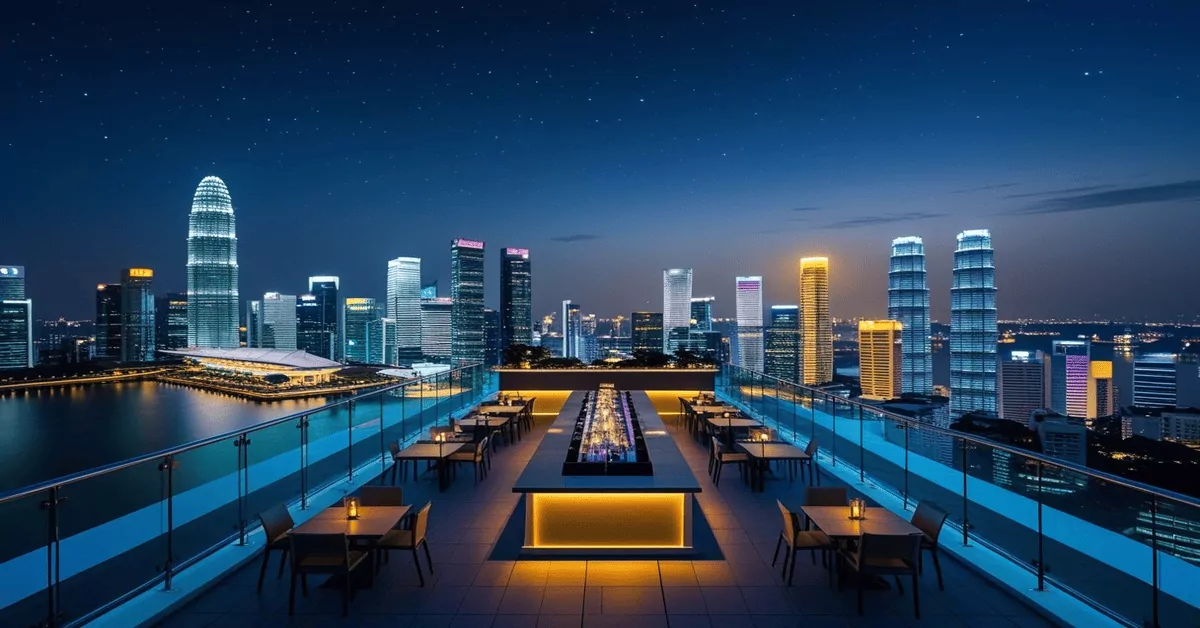
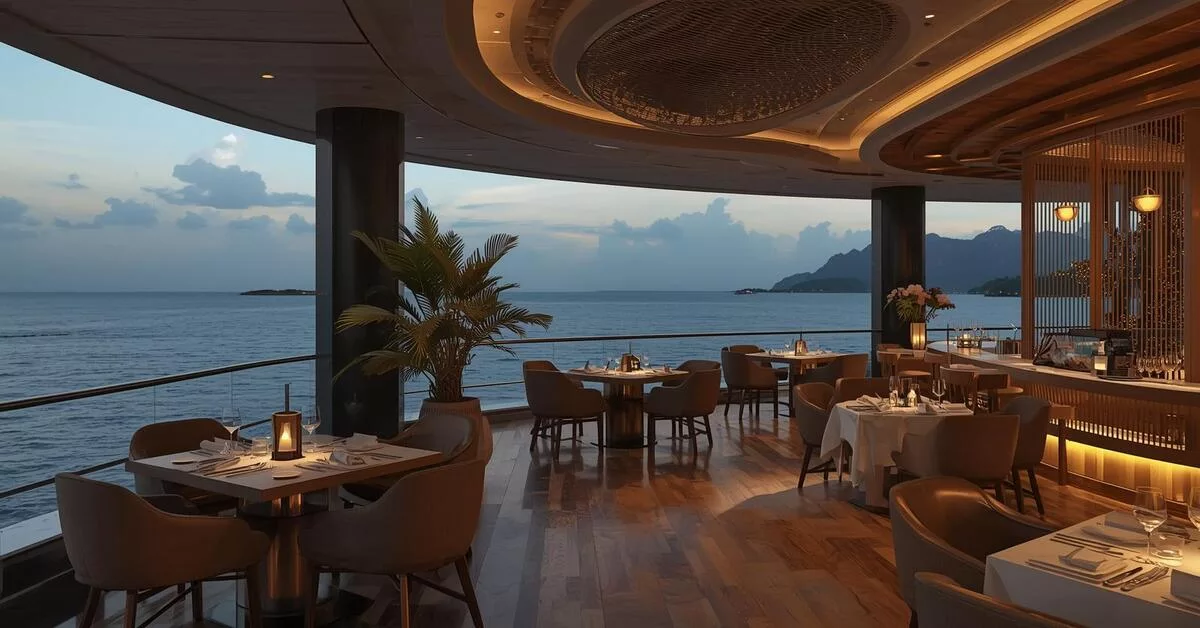
Sitting at Customs House, Sabai Fine Thai on the Bay gives you front-row seats to Marina Bay while you work through a menu that balances tradition and refinement. The dining room is understated and elegant – ideal for anniversaries or a business meal that needs a little scenery.
The kitchen is precise: stir-fried noodles with fresh prawns, green curry chicken that’s fragrant without being heavy, pineapple fried rice served in its shell, and on Saturdays they bring out street food specials that remind you of Bangkok’s evening markets. Seafood gets top billing, and the freshness shows.
Lunch 11:30am–2pm, dinner 6pm–10pm daily. 70 Collyer Quay, #01-02, Customs House, Singapore 049323. Phone: +65 6535 3718, WhatsApp: +65 9181 1863. sabaifinethai.com.sg.
After dinner, the nearby cocktail bars at Customs House are calling – and if you’re into that, you’ll like our guide to Discover Epitome of Cocktail Bars in Singapore. For a date night that feels a bit atas without being stuffy, this is your spot.
When you want to honour your parents with a view, Sabai Fine Thai on the Bay at Customs House sets the scene. The dining room is refined yet welcoming; book a window table so they can watch the Marina Bay skyline while you order the green curry – fragrant, gentle, and just right for older palates.
Thanying Restaurant

Thanying has been around since 1988, and stepping into its Tanjong Pagar dining room feels like entering a quiet, old-money parlour – gilt-framed mirrors, plush seats, and a menu drawn from royal Thai kitchens. Located on the second floor of Amara Singapore, it’s the sort of place where the service is as polished as the silverware.
The miang kham – betel leaves topped with diced lime, ginger, shallots, roasted coconut, and peanuts – is the traditional starter that wakes up your palate. Curries are the heart of the meal, multi-layered with spices, and the mango sticky rice makes a sweet, lush finish. Everything is plated with a care that signals a kitchen that respects its craft.
Reservations are the way to go; call +65 6222 4688. 165 Tanjong Pagar Road, Level 2, Amara Singapore, Singapore 088539. thanyingrestaurants.com.
Choose this when you want to treat a parent, a special date, or a long-time friend to a meal that feels unhurried and special. It’s old-school in the best sense – no gimmicks, just decades of doing things right.
We put this list together ourselves – nobody paid to be on it. If you run something that belongs here, tell us about it.
If your parents value tradition and a hushed, elegant setting, Thanying is the kind of place where they can dress up and be fussed over. Located on the second floor of Amara Singapore, it’s an easy lift ride up from the lobby. The miang kham appetiser invites everyone to assemble their own leaf, starting the meal with gentle ceremony.
A-Roy Thai Restaurant

A-Roy Thai has been feeding Singapore families for over thirty years, and you’ll find it at Velocity@Novena Square and Changi Airport T2. It’s a familiar, comfortable setting where the menu runs deep and the portions aim to satisfy.
The lemongrass salad is a must-order – zingy and full of crunch – and the steamed seabass in spicy sour soup is a whole fish swimming in a broth you’ll keep spooning up long after the meat is gone. Mango sticky rice and a range of zi-char style dishes, like stir-fried kang kong and omelettes, make it easy to build a meal for the table.
Open 11am–3pm and 5:30pm–9:30pm daily. 238 Thomson Road, #03-61/63, Velocity@Novena Square, Singapore 307683; Changi Airport T2. Phone: +65 6338 3880 (Novena). aroythai.com.sg.
This is the kind of place you put on the family group chat when no one can decide where to eat and you need something reliable. It’s not flash, but it’s been around long enough to know what works.
How to choose
Start with the occasion. If you need a setting that feels celebratory – a birthday, a proposal – Sabai Fine Thai on the Bay and Thanying deliver on atmosphere and service. For a rowdy, chilli-packed get-together, Un Yang Kor Dai’s Isaan heat is the draw. Family-style sharing? Khao Hom and A-Roy Thai have menus built for exactly that.
Spice tolerance matters. Isaan dishes at Un Yang Kor Dai pack real fire, though they’ll adjust the level if you ask. Milder palates may prefer the coconut-based curries at Thanying or the balanced stir-fries at Fourgather.
Budget wise, MP Thai and Khao Hom keep things affordable – most dishes sit in the $12–$18 zone. Mid-range options like Fourgather and A-Roy Thai land around $20–$35 per person, while the waterfront and heritage restaurants can climb beyond $50 per head, especially with drinks and seafood. Always check the menu online if you’re counting pennies.
Location can seal the deal. If you’re exploring other foodie enclaves, our roundup of Restaurants in Joo Chiat, Singapore may help, and if you’re craving something completely different, we’ve also put together Western Food in Singapore options. For Thanying and Sabai Fine Thai, reservations are strongly recommended, especially on weekends.
| Restaurant | Standout Dish | Vibe | Price Signal | Best For |
|---|---|---|---|---|
| Un Yang Kor Dai | PenLaos grilled chicken | Homey, Michelin Bib Gourmand | Moderate | Spice lovers, group dinners |
| Khao Hom by Rung Mama | Crab meat omelette | Family-style, casual | Affordable | Hearty sharing meals |
| Fourgather | Matchstick chicken wings | Modern street food, lively | Moderate | Friends gathering, small plates |
| MP Thai | Tomyum soup hotpot | Relaxed, inviting | Affordable | Budget-friendly casual dinners |
| Sabai Fine Thai on the Bay | Green curry chicken | Elegant, waterfront views | Premium | Romantic, business dinners |
| Thanying Restaurant | Miang kham, curries | Royal-inspired, old-world | Premium | Special occasions, quiet dining |
| A-Roy Thai Restaurant | Steamed seabass in spicy soup | Comfortable, zi-char style | Moderate | Family meals, reliable comfort |
Summary
From the tongue-numbing heat of Un Yang Kor Dai’s Isaan kitchen to the graceful curries of Thanying, Singapore’s Thai food scene stretches across every mood you might be in. Whether you’re after a wallet-friendly hotpot with friends, a family zi-char feast, or a bay-view dinner that feels like an occasion, one of these seven spots will have you covered.
All information provided is accurate at the time of writing, but details like operating hours and prices can change. Always confirm with the restaurant directly before heading down.
Read next
Frequently asked questions
If you’ve got parents who appreciate time-honoured family recipes, A-Roy Thai at Velocity@Novena Square is a steady choice. The layout makes navigating with older family members straightforward. The steamed seabass arrives in a deeply flavoured broth that begs to be spooned up slowly, a quiet tribute to the cook.
What type of Thai food does Un Yang Kor Dai specialise in?
It specialises in Isaan cuisine from northeastern Thailand, known for bold, tangy, and spicy flavours. Signature dishes include grilled chicken, spicy salads, and sour pork ribs.
Are these Thai restaurants suitable for a date night?
Yes, Sabai Fine Thai on the Bay and Thanying Restaurant both offer elegant settings ideal for a romantic or special-occasion meal. Sabai has waterfront views, while Thanying provides a refined, heritage dining room.
Which restaurant is the most affordable?
Khao Hom by Rung Mama and MP Thai are known for reasonable prices and generous portions, making them budget-conscious choices without sacrificing authenticity.
Do any of these restaurants require reservations?
Thanying Restaurant operates primarily by reservation, and it’s wise to book ahead at Sabai Fine Thai and Un Yang Kor Dai, especially on weekends. The more casual spots typically accept walk-ins.
Is there a restaurant that can adjust spice levels?
Un Yang Kor Dai offers customisable spice levels for many dishes, so you can choose a milder or more intense heat depending on your preference.
What is the signature dish at A-Roy Thai?
The steamed seabass in a spicy sour soup is a standout, served whole and bathed in a tangy broth that diners return for time and again. Mango sticky rice is also a popular way to end the meal.