Last updated 7 August 2026. This page was reviewed on that date. Prices, rates and opening hours change often in Singapore — confirm anything that matters directly with the business before you travel or spend.
Quick answer: When you’re after a veneer that doesn’t look like everyone else’s, Oregon Veneer and Mundy Veneer give you serious range, while Merawood keeps things practical with solid plywood and timber. Shangwood and Toseva lean custom for one-off designs, Keding brings green credentials, and Sagewood sources good value from across Asia. Spend ten minutes browsing their websites before you commit – it’ll save you a lot of back-and-forth later.
Picking a veneer company feels like a blur of grain patterns, and that’s okay – no one expects you to know teak from oak recon. What matters is who sends samples without a fuss, and whether the trek to Sungei Kadut is really worth it. These names make the decision a lot less guesswork.

Best Doctors & Specialists in Singapore holds 40 guides in this category, if you want to see what else is out there.
Oregon Veneer

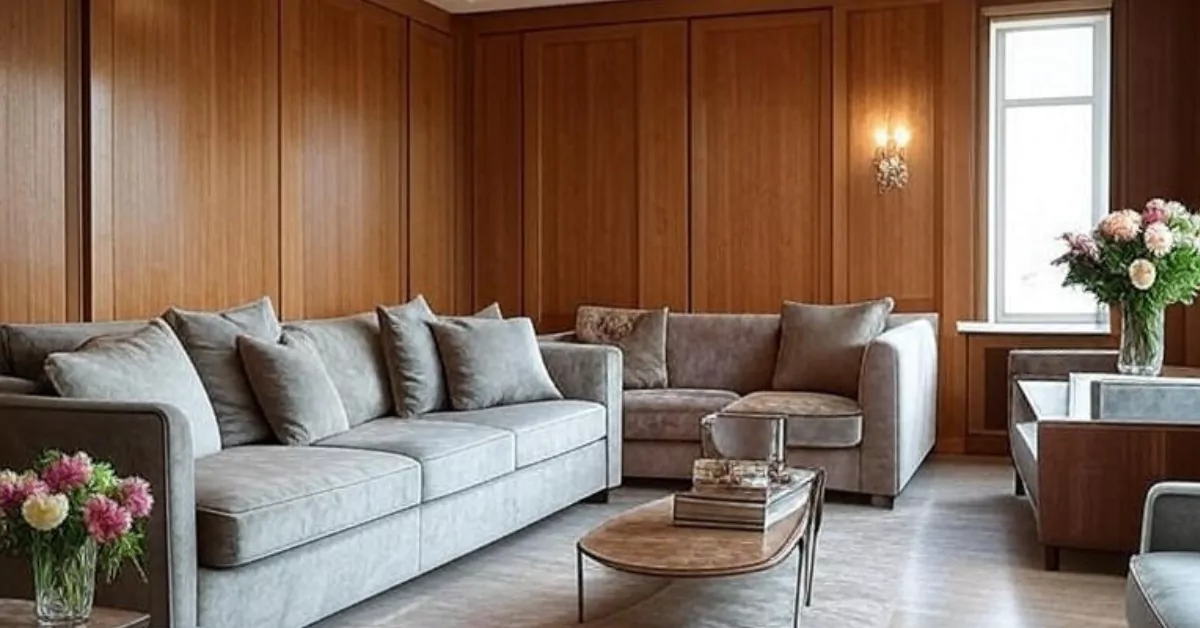
Oregon Veneer operates out of a unit in Sungei Kadut, and if your contractor hasn’t mentioned them yet, they probably will. They’ve built a name on reconstituted veneers with an extensive pattern series, plus natural and dyed options that hold their colour well over time. You’ll find them handling everything from custom furniture to full wall panelling, and they don’t skimp on the detail – their kiln-drying and care advice for woods like maple, walnut, and oak shows they know what they’re working with.
What makes the trip out there worth it is the consistency. Designers come back because the batch you saw last month matches the one you order today, which matters when you’re trying to finish a room without surprises.
Oregon Veneer is the name that pops up when your contractor wants zero drama. You rock up to Sungei Kadut, and the sample racks make decision fatigue feel manageable. Good pick if you’ve saved thirty different Pinterest pins and need someone to just point at the right one.
Address: 29 Sungei Kadut Street 4, Unit K1 – K5, Singapore 729054
Phone: +65 6366 1300 / +65 6363 6683
Email: [email protected]
Website: oregonveneer.com
If you’re the sort who’d rather touch the grain before deciding, this is your stop.
Mundy Veneer

Mundy Veneer works online, which might sound unusual for something so tactile, but they’ve been doing it for over 30 years and ship internationally from their base to Singapore. Their catalogue runs past 900 natural and dyed veneers, and they’re happy to send out samples, provide technical advice, and even match existing wood tones for a project. No need to squeeze into a car and brave the industrial estate – you browse, they handpick.
The real draw is the curation. Instead of scrolling through endless options that all start to blur together, you get a selection that feels intentional. It’s the kind of service that appeals when you’re working on a high-end renovation and want someone who speaks the language.
If the thought of driving to an industrial estate makes you sian, Mundy Veneer is your answer. Their whole thing is online – you message them, they mail samples. It’s oddly comforting for people who like to mull over grain patterns on their kitchen table with a kopi in hand. Especially useful if you’ve got an existing piece to colour-match.
Service: Online only, with international shipping
Website: mundyveneer.com
For anyone who knows exactly what they want or needs a particular shade to match existing joinery, this is a straightforward, no-parking-needed way to get it.
Editorial round-up, not a directory listing. Missed someone worth knowing about? Send it our way.
Merawood

Merawood sits in the same Sungei Kadut estate as a few others on this list, and they’ve spent more than twenty years supplying plywood, solid timber, and wall panels alongside their veneer work. If you’re tackling a renovation that needs more than just a nice surface – think structural ply or solid wood elements – they’ll sort you out without making you run to different suppliers. Their veneers come in at competitive pricing, and the team on the ground can guide you through what suits your project.
They’ve earned a reputation for delivering on time, which in Singapore’s reno scene is half the battle won. When your carpenter is waiting, a delayed batch can throw everything off, so reliability here isn’t just a nice-to-have.
Merawood is for when you’re doing more than a feature wall – think shelving, structural ply, maybe solid timber. The Sungei Kadut trip feels less shag because you’re ticking off multiple items from one spot. Ideal if your renovation list keeps growing and you don’t want to chiong around town.
Address: 29 Sungei Kadut Street 4, Sungei Kadut Industrial Estate, Singapore 729054
Website: merawood.com.sg
Pick this one if you’re juggling a whole project and want someone who can cover more than just veneer sheets.
Shangwood

Shangwood comes with fifty-plus years of pedigree, and they’ve got the setup to match: real-wood veneer sheets, reconstituted panels, melamine-faced boards, even high-pressure laminates on blockboard and MDF. They can also do custom finger-jointed butcher blocks and patterned door skins, which is the sort of thing that turns an ordinary kitchen island into a talking point. Their head office and factory are both in Singapore, and they have more branches if you check their site.
The depth of experience means they’ve seen just about every design trend come and go, so when you ask for something unusual, they’re not going to look at you blankly. That’s reassuring when you’re paying for a look that needs to last.
Shangwood has been around for ages, and it shows in the breadth of stuff they do. If you’ve been dreaming of a kitchen island with a butcher-block top that feels properly crafted, their custom work is worth a look. The showroom side gives you a better sense than scrolling photos, and the staff can walk you through grain patterns without making you feel blur.
Phone: +65-6744 6211
Email: [email protected]
Address: Head Office: Shanghai Liun Hoo Co. Pte. Ltd., Singapore; Office & Factory: Kim Loong Timber Products Pte Ltd, Singapore (more branches available on their site)
Website: shangwood.com.sg
Go here if your project demands custom work that off-the-shelf just can’t satisfy.
Toseva Southeast Asia

Toseva Southeast Asia works from Ubi and they’re big on collaboration – their TOSEVAconstruct service pairs them directly with architects and designers to nail a specific colour, tonality, or pattern. They focus on natural and reconstituted veneers with different varnishes and substrates, so what you finally put up on your wall or cabinet is very much a joint effort. Opening hours are typical office hours (Monday to Friday, 8:30am to 12:30pm and 1:30pm to 5:30pm), so plan your visit.
What sets them apart is how hands-on they are with customisation. If you’ve got a mood board and a dream but can’t find the exact finish anywhere, this is where you sit down and work it out.
Toseva is big on collaboration, so it helps to come with a moodboard or at least a clear idea. Their Ubi space is more about discussion than browsing, which suits people who enjoy the process of fine-tuning a specific tone.
Address: 50 Ubi Avenue 3, #02-12/13 Frontier, Singapore 408866
Phone: +65 6749 2166 / +65 8813 3066
Email: [email protected]
Operating Hours: Monday to Friday: 08:30 – 12:30, 13:30 – 17:30
Website: toseva-seasia.com
This is for the person who doesn’t want to settle for a catalogue finish and is willing to put in the time to get it right.
Keding Global

Keding Global has a showroom up in Yishun and a strong focus on eco-friendly materials – they’re listed on the stock exchange and carry international certifications like the Green Building Materials label from Taiwan. Their KD ECO⁺ laminates and panels use low-formaldehyde production, and they do decorative plywood, real wood veneers, flooring, and edge banding that won’t off-gas in your home. For families with young children or anyone sensitive to indoor air quality, that’s a real weight off the mind.
They’re not the smallest operation, but that scale means their product range is broad and their stock levels tend to be steady. You’re not left waiting for a container to arrive.
Keding Global is a comforting pick if you’ve got little ones at home or just prefer materials that keep the air quality in check. Their Yishun showroom puts the eco-friendly certifications front and centre, so you’re not just taking a website’s word. A reassuring stop if healthy-home anxiety is creeping in.
Address: 6 Yishun Industrial Street 1, #06-20 Northview Bizhub, Singapore 768090
Website: keding-global.com
If sustainability is high on your list and you want the paperwork to prove it, Keding is a logical first call.
Sagewood Trading

Sagewood Trading is run out of an office near Newton, and they source fancy natural and reconstituted veneers, veneered plywood, blockboards, particle boards, and MDF from manufacturers around Asia. Because they customise to your requirements, you’re not stuck with whatever happens to be in the warehouse – they’ll work with you to get the finish your design needs, whether it’s for construction, renovation, or furniture.
They’re a smaller, nimbler player, which can make communication faster. If you appreciate dealing directly with someone who remembers your project details, that’s the kind of experience you’ll find here.
Sagewood Trading’s central-ish location near Newton makes dropping in surprisingly easy, even if you’re doing a midday recce. They’re the sort who’ll source a specific grain if you show them a photo, which is handy when your Pinterest board is all over the place. Less of a warehouse vibe, more of a sit-down-and-plan affair.
Address: 22 Newton Road, #25-11 Amaryllis Ville, Singapore 307990
Phone: +65 9638 9183
Website: sagewoodtrading.com
Good for those who want a personal touch and flexibility in sourcing.
Editorial round-up, not a directory listing. Missed someone worth knowing about? Send it our way.
How to choose
No single supplier fits every project. The right pick often comes down to three things: how much control you want over the final look, how soon you need the material, and whether green credentials matter to you.
Start by deciding if you’re after natural grain – where every slice is slightly different – or reconstituted veneer that gives you a uniform pattern across a whole wall. Both have their place. If you’re matching existing joinery in a landed property, the online sampling service from Mundy Veneer can save days of driving around. For a completely bespoke shade, Toseva’s collaborative approach will get you closer to what’s in your head.
Most suppliers don’t publish fixed price lists because orders vary so much. Ask about minimum order quantities early, especially if you’re only doing a feature wall or a single cabinet. Lead times are another make-or-break detail – confirm before you commit, because a two-week delay can stall your whole renovation timeline.
While you’re sorting out your home’s look, it’s also worth thinking about the bigger picture. If security is on your mind, our list of Premier CCTV Providers in Singapore might come in handy. And after the reno, you’ll want to unwind – the right Gaming Headsets in Singapore can make all the difference.
| Business | Specialty | Product Range | Physical Location | Sample Availability | Sustainability |
|---|---|---|---|---|---|
| Oregon Veneer | Reconstituted & dyed veneers | Reconstituted, natural, dyed; kiln-dried woods | Sungei Kadut | Check with the business | Check with the business |
| Mundy Veneer | Online sourcing, bespoke matching | 900+ natural and dyed veneers | Online only | Yes, sampling service | Sustainably sourced |
| Merawood | Plywood & timber, competitive pricing | Plywood, solid timber, wall panels, veneer | Sungei Kadut | Check with the business | Not specified |
| Shangwood | Custom blocks & door skins | Real-wood veneer, reconstituted, melamine, laminates | Singapore (head office & factory) | Check with the business | Not specified |
| Toseva Southeast Asia | Designer collaborations | Natural & reconstituted, various varnishes | Ubi | Check with the business | Not specified |
| Keding Global | Eco-friendly, low-formaldehyde | KD ECO⁺ laminates, plywood, flooring, edge banding | Yishun | Check with the business | Green Building Materials label, low-formaldehyde |
| Sagewood Trading | Asian sourcing, customisation | Natural & reconstituted veneers, plywood, blockboard, MDF | Newton (office) | Check with the business | Not specified |
Summary
From the industrial estates of Sungei Kadut to an online catalogue that reaches your doorstep, Singapore’s veneer suppliers cover a lot of ground. Whether you need a single sheet for a feature wall or enough to clad an entire office, these seven make the search a whole lot easier. The real trick is knowing whether to chase a price, a custom finish, or clean indoor air – pick your priority and start there.
Details can change. Confirm directly with the business before you head down.
Read next
Frequently asked questions
What is the difference between natural and reconstituted veneer?
Natural veneer is sliced directly from a log, showing the wood’s original grain pattern. Reconstituted veneer is engineered from fast-growing timber, dyed, and reassembled to create consistent patterns and colours. Both can look great; the choice depends on whether you want authenticity or uniformity.
How do I choose the right veneer for my project?
Consider the look you want, the substrate underneath, and the level of maintenance you’re willing to handle. Suppliers like Oregon Veneer and Mundy Veneer can guide you on wood species durability and finishing. Always ask for a sample to see how it behaves in your home’s lighting.
Are these veneers suitable for wet areas like bathrooms?
Veneer can be used in bathrooms if properly sealed and ventilated, but it’s not inherently waterproof. Check with the supplier about specific products like solid timber or treated plywood, and ensure your contractor uses the right sealant.
Can I order small quantities for a DIY project?
It varies. Some suppliers deal mainly with trade orders, but others like Mundy Veneer offer sampling and small quantities online. Call ahead to ask about minimum order requirements.
Is veneer more eco-friendly than solid wood?
Veneer uses a thin slice of wood, so less raw material is needed for the same surface area. Additionally, companies like Keding Global focus on low-formaldehyde and sustainably sourced products, making them a greener option.
How do I maintain veneered furniture?
Dust regularly with a soft cloth, avoid direct sunlight to prevent fading, and use coasters to prevent moisture rings. Most suppliers can advise on specific care for the wood species you choose – Oregon Veneer, for instance, provides maintenance guidelines.