Quick answer: The best team building in Singapore depends on how much sweat and adrenaline your group actually wants. For full-on action, Red Dynasty Paintball Park and Cohesion SG lead the pack. Axe Factor on Sentosa keeps things intense but therapeutic. If your team prefers something gentler, J² Terrarium runs calming plant workshops, while MAD Collection builds trust through aerial dance. Latin Dragons gets everyone wet and synchronised on the water, and SerendipET designs bespoke outdoor programmes that actually feel purposeful.
You have two hours after work, and the team already sian about bonding. Do not waste those hours. Pick one of these seven straight-shooting activities, shove the booking in the calendar, and show up. No trust falls. No forced fun. Just practical ways to get everyone moving, then get yourself home before rush hour turns ugly. That is how you do a team session in Singapore.
Looking more broadly? Best Tuition, Events & Services in Singapore gathers all 19 guides on this, so you can scan the field first.


MAD Collection

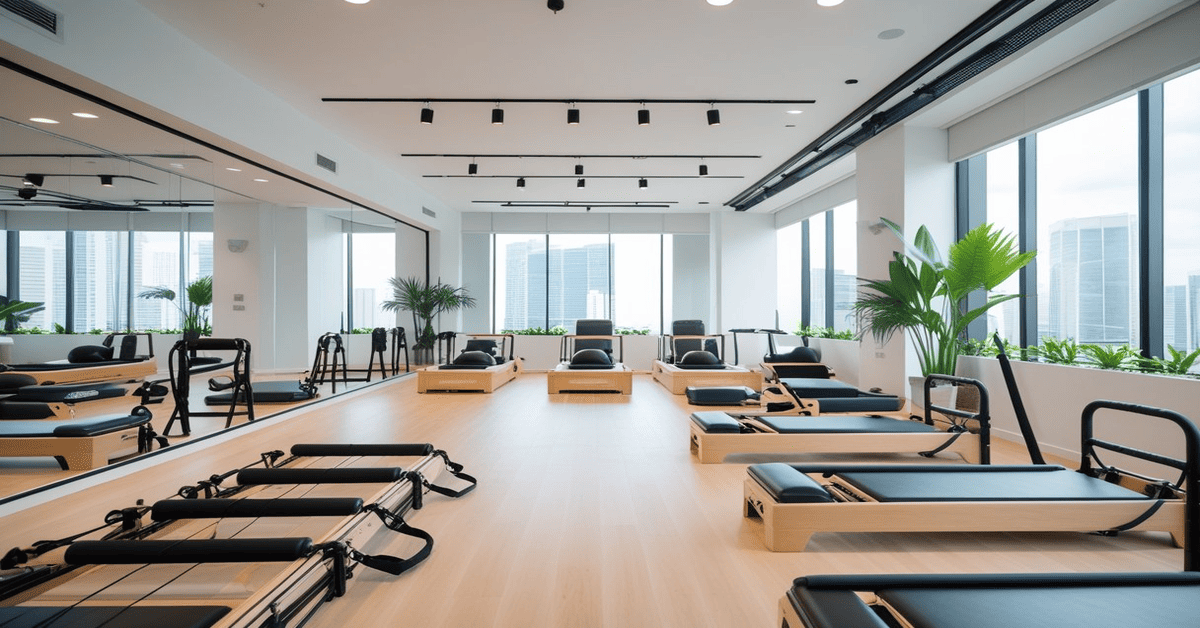
MAD Collection operates out of Robinson Square, right in the CBD, which means you can rally the office after work without a complicated travel plan. They run aerial arts classes—pole dancing, lyrical dancing, and aerial hoop—that sound intimidating but are designed to pull even the most self-conscious colleague out of their shell.
The studio splits its weekday hours into lunchtime and evening slots, so a team can book a quick midday reset or a proper after-hours session. What really sticks is how the act of trusting your own body, and then the person spotting you, quietly reshapes the dynamic back at the office. No forced icebreakers, just the shared relief of getting through a routine together.
If your team has been stuck in back-to-back meetings and needs something that is physical but not competitive, this is the one.
- Address: 144 Robinson Road, Robinson Square #10-01, #11-01, #13-02, Singapore 068908
- Hours: Mon–Fri 12pm–2pm, 6pm–9:30pm; Sat & Sun 9am–6pm
- Contact: +65 9128 2166 (WhatsApp)
- Website: MAD Collection
Block one lunch hour. The studio is a short walk from Tanjong Pagar MRT. You finish, you return to your desk, no awkward drinks after. Suits a small team that needs a quick reset—best for groups under ten.
Axe Factor

Axe Factor sits inside Mess Hall on Sentosa, and walking in feels more like a private club than a team bonding venue. Throwing an axe at a wooden target is oddly calming—the thud, the reset, the quiet focus. Instructors run a proper safety crash course before anyone picks up an axe, and the whole session leans into strategy and light-hearted rivalry without ever getting too bro-ish.
They have a national business award to their name and the kind of instructor team that remembers everyone’s grip style. Plan this for a team that has one too many chatty facilitators in their recent memory and just wants a straightforward, satisfying activity. After an hour, even the quietest intern will be cheering for a bullseye.
No paid entries here. If we have missed a good one, tell us and we will look into it.
- Address: 2 Gunner Ln, #02-04/05 Mess Hall Sentosa Blk 17, Singapore 099567
- Hours: Mon–Sat 10am–8pm
- Contact: +65 8923 8945
- Website: Axe Factor
Get to Sentosa by 4pm, wrap up before the dinner crowd. Closed-toe shoes mandatory—no slippers, no excuses. The session demands focus, so leave the phones in the locker. Perfect for teams that need a clear head.
Cohesion SG

Cohesion SG is the call when your team is competitive in a let’s-settle-this kind of way, and you need a format that channels that energy into something useful. Based at Jalan Benaan Kapal, they run laser tag, archery tag, bubble soccer, and sword tag—all customisable, all designed to make everyone communicate whether they like it or not.
One reason Fortune 500 companies keep booking them is that the facilitators know how to read the room. A session can get loud and messy, or it can tilt more tactical and debrief-heavy. They operate daily until 11pm, so a late slot after a heavy workday is genuinely doable. If your team groan when they hear “trust fall,” give them bubble soccer and see what happens.
Speaking of letting off steam, after a solid workout some teams might appreciate knowing where to find Finest Mala Steamboat Experiences in Singapore for a fiery post-game meal.
- Address: 38 Jalan Benaan Kapal, Singapore 399635
- Hours: Daily 9am–11pm
- Contact: +65 9620 0787
- Website: Cohesion SG
Schedule this for a Saturday morning. The fields are all indoors with aircon, so you skip the heat. Tell your team to wear covered shoes and bring extra socks—bubble soccer can get sweaty. No fitness test, just turn up.
Latin Dragons

Latin Dragons operate out of Stadium Place, right by the Kallang basin, and the whole point is getting a team into a dragon boat, matching strokes, and not capsizing. It sounds basic until you are the one in the middle seat realising that if you paddle half a beat late, the entire boat wobbles. That is where the team-building kicks in.
They are a passionate collective, not a corporate vendor, so the experience has the feel of joining a club rather than attending a paid event. Sessions are outdoors, on the water, and best booked via their website contact form so they can match timing to your group. This one suits a team that already gets along and wants to be reminded why—it is about synchrony, not about hashing out office politics.
- Address: 10 Stadium Place, Singapore 397774
- Hours: Enquire via website contact form
- Website: Latin Dragons
Book the 8am slot. The water is calm, the sun is still kind. You paddle for exactly 45 minutes—then you shower, change, and head to work. Pack light: towel, dry clothes, no jewellery. Leave valuables at home.
Red Dynasty Paintball Park

Red Dynasty Paintball Park is tucked into Orchid Country Club, and it is the only venue on this list that can swallow a gathering of up to 300 people without breaking a sweat. They run both gel ball and paintball missions—domination, team deathmatch, the works—with safety protocols tight enough that even the company risk-avoider will relax.
What makes it worth the trip north is how well the facilitators set the tone. Briefings are clear, the marshalling is firm without being dreary, and by the second round even the COO is crouching behind a barrier yelling coordinates. This is for the department that needs to blow off significant steam, or the annual company day where half the office wants action and the other half just needs a shaded bench and cold drinks.
If the plan includes dinner after, you might also browse Catering Buffets in Singapore for a fuss-free group meal.
- Address: 1 Orchid Club Road, Orchid Country Club, Singapore 769162
- Hours: Daily 9am–6pm
- Contact: +65 6755 7537
- Website: Red Dynasty Paintball Park
Take a half-day leave. The drive to Yishun is worth it when the field is empty on a weekday morning. No tanks, no athletic heroes needed—just crouch behind a barricade and shoot. Covered arms, covered legs, drink water before.
SerendipET

SerendipET is for the team that has sat through too many trust exercises and raised an eyebrow through all of them. Based in Ubi, they design bespoke programmes that mix adventure and introspection—kayaking expeditions, goal-setting exercises, guided reflection—and they adapt the physical demands to different fitness levels so nobody stands at the side feeling paiseh.
The difference is in the intent. The activities are built around defining shared goals and discovering how the group actually collaborates under gentle pressure. This works when a new team is forming and needs to understand each other’s working styles without the noise of a KPI spreadsheet. Their weekend hours open at 8am, which suits early-bird groups who want to finish before the sun gets punishing.
No paid entries here. If we have missed a good one, tell us and we will look into it.
- Address: 57 Ubi Ave, 1 #06-09, Singapore 408936
- Hours: Mon–Fri 9am–6pm; Sat & Sun 8am–1pm
- Contact: +65 8885 5463
- Website: SerendipET
Only pick this when you have a full day. The facilitators push deeper than just games—they will make your team talk about real work blocks. Not for the casual Friday. Show up fed, rested, and ready to take notes.
J² Terrarium

J² Terrarium runs private workshops out of an A’Posh Bizhub unit in Yishun, and the whole experience is a quiet anchor in a city that rarely stops humming. Teams of 10 to 30 people sit with hosts Jason and Joy, layering tropical plants with decorative sand and stones, building a tiny garden each person gets to take home.
It is a by-appointment setup, so the session is yours alone. There is no loud music, no facilitator clapping for attention—just steady instructions and the kind of calm that lets a team chat properly for the first time in weeks. This is the pick when morale is flatter than a weekday roti prata and the team needs a shared, pressure-free win. Afterwards, someone will inevitably talk about whose terrarium looks the most atas, and that is the point.
If the team is more about food than foliage, you might also enjoy our guide to Romantic Restaurants in Singapore—some ideas double nicely for a boss’s farewell dinner.
- Address: 1 Yishun Industrial Street 1, #04-33 A’Posh Bizhub, Singapore 768160 (by appointment)
- Hours: Daily 10am–5pm
- Contact: +65 9792 4464
- Website: J² Terrarium
How to choose
Start by asking the one question most teams skip: do we want to sweat through this or just enjoy each other’s company? Red Dynasty and Cohesion SG will leave your group breathless and bonded through shared adrenaline. Axe Factor offers a similar release with less running. Latin Dragons is physical but rhythmic—great for teams that want to be outdoors without the combat framing. MAD Collection and SerendipET sit in the middle, blending physical activity with introspection and creative expression. J² Terrarium is the calmest of the lot, ideal for smaller groups who have been through the wringer and need a reset.
Group size matters a lot. J² Terrarium tops out at 30, while Red Dynasty can handle up to 300. Check minimums too—some providers need a certain headcount to make a private session work. Price signals are worth asking about directly; most customise packages based on duration, group size, and any extras like catering or transport. A fair range for most corporate sessions lands between $40 and $120 per person, but always confirm because add-ons shift the figure quickly.
Location is the other practical filter. MAD Collection at Robinson Road and Axe Factor on Sentosa suit teams that want to minimise travel or make a half-day trip feel like an outing. Latin Dragons and Red Dynasty are a bit further out but reward the journey with fresh air and open space. SerendipET and J² Terrarium are in heartland industrial zones—unassuming from the outside, which makes the experience feel like a private find. Cohesion SG’s Jalan Benaan Kapal spot is central enough for most groups while still offering indoor and outdoor flexibility.
| Provider | Activity type | Max group size | Physical intensity | Typical location | Booking lead time |
|---|---|---|---|---|---|
| MAD Collection | Aerial arts | Check with the business | Moderate | Robinson Road (CBD) | Check with the business |
| Axe Factor | Axe throwing | Check with the business | Low to moderate | Sentosa | Check with the business |
| Cohesion SG | Tag sports & bubble soccer | Check with the business | High | Jalan Benaan Kapal | Check with the business |
| Latin Dragons | Dragon boating | Check with the business | High | Kallang | Enquire via website |
| Red Dynasty | Paintball & gel ball | Up to 300 | High | Orchid Country Club | Check with the business |
| SerendipET | Bespoke outdoor programmes | Check with the business | Adaptable | Ubi and offsite | Check with the business |
| J² Terrarium | Terrarium workshops | 10 to 30 | Low | Yishun | By appointment only |
Summary
The seven team building experiences here cover every vibe your workplace might actually want: loud and competitive, quiet and creative, or somewhere in between. Pick one that matches your team’s real energy level and group size, and it stops being a mandatory function and starts being something people look forward to. For those times the team just wants a good meal together, our guide to Finest Waffle Ice Cream Experiences in Singapore is a sweet way to round off any outing.
Disclaimer: All information provided here has been compiled from publicly available sources. While we have made every effort to ensure accuracy, we do not guarantee that the information is complete or error-free. We disclaim any liability for inaccuracies or omissions. Details can change—always confirm directly with the business.
Frequently asked questions
This is the slow-down option. Head up to Yishun on a Sunday, forget the schedule. The session runs two hours—no rush. Leave with a glass jar that sits on your desk for months. Perfect for a team that has been running on empty.
What is a good team building activity for a small group?
J² Terrarium works beautifully for groups of 10 to 30. The private workshops are calm and collaborative, and everyone leaves with a handmade terrarium.
Which team building option is best for a very large company event?
Red Dynasty Paintball Park can host up to 300 participants, with structured missions and safety protocols that keep a big crowd moving smoothly.
Are there team building activities that do not involve running or heavy exercise?
Plenty. Axe Factor is low-impact and skill-focused. J² Terrarium is seated and creative. MAD Collection’s aerial classes are physical but not about cardio or competition.
Can we customise the programme or mix different activities?
Cohesion SG and SerendipET both specialise in tailoring sessions. You can discuss your group’s goals and preferred intensity level directly with them.
How far in advance should we book?
It varies. Popular slots fill up, especially on Fridays and weekends, so reaching out three to four weeks ahead is sensible. J² Terrarium and Latin Dragons both require advance booking via appointment or enquiry.
Is there an indoor option if the weather looks bad?
Yes. MAD Collection, Cohesion SG, Axe Factor, and J² Terrarium all run sessions indoors. Red Dynasty runs rain or shine with covered marshalling areas.