Last updated 7 August 2026. This page was reviewed on that date. Prices, rates and opening hours change often in Singapore — confirm anything that matters directly with the business before you travel or spend.
Quick answer: Whether you’re setting up a dedicated KTV room or just want a portable speaker for impromptu sessions, Singapore has solid home karaoke options. Teo Heng gives you that familiar KTV feel without the rental fees, while JazPiper’s soundbar blends into a modern living room. For a full professional rig with voice scoring, MB Karaoke’s KTV-888 series is the one to beat. Each system here serves a different vibe, so there’s something for every type of host.
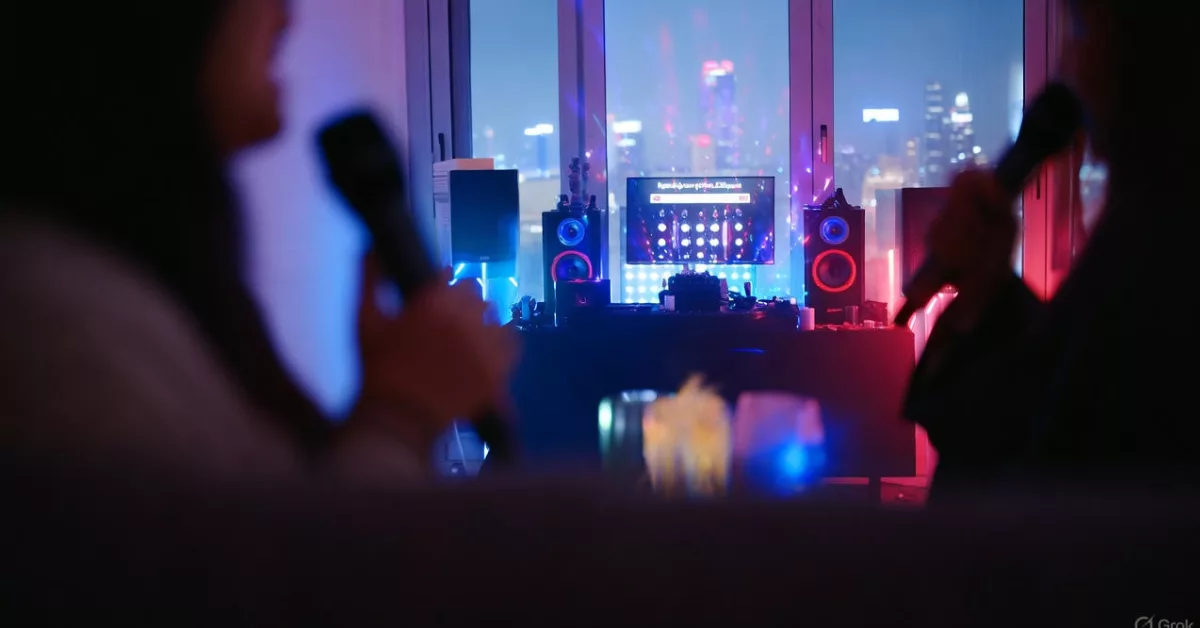
Bringing a karaoke system home means one thing — permission to be loud, extra, and completely off-key without any stranger hearing through the wall. The real question isn’t whether it sounds like studio equipment (it won’t), but whose plans it suits: the serious setup in the spare room, or the speaker that lives in the boot until someone jios a BBQ. Here’s how to pick your flavour.

This is one of 24 guides in Best Audio, TV & Gaming in Singapore — start there if you would rather compare before you commit.
Teo Heng
You’d be hard-pressed to find a Singaporean who hasn’t stumbled out of a Teo Heng KTV studio past midnight. Now they bring that same no-nonsense karaoke experience home with their WASUKA packages – a dedicated song machine, amplifier, proper speakers, and wireless mics that don’t screech when you get loud. Setup is straightforward, the sound is clear, and the price tag won’t make you wince. Steady lah.
If your Friday nights are all about gathering the kakis and running through Stefanie Sun’s entire discography, this is the one. No subscription hoops to jump through, just plug in and go.
- Address: 865 Mountbatten Road #02-13/14/15/55/56, Katong Shopping Centre, Singapore 437844 (More branches available here)
- Phone: (65) 6344 4383
- Hours: Daily: 11am – 8pm
- Price signal: Often the value pick for a full system
- Teo Heng website

The natural first stop for anyone who grew up on heartland KTV sessions and now wants that same fuss-free energy at home. This is for the household that respects singing as a legitimate Friday night plan. The setup doesn’t make you feel like a sound engineer, and that’s the whole point.
Powerhouse
Powerhouse sits over at Senang Crescent and they’re fixated on giving you a huge song library without sneaking a subscription fee into the deal. The UBOX Slim Starter system bundles slim speakers, a subwoofer that adds weight to the bass, and a song list that gets topped up weekly across 17 languages – which means your uncle’s old Hokkien favourites and your niece’s latest K-pop hit both make the cut.
If you hate the idea of monthly payments and want something that stays fresh without you lifting a finger, this is your pick.
- Address: 43 Senang Crescent, Singapore 416611
- Phone: 8866 0808
- Hours: Daily: 10:15am – 8pm
- Price signal: Mid-range; no recurring costs
- Powerhouse website

A good match for multi-generational homes where the queue jumps from dialect ballads to the latest chart hits without anyone needing to download a different app. The offline library is the quiet hero here — no buffering, no password sharing, just turn it on and pass the mic.
JazPiper
JazPiper’s showroom is inside Grantral Mall, and their standout is a karaoke soundbar that doesn’t scream “KTV equipment” the moment someone walks into your living room. The PRO Family Karaoke Soundbar slips under your TV, links to a phone app, and pulls songs from a cloud library that refreshes daily. The UHF wireless mics feel serious, and the whole thing keeps your coffee table free of wires and boxes.
If your home leans more atas minimalist than party pad, this is the one that won’t ruin the aesthetic. Great for smaller flats where you still want the full karaoke thrill.
- Address: 601 MacPherson Road, Grantral Mall, #04-06, Singapore 368242
- Phone: 8772 2396
- Hours: Monday to Friday: 11am – 8pm
- Price signal: Mid-to-upper range for a soundbar system
- JazPiper website
Editorial round-up, not a directory listing. Missed someone worth knowing about? Send it our way.

The TV console already has a certain look, and nobody wants a gadget that screams ‘KTV lounge’ at visiting relatives. The soundbar approach makes sense when your living room is also your dining room and your Zoom background. It’s the host who plans the ambience first and the volume second.
AC Ryan
AC Ryan is born-and-bred Singaporean, operating out of Ubi. Their Gen 3 Karaoke System crams a lot into one compact all-in-one box – vocal boost that lifts your voice above the instrumental, real-time performance scoring so you can see how you did, and Bluetooth streaming so your song choices are practically endless. The bass is punchy for its size, and the vocal clarity means you’ll hear every note (which could be good or jialat, depending).
Perfect for the gadget-inclined singer who wants data on their performance, or just someone who wants a clean, single-box solution that doesn’t need a separate amplifier rack.
- Address: 3023 Ubi Road 3, Ubiplex 1, Singapore 408663
- Phone: 6337 5587
- Price signal: Mid-range, feature-packed
- AC Ryan website

Suits the homebody who genuinely wants to know if they hit the note or just believed they did. The scoring feature turns a solo session into a gentle challenge, and because the whole system fits in one compact unit, it works even in a bedroom setup where floor space is more of a negotiation than a fact.
MB Karaoke
MB Karaoke operates out of Midview City and they’re all about bringing the full-blown KTV lounge quality into your home. The KTV-888 series comes with a touchscreen, voice recognition, song scoring, and a library that doesn’t ask for a subscription. They throw in a 3-year warranty, free delivery, and installation – so you just wait for the doorbell and start belting out your go-to Jay Chou tracks.
If you’ve got a dedicated room for karaoke – or you’re building one – this is the setup that’ll make your neighbours curious. Serious home entertainers, this is your stage.
- Address: 22 Sin Ming Lane #05-83, Midview City, Singapore 573969
- Phone: +65 6970 7853
- Hours: Daily: 12pm – 9pm
- Price signal: Higher-end, professional-grade
- MB Karaoke website

Picture a household that has already mentally allocated a corner of the room as the ‘stage’. This leans into the full lounge feel — touchscreen, voice search, the works. The installation team handles the cables and calibration, so the first song you hear through it can be yours, not a test tone.
Moukey
Moukey is online-only, but their portable machines are built for Singaporeans who like to move the party around. The MTs10-2 rocks a 10-inch woofer, dual wireless mics, and LED lights that pulse with the beat – a bit like a mini KTV on wheels. Charge it up, chuck it in the car boot, and suddenly your chalet BBQ just got a lot louder.
This is the spontaneous host’s best friend. The one you bring to potlucks, birthday picnics, or that weekend trip to Batam.
- Address: Online-only service accessible to Singaporeans.
- Price signal: Budget-friendly portable option
- Moukey website

The one you grab when someone says chalet and everyone else thinks BBQ but you think after-dinner entertainment. The wheels and battery mean the party floor plan can shift on a whim, and those reactive LED lights do a lot of work making a void deck or campsite feel momentarily atas.
JYX
JYX is another online-only brand that specialises in portable Bluetooth karaoke speakers. These things are light, rechargeable, and come with LED lights and adjustable bass and treble so you can tune it a little. Customers often buy them as gifts – imagine receiving a karaoke speaker for your birthday, steady, now everyone has to sing.
Perfect for outdoor use, family picnics, or if you want something that can move from the living room to the bedroom for a solo session when everyone else is asleep.
- Address: Online-only service accessible to Singaporeans.
- Price signal: Affordable portable option
- JYX website

Editorial round-up, not a directory listing. Missed someone worth knowing about? Send it our way.
How to choose
Start with space: a full KTV-888 rig needs a dedicated corner or room, while a soundbar from JazPiper or a compact AC Ryan unit fits much better into a typical HDB living room. If portability matters – maybe you sing on the balcony or bring the system to gatherings – Moukey and JYX are the clear go-tos.
Song libraries vary, too. Cloud-based models refresh daily; built-in ones are fixed but cover the hits you actually want. Check if you need a subscription – many here don’t require one, but confirm before you commit. If you value audio clarity for both singing and movies, you might want to explore our guide to Soundbar Brands in Singapore for Elevated Home Entertainment. For a more cinematic setup that still handles karaoke, our roundup of Home Theatre Systems in Singapore for Audio-Visual Indulgence is worth a look.
Installation is another divider: MB Karaoke and Teo Heng offer on-site setup, while most others are plug-and-play. Price-wise, you’re looking at a few hundred dollars for a decent portable speaker up to a couple of thousand for a full system with professional-grade audio and scoring features.
And if you’d rather leave the house, we’ve also collected the Premier Karaoke Destinations in Singapore for Entertainment for a night out.
Comparison at a glance
| System | Key Feature | Ongoing Subscription | Warranty | Best For |
|---|---|---|---|---|
| Teo Heng | WASUKA package, familiar KTV feel | None mentioned | Standard | Families, value seekers |
| Powerhouse | UBOX Slim, weekly updates, 17 languages | None | Check with business | Song update fans |
| JazPiper | PRO Karaoke Soundbar, daily cloud updates | Check with business | Check with business | Design-conscious, small spaces |
| AC Ryan | Gen 3 all-in-one, vocal boost, scoring | None mentioned | Check with business | Tech-savvy singers |
| MB Karaoke | KTV-888, touchscreen, voice recognition | None | 3-year | Dedicated home KTV rooms |
| Moukey | MTs10-2 portable, 10″ woofer, LED lights | None | Check with business | Parties on the go |
| JYX | Portable speaker, rechargeable, LED lights | None | Check with business | Outdoor use, gifting |
Summary
Whether you’re chasing that authentic KTV feel with a full MB Karaoke setup or just want a portable party starter from Moukey, there’s a home karaoke system in Singapore to match your space and budget. Think about how often you’ll use it and where it’ll live – then let the singing start.
Disclaimer: All details are provided here for reference and can change. Confirm operating hours, pricing, and availability directly with the business before making a decision.
Read next
Frequently asked questions
A thoughtful present for the friend who already hosts everything anyway — now you’re just giving their gatherings a soundtrack. Light enough to move from living room to picnic mat without a second trip, and the adjustable sound controls mean someone can actually tune it to the space instead of just hoping for the best.
Which home karaoke system works best in a small HDB flat?
JazPiper’s soundbar and AC Ryan’s compact Gen 3 are designed to sit discreetly in smaller living rooms without overwhelming the space. Both deliver clear, room-filling sound from a clean footprint.
Do I need to pay a monthly subscription for these systems?
Many of the listed systems – Teo Heng, Powerhouse, MB Karaoke – include sizable built-in song libraries that do not require a subscription. For cloud-based models like JazPiper, check with the business to confirm the latest terms.
Can I bring any of these outdoors?
Yes, the portable options from Moukey and JYX are lightweight, rechargeable, and built for balconies, picnics, and chalet stays. Just charge them up and grab the wireless mics.
Is professional installation included?
MB Karaoke bundles free delivery and installation with their KTV-888 series. Many other systems are plug-and-play, but some retailers like Teo Heng may offer on-site setup – it’s best to ask when you order.
What’s the price range for a decent home karaoke setup?
You can get a solid portable speaker for a few hundred dollars, while a full professional system with scoring and a touchscreen can run into the low thousands. The sweet spot for a mid-range setup with good audio quality and a large song library sits between $800 and $1,500.
Do these systems include regular song updates?
Powerhouse adds new songs weekly, JazPiper refreshes its cloud library daily, and AC Ryan uses Bluetooth streaming so you can always access new tracks. Fixed-library systems typically cover the most-requested hits but don’t update automatically.