Last updated 7 August 2026. This page was reviewed on that date. Prices, rates and opening hours change often in Singapore — confirm anything that matters directly with the business before you travel or spend.
Quick answer: The top tables at AMK Hub are Mincheng Bibimbap for hearty Korean stone-pot rice, Chicken Pie Kitchen & Don Signature Crab for old-school pies and crab bee hoon, and The White Tiffin for Peranakan comfort food from breakfast till dinner. For quicker bites, Bingz and Fong Sheng Hao bring crispy Chinese burgers and Taiwanese charcoal-grilled toast, while Talad Thai Banana and Sukiya Gyudon cover street snacks and halal Japanese beef bowls.
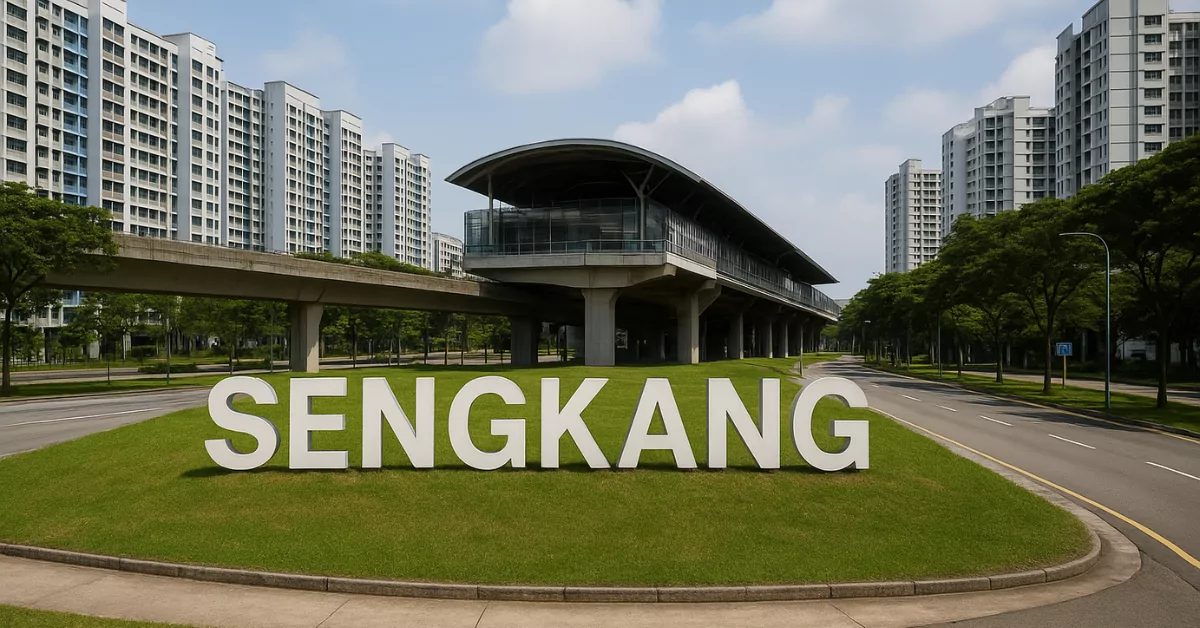
AMK Hub is right smack in the heart of Ang Mo Kio, so the food options are a mix of quick bites and proper sit-down meals. Whether you’re grabbing a snack after running errands or meeting a friend for a proper lunch, there’s something that works. The mall’s layout means you’ll find most of these restaurants on the first floor or basement, so you don’t have to trek too far.

This is one of 36 guides in Best Food in the East & North-East of Singapore — start there if you would rather compare before you commit.
Mincheng Bibimbap

Mincheng Bibimbap sits on the first floor of AMK Hub, drawing a steady lunch crowd for its Chinese-Korean stone-pot rice. The fuss-free setup means you order at the counter, grab a tray, and dig into a piping-hot bowl while the rice crusts up against the stone.
Go for the Angus Marbled Beef Bibimbap if you want something richer, or the Spicy Squid Bibimbap when you need a proper kick. Every main comes with free-flow rice, soup, and kimchi, so nobody leaves hungry. The Hotplate Tofu is a good side if you are eating with someone who prefers things less spicy.
This is the kind of place you bring your parents when they say they want Korean food but actually mean they want something familiar, warm, and generous. The open kitchen lets you watch the team at work, and the queue moves fast even at peak hours. It suits families, solo diners who want a one-bowl meal, and anyone who believes a good lunch should fill you up without emptying your wallet.
Craving something hot and satisfying when lunching alone? This is the spot. The stone pot stays sizzling, so you can take your time scraping the crispy rice at the bottom. It’s a fuss-free counter-service setup, so you won’t feel paiseh dining solo.
Address: 53 Ang Mo Kio Ave 3, #01-25/26, AMK Hub, Singapore 569933
Hours: Daily 11:30am – 9:30pm
Price: Mains from around $10, with free-flow sides
Phone: +65 8565 8575
Website: minchengbibimbap.com
This round-up is editorial. Suggestions are welcome – tell us what you offer and where.
Chicken Pie Kitchen & Don Signature Crab

Down at B2, Chicken Pie Kitchen & Don Signature Crab is where Chef Don Lim keeps the Don Pie legacy alive. The glass display shows off rows of golden chicken pies, and you will see aunties buying half a dozen at a go to bring home.
The Chicken Pie is the thing to get: flaky, buttery crust wrapped around chicken and vegetables in a creamy sauce. If you are eating in, add the Crab Bee Hoon Soup or the Prawn Laksa Bee Hoon. The bee hoon soaks up the broth in a way that makes you wonder why you do not eat this every week. The crab is generous, the kind of dish that makes a Tuesday dinner feel like a small celebration.
This is a good pick for anyone who grew up eating Don Pies and wants to introduce their kids to the same taste. It works for a quick solo lunch, but the seafood dishes are better shared. Prices are reasonable for the quality, and you can call ahead to order whole pies for a gathering. If you enjoy this kind of heritage cooking, you might also like our guide to Local Restaurants in Singapore.
When you need to bring something back for the family, those golden chicken pies are a sure win. But if you can spare some time, eating in lets you have the crab bee hoon soup while it’s piping hot. The aunties here are pros at packing pies securely, so nothing gets squashed.
Address: 53 Ang Mo Kio Ave 3, #B2-44, AMK Hub, Singapore 569933
Hours: Daily 10am – 9pm
Price: Pies from around $5; seafood mains from $10
Phone: +65 6993 3333
Website: chickenpie.sg
Talad Thai Banana

Talad Thai Banana is a snack kiosk on B2, but do not walk past it. The smell of frying batter hits you first, and then you see the trays of golden fried bananas, yam chips, and sweet potato balls coming out fresh.
The Fried Bananas are the main draw: sliced thin, dipped in a light sesame-seed batter, and fried until the outside shatters and the inside is soft and sweet. The Yam Chips and Sweet Potato Balls are just as moreish. Everything is fried to order in small batches, so you wait a few minutes and get it hot. It is a few dollars for a paper bag that you will finish before you reach the escalator.
This is the kind of treat you grab after grocery shopping or while waiting for a movie. It is also a clever way to end a meal at the mall – skip the restaurant dessert, swing by here, and walk out munching something warm. Good for kids, good for a date where you do not want to sit down, good for anyone who believes fried bananas are an essential food group.
It’s hard to walk past without stopping – the aroma of freshly fried batter is that inviting. Grab a small bag of the sliced fried bananas and eat them while you wander the mall. They’re crisp on the outside, warm and soft inside, and never oily. Perfect for a quick sweet fix when you’re feeling peckish.
Address: 53 Ang Mo Kio Ave 3, #B2-17, AMK Hub, Singapore 569933
Hours: Daily 11am – 9pm
Price: Snacks from a few dollars
Website: taladthaibanana.com
This round-up is editorial. Suggestions are welcome – tell us what you offer and where.
The White Tiffin

The White Tiffin on level one opens at 7am, which makes it the earliest proper sit-down option in the mall. The space is done up with a retro Peranakan feel, and the menu pulls from Chinese and Nyonya home cooking. The Tiffin Sampler is the smartest way to eat here: a tray with Grandma’s Curry Chicken or Signature Beef Rendang, jasmine rice, and seasonal vegetables. It arrives looking like something your grandmother would serve, if your grandmother had a plating team. Breakfast runs with Silverfish Porridge and kaya toast, so it covers both ends of the day well.
This is the spot to bring out-of-town relatives who want local flavours without the hawker-centre heat. Also good for a quiet weekday breakfast before the mall gets busy. The Rendang is tender enough to eat with a spoon, and the curry is the kind that makes you order extra rice. If you like this, our South Indian Restaurants in Singapore guide has more rice-and-curry leads.
If you’re at the mall early, this is where you go for a proper sit-down breakfast that feels a bit more special. The Peranakan-inspired setting is calm, and the Tiffin Sampler lets you taste a few dishes without having to decide. It’s comfort food that reminds you of home-cooked meals.
Address: 53 Ang Mo Kio Ave 3, #01-04/05, AMK Hub, Singapore 569933
Hours: Daily 7am – 9pm
Price: Tiffin Sampler from around $12; breakfast from $5
WhatsApp: +65 8309 4349
Email: [email protected]
Website: thewhitetiffin.com
Bingz

Bingz is a Chinese burger chain on the first floor, and the concept is simple: crispy, flaky buns baked fresh and stuffed with fillings like the Signature Pork Burger or Black Pepper Beef & Mushroom. The bun is the star – it cracks when you bite it, and the layers inside are soft and warm.
There are also Hot & Sour Noodles if you want something soupy and spicy. Portions are made for one person, so it is a quick in-and-out meal. You can grab a burger and a drink and be done in under twenty minutes. The flavours are bold, the kind of thing that wakes you up on a sluggish afternoon.
This is a solid pick for a solo lunch when you are shopping alone, or a casual dinner before catching a film. It suits anyone who likes the idea of a burger but wants something different from the usual beef patty and sesame bun. Similar quick-bite energy can be found along Restaurants on Club Street in Singapore if you are heading into town.
When you need a quick one-hand meal between errands, Bingz is your answer. The flaky bun shatters with each bite, and the fillings are generous. It’s counter service, so you’ll be in and out fast. The Hot & Sour Noodles add a soupy kick if you want something more substantial.
Address: 53 Ang Mo Kio Ave 3, #01-21/22, AMK Hub, Singapore 569933
Hours: Daily 10am – 10pm
Price: Burgers from around $6
Phone: +65 8547 7783
Website: sg.bingz.com
Fong Sheng Hao

Fong Sheng Hao, right next to Bingz on the first floor, is a Taiwanese toast and tea shop that opens at 8am. It made its name in Taipei’s breakfast scene and brought the same charcoal-grilled toast and house-made breads to Ang Mo Kio.
Order the TW Special Pork Patty Toast – a juicy pork patty between two slices of toast grilled over charcoal until the edges are crisp. The Salted Egg Chicken Rice is a good savoury option later in the day, and the Signature Milk Tea is the right level of sweet and creamy. Everything is made to order, so you wait a few minutes, but the toast comes out hot and the tea is fresh.
This is a breakfast that feels like a small treat rather than a rushed grab-and-go. Good for couples who want a slow start on a weekend, or anyone who misses the Taipei breakfast run. If you are planning a day out, our Restaurants in Robertson Quay guide covers good dinner options by the river.
This is your morning pick-me-up spot, with toast that carries a smoky edge from the charcoal grill. The pork patty toast is filling but not heavy, and the serving is just right for a solo breakfast. If you’re there later in the day, the salted egg chicken rice is a savoury alternative.
Address: 53 Ang Mo Kio Ave 3, #01-23/24, AMK Hub, Singapore 569933
Hours: Daily 8am – 10pm
Price: Toasts and rice dishes from around $6
Phone: +65 9757 8550
Website: Fong Sheng Hao on Facebook
Sukiya Gyudon

Sukiya Gyudon is Japan’s largest gyudon chain, and the AMK Hub outlet is halal-certified. It sits on the first floor and opens at 8am for breakfast sets, which run until 11am. The beef bowls come on Koshihikari rice, and the menu ranges from the Shrimp with Chili Gravy Gyudon to the Teriyaki Salmon Bowl. The beef is thinly sliced and tender, the sauce is balanced, and the bowls arrive fast. If you are eating with a group where some people want spicy and others do not, the menu has enough range to keep everyone happy. It is also one of the few places in the mall where you can get a proper Japanese breakfast set with rice, miso soup, and a main protein.
This is the go-to when you want a reliable, filling Japanese meal that does not require a reservation. Good for families with dietary requirements, students looking for a value lunch, and anyone who likes their beef bowls with a side of consistency. The global chain has over 2,500 outlets, so the system is well-oiled – you know what you are getting, and it tastes the same every time.
For a no-fuss Japanese meal that everyone can enjoy, this is the go-to. The beef bowls are consistent and arrive quickly, making it easy even if you’re with a restless group. The halal-certified menu means no one has to second-guess what they’re ordering, so the whole family can eat together stress-free.
Address: 53 Ang Mo Kio Ave 3, #01-06, AMK Hub, Singapore 569933
Hours: Daily 8am – 10pm (breakfast until 11am)
Price: Gyudon bowls from around $6
Website: sukiya.com.sg
How to choose
The right pick depends on the occasion and who you are eating with. For a sit-down meal with family, The White Tiffin and Chicken Pie Kitchen & Don Signature Crab offer the most comfort – the former for Peranakan tiffin sets from breakfast through dinner, the latter for heritage pies and crab bee hoon that reward sharing. Mincheng Bibimbap is the best middle ground: a casual setup with generous portions and free-flow sides, ideal for a group where appetites vary.
If you are eating alone or want something fast, Bingz and Fong Sheng Hao both deliver strong flavours in under half an hour. Bingz is better for a lunch bite with texture and spice; Fong Sheng Hao suits a breakfast or tea break with its charcoal-grilled toast and milk tea. Sukiya Gyudon is the most versatile of the quick options, with halal certification and breakfast sets that run until 11am.
Talad Thai Banana is not a meal stop – it is a snack kiosk. Treat it as a dessert diversion or a pick-me-up while you are shopping. Most venues here keep prices in the $6 to $15 range for a main, so you can eat well without a big bill. The only one that opens before 10am is The White Tiffin, followed by Fong Sheng Hao and Sukiya at 8am. If you are planning a breakfast meet-up, those are your three choices.
| Restaurant | Best for | Price signal | Opens | Halal |
|---|---|---|---|---|
| Mincheng Bibimbap | Hearty Korean rice bowls, family lunch | Mains from ~$10 | 11:30am | Check with the business |
| Chicken Pie Kitchen & Don Signature Crab | Heritage pies and crab bee hoon | Pies from ~$5; seafood from $10 | 10am | Check with the business |
| Talad Thai Banana | Fried banana and yam snacks | A few dollars | 11am | Check with the business |
| The White Tiffin | Peranakan comfort food, breakfast | Tiffin from ~$12; breakfast from $5 | 7am | Check with the business |
| Bingz | Crispy Chinese burgers, quick bite | Burgers from ~$6 | 10am | Check with the business |
| Fong Sheng Hao | Taiwanese toast and tea, breakfast | Toasts and rice from ~$6 | 8am | Check with the business |
| Sukiya Gyudon | Halal Japanese beef bowls, breakfast | Bowls from ~$6 | 8am | Yes |
Summary
AMK Hub packs a surprising range of eating into one neighbourhood mall. You can start the day with a Peranakan breakfast at The White Tiffin, grab a quick Taiwanese toast at Fong Sheng Hao, and finish with a Korean stone-pot rice at Mincheng Bibimbap – all without leaving the building. Whether you are feeding a family, catching up with a friend, or just treating yourself to a good bowl of beef and rice, there is a table here that fits.
Disclaimer: Details can change. Please confirm opening hours and prices directly with the business before you visit.
Read next
Frequently asked questions
Which restaurant in AMK Hub opens earliest for breakfast?
The White Tiffin opens at 7am daily. Fong Sheng Hao and Sukiya Gyudon both open at 8am, with Sukiya serving breakfast sets until 11am.
Are there halal-certified restaurants in AMK Hub?
Sukiya Gyudon is halal-certified. For the other restaurants, check directly with the business as certifications can change.
Which restaurant is best for a family meal?
Mincheng Bibimbap works well for families with its free-flow sides and generous portions. The White Tiffin and Chicken Pie Kitchen & Don Signature Crab also suit groups, with sharing-friendly dishes like tiffin samplers and crab bee hoon.
Is there a place for a quick snack instead of a full meal?
Talad Thai Banana on B2 sells fried bananas, yam chips and sweet potato balls. It is a kiosk, so you grab a paper bag and go.
Can I order whole pies to take home?
Yes, Chicken Pie Kitchen & Don Signature Crab sells whole chicken pies. Call +65 6993 3333 to place an order ahead.
Which restaurant has the most affordable options?
Bingz, Fong Sheng Hao and Sukiya Gyudon all have mains starting from around $6. Talad Thai Banana is the cheapest overall, with snacks at a few dollars per bag.