Last updated 7 August 2026. This page was reviewed on that date. Prices, rates and opening hours change often in Singapore — confirm anything that matters directly with the business before you travel or spend.
Quick answer: For a meat-free meal that still leaves you full and happy, start with Nalan Restaurant for elegant vegetarian fare or Komala Vilas for old-school charm. If you are after that famous fish head curry on a banana leaf, The Banana Leaf Apolo is the one. Families and late-night cravings are sorted at Ananda Bhavan, and anyone who loves a proper dosai will find their spot on this list.
If you’re after a broader spread of North and South Indian dishes, you might prefer our guide to Indian restaurants that give you more for less.

When your family or friend group is hungry and everyone has a different craving, South Indian restaurants are the steady answer. One wants vegetarian, another needs meat, and the kids just want something that arrives fast. These spots handle that chaos gracefully—portions are generous, the thosai come crisp, and there is always enough sambar to go around. This is where you bring people you want to feed well.
For the full picture, Best Indian & South Asian Food in Singapore collects 20 guides on this subject.
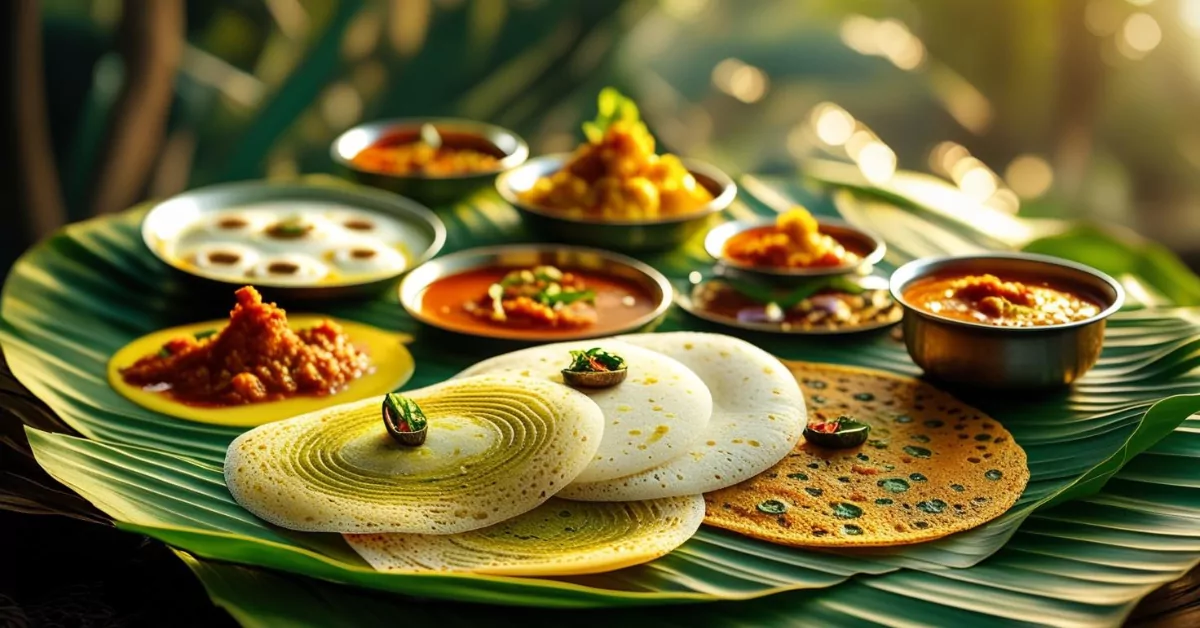
No need to overthink it. Sometimes a meal is just a meal, but on a humid Singapore afternoon, a banana leaf spread with fluffy rice, sambar and crisp vegetables can feel like a small holiday. These seven kitchens each do something quietly well—whether it’s the ghee-soaked idli, the twenty-minute queue for a table, or the waiter who remembers your usual chutney. All of them serve food that respects its roots.
Nalan Restaurant

Nalan Restaurant brings a touch of royal South Indian vegetarian cooking to City Hall, tucked inside Capitol Piazza. The name comes from a legendary chef-king, and the kitchen takes that seriously—spices are fresh, the thosai are crisp, and the idli are famously soft. Go for the podi idli if you like a little kick: steamed rice cakes dusted with a house spice powder that wakes up your whole mouth. They also do a masala thosai that shatters nicely under your fork, served with chutneys that actually taste like coconut and tomato, not just colour.
It is a good place to bring visitors who think vegetarian means rabbit food. The plating is neat, the room is quiet enough to talk, and the menu makes it easy to eat vegan without making a fuss.
- Address: 13 Stamford Rd #B2-54, Singapore 178905
- Phone: +65 9171 8282
- Hours: Daily, 11:30 AM – 11:30 PM
- Website: nalan.com.sg
This round-up is editorial. Suggestions are welcome – tell us what you offer and where.
Choose Nalan when you are meeting someone who appreciates a quieter, air-conditioned setting—ideal for a proper sit-down chat without shouting over street noise. The vegetarian menu feels celebratory, so it works for a birthday lunch or a thank-you meal where you want the surroundings to match the care in the cooking. Everyone leaves feeling properly looked after.
Saravanaa Bhavan

Saravanaa Bhavan is the global brand you trust when you just want a solid, no-surprises South Indian meal. Their outlet on Serangoon Road opens at 7 AM, which means a mini tiffin set—dosa, idli soaking in sambar, pongal or upma, and a little pile of sweet kesari—can land on your table while the morning traffic is still building. The ghee is generous, the spices are balanced, and the coffee is strong enough to jolt you properly.
If you are the type who plans a weekend around breakfast, this is a steady pick. The space is clean, the service moves fast, and nobody rushes you out. It works equally well for a solo lunch or a family table that needs ten different orders.
- Address: Unit 01-12, Centrium Square, No. 320 Serangoon Road, Singapore 218108
- Phone: +65 8262 6793
- Hours: Daily, 7 AM – 11 PM
- Website: saravanaabhavan.sg
This is your early-morning anchor when the family is up at dawn and needs feeding before the day properly starts. The format is reassuringly predictable, which matters when you have tired children or jet-lagged visitors in tow. Everything moves efficiently, so you can be in, well-fed, and out before the mid-morning crowds build.
If a celebration calls for a wider Indian menu and a festive atmosphere, consider our guide to Indian food restaurant celebrations in Singapore.
Ananda Bhavan

Ananda Bhavan has been feeding Singapore since 1924, and it still runs like a clock. The Serangoon Road shop is a reliable anchor when you are hungry at odd hours or need something fast before catching a bus. Their onion masala dosa arrives golden and long, with a sambar that is properly tangy, and the pongal is the kind of warm, peppery comfort that makes you forget you were ever in a
Several outlets stay open round the clock, which is a lifesaver during festive seasons or late-night Little India wanderings. Vegans can eat well here without having to explain anything twice. If you enjoy a bit of history with your meal, browse our guide to Vegetarian Restaurants in Little India, Singapore for more old-timers.
- Address: 448 Serangoon Road, Singapore 218138
- Phone: +65 6299 4466
- Hours: Daily, 7:30 AM – 11 PM (select outlets 24 hours)
- Website: anandabhavan.com
Ananda Bhavan solves the problem of mismatched hunger schedules. When one person is ravenous at 3 PM and another wants an early dinner at 6 PM, the extended hours mean you don’t have to debate. The pace is brisk and the menu is deep, making it a solid choice when you just need to get people fed without complication.
Komala Vilas

Komala Vilas opened in 1947 and still serves meals on metal trays, the way your parents’ parents would recognise. The masala dosa here is what you want when you need the potato filling to be soft and peppery, the dosa thin at the edges and just a little chewy in the centre. Their vegetable biryani set comes with raita and a boiled egg, filling enough to make dinner plans optional.
It is the sort of place where the staff remembers faces, even if you only show up twice a year. The dining room is simple, but the flavours are deep. Many locals bring out-of-town guests here to show off what everyday South Indian cooking tastes like when it is done right. For a different kind of night out, you might also enjoy our picks for Restaurants on Club Street in Singapore.
- Address: 76–78 Serangoon Road, Singapore 217981
- Phone: +65 6293 6980
- Hours: Daily, 7 AM – 10:30 PM
- Website: komalavilas.com.sg
This round-up is editorial. Suggestions are welcome – tell us what you offer and where.
Bring your parents or grandparents here when you want to spark recognition and stories over a meal. The metal trays and the unfussy, peppery potato filling feel like heritage on a plate. It is a reliable place to gather a large multi-generational group because the food arrives efficiently and nobody leaves hungry.
MTR Singapore

MTR Singapore is the little sibling of the legendary Bangalore original, bringing Karnataka-style vegetarian dishes to a corner of Serangoon Road. The rava idli is a must here—steamed semolina cakes that stay soft long after they leave the kitchen, paired with a coconut chutney and a potato saggu that tastes of slow-cooked comfort. Their bisibele bhath is a hearty one-plate meal of rice, lentils and tamarind, and the pudi masala dosa packs a chilli heat that builds slowly.
The place observes a split schedule, so double-check the timing before you go: brunch runs from 8:30 AM to 3 PM, dinner from 5:30 PM to 10 PM, closed on Mondays. It’s a more focused menu than most, which is actually a good thing—every item on it has been refined over decades. If you are looking for dinner by the water afterwards, Restaurants in Robertson Quay might suit the rest of your evening.
- Address: 438 Serangoon Rd, Singapore 218133
- Phone: +65 6296 5800
- Hours: Tue–Sun, 8:30 AM – 3 PM & 5:30 PM – 10 PM (closed Mon)
- Website: mtrsingapore.com
MTR suits the friend who lights up at the mention of Karnataka-style food and wants something beyond the standard dosa. The dishes here are the kind you eat slowly, appreciating how the textures stay right even as the meal stretches on. It is a smaller, more focused experience for a catch-up with one or two kakis.
The Banana Leaf Apolo

The Banana Leaf Apolo is the one to choose when the group includes someone who wants meat, specifically the fish head curry that has anchored this restaurant for over forty years. The gravy is deep red, fiercely spiced, and comes in a claypot that keeps it bubbling all through the meal. Scoop it over rice with okra and cabbage on a banana leaf, and you’ll understand why the queue forms early at the Little India Arcade outlet.
The vegetarian options hold their own too—plain dosai that is actually crisp, not limp, and a creamy vegetable korma that tempers the heat. The room gets loud at peak times, the way a good family kitchen should, and the service is quick enough that you’ll be out the door full and happy in under an hour.
- Address: 48 Serangoon Road, #01-32 Little India Arcade, Singapore 217959
- Phone: +65 6333 6111
- Hours: Daily, 10:30 AM – 10:30 PM
- Website: thebananaleafapolo.com
When half the table wants fish and the other half is vegetarian, this group-order spot ensures nobody compromises.
Murugan Idli Shop

Murugan Idli Shop on Syed Alwi Road is the definition of a low-key, high-reward stop. Idli is the headline, as the name promises, and they arrive as fat, cloud-like pillows with four different chutneys—mild coconut, tangy tomato, mint, and one that bites back. You can eat well for under ten dollars and be out the door in twenty minutes, or you can linger over a second filter coffee and watch the street go by.
It is a good place to duck into after a long walk around Little India, especially if you have been shopping and just want something light, fast, and genuinely satisfying. The menu sticks to classics—dosas, uthappam, vada—done simply. No fuss, no pretense, just well-made vegetarian food that leaves your stomach calm. If you are in the mood for more local-style eating, see our list of Local Restaurants in Singapore for other dependable names.
- Address: 76 Syed Alwi Road, Singapore 207655
- Phone: +65 6298 0858
- Hours: Daily, 9 AM – 11 PM
- Website: Facebook page
How to choose
Think about who is coming with you and what kind of meal you want. Most of these restaurants are strictly vegetarian, so if someone in your group wants fish or chicken, The Banana Leaf Apolo is the natural pick. If everyone is happy with plant-based food, the choice comes down to atmosphere and timing.
For a quiet, polished dinner, Nalan Restaurant or MTR Singapore feel more composed. For breakfast or a casual lunch, Saravanaa Bhavan and Komala Vilas open early and have quick, satisfying thali sets. Late-night eaters should note Ananda Bhavan’s 24-hour outlets. If you are chasing a specific dish—say, the softest idli or the crispiest dosa—Murugan Idli Shop and Nalan are favourites for those. All of them sit around Little India or City Hall, so location rarely rules anyone out. Prices are generally affordable: a full meal runs $8–$15 per person in most places, though some larger seafood dishes at Banana Leaf Apolo may nudge that higher.
Comparison at a glance
| Restaurant | Best for | Must-try dish | Ambience | Opening hours |
|---|---|---|---|---|
| Nalan Restaurant | Elegant vegetarian dining | Podi Idli | Polished, air-conditioned | 11:30 AM – 11:30 PM |
| Saravanaa Bhavan | Reliable classic thalis | Mini Tiffin Set | Clean, casual | 7 AM – 11 PM |
| Ananda Bhavan | Heritage and late-night | Onion Masala Dosa | Simple, brisk | 7:30 AM – 11 PM (some 24h) |
| Komala Vilas | Old-school charm | Masala Dosa | Nostalgic, busy | 7 AM – 10:30 PM |
| MTR Singapore | Karnataka flavours | Rava Idli | Focused, neat | 8:30 AM–3 PM, 5:30–10 PM, closed Mon |
| The Banana Leaf Apolo | Fish head curry & groups | Fish Head Curry | Lively, communal | 10:30 AM – 10:30 PM |
| Murugan Idli Shop | Affordable idli fix | Idli with four chutneys | No-frills, quick | 9 AM – 11 PM |
Summary
Singapore’s South Indian food scene runs deep, and these seven restaurants cover everything from a quick, wallet-friendly idli stop to a leisurely banana leaf curry that becomes the highlight of your week. Pick one close to where you are, go with an empty stomach, and let the sambar flow.
Disclaimer: All information is from publicly available sources. Details can change—always confirm directly with the business before heading down.
Read next
Frequently asked questions
Murugan is your quick-stop answer when you want something hot, soft, and satisfying without a long sit-down. The kind of place you duck into after running errands along the Little India stretch—efficient, unpretentious, and deeply comforting. Perfect for a solo lunch or a fast bite with a friend before you both chiong off.
Which South Indian restaurant in Singapore is best for families?
Ananda Bhavan and Saravanaa Bhavan are both excellent for families: quick service, familiar tiffin sets, and plenty of seating. Ananda Bhavan also has 24-hour outlets, handy if someone gets hungry late.
Are all these restaurants vegetarian?
Most are fully vegetarian. The Banana Leaf Apolo is the exception—it serves fish head curry and other seafood alongside vegetarian options, so it suits mixed groups best.
What should I order for a first visit?
For a safe start, go with a masala dosa or a mini tiffin set. These are staple breakfast and lunch items everywhere on this list and will give you a good feel for each kitchen’s style.
Do I need to book a table?
For most, walk-ins are fine, especially outside peak lunch hours. Nalan Restaurant and MTR Singapore can fill up during weekends, so calling ahead may save you a wait.
Is there a good spot for a quick solo meal?
Murugan Idli Shop is built for exactly that: a fast, affordable idli-and-coffee break. Komala Vilas also works well if you are near Serangoon Road and want a proper tray meal without lingering.
What is the price range like?
Expect to spend $8–$15 per person for a filling meal at the vegetarian restaurants. The Banana Leaf Apolo’s fish head curry for sharing may bring the bill slightly higher, though still reasonable by city standards.