Last updated 7 August 2026. This page was reviewed on that date. Prices, rates and opening hours change often in Singapore — confirm anything that matters directly with the business before you travel or spend.
Quick answer: Singapore has family restaurants that go beyond the usual chicken rice and nuggets. Claudine and Open Farm Community bring a bit of class, Arbora serves hilltop views with a kids’ menu, and Tiong Bahru Bakery Safari lets the little ones loose in a playground while you sip coffee. Whether it’s a birthday or a lazy weekend, these seven spots make eating out with the brood feel less like a mission.
A proper family meal out means one thing: the kids stay happy long enough for you to finish your plate. That takes space, sensible menus, and a dining room that does not feel like a creche. These places get the balance right. Some offer playground line-of-sight. Others give you aircon and a grown-up feed while the little ones tuck into something they will actually eat. Worth knowing before you tapau another zi char home.

Not sure this is the right list? Best Restaurants in Singapore by Occasion has 41 others alongside it.
Claudine
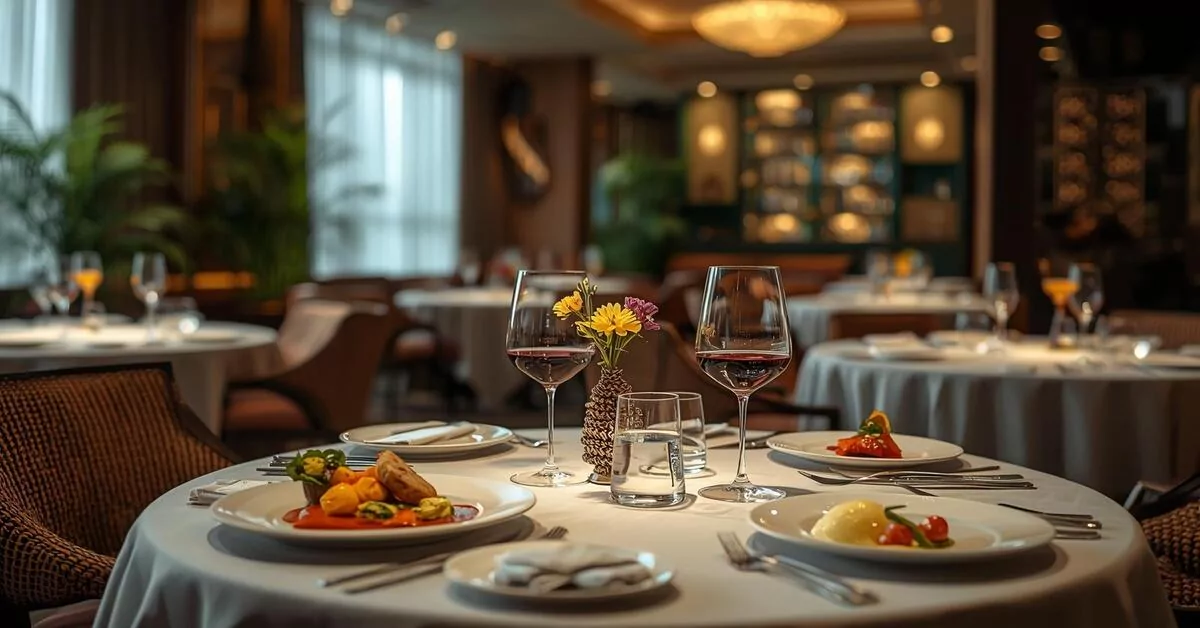
Claudine is a French neo-brasserie inside a restored colonial chapel on Harding Road, a few minutes from the Botanic Gardens. The high ceilings and stained glass give it a quiet, grown-up feel, but the menu is built for passing plates around. Think onion soup, bouillabaisse, steak frites, and a seasonal fish with carabinero prawns and saffron rouille. Kids who eat well will dig into the veal sweetbread vol-au-vent or the chou farci. It’s the sort of place where a Sunday lunch stretches into the afternoon and nobody rushes you.
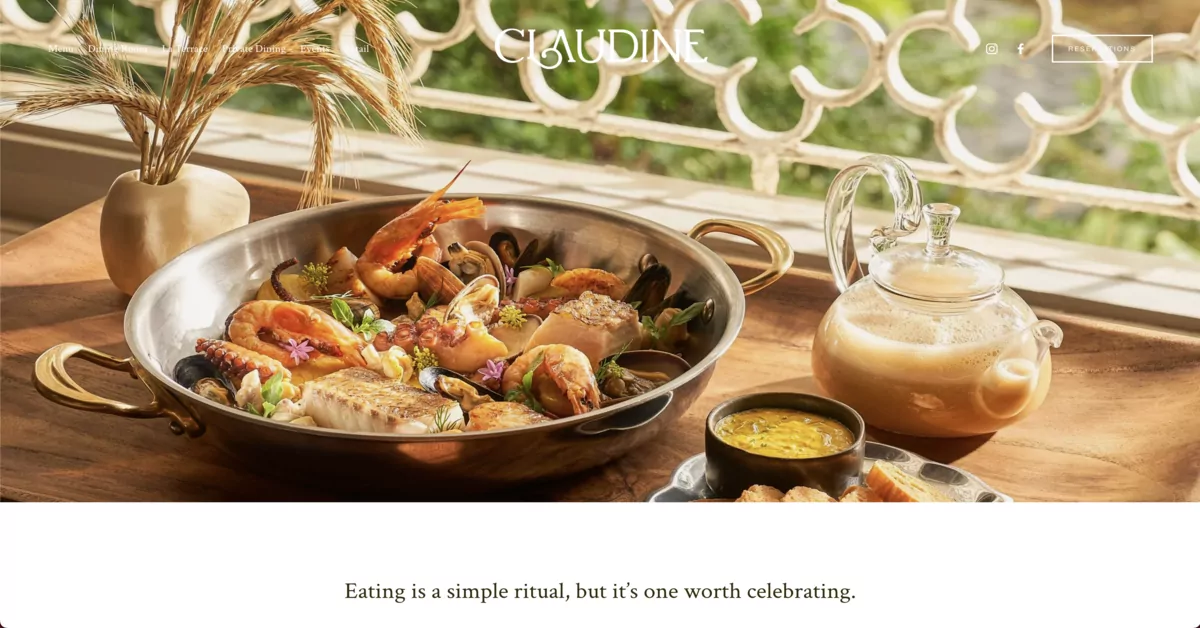
Claudine holds a MICHELIN Selected spot in the 2024 guide, and the produce is sourced from Singapore and the region. If you are marking a birthday or anniversary, the room does the heavy lifting for you – elegant without being stuffy, so the whole family can share and not feel paiseh about it.
This one is for the occasion meal, not the weekly dash. The room feels special without being stiff — high ceilings take the noise, so a bit of child chatter does not travel. Suits families with older kids who enjoy trying what is on your plate. Go at lunch; the light through the stained glass makes the whole afternoon feel like a treat.
Address: 39C Harding Road, Singapore 249541
Phone: +65 8031 9935
Hours: Tue closed; Wed-Fri, Mon 11:45AM–3:00PM & 6:00PM–10:00PM; Sat–Sun 11:30AM–3:00PM & 6:00PM–10:00PM
Price: Fine-dining range
Claudine’s website
Open Farm Community
Open Farm Community sits in a glasshouse beside the Botanic Gardens, surrounded by herbs and greenery. The kitchen pulls produce from local farms and spins it into dishes like red snapper ceviche, hay-smoked chicken, and Thai flower crab pasta. There are plenty of vegan and gluten-free options, and the menu feels genuinely creative rather than preachy. Kids can wander the garden patch while you wait for your “Pure Black” ribeye, and the whole place hums with a relaxed, Sunday‑morning energy.
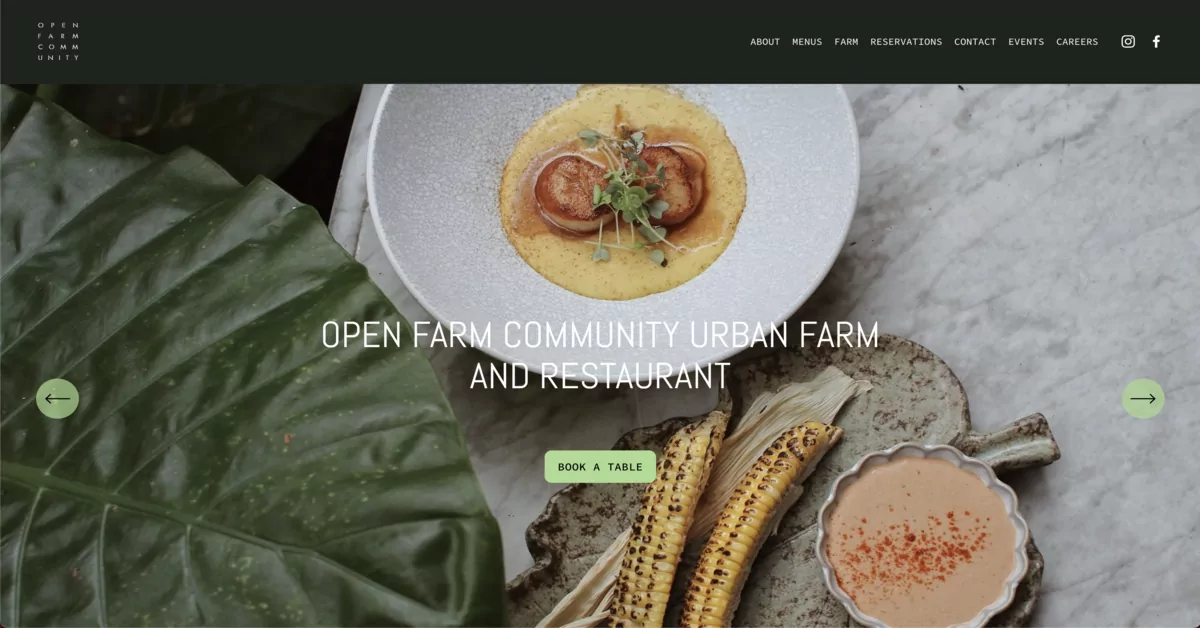
A MICHELIN restaurant with a genuine eco-friendly ethos, it works well for families who care about where their food comes from. The staff are known for smart substitutions if a dish needs tweaking.
Best for the family that wants to eat well while the kids roam. The garden setting means restless little ones can move without bothering the next table. The kitchen takes dietary requests in stride, so a fussy eater or a gluten-free adult can sit at the same meal and both leave full. Saturday lunch hits the sweet spot.
Address: 130E Minden Road, Singapore 248819
Phone: +65 6471 0306
Hours: Lunch Mon-Fri 12pm–3pm (last order 2pm); Weekend Brunch Sat-Sun 11am–3:30pm (last order 2:30pm); Dinner daily 6pm–11pm (last food order 9:30pm, drinks 10:30pm)
Price: Premium
Open Farm Community’s website
Nobody paid to appear here. If you think there is a gap in this list, we would rather hear about it than not.
Arbora @ Mount Faber Peak
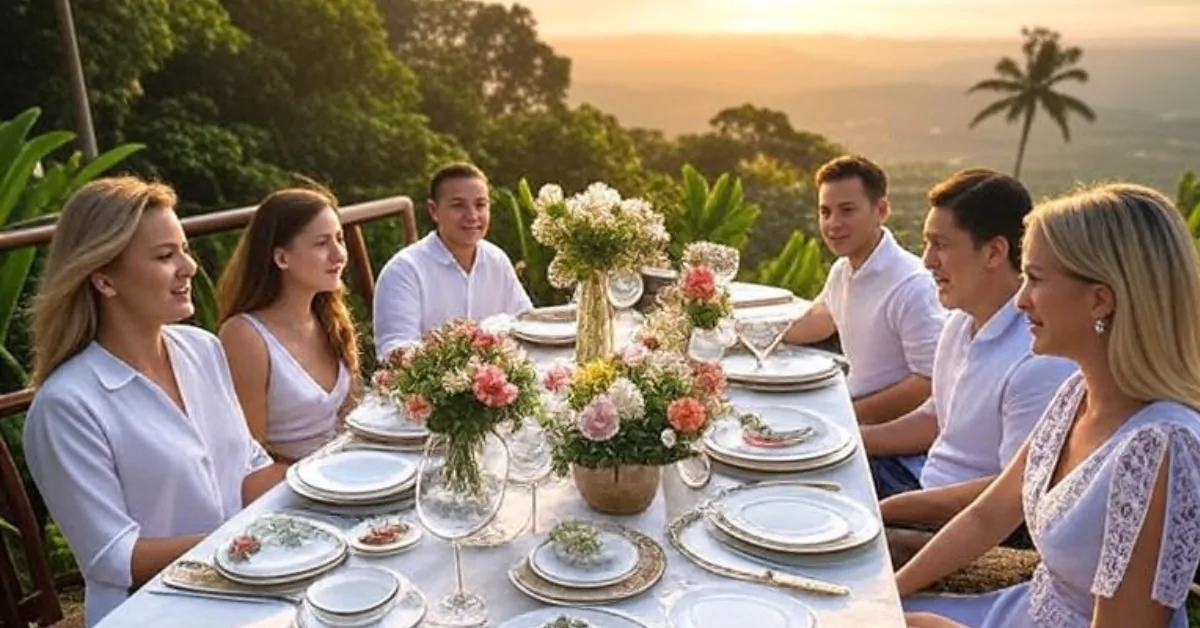
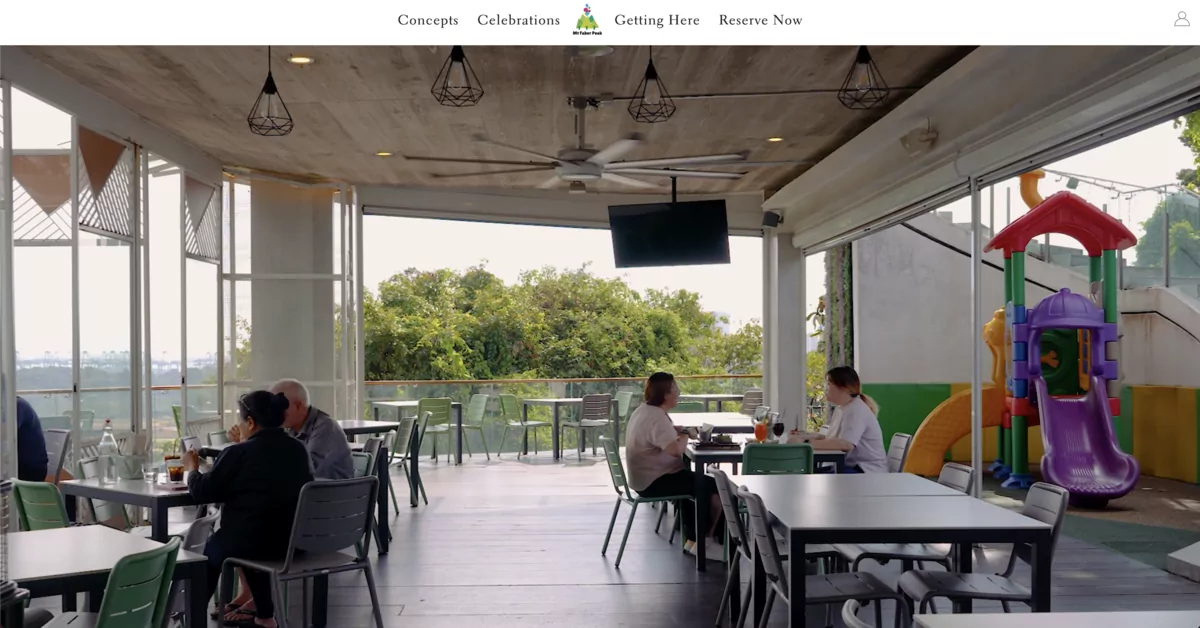
Perched atop Mount Faber, Arbora gives you meal‑with‑a‑view without the need to leave the country. The breezy hilltop setting and panoramic windows make even a simple lunch feel like a mini escape. The menu fuses Asian and Western comforts: pasta Hokkien mee, half lobster laksa, crispy pork knuckle – and yes, a proper kids’ meal lineup so the little ones don’t have to share your plate. The farm‑to‑table approach and botanical drinks add an extra layer of thoughtfulness.
If the little ones are suddenly pizza-crazy, our Pizza Restaurants in Singapore guide might save the day.
Come for the Norwegian fjord trout or the cempedak bread pudding, stay for the cable car ride after. It’s a solid option when you want the feeling of an outing without schlepping to Sentosa.
Go when you need a view but cannot face the airport. Hilltop breeze, full-sized plates that bridge Asian and Western tastes, and a proper kids’ line-up so no one fights over sharing. Works well for the three-generation table — grandparents get the scenery, parents get the laksa, and the small ones get their own familiar meal.
Address: 109 Mount Faber Road, Mount Faber Peak, Singapore 099203
Phone: (+65) 6361 0088
Hours: 10:00AM – 10:00PM daily
Price: Mid-range
Arbora’s website
Wild Honey
Wild Honey has been doing all‑day breakfast since 2009, and it still feels like a little holiday. The Mandarin Gallery outlet on Orchard Road is the go‑to for families who love the idea of shakshuka, Norwegian eggs Benedict, and coconut waffles with good coffee, any time of day. The menu covers vegetarians, vegans and the gluten‑free crowd without making a fuss – the Californian scramble is a quiet winner. It’s not a dress‑up place; it’s the spot where everyone orders exactly what they want and nobody rushes you out.

There’s also a Middle Road branch with slightly different hours. The vibe is full of families, especially on weekends, and the plating is pretty enough to make you reach for your phone.
This one solves the breakfast-at-dinner argument fast. When the family cannot agree on timing or cuisine, the all-day menu covers enough ground to settle things. The Orchard Road spot suits a post-shopping recharge. Come mid-afternoon, when the crowd thins, and let the kids order something sweet while you get a proper coffee.
Address: 03-01/02 Mandarin Gallery, 333A Orchard Rd, Singapore 238897 (also 200 Middle Road, #01-00)
Phone: +65 6235 3900
Hours: Mandarin Gallery: Mon-Thu, Sun 9am-9:30pm (last order 8:30pm); Fri, Sat & Eve of PH 9am-10:30pm (last order 9pm). Middle Road: Mon-Thu 9am-9:30pm (last order 8:30pm); Fri-Sat, Eve of PH & PH 9am-10:30pm (last order 9:30pm); Sun 9am-7pm (last order 5pm)
Price: Casual dining
Wild Honey’s website
For families going meat-free, we also have a roundup of Vegetarian Restaurants in Singapore.
Nassim Hill Bakery Bistro Bar
Nassim Hill Bakery Bistro Bar occupies a historic post office building on Tanglin Road and smells like fresh bread the moment you walk in. The bakery is serious – loaves, pastries, and buttermilk pancake stacks that get the kids quiet fast. Lunch and dinner lean hearty: chilli crab pasta, beer‑battered snapper, and a cocktail list for the grown‑ups. It feels like a neighbourhood secret, even though it’s right in town.
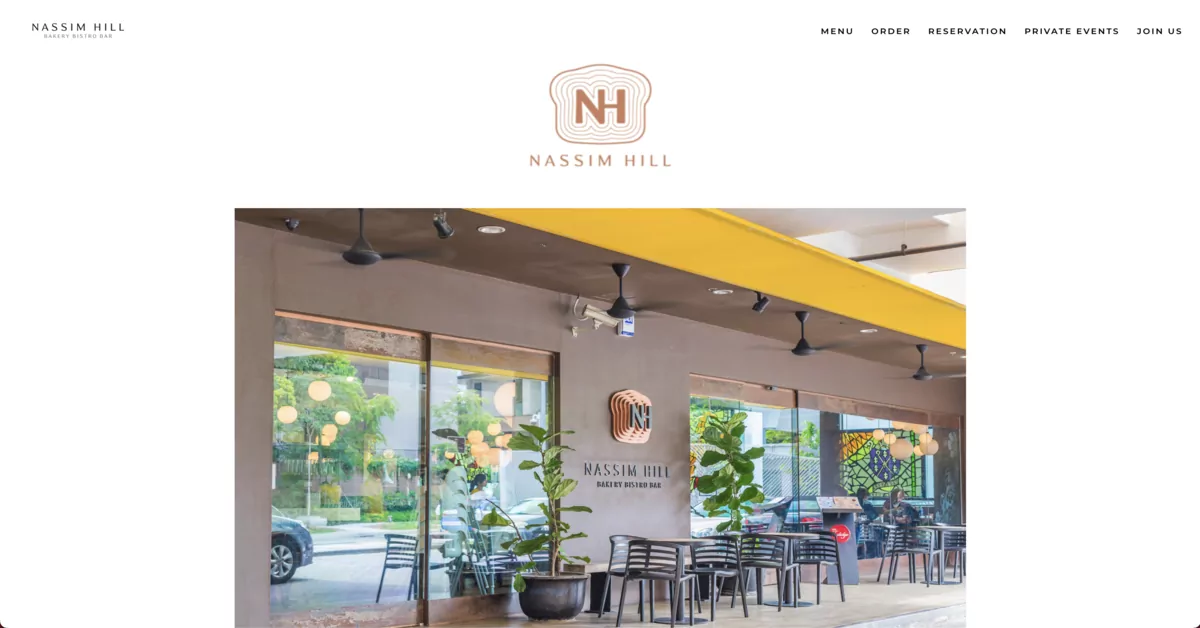
The space is loungey enough for a long brunch but unfussy enough for sticky fingers. Go early on a Saturday, chope a corner table, and let the day unfold.
Arrive hungry and early. The bread-and-pastry base means even a short wait disappears fast with something warm on the table. Suits the family that treats Sunday lunch as the main event — start with the bakery, stretch into chilli crab pasta, and let the Tanglin neighbourhood quiet do the rest. Feels like a regulars’ spot.
Address: 56 Tanglin Road #01-03 Singapore, Singapore 247964
Phone: +65 6835 1128; +65 9099 6405
Hours: Tuesday to Sunday: 8:00am – 10:00pm; Closed Monday
Price: Casual bistro
Nassim Hill’s website
Huber’s Bistro
Huber’s Bistro on Dempsey Road sits right next to its own butchery, so the meat is the main event. Dry-aged burgers, sausage platters, and proper Swiss-German fare like Wienerli with potato salad come out from a kitchen that knows its cuts. The outdoor tables look onto a small playground, which means you can linger over a charcuterie board while the kids burn off energy in full view. It’s an honest, grown‑up meal where you can keep an eye on the kids while you eat.
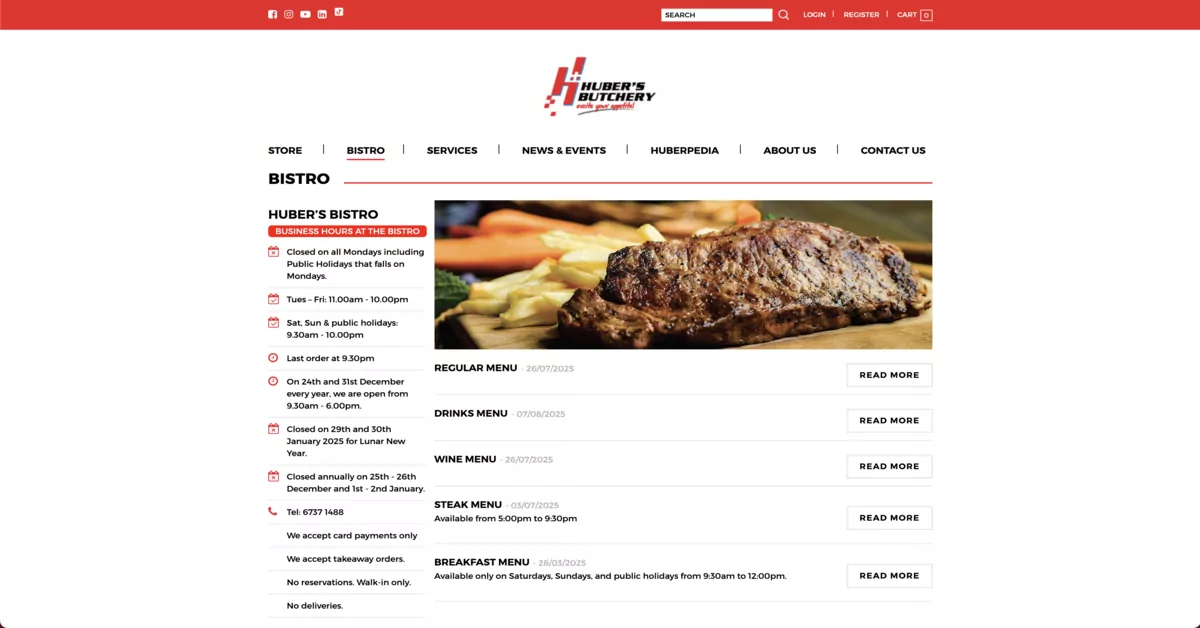
The meats are hormone-free, and the al fresco seating makes it feel airy even on a warm evening. It closes on Mondays, so plan around that.
Built for the long, easy lunch where no one is in a rush. The playground is in full view from the outdoor tables, so you can work through a sausage platter while the kids tire themselves out. Meat-forward, honest cooking that suits a family who wants substance over styling. Let the children run first, then sit them down hungry.
Address: 22 Dempsey Rd, Singapore 249679
Phone: +65 6737 1488
Hours: Closed Mondays (including PH); Tues-Fri 11am-10pm; Sat, Sun & PH 9:30am-10pm (last order 9:30pm)
Price: Premium butchery bistro
Huber’s Bistro website
Nobody paid to appear here. If you think there is a gap in this list, we would rather hear about it than not.
Tiong Bahru Bakery Safari
Tiong Bahru Bakery Safari in Dempsey is basically a garden party with croissants. The safari‑themed space has a kids’ playground right there – so you can sit under the trees, coffee in hand, while the little ones climb and slide. The pastries are the star: handmade croissants, pain au pandan, power breakfast jars, and Common Man Roasters coffee. It’s casual, sunny, and built for mornings that stretch into snack time.
Awarded Best Family-Friendly Restaurant by HoneyKids Asia in 2024, it’s a shoo‑in for parents of toddlers. Grab a healthy bowl if you’re feeling virtuous, or just lean into the viennoiserie and call it a day.
Morning strategy here is simple: secure a table with playground sightlines, get coffee and croissants on the tray fast, then let the kids climb while you enjoy the garden shade. Works best with younger children who do not sit still long. Go on a weekday when the Dempsey pace is slower and the pastries have not sold out.
Address: 130E Minden Road, Singapore 248819
Phone: +65 6877 4876 (Safari) | Main office: +65 6474 5964
Hours: Daily 8am to 5pm
Price: Casual bakery prices
Tiong Bahru Bakery’s website
And for a taste of heritage, our Teochew Restaurants in Singapore guide has some old-school gems.
How to choose
Start with the kind of outing you actually want. Are you celebrating something? Claudine gives you the dress-up occasion without a stiff atmosphere. Do the kids need to run? Tiong Bahru Bakery Safari and Huber’s Bistro have playgrounds right in view. For a meal that feels like a day trip, Arbora’s hilltop location and cable car make it an adventure. Open Farm Community and Wild Honey suit families with mixed dietary needs, while Nassim Hill is the easy win when you want good bread, a cocktail, and zero planning. Prices vary from casual bakeries to fine dining, so match the spend to the mood.
| Restaurant | Cuisine | Kid Appeal | Price Signal | Location |
|---|---|---|---|---|
| Claudine | French neo-brasserie | Sharing plates for family; elegant setting | Fine dining | Harding Rd |
| Open Farm Community | Farm-to-table, global | Garden to explore; plant-based options | Premium | Minden Rd |
| Arbora @ Mount Faber Peak | Asian-Western fusion | Hilltop views; dedicated kids’ menu | Mid-range | Mount Faber |
| Wild Honey | All-day breakfast, global | Extensive veg/GF options; relaxed vibe | Casual dining | Orchard Rd / Middle Rd |
| Nassim Hill Bakery Bistro Bar | Bakery bistro, comfort food | Fresh bakes; pancake stacks; loungey space | Casual bistro | Tanglin Rd |
| Huber’s Bistro | Swiss-German, butchery | Playground view; sausage platters | Premium butchery | Dempsey Rd |
| Tiong Bahru Bakery Safari | Artisanal bakery, café | Playground on site; award-winning family spot | Casual bakery | Dempsey (Minden Rd) |
Summary
From a hilltop meal with a view to a croissant where the kids can roam, these seven restaurants prove that family dining doesn’t mean compromising on a good meal. Pick a spot that matches your crew’s vibe, book ahead, and enjoy a relaxed meal out – whether it’s a lazy pancake stack or a proper bouillabaisse.
Disclaimer: Details like hours and prices may change. Confirm directly with the restaurant before your visit.
Read next
Frequently asked questions
Which of these restaurants have a dedicated kids’ menu?
Arbora @ Mount Faber Peak offers a specific kids’ meal selection. Some others, like Wild Honey and Open Farm Community, have dishes that appeal to children but no separate menu. Check with the restaurant when you book.
Are reservations recommended for family dining?
Yes, especially on weekends and public holidays. Claudine, Open Farm Community, and Arbora can fill up quickly. Booking ahead secures a spot and often a better table.
Which family restaurant is best for a special occasion?
Claudine offers an elegant French brasserie experience in a colonial chapel, making it ideal for celebrations. For a view-filled gathering, Arbora’s hilltop setting is also memorable.
Do these places accommodate dietary restrictions like vegetarian or gluten-free?
Wild Honey and Open Farm Community have clearly marked vegetarian and gluten-free options. Most other kitchens will adjust dishes if informed in advance. Confirm when reserving.
Is there outdoor space for kids to play?
Tiong Bahru Bakery Safari has a playground on site. Open Farm Community has a garden kids can explore, and Huber’s Bistro features al fresco seating overlooking a play area.
What is the price range like across these restaurants?
It varies. Tiong Bahru Bakery and Nassim Hill are casually priced. Wild Honey and Arbora are mid-range. Open Farm Community and Huber’s are more premium, while Claudine is fine dining. Check current menus for specifics.