Last updated 7 August 2026. This page was reviewed on that date. Prices, rates and opening hours change often in Singapore — confirm anything that matters directly with the business before you travel or spend.
Quick answer: Singapore’s wet markets are where you get the freshest ingredients and a real taste of local life. Tiong Bahru Market is the stylish choice with Michelin-recommended hawkers, Tekka Wet Market offers the best spices in Little India, and 409 AMK Market is a neighbourhood secret for quality and value. Each market has its own character, so pick one near you or make a morning of it.
A different kind of market awaits when you explore our guide to Singapore’s Open Electricity Market.

There was a time when we knew the fishmonger by name and the vegetable auntie saved the sweetest chye sim for our mothers. These wet markets hold onto that rhythm, where tiles are still wet by six in the morning and what you cook tonight began as a conversation. For those who remember, or those who want to, this is where to start.
If none of these quite fit, Best Groceries, Delivery & Pantry in Singapore has 26 lists covering the rest of the category.
Tiong Bahru Market
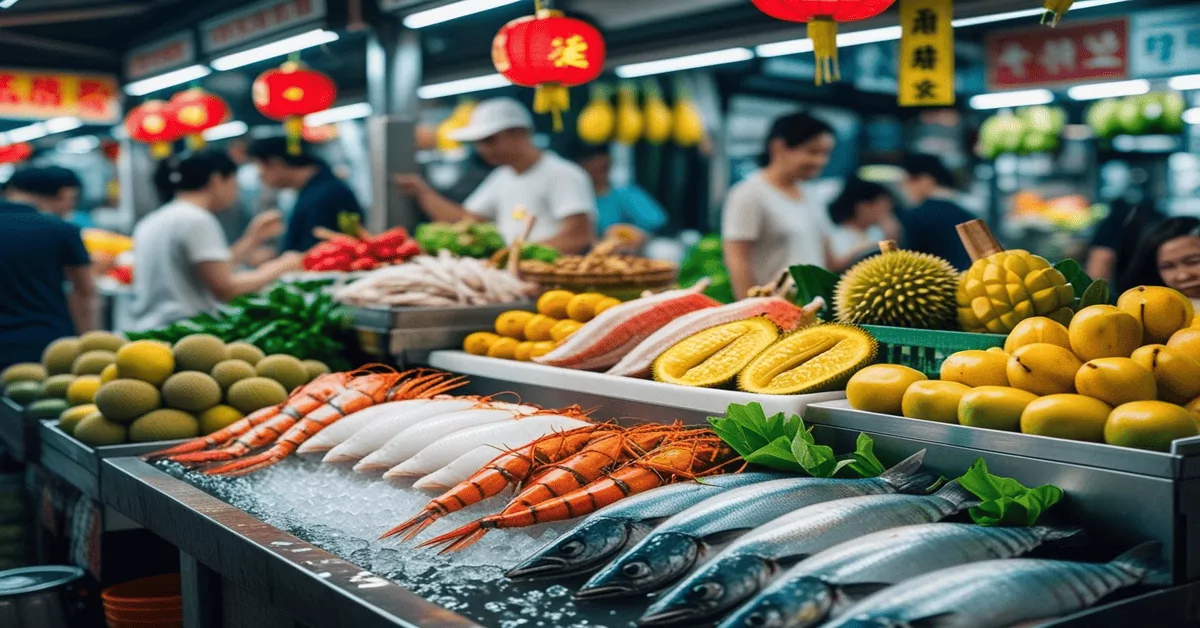
Go early on a weekend and the whole estate feels like it woke up with you. Tiong Bahru Market has been the anchor of Seng Poh Road since 1951, and it still draws a mix of old-timers, young couples, and expats who know where the good stuff is. The wet market downstairs is clean and well-ventilated, with stalls that carry Australian avocados, organic and free-range meats from New Zealand, and live seafood sourced from local waters. Prices lean a little higher than what you might pay in a heartland market, but the quality justifies it, especially when you are planning a serious meal.
Upstairs, the hawker centre is the real reward. Hong Heng Fried Sotong Prawn Noodles does a Hokkien mee that earned a Michelin recommendation, and there are plenty of other stalls if you want to refuel before lugging your groceries home. The overall vibe is modern without losing that old wet-market soul.
- Address: 30 Seng Poh Road, Singapore 168898
- Hours: Daily, 6am–10pm
- Price signal: Slightly above average, reflects premium sourcing
- Website: Google Maps
It suits the home cook who wants their dinner party ingredients to impress, or anyone who genuinely enjoys the slow rhythm of a wet-market morning followed by a solid hawker breakfast. You might also like to know about Cantonese Restaurants in Singapore for the days you prefer someone else to do the cooking.
The morning light angles through the slatted windows just the way it did decades ago, and the tiled floors still gleam after the overnight scrub-down. Come on a weekday if you want space to browse the live seafood tanks without a crowd pressing behind you. It suits the cook who treats the market as a weekly ritual, not a rushed chore.
409 AMK Market and Food Centre
Up in Ang Mo Kio, 409 AMK Market and Food Centre is the kind of place locals keep to themselves – not flashy, but once you go you understand why. The wet market covers the staples well: locally-sourced vegetables, live fish and shellfish, and a meat section that includes halal and organic cuts. Everything feels reasonably priced, which is probably why so many residents do their entire week’s grocery run here.
The hawker centre has its own following. Mei Sheng Kway Teow Mee draws a queue for its fragrant noodles, while Bedok 511 BBQ Chicken Wing does a grilled satay that is worth the extra calories. It is a straightforward, no-frills sort of place – the kind where you can grab fresh produce and a solid lunch without thinking twice about the bill.
- Address: 409 Ang Mo Kio Ave 10, Singapore 560409
- Hours: Daily, 6:30am–10pm
- Price signal: Budget-friendly, everyday value
- Website: Google Maps
The layout here rewards the methodical shopper. Walk the outer ring for vegetables first, then the inner aisle for meat, and by the time you reach the fish section your basket is packed like your grandmother packed hers. A weekday morning feels unrushed, almost leisurely.
For a market centred on ready-to-eat delights, browse our look at Food Tiong Bahru Market.
Bangkit Market
Bangkit Market on Bangkit Road is for the adventurous cook. The wet section stocks ingredients you will not find in every neighbourhood – live frogs, eels, turtles, alongside the usual fresh seafood and Asian vegetables. Chinese spices and medicinal herbs round out the shopping list, and the hawker stalls above serve roasted duck, char siew, and curry rice that hit the spot after a morning of browsing.
It is a smaller market compared to the big names, but that works in its favour. You can get in, get exactly what you need, and still have the rest of the day. The atmosphere is lively without being overwhelming, and the vendors are straightforward – tell them what you are cooking and they will point you to the right cut or herb.
- Address: 257 Bangkit Rd, Singapore 670257
- Hours: Daily, 6am–11pm
- Price signal: Average wet-market pricing; exotic items may vary
- Website: Google Maps
This is an editorial round-up, not a paid directory. Think we have missed somewhere? Tell us what you do and why it belongs here.
When a recipe calls for something no supermarket app will ever list, this wet section is for the cook who knows where to look. The wet section carries the kind of live seafood and speciality herbs that recall the old Chinatown markets before the complex went up. The char siew upstairs is your reward for making the trip.
Redhill Market
Redhill Market runs 24 hours a day, which makes it a lifesaver when you suddenly need fresh ingredients at an odd hour. Set along Redhill Lane, the market reflects the multicultural makeup of the area – Chinese, Malay, and Indian flavours sit side by side. The produce is fresh and varied, the seafood includes sustainable options, and there is a good selection of halal meats.
The hawker stalls give you plenty of reasons to linger. Yan Fried Bee Hoon is famous for crispy chicken wings, and Bak Kee Teochew Satay Bee Hoon has a loyal crowd. It is the kind of market that feels nostalgic, a reminder of how wet markets used to be before everything became air-conditioned and polished.
- Address: 79 Redhill Ln, Singapore 150079
- Hours: 24 hours, daily
- Price signal: Affordable neighbourhood prices
- Website: Google Maps
When a recipe idea strikes at midnight, this 24-hour market has been the answer since the estate took shape. The produce section nearest Redhill Lane gets the earliest deliveries, so a 5am visit rewards you with vegetables that still carry the morning’s chill from the wholesale run.
Tekka Wet Market
Walking into Tekka Wet Market in Little India is like stepping into a spice cabinet and a garden at the same time. The air smells of turmeric, garam masala, and wet cement, and the stalls are stacked with okra, bitter gourd, and other vegetables central to Indian cooking. Seafood and meat vendors sit alongside – Joe’s Butchery is well-regarded for quality cuts, and Chia’s Vegetable Supply carries seasonal produce you will not always find elsewhere.
Upstairs, the hawker centre is a draw in its own right. Biryani, roti prata, and fish head curry are all done properly here. The market opens at 6:30am and winds down by 5pm, so you need to get there in the morning if you want the best pick. It is a market that rewards curiosity – ask a vendor how to use a particular spice and you will likely walk away with a recipe.
- Address: 665 Buffalo Rd, Singapore 210665
- Hours: Daily, 6:30am–5pm
- Price signal: Reasonable; spices sold in small quantities
- Website: Google Maps
If you are exploring the area and want more food ideas, check out our guide to Restaurants in Arab Street – it is just a short drive away.
A morning visit before nine o’clock lets you catch the full spectrum of greens being laid out while the air is still cool. The layout rewards a slow loop — start at the dry-spice wall, then work inward toward the banana leaves and fresh coconut stalls. Perfect for anyone building a weekend curry from scratch, with everything under one generous roof.
Chinatown Wet Market
Inside the Chinatown Complex on Smith Street, the Chinatown Wet Market is as old-school as it gets. The wet section carries everything a serious Chinese kitchen needs: bok choy, lotus root, live fish and shellfish, pork belly, duck, and – for those who really mean it – live frogs and turtles. Dried goods and medicinal herbs fill the surrounding stalls, and the hawker centre above is home to Hawker Chan, the stall that earned a Michelin star for its chicken rice.
The market opens at 7am and stays busy through the evening. It is a place where the past hangs on tight, and that is exactly why people come. You can haggle a little, ask questions, and walk out with ingredients that tell a story.
- Address: 335 Smith St, Singapore 050335
- Hours: Daily, 7am–10pm
- Price signal: Standard Chinatown pricing; tourist-friendly but authentic
- Website: Google Maps
The wet section lives at the back of the complex, past the dried shrimp vendor and the medicinal herb shop where the proprietor still writes prescriptions with a brush. It rewards the early riser, especially someone hunting for pig’s stomach or live fish for a family steamboat.
Geylang Serai Wet Market
Geylang Serai Wet Market has been the heart of Singapore’s Malay community since 1964, and it still pulses with that energy, especially in the weeks leading up to Hari Raya. The wet section is strong on halal meats – chicken, beef, lamb – plus seafood tailored to Malay cooking. Fresh turmeric, galangal, lemongrass, and other aromatics are easy to find. When durian season hits, the fruit stalls do a roaring trade.
Hours are short – 7am to 2:45pm – so the morning rush is real. Hajjah Mona Nasi Padang inside the hawker centre is the kind of stall that makes you glad you came early. It is a market that feels deeply connected to its neighbourhood, and for anyone wanting to cook authentic Malay dishes, this is the place.
- Address: 1 Geylang Serai, Singapore 402001
- Hours: Daily, 7am–2:45pm
- Price signal: Market rates; seasonal items like durian fluctuate
- Website: Google Maps
The quietest hours fall mid-morning on a Tuesday, after the pre-work rush and before the lunch crowd. That is when you can stand still long enough to notice the careful way the rempah-ready aromatics are bundled at the produce stalls. It is a natural first stop for planning a feast, whether for Hari Raya or an ordinary Sunday table.
Empress Market
Empress Market sits along Empress Road in Bukit Timah, just a few minutes from Farrer Road MRT. It operates 24 hours, which makes it a handy stop for last-minute groceries or a late supper. The produce range is global, the meat section covers halal and non-halal, and the seafood is reliably fresh.
The hawker centre has a loyal following. Bunga Raya Prata Hut gets solid word-of-mouth for its prata, and the biryani stalls are no slouch either. It is an organised, down-to-earth market that serves the neighbourhood well without trying to be anything more.
- Address: 7 Empress Rd, Singapore 260007
- Hours: 24 hours, daily
- Price signal: Mid-range, typical for the area
- Website: Google Maps
Residents of the Bukit Timah landed homes know the value here is in the late-night run. The 24-hour operation means you can pick up fresh seafood after dinner plans run long, and the prata stall means you will not leave hungry. The layout is compact, which makes a quick shop actually quick.
Clementi Market
Clementi Market, known officially as Clementi 448 Market & Food Centre, is a reliable local fixture near Clementi MRT. It covers all the bases: fresh local vegetables, a solid seafood selection, halal and organic meat options, and the usual range of condiments. It is not trying to be fancy, and that keeps prices down.
Boon Kee Wanton Noodle is the stall that gets the most chatter, though the chicken rice and laksa stalls hold their own. The market is open from 7am to 9pm, so it fits comfortably into a working day. If you live in the west and just want a no-stress wet-market run, this one does the job.
- Address: 448 Clementi Ave 3, Singapore 120448
- Hours: Daily, 7am–9pm
- Phone: +65 6225 5632
- Price signal: Budget-friendly, good value
- Website: Google Maps
After you have got your produce, you might also enjoy Discover Singapore’s Finest Wanton Noodles – there are some stalls in the west that do a fine bowl.
This is an editorial round-up, not a paid directory. Think we have missed somewhere? Tell us what you do and why it belongs here.
How to choose
Picking a wet market comes down to what you cook and when you shop. If you are after premium meats or organic vegetables, Tiong Bahru is the natural choice. For Indian spices and ingredients you cannot find in a regular supermarket, Tekka is the one. Geylang Serai is essential for authentic Malay cooking, and Chinatown Wet Market or Bangkit Market will appeal to anyone who cooks with more adventurous proteins.
Time matters. Geylang Serai closes by 2:45pm, and Tekka winds down by 5pm, so plan a morning trip. Redhill and Empress run 24 hours, which is a big plus if your schedule is erratic. Prices are generally reasonable across the board – Tiong Bahru sits a little higher, while Clementi and 409 AMK are on the more affordable end. Bring cash, a reusable bag, and a little patience; the best stalls can have queues.
| Market | Best For | Product Highlights | Hawker Must-Try | Hours |
|---|---|---|---|---|
| Tiong Bahru | Premium produce, expat crowd | Australian avocados, organic meats | Hong Heng Fried Sotong Prawn Noodles | 6am–10pm |
| 409 AMK | Neighbourhood value | Live fish, halal meats, local veg | Mei Sheng Kway Teow Mee | 6:30am–10pm |
| Bangkit | Exotic meats, Chinese herbs | Live frogs, eels, turtles | Roasted duck, char siew stalls | 6am–11pm |
| Redhill | 24-hour convenience, multicultural | Sustainable seafood, halal options | Yan Fried Bee Hoon | 24 hours |
| Tekka | Indian spices, Little India experience | Okra, bitter gourd, fresh spices | Fish head curry, biryani | 6:30am–5pm |
| Chinatown | Traditional Chinese cooking | Live frogs, turtles, medicinal herbs | Hawker Chan chicken rice | 7am–10pm |
| Geylang Serai | Malay cuisine, halal meat | Turmeric, galangal, durian | Hajjah Mona Nasi Padang | 7am–2:45pm |
| Empress | 24-hour access, Bukit Timah | Global produce, halal meats | Bunga Raya Prata Hut | 24 hours |
| Clementi | West-side local favourite | Local veg, organic meat options | Boon Kee Wanton Noodle | 7am–9pm |
Summary
Singapore’s wet markets are the fastest way to connect with what you are actually cooking. Each one has its own rhythm and specialty, whether it is Indian spices at Tekka, halal meat at Geylang Serai, or premium cuts at Tiong Bahru. Choose one close to home or plan a weekend morning to explore a new one – you will leave with better ingredients and probably a full stomach.
Disclaimer: Details can change; please confirm directly with the market before making a special trip.
Read next
Frequently asked questions
Known to older residents as the 448 market, this is the workhorse of the west. The vegetable stalls near the back entrance tend to restock around mid-morning, so going slightly later can actually yield the freshest pick. The wanton noodle stall has been the anchor since the hawker centre first drew its shutters.
What exactly is a wet market?
A wet market sells fresh produce, meat, and seafood. The floor is typically wet from washing and melting ice – hence the name – and the goods are laid out without sealed packaging.
Are wet markets in Singapore hygienic?
Yes. They are regulated by the National Environment Agency and cleaned regularly. They might look rustic compared to a supermarket, but food safety standards are followed.
What should I bring to a wet market?
Cash, because not every stall accepts digital payment. A reusable bag or trolley helps, and wear shoes you do not mind getting a little wet.
Which market is best for halal meat?
Geylang Serai Wet Market has the widest selection of halal meat and Malay cooking ingredients. Tekka and 409 AMK also carry halal options.
Can I find organic produce at these markets?
Tiong Bahru Market offers organic and free-range meats, and some vegetable stalls there have organic greens. Check with individual vendors.
Do these markets sell cooked food as well?
Most have a hawker centre attached or nearby, serving dishes like chicken rice, laksa, prata, and wanton mee alongside the fresh produce.