Last updated 7 August 2026. This page was reviewed on that date. Prices, rates and opening hours change often in Singapore — confirm anything that matters directly with the business before you travel or spend.
Quick answer: Sungei Road Laksa serves a legit charcoal-cooked bowl that draws queues from morning; Tian Tian Hainanese Chicken Rice is the stall that made Anthony Bourdain a fan; Zam Zam has been flipping murtabak since 1908; Ya Kun nails the kaya toast and kopi ritual; Liao Fan Hawker Chan is the world’s cheapest Michelin meal; Spring Court brings old-school Cantonese feasts; and Outram Park Ya Hua does pepper-heavy Teochew bak kut teh that wakes up your sinuses.
For those who crave the comfort of a familiar seat, these local restaurants are Singapore’s steady heartbeat amid the rush. Whether it’s a Saturday morning queue or a Tuesday lunch you’ve been having for years, they reward ritual. You don’t need to overthink—just turn up, order the usual, and let the dependable flavours do the rest.

Looking more broadly? Best Restaurants in Singapore by Occasion gathers all 42 guides on this, so you can scan the field first.
Sungei Road Laksa

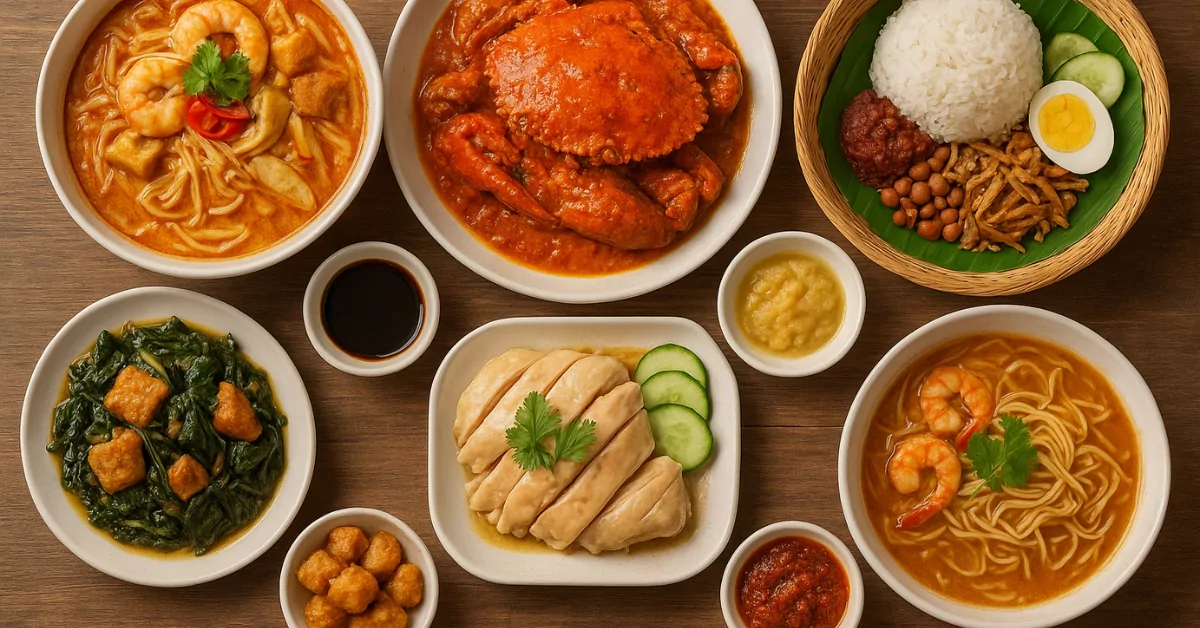
This one’s a bit of a legend hidden in a Lavender kopitiam – the queue snakes out before 10am on weekends and the charcoal fumes hit you first. They’ve been doing just one thing for decades: a Peranakan-style laksa where the broth is cooked over charcoal in a giant pot, blending coconut milk and spices until it’s thick, orange, and damn shiok. The noodles are cut short so you can eat the whole bowl with a spoon, and the blood cockles, bean sprouts, and laksa leaves add texture and freshness. At $3–4 a bowl, it’s the kind of honest, old-school craft that earned them a Michelin Bib Gourmand. Bring a tissue pack – it gets a bit messy, but that’s part of the charm.
Saturday morning queues are part of the ritual here, and the wait is a small price for a bowl that hasn’t changed in decades. This is for the early risers who treat weekend laksa like a pilgrimage—arrive before 10am, ownself chope a seat, and let the charcoal-kissed broth warm you from the inside. It’s as dependable as the coffee shop’s ceiling fans.
Address: 27 Jalan Berseh, #01-100, Singapore 200027
Hours: 9:30am – 5pm, Thu–Tue (closed Wed)
Price: Around SGD 3–4 per bowl
Phone: +65 9690 8184
Sungei Road Laksa
Ideal for anyone who wants a quick, soul-warming meal that tastes like it’s been simmering since your ah gong’s time. Solo diners, laksa purists, and people willing to share a table with strangers will feel right at home.
Tian Tian Hainanese Chicken Rice

Maxwell Food Centre’s most famous stall is practically a rite of passage. The chicken is poached and then chilled – sounds simple, but the texture is silky, the meat stays juicy, and the skin has a slight bounce. The rice, cooked in chicken broth with ginger and pandan, is so fragrant you could eat it on its own. Come early, or be prepared to wait; they sell out fast, sometimes by late afternoon. At around $5 a plate, you’re tasting the dish that had Anthony Bourdain and Gordon Ramsay nodding in approval, and it still holds a Michelin Bib Gourmand.
A lunchtime anchor for the Maxwell office crowd, this stall turns an ordinary Tuesday into a highlight. The queue is a small ritual itself—sweat a little, eye the chickens hanging, and know that by the time you reach the front, your plate will be exactly what you’ve been waiting for. It’s the kind of consistency that keeps planners kiasu and happy.
Address: Maxwell Food Centre, #01-10/11, 1 Kadayanallur Street, Singapore 069184
Hours: 10am – 8pm, Tue–Sun (closed Mon, or earlier if sold out)
Price: From about SGD 5 per plate
Phone: +65 9691 4852
Tian Tian Chicken Rice
This is the one to bring your overseas visitors to – it’s iconic, unpretentious, and reliably good. Go with a kaki who doesn’t mind queuing, and order a whole half-chicken if you’re sharing; the leftovers will get chope’d fast.
Zam Zam Restaurant

Since 1908, Zam Zam has stood across from Sultan Mosque, a North Bridge Road anchor that’s seen generations of families walk in for the same order: murtabak. They stretch the dough by hand, stuff it with spiced mutton, chicken, or beef, and fry it till the outside is crisp and golden. The deer murtabak, at $14, is generous enough for two, and the accompanying curry gravy ties it together. Nasi biryani and roti prata are on the menu too, but it’s the murtabak that people travel across the island for. No airs, just a no-frills, two-storey space with a rhythm all its own.
Generations of families have made Zam Zam a post-solat tradition, and the dining room hums with a warmth that feels like a family reunion every weekend. During Ramadan, the murtabak becomes even more of an anchor—arrive just before buka for the full experience. The hand-stretched dough is a quiet art you can count on.
Address: 697-699 North Bridge Road, Singapore 198677
Hours: 7am – 11pm daily
Price: Murtabak from about SGD 6; the deer version at SGD 14
Phone: +65 6298 6320
Zam Zam Restaurant
Great for large groups who want to makan something hearty after exploring Kampong Glam, or for anyone craving a late supper that feels both nostalgic and deeply satisfying. If you’ve never tried Indian-Muslim food, this is the place to start.
We compile these ourselves and take suggestions. If your business belongs on this list, tell us why.
If you’re planning to explore beyond hawker centres, our guide to Restaurants in Raffles City rounds up convenient mid-range options near the MRT.
Ya Kun Kaya Toast

No matter which outlet you walk into, the ritual is the same: a set of charcoal-grilled toast with a thick slab of cold butter and kaya, two soft-boiled eggs with dark soy and pepper, and strong kopi. It costs around five or six dollars and hits the spot whether you’re starting a workday or nursing a hangover. Ya Kun has been at it since 1944, and the kaya recipe is still made in-house – coconut-egg jam that’s just the right side of sweet. The airport branch stays busy with travellers getting one last taste, while the neighbourhood outlets feel like a kampung gathering spot.
Whether you’re an 8am commuter or recovering from a late night, Ya Kun delivers the same steady comfort: toast grilled over charcoal till it’s crisp, butter melting just so, and kopi that tastes like every kopi you’ve had here before. It’s Singapore’s most reliable morning ritual, the kind that never needs zhng-ing.
Address: Multiple outlets; one handy spot is 65 Airport Boulevard, #B2-LF3, Singapore 819663
Hours: Vary by location, typically 7:30am – 10pm
Price: Sets from SGD 5–6
Phone: +65 6241 4341 (Changi outlet)
Ya Kun Kaya Toast
It’s the easiest, most reliable way to introduce someone to a Singaporean breakfast. Parents with young kids appreciate the straightforward menu, and the staff are fast even during peak hours. Pro tip: add a side of French toast if you’re extra hungry.
Liao Fan Hawker Chan

When a hawker stall earns a Michelin star, you pay attention. The original Chinatown outlet on Smith Street serves Hong Kong-style soya sauce chicken that’s been marinated and roasted until the skin is glossy dark and the meat stays tender. Draped over rice or noodles with a drizzle of the braising liquid, a plate costs less than eight dollars – easily the most Michelin bang for your buck anywhere. There are now franchises across town, but the Smith Street shop still feels special, especially when you spot the queue of tourists and office workers who know exactly what’s up.
The Michelin recognition never changed the hawker heart of this stall. It’s still the same soya sauce chicken, the same quick service, and the same feeling that you’ve found a small, everyday luxury. Ideal for a weekday lunch when you want a little story with your meal—and the queue, while long, always moves chop chop.
Address: 78 Smith Street, Singapore 058972
Hours: 10:30am – 8pm (closed Wed)
Price: SGD 5–8 per dish
Phone: +65 6272 2000
Liao Fan Hawker Chan
Perfect for the budget-conscious foodie who wants to say they’ve eaten at a starred restaurant without spending a month’s allowance. It’s also a solid option if you’re in Chinatown and need a quick, satisfying solo lunch.
Down by the river? Our pick of Boat Quay Restaurants in Singapore covers spots where you can watch the bumboats go by while eating seafood or steak.
Spring Court Restaurant

Spring Court has been feeding families since 1929, and walking into its Upper Cross Street shophouse feels like stepping into a living room that happens to serve some of the best Cantonese-Hokkien food in Chinatown. The claypot chilli crab is generous, the roasted chicken stuffed with minced prawns is a signature, and the DIY popiah comes with 15 neatly arranged ingredients for you to wrap yourself. At around $20–50 per person for a share-style meal, it’s the kind of place where you book a table when Grandma’s birthday is coming up and you don’t want any drama – just proper, well-executed dishes in an air-con room with white tablecloths.
When the occasion calls for proper pomfret and popiah rolling at the table, this is where Singaporean families gather.
Address: 52-56 Upper Cross Street, Singapore 058348
Hours: 11am – 3pm, 6pm – 10:30pm daily
Price: Family-style servings from SGD 20–50 per person
Phone: +65 6449 5030
Spring Court Restaurant
Reserve ahead for weekend dinners and Chinese New Year – this is the place for multigenerational family feasts, wedding dinners, or when you need to impress a future parent-in-law with your taste in traditional Chinese cooking.
Outram Park Ya Hua Rou Gu Cha

Ya Hua does the light, peppery Teochew-style bak kut teh that fans die-hard will defend over the dark herbal kind any day. The pork ribs are fall-apart tender, and the broth is clean, with a white-pepper kick that makes your throat warm. Bowls start at $7–10, and you can add braised trotters or salted vegetables for the full deal. They also sell spice packets so you can simmer a pot at home, which is useful when a craving hits at 11pm. Situated near Tanjong Pagar, the outlets feel unpretentious and brisk – you eat, pay, and leave happy.
Purists of the peppery Teochew-style treat this as their go-to, especially when the weather turns. The broth cuts through any damp evening, and the ritual of ordering an extra side of youtiao and salted vegetables is second nature. After a long day, a bowl here is a warm, familiar hand on the shoulder. Spice packets let you carry the comfort home.
Address: 7 Keppel Road, #01-05/07, PSA Tanjong Pagar Complex, Singapore 089053
Hours: 7am – 11pm, Tue–Sat; 7am – 9:30pm Sun (closed Mon)
Price: Bowls from SGD 7–10
Phone: +65 6222 9610
Outram Park Ya Hua Rou Gu Cha
For rainy afternoons, post-gym meals, or supper runs when you need something that tastes like a hug but with bite. It’s also dead useful for anyone who wants to cook bak kut teh at home – just grab their spice mix on the way out.
We compile these ourselves and take suggestions. If your business belongs on this list, tell us why.
How to choose
These restaurants sit across different price brackets, neighbourhoods, and dining formats, so your pick depends on what kind of meal you’re after. If you’re looking for a quick, under-$6 bowl that you can eat solo at a hawker centre, Sungei Road Laksa, Tian Tian, or Liao Fan are natural fits. For a sit-down, air-conditioned meal with family or a group where you can order multiple dishes and split the bill, Spring Court is the most comfortable choice.
Think about timing too. Tian Tian sells out fast, so lunch is a safer bet than late afternoon. Sungei Road Laksa closes at 5pm and takes Wednesdays off. Zam Zam and Ya Hua keep late hours, making them reliable supper stops. Ya Kun outlets are everywhere and can handle a breakfast crowd without much fuss. If you’re near Chinatown, Liao Fan and Spring Court sit a short walk apart, so you could even plan a two-stop food trail.
Price-wise, a decent budget benchmark: most hawker classics here will run you $4–$8 per person, while a fuller spread at Spring Court or a shared murtabak at Zam Zam might land between $15 and $30 per head. None of these places are fancy, but a little planning – especially for the bigger names – saves you from standing in a 45-minute queue when you’re already hangry.
| Restaurant | Location | Specialty | Price (per person) | Hours |
|---|---|---|---|---|
| Sungei Road Laksa | Lavender | Charcoal-cooked laksa | SGD 3–4 | 9:30am–5pm, Thu–Tue |
| Tian Tian Chicken Rice | Maxwell Food Centre | Hainanese chicken rice | From SGD 5 | 10am–8pm, Tue–Sun |
| Zam Zam Restaurant | Kampong Glam | Murtabak | SGD 6–14 | 7am–11pm daily |
| Ya Kun Kaya Toast | Multiple outlets | Kaya toast sets | SGD 5–6 | Check with the business |
| Liao Fan Hawker Chan | Chinatown | Soya sauce chicken | SGD 5–8 | 10:30am–8pm, closed Wed |
| Spring Court Restaurant | Chinatown | Cantonese-Hokkien classics | SGD 20–50 | 11am–3pm, 6pm–10:30pm daily |
| Ya Hua Rou Gu Cha | Tanjong Pagar | Teochew bak kut teh | SGD 7–10 | 7am–11pm Tue–Sat, 7am–9:30pm Sun |
Summary
These seven local restaurants cover the Singaporean table from breakfast to supper, hawker stalls to heritage shophouses. Whether you’re after a peppery bak kut teh that clears your head or a silky chicken rice that’s worth the queue, there’s a spot here that will leave you planning your next visit before you’ve even paid the bill. All it takes is an appetite and a bit of patience – the rest is already on the plate.
Disclaimer: All information here is compiled from publicly available sources and is accurate to the best of our knowledge at the time of writing. Operating hours, prices, and menu items may shift. Always confirm with the business directly before heading down.
Read next
Frequently asked questions
What is the cheapest Michelin meal on this list?
Liao Fan Hawker Chan holds that title – a plate of soya sauce chicken rice starts at around SGD 5 and the stall famously became the first hawker to earn a Michelin star. It’s probably the most affordable award-winning meal you’ll find anywhere.
Do these restaurants accept reservations?
Most hawker stalls – Sungei Road Laksa, Tian Tian, Liao Fan – don’t take reservations; you queue and order. Spring Court accepts bookings and is the best option for planned group dinners. Zam Zam and Ya Hua are walk-in friendly, while Ya Kun is strictly counter service.
Which place is best for a family with young children?
Spring Court, with its spacious air-conditioned dining room and share-style dishes, is the most family-friendly. Ya Kun also works well for a fuss-free breakfast, and kids usually enjoy the crispy kaya toast and sweet drinks.
Are there vegetarian options at these restaurants?
While these eateries focus heavily on meat and seafood, you’ll find sides like braised peanuts, salted vegetables, and plain rice at places like Ya Hua. Ya Kun’s French toast and simple egg dishes are meat-free. For dedicated vegetarian dining, you might want to explore our guide to Vegetarian Restaurants in Little India, Singapore.
Can I order delivery from any of these places?
Some have partnered with delivery platforms. Zam Zam, Ya Kun, and Liao Fan Hawker Chan are often available on major apps. Tian Tian and Sungei Road Laksa are trickier and best enjoyed fresh on-site. Check your preferred app for the latest options.
Which restaurant is open the earliest for breakfast?
Ya Kun and Ya Hua both open around 7am. Zam Zam also opens at 7 daily. For a classic Singaporean kopi-and-toast fix, Ya Kun is widely available and reliably quick.