Last updated 8 August 2026. This page was reviewed on that date. Prices, rates and opening hours change often in Singapore — confirm anything that matters directly with the business before you travel or spend.
Quick answer: If you’re done with razors and endless waxing, these seven IPL spots can get you smooth for the long haul. EstheClinic brings French medical-grade care to Orchard, Japan IPL Express keeps things fuss-free with no packages, and Pink Parlour balances luxury with value across the island. There’s a steady fit for every schedule, skin type, and budget. (Update, August 2026: Pink Parlour has since ceased its Singapore operations.)
Figuring out where to go for IPL can feel a bit overwhelming – too many choices, and every place claims to be pain-free. The real question isn’t about the machine; it’s what kind of experience fits your life. Are you popping in between errands or carving out a proper self-care hour? This list isn’t about some abstract best, but the one that matches your own rhythm.

Part of Best Spa, Massage & Nails in Singapore: 26 guides covering this ground, for the wider view before you choose.
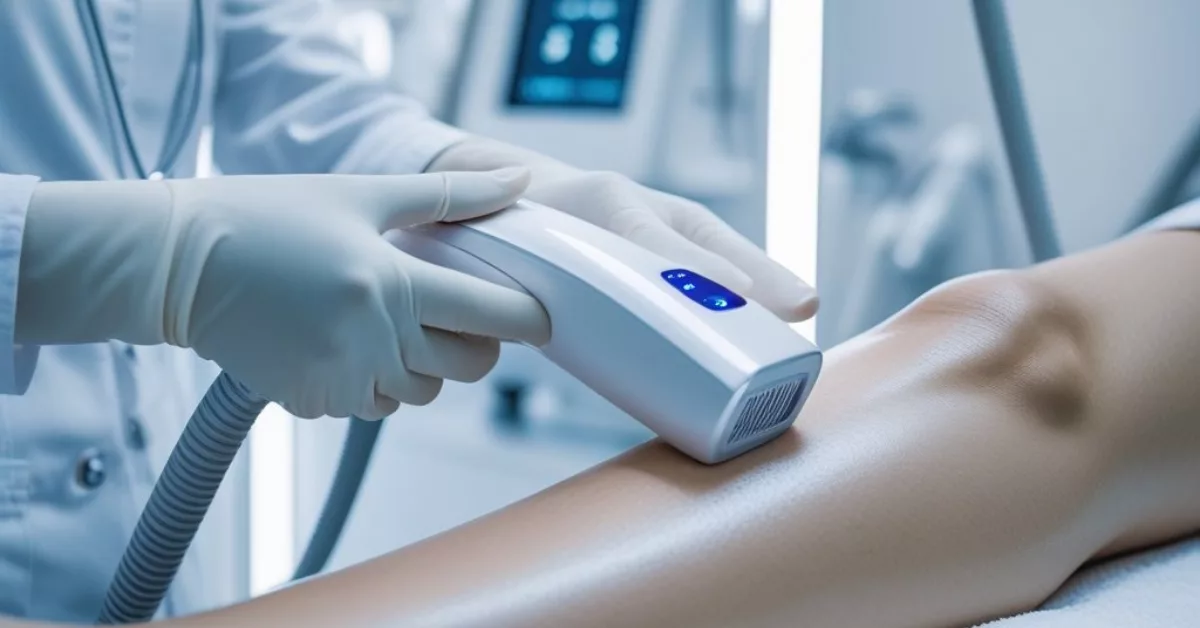
Imagine waking up on a humid morning and just walking out the door – no shaving, no ingrown hairs, no sian appointments. That’s the real gift of a solid IPL routine, and it’s why so many people quietly make the switch. Here’s who we’d actually recommend.
EstheClinic

Tucked inside Winsland House I on Killiney Road, EstheClinic has been quietly raising the bar for IPL in Singapore with French clinical standards and a genuinely pain-free experience. Their Silky Smooth IPL system is twice as fast as many competitors, tackling face, body, bikini, and even men’s grooming with equal care. It feels more like a warm light massage than a laser session – you’re out the door quickly enough to not mess up your lunch plans. The space itself is calm and unfussy, so you’re never sitting around wondering if this was a good idea.
If you’re the type who wants a no-drama, almost silent treatment and you’re out the door before you’ve finished your podcast, this is your spot. The space feels more like a calm wellness studio than a clinic, and there’s zero pressure to commit to a huge package. Perfect for the low-key session that still delivers.
Address: 3 Killiney Road, #01-03 Winsland House I, Singapore 239519. Outlets also in Orchard, Serangoon Garden, East Coast, and Holland Village.
Hours: Mon–Fri 10am–8pm, Sat 10am–6pm, closed Sun.
Phone: +65 6514 9866
Website: EstheClinic
Pick this if you want medical-grade safety without the hospital vibe, and you like the idea of a quick session before brunch in Somerset.
Japan IPL Express

Japan IPL Express strips away all the frills and gets straight to what matters – long-lasting smoothness without locking you into a package. Their ADLight™ IPL technology promises up to 99.63% hair reduction by your seventh session, and they cover everything from underarms to full body, adjusting for comfort on Singapore’s mix of skin tones. Walk in anytime between 10:30am and 9pm – no appointment, no hard sell – and they’ll get you sorted. It’s that straightforward. The Pasir Ris outlet is a good example, but you’ll find them in Jurong East and Holland Village too.
We put this list together ourselves – nobody paid to be on it. If you run something that belongs here, tell us about it.
Ideal for the unplanned life – you’re in the area, you remember your legs need attention, so you just walk in. No bookings, no sales pitch, just straight to the treatment room. It’s perfect if commitment feels like a trap and you’d rather take it one session at a time, no strings attached.
Address: 1 Pasir Ris Central Street 3, #03-01, Singapore 518457 (and multiple other outlets).
Hours: Mon–Sun 10:30am–9pm.
Phone/WhatsApp: +65 9005 0550
Website: Japan IPL Express
Perfect for busy types who hate the idea of long-term contracts and just want to pay per session, no questions asked. If you’re also levelling up your skincare, our guide to the Finest Facial Washes for Men in Singapore is worth a look.
Pink Parlour

Pink Parlour has been making hair removal feel more like a treat than a chore for twenty years, and their Plaza Singapura outlet is a breeze to reach. They offer both IPL and SHR (Super Hair Removal), which uses a gentler energy delivery – still targeting those follicles deep down but with less ouch-factor. You can tackle face, body, and intimate areas, and if you’re already there, they do facials and slimming treatments too. The vibe is bright and empowering, and they’re serious about keeping things comfortable from start to finish.
You can turn a hair removal appointment into a mini self-care afternoon, especially since they offer facials and slimming too. It’s great for when you want to feel a bit pampered without heading to a full spa. The Plaza Sing location means you can combine it with errands – practicality and a dash of indulgence.
Address: 68 Orchard Road, #04-06, Plaza Singapura, Singapore 238839. Also in Kovan and other locations.
Hours: Mon–Sat 11:15am–9pm, Sun 11:15am–7pm.
Phone: +65 8834 1265
Website: Pink Parlour
A solid pick if you want IPL that doesn’t feel clinical and you enjoy a bit of pampering along the way. For the face, we also covered the Retinol Creams in Singapore that actually deliver.
Update, August 2026: Pink Parlour has since ceased its Singapore operations.
Musee Platinum Tokyo

Musee Platinum Tokyo brings that signature Japanese attention to detail to Plaza Singapura, with a method so gentle you’ll wonder if the machine is even on. Their Smooth Skin Control (SSC) IPL filters light to reduce discomfort, targeting arms, legs, and face with shorter treatment courses, and it works across all skin types. Sessions feel quick and calm, and the space has a quiet, modern calm that’s rare in a mall – great if you’re the sort who just wants to switch off for twenty minutes. They’re also in Bugis and other spots across the island.
When the thought of IPL feels especially sian, a clinic that verges on meditative can make all the difference.
Address: 68 Orchard Road, #04-08, Plaza Singapura, Singapore 238839.
Hours: Mon–Sun 10:30am–8pm.
Phone: +65 6804 6500 | WhatsApp: +65 9487 4366
Website: Musee Platinum Tokyo
Good if you lean toward minimal fuss, maximum precision, and a treatment that feels almost spa-like in its gentleness.
Strip

Strip has been a household name in hair removal for ages, and their Paragon spot off Orchard Road makes it dead easy to pop in before or after work. They use Advanced Fluorescence Technology (AFT) IPL, which can knock out 80% of unwanted hair in about six sessions, covering underarms, Brazilian, and full body with a comfort setting called Powerpac. It’s efficient, hygienic, and the kind of place where you know exactly what you’re getting – no guesswork. With hours stretching from 9am to 9pm every day, even the earliest risers can slot a session in.
It’s the kind of place that just gets straight to the point, but in a reassuringly hygienic way. After-work appointments are unbelievably convenient – you’re in and out with time to grab a quick bite at Paragon. No frills, but exactly the kind of reliable you want when you’ve got a beach trip looming.
Address: 290 Orchard Road, #B1-20/21, Paragon, Singapore 238859. More outlets in Raffles Place and elsewhere.
Hours: Mon–Sun 9am–9pm.
Phone: +65 6337 8747 | WhatsApp: +65 8127 8747
Website: Strip
Great if you’re after a proven track record and you want the option to walk in any day of the week, even early morning. For the whole look, our guide to Hair Colour Salons in Singapore has you covered.
Wellaholic

Wellaholic’s Tai Seng HQ feels less like a clinic and more like a chill wellness lounge – they’ve built a whole ecosystem around pain-free hair removal and skin rejuvenation. Their Super Hair Removal (SHR) uses a gentler IPL variant that works on all skin and hair types, and they happily mix in facials and slimming if you’re going for the full reset. The no-nonsense, all-in-one approach means you can sort out your hair removal while tackling other concerns in one go, without feeling rushed. Transparent pricing and a no-hard-sell policy make the whole thing refreshingly straightforward.
If you’d rather sort out your skin, hair removal, and even a facial in one go, this is wonderfully efficient. The lounge vibe makes it easy to chill – bring a book, and the whole thing feels less medical, more me-time. It suits the person who values bundling and doesn’t want to bounce between multiple places.
Address: 1 Irving Place, #07-04, Singapore 369546, with other outlets across Singapore.
Hours: Mon–Fri 11am–10pm, weekends and holidays 11am–8pm.
Phone/WhatsApp: +65 6816 8088
Website: Wellaholic
Ideal if you appreciate a science-backed, transparent setup and want a treatment plan that adapts to your schedule – especially if you’re in the Tai Seng area.
Only Aesthetics

Only Aesthetics might be the most versatile on this list – they handle everything from IPL and breast enhancement to scalp care and facials, all under one roof. Their IPL targets underarms and Brazilian areas with a focus on long-term regrowth reduction, and they keep the equipment medical-grade. A 4.9-star Google rating didn’t come from nowhere: you can expect meticulous attention and a personalised approach that treats you like more than a number. They’re at Plaza Singapura, Raffles Place, Scotts Road, and Holland Village, so one’s probably near you.
For anyone with a longer list of aesthetic goals, this is a serious one-stop shop. The approach is thorough and detail-obsessed, which explains the loyal following. It’s not just about reducing hair; it’s about tailoring a plan that makes you feel taken care of from the first consultation.
Address: 68 Orchard Road, #04-06, Singapore 238839. Also at Raffles Place, Scotts Road, Holland Village.
Hours: Generally Mon–Sun 11am–8pm (confirm by branch).
Phone: Check their website for the outlet you need.
Website: Only Aesthetics
For the curious who want to try IPL while exploring other aesthetic upgrades – all with a solid reputation for quality.
We put this list together ourselves – nobody paid to be on it. If you run something that belongs here, tell us about it.
How to choose the right IPL provider in Singapore
Most people start with location – almost every chain has a presence in Orchard, so you don’t need to travel far. Beyond that, the real decision comes down to three things: your pain tolerance, your appetite for packages, and how much else you want done in one trip.
If you’ve never tried IPL and you’re a bit kancheong about pain, look for SHR or SSC technology – Pink Parlour, Wellaholic, and Musee all use gentler light delivery. If you just want to pay as you go and avoid any lock-in, Japan IPL Express is the only one that’s walk-in, pay-per-session all the way. For a more premium, medically supervised experience, EstheClinic and Only Aesthetics lean into clinic-grade standards. Strip sits in the middle with a proven, no-surprises formula.
Price-wise, a single underarm session can start from around $30 at some places, while full-body packages can cross the $1,000 mark over several months. Ask upfront how many sessions they recommend for your skin and hair type, and whether top-up sessions are included. Light skin with dark hair usually responds fastest, but newer IPL variants handle a wider range safely – mention any concerns during the patch test.
| IPL Chain | Technology | Best For | Payment Style |
|---|---|---|---|
| EstheClinic | Silky Smooth IPL | Painless, fast sessions, medical-grade safety | Premium packages |
| Japan IPL Express | ADLight™ IPL | No-commitment walk-ins, high reduction rate | Pay per session, no packages |
| Pink Parlour | IPL & SHR | Affordable luxury, holistic add-ons | Packages and single sessions |
| Musee Platinum Tokyo | SSC IPL | Gentle Japanese precision, minimal discomfort | Course-based packages |
| Strip | AFT IPL | Proven rapid results, full body | Six-session packages |
| Wellaholic | SHR IPL | All skin types, all-in-one aesthetic | Transparent pricing |
| Only Aesthetics | IPL | Multi-service, high Google rating | Check website |
Summary
From hourly walk-ins at Japan IPL Express to full medical-grade sessions at EstheClinic, these providers cover the spectrum. Pick based on your schedule, your comfort with packages, and how much else you want done in one trip. Smooth skin in Singapore’s heat is damn shiok – and once you settle into a rhythm, you’ll wonder why you waited so long.
Disclaimer: All details are accurate as of writing, but operating hours, prices, and services can change. Always confirm directly with the business before booking.
We put this list together ourselves – nobody paid to be on it. If you run something that belongs here, tell us about it.
Read next
Frequently asked questions
Is IPL hair removal permanent?
IPL reduces hair growth significantly over multiple sessions. Results can last months to years, but occasional maintenance sessions are usually needed to keep the area smooth. Most people see a major reduction after six to twelve sessions.
How many sessions will I need?
It varies by area and hair type. Providers often recommend six to twelve sessions for the best reduction. For example, Japan IPL Express reports up to 99.63% reduction by the seventh session, while Strip aims for an 80% reduction in about six.
Does IPL hurt?
It feels like a quick warm snap – far less uncomfortable than waxing for most people. Technologies like SHR and SSC are even gentler, and many people describe the sensation as a mild flick or rubber-band ping that disappears instantly.
Is IPL safe for all skin types?
Traditional IPL works best on light to medium skin with dark hair. Newer variants like SHR and SSC can safely treat a wider range of skin tones. Always have a patch test and tell your provider about any skin concerns or recent sun exposure.
How much does IPL hair removal cost in Singapore?
Prices range widely. Small areas like underarms might start around $30 per session on a pay-per-use plan, while full-body packages can run into hundreds over several months. Japan IPL Express offers per-session rates without packages, while most others sell treatment courses.
What’s the difference between IPL and laser hair removal?
IPL uses a broad spectrum of light to target hair follicles, while laser uses a single concentrated wavelength. IPL can cover larger areas faster and is often more comfortable, but both are effective. In Singapore, IPL is widely available and often suits the local climate’s demands.