Last updated 7 August 2026. This page was reviewed on that date. Prices, rates and opening hours change often in Singapore — confirm anything that matters directly with the business before you travel or spend.
Quick answer: For a truly pampering facial in Singapore, you want technique that goes deep, products that are genuinely premium, and a setting that instantly unwinds you. Senze Boutique Spa nails personalised care with therapists who have 20 years of experience, Clarins Spa delivers instant pre-event radiance, and Auriga Spa turns it into a half‑day moonlit retreat. The rest each offer a distinct reason to book—from pore extraction mastery to Japanese onsen serenity.
Choosing a facial for a parent is a quiet act of devotion. It’s not simply about treatments – it’s the comfort of a calm room, a therapist who understands ageing skin, and care that refreshes without ever feeling rushed. In Singapore, a handful of sanctuaries offer this exact tenderness, turning a simple appointment into an afternoon that says, “I see you, I honour you.”

For the full picture, Best Spa, Massage & Nails in Singapore collects 26 guides on this subject.
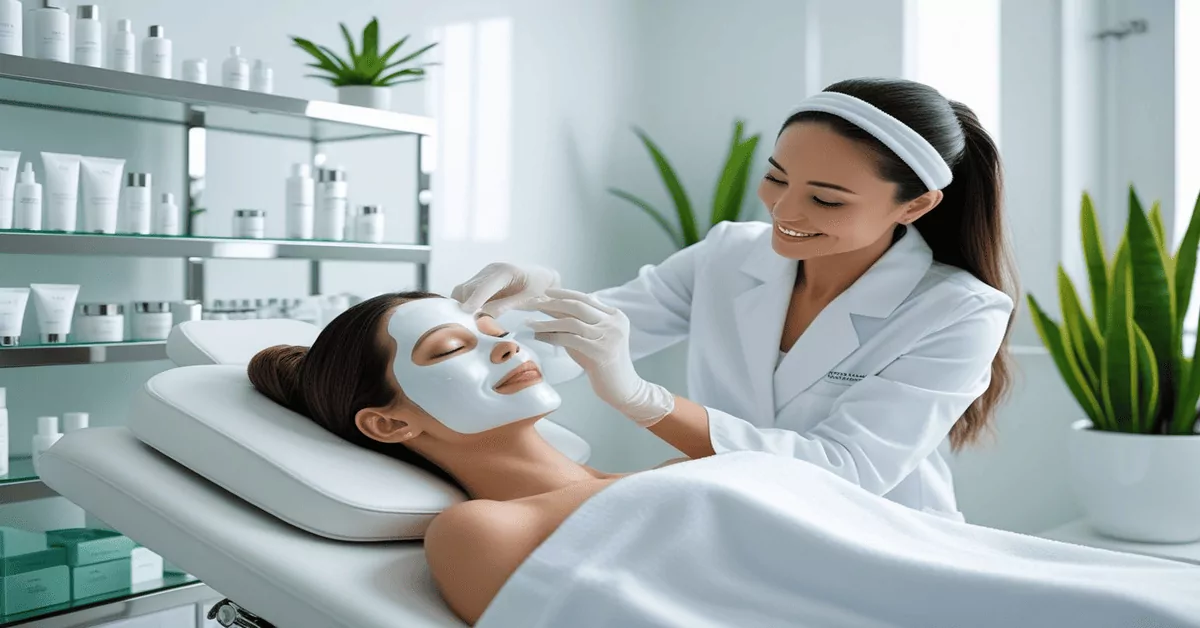
Senze Boutique Spa
At Raffles City, Senze Boutique Spa has been quietly fixing stressed‑out skin for over two decades. The therapists here don’t just go through the motions—they read your face and tailor every step, from a firm pressure‑point release along your jaw to the soothing hum of LED light therapy. Their Senze Discovery Facial puts WishPro Technology to work on moisture and stress‑induced ageing, while the “For Your Eyes Only” treatment targets fine lines and puffiness until you look like you’ve had a full night’s sleep. If late nights and air‑con have left your skin dull and tight, this is the reset button—expect to walk out with that I‑just‑slept‑10‑hours kind of plumpness.
If your parent tires easily, the short, level walk from City Hall MRT to this Raffles City haven is a gift in itself. The treatment pace is unhurried, therapists read unspoken cues of discomfort, and the pressure-point release eases jaw tension many elders carry. A deeply thoughtful choice for a parent who deserves an experience tailored entirely to their comfort.
Address: 252 North Bridge Road #02‑26B Raffles City Shopping Centre, Singapore 179103
Phone: +65 6336 4880
Hours: Mon‑Fri 10am‑9pm, Sat‑Sun & PH 9:30am‑7:30pm
Website: Senze Boutique Spa
Price: Premium; enquire for current packages.

Clarins Spa
Perched in ION Orchard, Clarins Spa brings French botanical luxury to your lunch hour—or a leisurely 90 minutes if you go all in. The Precious Treatment leans on the elusive moonflower cryoextract to lift and firm while a mix of Asian and French massage techniques works out tension you didn’t know you were holding. It’s the one friends book before a wedding or a big reunion because the radiance is instant and your skin looks noticeably tighter before you even pay the bill. No downtime, no redness—just a fresh, awake face ready for its close‑up.
For a milestone – a significant birthday, an anniversary – this orchard outpost wraps French botanical luxury in a manner that feels both celebratory and gentle. The warm, fragrant touch of moonflower extract brightens skin without any abrasion, leaving a luminescence perfect for a family dinner where your parent will feel quietly radiant.
Address: 2 Orchard Turn #04‑19 ION Orchard, Singapore 238801
Phone: +65 6838 5060
Hours: Daily 10am‑9pm
Website: Clarins Spa
Price: Premium.

EstheClinic
When breakouts make you want to hide, EstheClinic’s acne and scar removal facial cuts through the drama without a single painful moment. The pain‑free red and blue light tech targets bacteria gently—so no peeling, no hiding at home—and many notice a clearer, calmer complexion after just a few sessions. In Singapore’s humidity, that’s a godsend. They recommend 8 to 12 sessions for the full regeneration effect, and the clinic’s science‑first approach means you’re not just masking the problem; you’re sorting it at its root.
A parent who has grown self-conscious about adult breakouts or sun spots will find this pain‑free journey transformative. Without peeling or hiding at home, the gentle light therapy calms skin over a series of visits – each one a gesture of steadfast support. In Singapore’s humidity, that clarity is a confidence restored.
Address: 3 Killiney Road #01‑03 Winsland House I, Singapore 239519
Phone: +65 6514 9866
Hours: Mon‑Fri 10am‑8pm, Sat 9am‑6pm
Website: EstheClinic
Price: Premium.

Editorial round-up, not a directory listing. Missed someone worth knowing about? Send it our way.
Oasia Spa
For a proper escape that doesn’t need a passport, Oasia Spa on Sentosa feels like a mini holiday. Their Swissline by Dermalab facials wrap anti‑ageing precision in warm towels, aromatherapy, and expert massage that gets circulation moving. After your treatment, there’s a lounge with healthy snacks where you can let the glow settle in while the rain trees rustle outside. It’s the kind of afternoon that resets both skin and headspace—ideal if you’ve been running on fumes and want to feel human again by dinner.
Plan a full afternoon of escape: Sentosa’s greenery rustling outside, warm towels cocooning tired limbs, and a lounge stocked with healthy bites for an unhurried wind‑down. It’s an outing that feels like a short holiday, perfect for a parent who would never book such an indulgence themselves but will savour every minute.
Address: 23 Beach View, Palawan Ridge, Sentosa Island, Singapore 098679
Phone: +65 6818 3338
Hours: Daily 10am‑8pm
Website: Oasia Spa
Price: Premium.

Spa Esprit
On Orchard Road, Spa Esprit is for days when you want all the brightness with none of the downtime. The Crystal Tonic diamond peel microdermabrasion clears away the surface gunk, and if you really want to go deep, the Gua Sha Facial follows up with herbal compresses and steady lymphatic strokes that drain puffiness and soften fine lines. It’s the kind of treatment that makes you look like you’ve been on a week‑long cleanse—even if lunch was char kway teow. Smooth, clear, awake: that’s the takeaway.
Before a family gathering or a special reunion, this Orchard retreat delivers brightness without the downtime. The lymphatic strokes drain puffiness so naturally, your parent might look as though they’ve had a week of restful sleep. It’s the kind of treat that says, “You deserve to feel wonderfully refreshed.”
Address: 501 Orchard Rd #03‑19, Singapore 238880
Phone: +65 6479 0070
Hours: Daily 10am‑9pm
Website: Spa Esprit
Price: Premium.

Ikeda Spa
If you love the idea of a Japanese onsen but can’t fly to Hakone this weekend, Ikeda Spa in Bukit Timah is the next best thing. The 75‑minute Geisha Organic Facial works in rice bran, azuki red beans, and camellia oil—ingredients geishas have sworn by for centuries—and after your face is nourished to velvety perfection, you soak in a Hinoki wood bath. It’s a full sensory handover: the scent of cypress, the warmth, and a complexion that looks so even and calm you might forget what stress felt like.
If your parent adores Japanese tradition, the Hinoki bath alone will win their heart – cypress-scented warmth soothing older joints while the rice bran and camellia facial works its centuries‑old magic. It’s a full sensory handover where every detail, from the soft slippers to the quiet tea, conveys reverence.
Address: 787 Bukit Timah Road (Before 6th Avenue), Singapore 269762
Phone: +65 6469 8080
Hours: Daily 1:30pm‑10:30pm
Website: Ikeda Spa
Price: Premium.

My Cozy Room
Hidden above Orchard at Claymore Connect, My Cozy Room has built a quiet reputation on one thing: pore extraction that actually works without the ouch. The 22‑step signature facial uses BeKind luxury skincare, pain‑free extractions, and then soothes everything with hot stones and rose quartz crystal therapy. After one session your skin feels baby‑smooth and your pores practically vanish—it’s the kind of thorough that makes you wonder what other facials have been doing all this time. Award‑winning and deservedly so.
The discreet, tucked‑away location above Orchard makes this feel like a shared secret. The 22‑step cleansing is astonishingly thorough, yet the hot stones and rose quartz calm any nerves, leaving skin impossibly smooth. Book this when your parent wants to feel impeccably polished without any invasive sensation.
Address: 442 Orchard Road, Claymore Connect #02‑09, Singapore 238879
Phone: +65 8666 0030
Hours: Daily 10am‑10pm
Website: My Cozy Room
Price: Premium.

Auriga Spa
Sitting inside Capella Singapore on Sentosa, Auriga Spa takes “me time” to a ceremonial level. Their moon ritual facials run up to three hours, aligning with the lunar cycle to brighten and reduce wrinkles through holistic methods. You start with herbal steam rooms and peppermint showers, then sink into treatment where time slows down. It’s the one to book when you need to mark a milestone, shake off months of fatigue, or simply remind yourself that rest is a real thing—and your skin will agree, looking rested and genuinely younger.
For a milestone that calls for ceremony – a significant birthday or a quiet thank‑you – the moon ritual here offers pure indulgence. Let your parent sink into three hours of steam, peppermint showers, and lunar‑aligned care within Capella’s hallowed grounds. It’s an embrace of time and tenderness they will treasure.
Address: 1 The Knolls, Sentosa Island, Singapore 098297
Phone: +65 6591 5075
Hours: Daily 8am‑10pm
Website: Auriga Spa
Price: Premium.

How to choose
Start with what your skin is asking for right now—and how much time you actually have. If pores are the main grievance, My Cozy Room’s extraction mastery is hard to beat. Need a fast, camera‑ready lift? Clarins Spa or Spa Esprit deliver in an hour plus change with zero downtime. When the goal is a full reset of body and mind, Auriga’s three‑hour moon ritual or Ikeda’s onsen‑and‑facial combination feel less like an appointment and more like a short vacation. Location matters too: Sentosa options (Oasia, Auriga) give you greenery and sea breezes, while Orchard picks (Clarins, Senze, My Cozy Room, Spa Esprit) slot easily into a shopping day. Prices are premium across the board—budget a couple of hundred and up—so ask about packages if you plan to return. And don’t forget, a great facial is just the start. Lock in that radiance with one of our top picks for Glowing Moisturizers in Singapore, or treat the rest of you with an Indulge in Opulence body scrub. If you’re looking to level up your night routine, check out these Retinol Creams in Singapore.
| Spa | Signature Treatment | Best For | Key Feature | Price Signal |
|---|---|---|---|---|
| Senze Boutique Spa | Senze Discovery Facial | Deep hydration, stress-induced ageing | WishPro LED + pressure‑point massage | Premium; enquire |
| Clarins Spa | Clarins Precious Treatment (90 min) | Instant lifting, pre‑event radiance | Moonflower cryoextract, mixed massage techniques | Premium; enquire |
| EstheClinic | Acne & Scar Removal Facial | Breakouts, acne scarring | Pain‑free red/blue light therapy | Premium; enquire |
| Oasia Spa | Swissline by Dermalab facial | Anti‑ageing, holistic hydration | Warm towels, aromatherapy, post‑treatment lounge | Premium; enquire |
| Spa Esprit | Crystal Tonic / Gua Sha Facial | Detox, lymphatic drainage, brightness | Diamond peel microdermabrasion, herbal compresses | Premium; enquire |
| Ikeda Spa | Geisha Organic Facial (75 min) | Nourishment, relaxation | Rice bran, camellia oil, hinoki onsen bath | Premium; enquire |
| My Cozy Room | 22‑step Pore Extraction Facial | Pore congestion, firming, smoothness | Pain‑free extractions, hot stone & rose quartz | Premium; enquire |
| Auriga Spa | 3‑hour Moon Ritual Facial | Deep rejuvenation, special occasions | Lunar‑cycle alignment, herbal steam & peppermint showers | Premium; enquire |
Editorial round-up, not a directory listing. Missed someone worth knowing about? Send it our way.
Summary
Whether you need pore extraction precision, a pre‑wedding lift, or three hours of moon‑inspired pampering, these eight facials each bring something genuinely worth booking. The trick is matching the treatment to what your skin—and your soul—is asking for right now. Walk in tired, walk out glowing; that’s the whole point.
Disclaimer: Details can change; always confirm directly with the spa before booking.
Read next
Frequently asked questions
What is the price range for a luxurious facial in Singapore?
Pricing is premium and varies depending on the treatment length and products used. It’s best to contact each spa directly for current rates and any package deals.
Do these facials require multiple sessions to see results?
Some, like EstheClinic’s acne programme, work best with 8 to 12 sessions for full regeneration. Others, such as Clarins and Senze, deliver an instant glow in one session, while Auriga’s moon rituals are designed as occasional deep‑renewal experiences.
Are these treatments suitable for sensitive skin?
Yes, most of these spas personalise treatments to your skin type. Senze and Clarins are known for their tailored approach, and My Cozy Room’s extraction is gentle. Always mention any sensitivities during the consultation.
Can men book these facials?
Absolutely. All the spas welcome male guests, and many treatments address concerns like congestion, ageing, and dullness that are common regardless of gender.
Which facial is best for a quick glow before an event?
Clarins Spa’s 90‑minute Precious Treatment and Spa Esprit’s Crystal Tonic facial offer immediate brightening and firming with zero downtime, making them perfect pre‑event choices.
Is there a spa that combines a facial with a bath or wellness ritual?
Yes. Ikeda Spa pairs the Geisha Organic Facial with a hinoki onsen bath, and Auriga Spa provides herbal steam rooms and peppermint showers before its moon ritual facials. Both turn the treatment into a fuller sensory escape.