Quick answer: For global luxury, Gucci and Louis Vuitton at Marina Bay Sands are the go-to names. If you want something closer to home, Beyond the Vines and Love, Bonito do clever, wearable pieces built for real life here. Ong Shunmugam is the pick when you need something tailored and culture-rich for a special night, Benjamin Barker handles the gents, and KLARRA keeps it clean and calm for everyday polish.
In a city where first impressions can make or break a career move, the right outfit is more than personal taste—it’s strategy. These fashion brands deliver on their reputation, offering pieces that fit real bodies, last beyond a single season, and signal competence without a word. For anyone looking to invest in a wardrobe that actually works for them, this list separates the truly useful from the merely Instagrammable.
Best Online & General Shopping in Singapore holds 21 guides in this category, if you want to see what else is out there.

How to choose
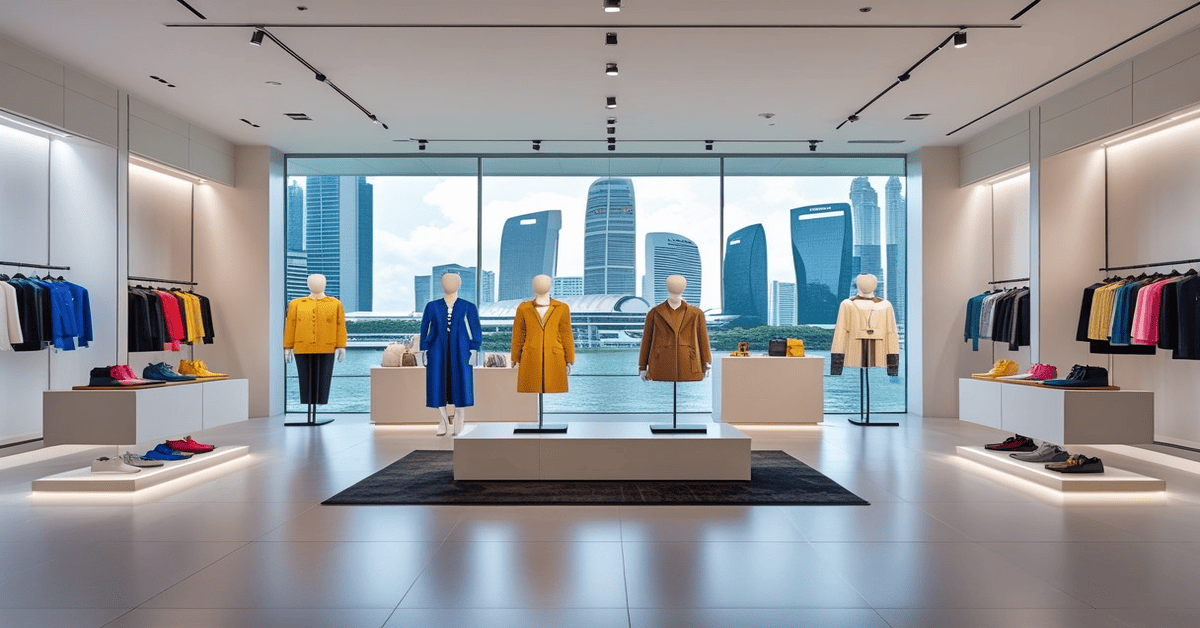
Think about the occasion and how you want to feel in the clothes. Global houses like Gucci and Louis Vuitton bring decades of craft and instant recognition—useful when you are walking into a room that matters. Homegrown labels like Love, Bonito, KLARRA and Beyond the Vines design specifically for Asian bodies and Singapore’s heat; the cuts sit better and the fabrics breathe. Benjamin Barker solves an underrated problem: finding a suit that actually fits without six rounds of alterations. Ong Shunmugam is a different category altogether—almost art you wear, particularly if you have a gala or wedding dinner and want something nobody else will be wearing. Price varies widely. A Dumpling Bag from Beyond the Vines is a thoughtful gift under a hundred; a custom Ong Shunmugam piece is an investment in four figures. Most of these brands have an online shop you can browse before heading down, which helps when you are short on time.
This is our own selection, not a paid one. Tell us if there is somewhere we should have included.
Gucci

Gucci sits in The Shoppes at Marina Bay Sands, and it has been doing Italian luxury since 1921—long enough to know when to respect tradition and when to rip up the rulebook. The boutique here is the kind of place you walk into just to look, and suddenly you are on a group chat asking if anyone wants your current wallet.
What you actually find inside: ready-to-wear for men and women, plus handbags, shoes, and accessories that lean into bold motifs rather than playing it safe. The materials feel substantial; this is not fast fashion dressed up. Singapore’s humidity is unforgiving, but a well-cut silk shirt from here holds its own. The staff at this location know their regulars by name, which says something in a city this busy.
It suits the person who has worked hard and wants the outfit to announce that before they even open their mouth. Also suits the person buying their first serious luxury piece and wanting the full experience—the tissue paper, the ribbon, the whole ritual.
Stepping into the boutique feels like a reminder that style can be both playful and powerful. It suits the professional who wants a signature bag or a sharp blazer that communicates authority before you speak. Time your visit for a milestone promotion—the experience makes the investment feel earned, not indulgent.
Address: 2 Bayfront Avenue, #B1-109 The Shoppes at Marina Bay Sands, Singapore 018972
Phone: +65 3138 2024
Hours: Daily 11:00 am – 10:30 pm
Visit Gucci Singapore
Louis Vuitton

Louis Vuitton has been around since 1854, and their Island Maison at Marina Bay Sands is a floating boutique that makes a regular store visit feel like a mini escape. French leatherwork is the backbone here—bags that your daughter will borrow in twenty years, shoes that age gracefully, and ready-to-wear that whispers status rather than shouting it.
The monogram canvas is the obvious calling card, but the leather goods in quieter finishes are worth a long look if you prefer something less logo-forward. Nautical touches in the collection nod to Singapore’s port history, and the staff are trained to make you feel unhurried even on a Saturday when the place is packed. If you have a milestone worth marking—a promotion, a big anniversary—this is where many Singaporeans come to do it.
This one is for anyone who values longevity over trends. The friend who still carries the same LV wallet from university made a quiet, smart call. It is also the default answer when someone asks where to buy a gift that says “I took this seriously.”
The Island Maison is more than a store—it’s a calm retreat where you can thoughtfully choose pieces built to outlast trends. Ideal for the person who sees a bag not as an accessory but as a companion through career milestones and family events. Go on a quiet weekday to fully appreciate the craftsmanship without the weekend crowd.
Address: Island Maison B2-36, 2 Bayfront Avenue, Singapore 018972
Phone: +65 6788 3888
Hours: Daily 10:30 am – 11:00 pm
Visit Louis Vuitton
This is our own selection, not a paid one. Tell us if there is somewhere we should have included.
Beyond the Vines
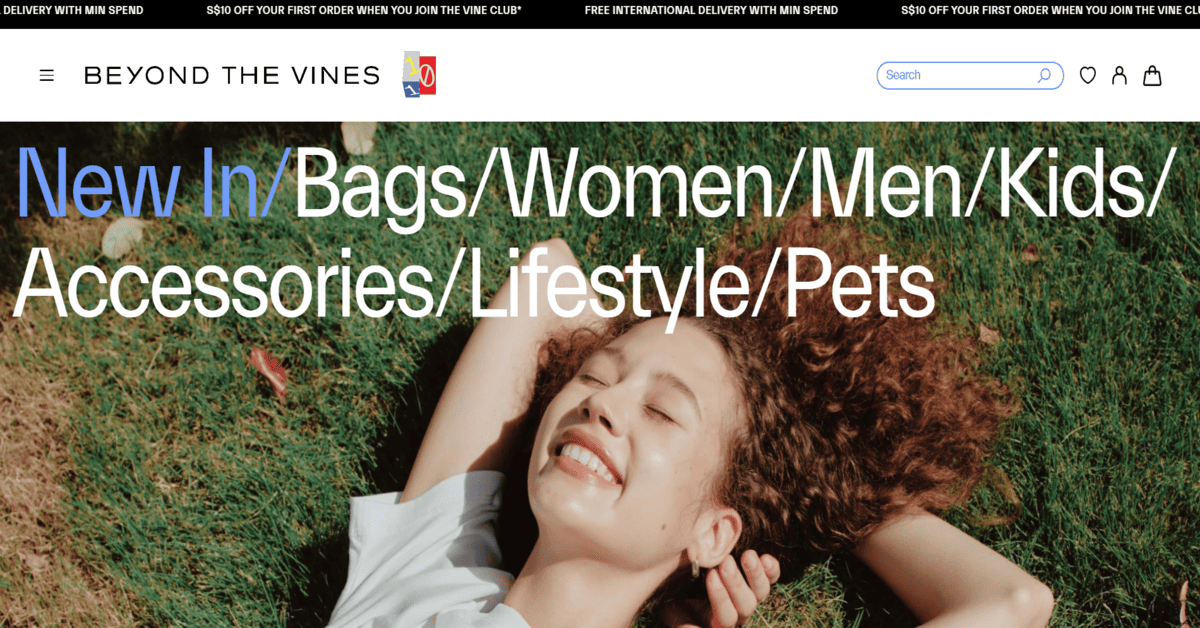
Beyond the Vines started in 2015 by a Singaporean couple who clearly understood that local dressing means looking pulled-together while surviving the MRT at noon. Their store at 391 Orchard is a clean, calm space where the clothes do the talking.
The Dumpling Bag is the item everyone seems to own, and for good reason—light, water-resistant, and shaped in a way that holds more than you think. Menswear and womenswear lean architectural and unfussy; think clean lines and fabrics that do not crumple the moment you sit down. They design for a multidisciplinary life: office in the morning, dinner at the hawker centre after, and the outfit works for both.
This brand suits the practical-minded person who still cares about design. If you have been burned by “nice” clothes that cannot handle a sudden downpour, you will get it immediately. Good for building a wardrobe of dependable, modern basics without spending luxury money.
If you’ve ever wished for a bag that survives the MRT rush and still looks sharp at a client meeting, Beyond the Vines delivers. Their clothes and accessories are cut for movement and Singapore’s humidity, making daily dressing feel less like a compromise and more like a win. The Dumpling Bag is, quite simply, a lifesaver.
Address: 391 Orchard Rd, B1 – 42 / 46, Singapore 238872
Phone: +65 8777 1810
Hours: Daily 10:00 am – 9:30 pm
Visit Beyond the Vines
If homegrown labels interest you, you might also enjoy our look at Upcoming Streetwear Brands in Singapore.
Love, Bonito
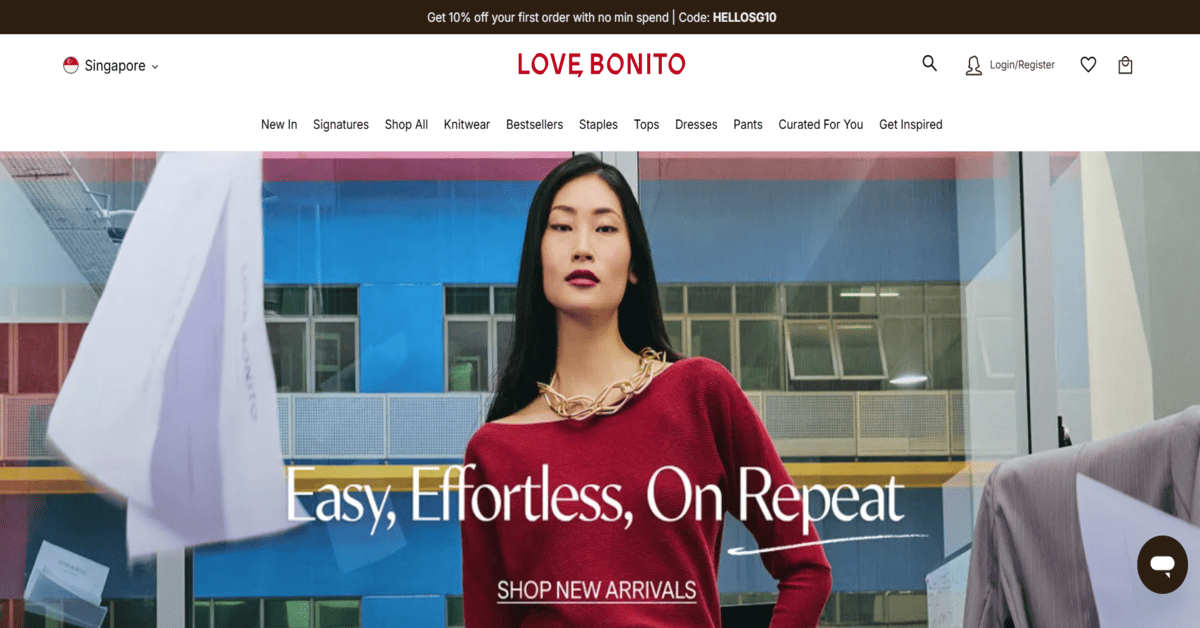
Love, Bonito’s story is pure Singapore: it began as a blogshop and grew into a multimillion-dollar brand with a flagship at ION Orchard. They design for Asian women, which means the cuts actually account for our proportions—shoulders, torso length, the works. No more safety-pinning the waist because the brand assumes every woman is built the same.
Dresses, tops, and outerwear dominate the racks, all built around the idea that your work clothes should transition smoothly to dinner without a full outfit change. They have also invested in AR shopping tools, which feels futuristic in a genuinely useful way when you are trying to decide between two sizes at home. Sustainability efforts are woven into the newer collections, so you can feel decent about what you are buying.
Love, Bonito is for the professional woman who wants to look capable and current without spending her Saturday hunting through racks. It makes a lot of sense if you have a presentation at 9 AM and a date at 7 PM and no time to go home in between.
Walking into Love, Bonito’s flagship is a relief for any woman who’s spent too long tugging at waistbands and sleeve lengths. The clothes are crafted for Asian frames, so you can focus on your presentation, not on hidden wardrobe malfunctions. Perfect for the professional who needs pieces that transition seamlessly from boardroom pitch to dinner plans.
Address: ION Orchard Flagship Store, 2 Orchard Turn #B3-02, Singapore 238801
Visit Love, Bonito
For footwear to match, see our guide to Shoe Brands in Singapore for Discerning Fashion Aficionado.
Ong Shunmugam
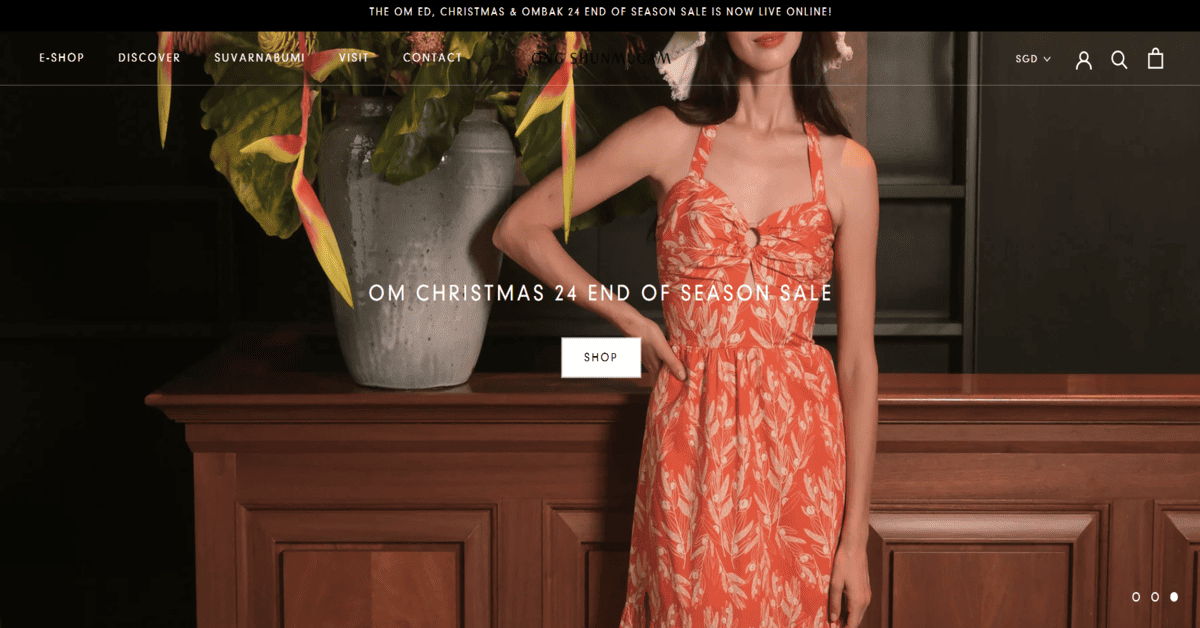
Ong Shunmugam operates from New Bahru and Chip Bee Gardens, and the moment you walk in you know this is something different. The founder studied law before turning to fashion, and you can feel a careful, intellectual approach in every piece. Southeast Asian heritage is not a costume here—it is reinterpreted through sharp tailoring and bold prints that feel completely current.
What they do best is bespoke womenswear with regional motifs woven into the fabric itself. These are limited-edition pieces; you are unlikely to walk into a dinner and see someone else in the same cheongsam. The tailoring is precise, the kind where the seamstress remembers how you like your sleeves and files it for next time.
This is the brand for cultural celebrations, weddings, and any event where you want to honour your roots while looking thoroughly modern. It suits someone who appreciates craft and is willing to wait for something made just for her.
Ong Shunmugam is where heritage becomes your personal edge. Each piece feels like a collaboration between your story and the designer’s intellect—perfect for boardroom moments or weddings where you want to be remembered. The boutique experience is personalised and unhurried, ensuring you walk out with something truly yours.
Address: 46 Kim Yam Road 01-12, Singapore 239351 (New Bahru)
Phone: +65 6322 3929
Hours: Wednesday – Sunday 12:00 pm – 8:00 pm
Visit Ong Shunmugam
Benjamin Barker
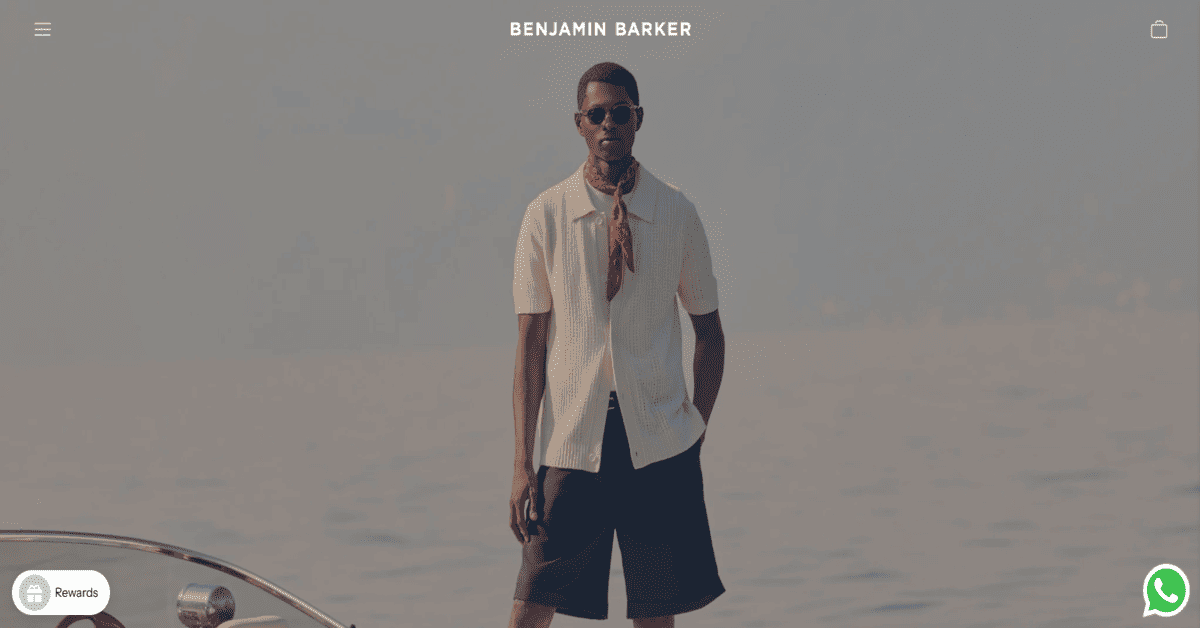
Benjamin Barker has been dressing Singaporean men since 2009, and their ION Orchard store is a quiet refuge from the mall chaos. The look is vintage-inspired but never costume-y—sharp shirts, properly constructed suits, and casual wear that still looks intentional. They pull from Japanese tailoring techniques, which means the fit is cleaner around the shoulders and waist than you might expect off the rack.
Custom tailoring is the real draw here. Premium fabrics, multiple fittings, and a result that makes you stand a little straighter. For the corporate crowd grinding through back-to-back meetings, a Benjamin Barker suit does the heavy lifting before you even speak. The brand also picked up recognition at the Singapore Fashion Awards, which tells you the industry was watching.
This is for the guy who wants to look put-together without looking like he tried too hard. Also a solid choice for grooms and groomsmen—getting everyone fitted in one place saves a lot of texting back and forth.
Benjamin Barker is a quiet ally for the man who wants to be noticed for his polish, not his loudness. Their Japanese-influenced cuts mean off-the-rack suits that look custom-made, and the store staff treat you like a regular even on your first visit. An ideal stop before a job interview or a best man’s speech.
Address: 2 Orchard Turn, ION Orchard, #B3-34, Singapore 238801
Phone: +65 6509 0601
Visit Benjamin Barker
If denim is more your speed, we also put together Where to Buy Finest Men’s Jeans in Singapore.
KLARRA
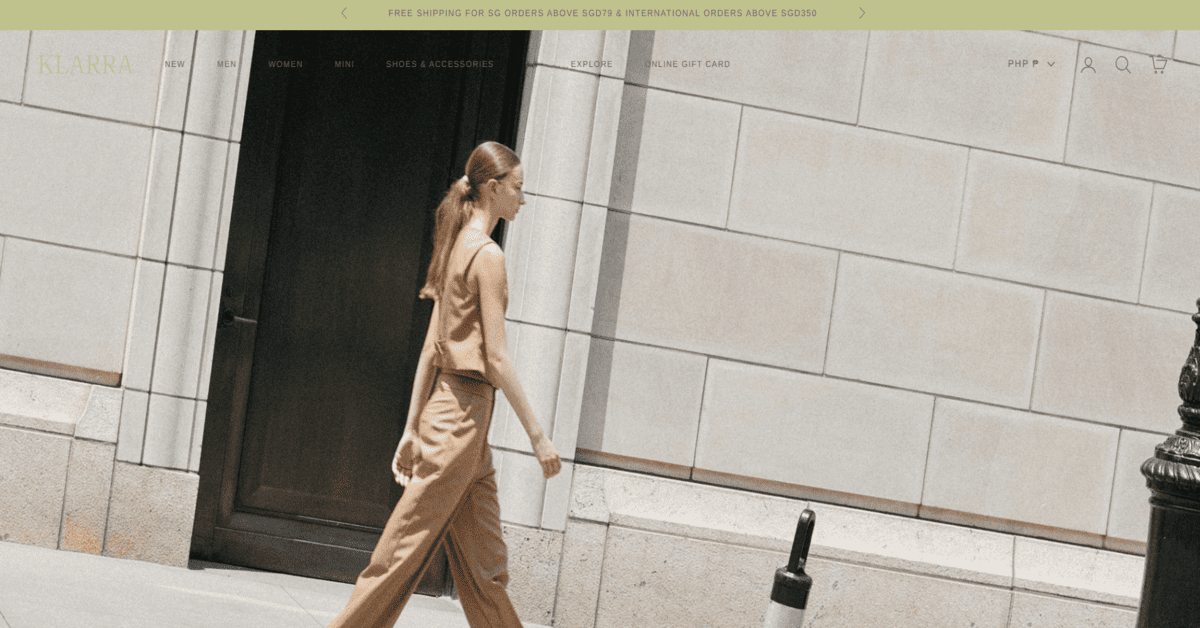
KLARRA began as a blogshop and has grown into a boutique worth visiting at ION Orchard, founded by Beatrice Tan with a clear eye for understated polish. The palette stays in pastels and neutrals; linen dresses, tailored trousers, and outerwear that do not demand attention but quietly earn it.
The designs work for professional settings and relaxed Saturdays alike. Comfort is a real priority—these are clothes you can wear for twelve hours and not want to rip off the moment you get home. Harper’s Bazaar has featured them, and regular customers talk about KLARRA the way you talk about a dependable friend: not flashy, but always right.
KLARRA suits the woman who has refined her taste and no longer needs logos to prove it. It is also good if you are rebuilding your wardrobe after a life change and want pieces that feel calm and capable.
KLARRA proves that quiet style can be a powerful tool. Their pieces move with you through long days, from morning coffee to evening cocktails, without needing an outfit change. Ideal for the creative lead or consultant who wants to look effortlessly put-together while saving mental energy for the big decisions.
Address: ION Orchard #B3-33, 2 Orchard Turn, Singapore 238801
Phone: +65 6694 5585
Hours: Daily 10:00 am – 10:00 pm
Visit KLARRA
For bags that complete the look, take a look at Singapore’s Elite Fashion Backpacks.
Summary
Singapore’s fashion landscape runs from Marina Bay Sands luxury flagships to homegrown boutiques tucked into Chip Bee Gardens. Gucci and Louis Vuitton deliver the heritage and recognition many want for big moments. Beyond the Vines, Love, Bonito, and KLARRA prove local brands can dress you for boardrooms and weekend brunches with equal ease. Ong Shunmugam and Benjamin Barker handle the occasions where off-the-rack will not do. Whatever you pick, you are buying into a point of view, not just a piece of clothing.
Details like hours and locations can change. Check with the business before heading down.
| Brand | Best For | Price Signal | Key Strength |
|---|---|---|---|
| Gucci | Statement luxury pieces | High | Italian craftsmanship, bold designs |
| Louis Vuitton | Heirloom leather goods | High | French heritage, lasting value |
| Beyond the Vines | Modern everyday wear | Mid-range | Water-resistant, functional design |
| Love, Bonito | Work-to-dinner womenswear | Mid-range | Asian fit, AR shopping tools |
| Ong Shunmugam | Bespoke cultural pieces | High | Heritage prints, custom tailoring |
| Benjamin Barker | Men’s suits and formalwear | Mid-to-high | Japanese tailoring techniques |
| KLARRA | Understated daily polish | Mid-range | Comfortable neutrals, minimalist look |
Frequently asked questions
Which fashion brand in Singapore is best for work clothes?
Love, Bonito and KLARRA both design specifically for professional women with cuts that suit Asian body shapes. For men, Benjamin Barker’s shirts and suits are built for Singapore’s corporate environment.
Where can I find a bespoke cheongsam or cultural outfit in Singapore?
Ong Shunmugam specialises in contemporary womenswear with Southeast Asian heritage prints and silhouettes. Pieces are limited-edition and often custom-fitted.
Are there good local fashion brands in Singapore that are not luxury-priced?
Beyond the Vines and KLARRA both started as homegrown labels and remain accessible. Beyond the Vines is known for the Dumpling Bag and clean architectural clothing, while KLARRA focuses on linen and pastel womenswear.
What is the best place to buy a luxury handbag in Singapore?
Louis Vuitton at Marina Bay Sands and Gucci at the same mall are two of the most recognised options. Both carry full handbag collections and offer the full boutique experience.
Do these brands have online stores?
Yes, all seven brands have websites you can browse and often purchase from. Love, Bonito even offers AR-assisted shopping tools online.
Where should I shop for a men’s tailored suit in Singapore?
Benjamin Barker offers custom tailoring with Japanese-influenced techniques and premium fabrics. They have multiple stores, including at ION Orchard and Suntec City.