Last updated 7 August 2026. This page was reviewed on that date. Prices, rates and opening hours change often in Singapore — confirm anything that matters directly with the business before you travel or spend.
Quick answer: The NARS Radiant Creamy Concealer (S$49) and Shiseido Synchro Skin Self-Refreshing Concealer (S$46) are the two most reliable all-rounders for our climate. If you want serious brightening with built-in sun protection, reach for Clé de Peau Beauté (from S$105). Hourglass and Huda Beauty are the go-tos for a vegan, full-coverage matte moment that actually stays put.
Finding a concealer that refuses to budge in our climate is a skill in itself. This guide is for the woman who plans her look around a packed schedule – from air-conditioned offices to humid hawker centres – and needs formulas that work as hard as she does. We have focused on full-coverage, humidity-resistant options that keep skin looking fresh and polished, not patchy, through the longest Singapore day.

For the full picture, Best Makeup & Fragrance in Singapore collects 27 guides on this subject.
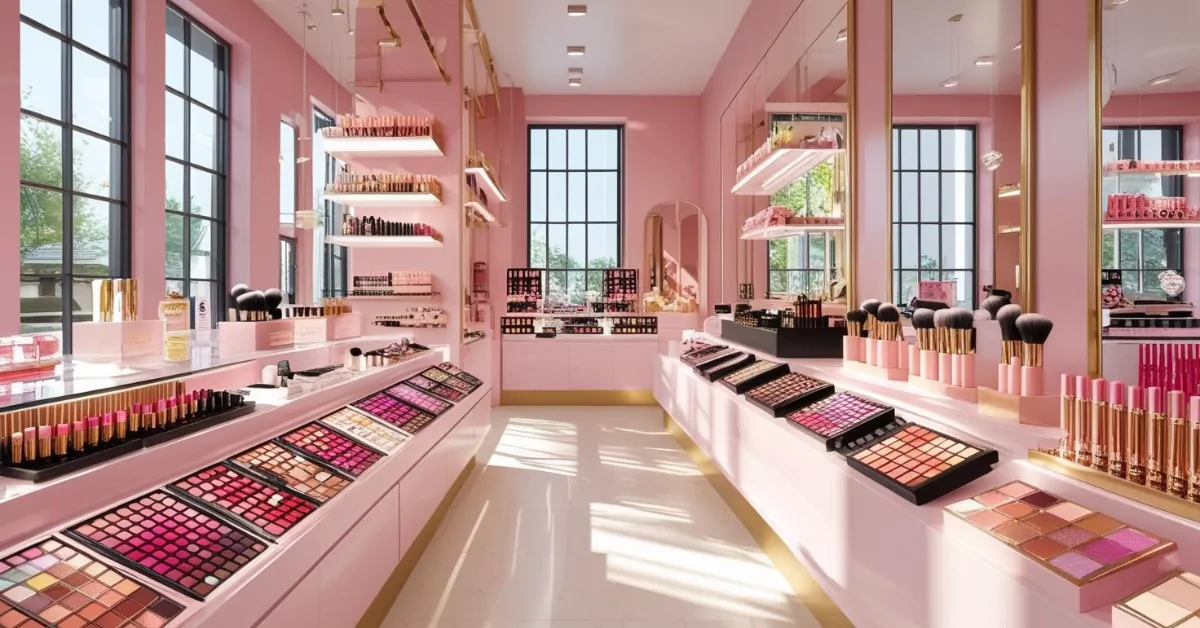
Finding a concealer that does not slide off by lunch, settle into fine lines, or look like a mask under our noon sun – that search is real. But once you find the one, it changes the whole morning: a few dots and you look like you slept, even when you absolutely did not. These seven are what beauty counters across the island keep selling out of. There is something here whether you are covering a late night, a breakout, or just want even-toned skin that still looks like skin.
Editorial round-up, not a directory listing. Missed someone worth knowing about? Send it our way.
NARS

You will find the NARS boutique tucked inside Takashimaya on Orchard Road, and the counters are usually busy for good reason – their base products really deliver in humidity. The Radiant Creamy Concealer (S$49) is the one that put them on the map here. It builds from medium to full coverage without that heavy, painted-on look, and the formula carries vitamin E and grape seed extract, so it hydrates while it hides dark circles and redness. The texture is what keeps people coming back: dense enough to cover, fluid enough to blend out with a fingertip. In a place where air-conditioning and outdoor heat alternate all day, this one adapts well and does not crease into fine lines by 3pm.
Commuters who apply concealer on the MRT and expect a seamless finish by the office will find this one delivers. The counter at Takashimaya gets busy, so go early on a weekday to get matched without the queue. It suits anyone who wants a reliable, everyday formula that blends with minimal effort.
Address: 391 Orchard Road, #B1-53, Singapore 238873
Phone: +65 6235 1537
Price: Around S$49
Website: narscosmetics.com.sg
This is the one to pick if you want one concealer that does everything – under-eyes, blemishes, quick touch-ups before a dinner after work. The shade range is wide enough that you are likely to find your exact match, not a compromise. If you have been cycling through drugstore options that oxidise by evening, this upgrade pays for itself in confidence.
Shiseido

Shiseido approaches concealer the way a skincare lab would – and that is what makes the Synchro Skin Self-Refreshing Concealer (S$46) such a clever pick for Singapore. The formula is built on self-refreshing technology that essentially resists heat, humidity and sweat for 24 hours, so it looks fresh well past the MRT rush. Coverage lands at medium-to-full, and it blends into the skin with a soft natural finish that never reads cakey. There are skincare actives woven through the formula too, meaning it is quietly treating your skin while you go about your day.
Treat makeup as an extension of skincare and this formula feels like an ally. It is ideal for long days that start with school drop-off and end with a client dinner, because it truly does not need touch-ups. The finish reads as your skin, just more even, and the self-refreshing technology quietly does all the heavy lifting.
Address: 182 Cecil Street, Frasers Tower, #18-01, Singapore 069547 (office; find counters at ION Orchard #B2-51)
Price: Around S$46
Website: shop.shiseido.com.sg
This is the workhorse for anyone who commutes. If your mornings are rushed and you do not have time for midday fixes, the Shiseido concealer holds steady. It also plays well with sunscreen and light foundation, which is exactly what you want when the humidity index is unkind but you still need to look put-together.
Editorial round-up, not a directory listing. Missed someone worth knowing about? Send it our way.
Clé de Peau Beauté

The Clé de Peau Beauté concealer is an investment, priced between S$105 and S$115, but the people who use it are rarely tempted back to anything else. You find it at the ION Orchard boutique, and the experience of even testing it feels considered – the creamy stick brightens under-eyes immediately and comes with SPF25/PA+++, which matters more than we admit in a place with year-round UV. What sets it apart is the long game: the formula is designed to treat pigmentation over time, not just cover it, so your skin actually improves with consistent use. In our humidity, it resists creasing beautifully and gives a lit-from-within radiance that makes foundation optional some days.
Stepping into the ION Orchard boutique feels calm and unhurried, and the staff take their time to show you how a tiny dab goes a long way. This concealer is for someone who sees the upfront cost as a long-term investment; a single stick lasts for months and the brightening effect remains unmatched under any light.
Address: 2 Orchard Turn, #B1-19, Singapore 238801
Phone: +65 8940 7100
Price: Approximately S$105–S$115
Website: cledepeau-beaute.com/sg
This suits someone who wants their makeup to double as skincare and does not mind paying for that synergy. If concealer is the one product you wear daily, upgrading here gives you sun protection, brightness and skin repair in a single swipe.
Some people chase the perfect lipstick with the same energy – we have a Finest Lipsticks in Singapore guide for when you are ready to round out the pouch.
Hourglass

Hourglass is 100% vegan and cruelty-free, but nobody is buying it just for the ethics – they buy it because the formulas are quietly brilliant. The Vanish Airbrush Concealer (S$61) gives full coverage that somehow feels weightless, and the Hidden Corrective Concealer (S$58) is the one to reach for when you need to neutralise discolouration precisely. Both are waterproof and long-wearing, built for a climate where makeup can melt by midday. Vitamin E is baked into the formulas, so there is hydration and some UV-damage reversal happening underneath the pigment. The finish blurs rather than masks – you see skin texture, just a much better version of it.
If you find most full-coverage concealers too heavy, the Vanish Airbrush will surprise you with its weightless feel. It is the kind of formula that lets you look done but not overdone. The Hidden Corrective Concealer is a lifesaver for pinpoint concealing of pigmentation, helping you achieve an even canvas without multiple layers.
Where to find: Sephora stores including ION Orchard and Marina Bay Sands
Price: S$61 (Vanish Airbrush), S$58 (Hidden Corrective)
Website: hourglasscosmetics.com
Hourglass suits anyone who hates the feeling of heavy makeup but still wants proper coverage. The vegan angle also makes it an easy pick if that aligns with your values, and the brand has a modern, sleek restraint that feels right for Singapore’s polished-but-relaxed style.
Dior

Walking into the Dior boutique at Ngee Ann City feels like stepping into a Parisian apartment, and the Forever Skin Correct Concealer (S$63) has a lot of that same understated luxury. It is a multi-use stick that handles dark circles, redness and even light contouring, with 24-hour wear that does not dry out your skin as the hours pass. The formula is moisturising and non-caking, which matters enormously in air-conditioned offices that can sap moisture from makeup. Floral extracts sit inside the formula, a nod to Dior’s gardens in France, and they genuinely help keep things comfortable on the skin. The finish is luminous but not shiny – that refined middle ground that takes a few tries to nail.
The environment alone – a charming Parisian-apartment feel at Ngee Ann City – makes the trip worthwhile, but the concealer stands its ground beautifully. It is ideal for those who want a single multi-use stick to handle both undereye brightening and spot concealing, saving precious morning minutes. The comfortable texture holds up even in aggressive aircon.
Address: 391 Orchard Road #01-19, Singapore 238872
Phone: +65 6734 2388
Price: S$63
Website: dior.com/en_sg
This is the pick when you want one product that can travel from a morning meeting to an evening event without reapplying. The moisturising element makes it gentler on mature or dry skin, and the shade range has genuinely workable undertones for Asian skin tones.
Once the face is sorted, the rest tends to follow. Our Lash Extensions in Singapore round-up has the studios that keep eyes looking awake even when you are running on kopi alone.
Huda Beauty

Huda Beauty landed in Sephora Singapore and immediately found a following among women who want coverage that does not apologise for itself. The Fauxfilter Luminous Matte Liquid Concealer (S$50) is full-coverage, crease-proof for a claimed 14 hours, and dries down to a soft matte that still reflects a bit of light – hence the “luminous matte” name. Sweet almond oil and vitamin E give it enough slip to blend easily, and the oversized applicator means one dip covers a lot of ground. For our humidity, the matte finish is the selling point: it stays in place through sweaty commutes and over-air-conditioned offices without separating.
When you need coverage that lasts from a morning lecture to late-night supper with friends, this is the one that stays put. The luminous matte finish strikes a balance: shine-free but not flat. It pairs perfectly with a light dusting of powder for a full day out in Singapore’s humidity, and the formula never feels tight.
Where to find: Sephora stores island-wide (ION Orchard, VivoCity and others)
Price: S$50
Website: hudabeauty.com
Huda suits someone who wants their concealer to actually conceal – full stop. If you are dealing with dark spots, acne scarring or deep-set dark circles and have been frustrated by sheer formulas that barely make a dent, this one delivers. It also photographs well, which is something to keep in mind for weddings and events.
Bobbi Brown

Bobbi Brown built its reputation on making skin look like skin, and the Skin Concealer Stick (S$64) follows that philosophy faithfully. Found at counters like Parkway Parade, the stick glides on and blends out sheer or full depending on how you layer it, with coffee seed oil keeping the undereye area moisturised through 12 hours of wear. It is sweat- and water-proof, which is non-negotiable here, and the finish is natural rather than flat-matte or dewy. The brand’s artist heritage shows in how it colour-corrects without obvious pigment sitting on the surface – it just looks like you had a good night and drank enough water.
This concealer caters perfectly to the no-makeup makeup devotee. It is so skin-like that you can use it on barefaced days just to brighten the under-eyes, and it layers seamlessly over sunscreen. The counter at Parkway Parade offers a quiet, unhurried space to get personalised advice without the usual town crowd.
Address: 80 Marine Parade Road #01-83, Singapore 449269
Phone: +65 8773 1092
Price: S$64
Website: bobbibrown.com.sg
This is the concealer for women who do not want to look like they are wearing concealer. Professionals, new mums, anyone who values a polished but believable finish will find this one sits comfortably in a minimal routine. It is also a forgiving texture on drier under-eyes, which makes a real difference as we age.
Dressing well has the same quiet payoff. If you are refreshing the wardrobe too, our Men’s Clothing Brands in Singapore guide covers the local tailors and labels worth a visit.
How to choose
Concealer is deeply personal – what works for your best friend might oxidise on you. Here is what to think through before you buy.
Coverage vs. finish. Full coverage (Huda, Hourglass) hides more but can feel heavier. Sheerer formulas (Bobbi Brown, Shiseido) let skin peek through and are more forgiving if you are new to makeup. Some, like NARS, sit in the middle and build nicely.
Undertone matching. Singapore’s beauty counters are good at this – let them swatch on your jawline, not your wrist. The right match disappears into your skin. Brands like NARS and Dior have extensive shade ranges with clear warm, cool and neutral options.
Skincare extras. Clé de Peau Beauté brings SPF and pigment treatment; Shiseido has self-refreshing technology. If you are trying to simplify a multi-step routine, these add real value beyond colour.
Price range. Expect to spend between S$46 and S$115 for a prestige concealer in Singapore. The S$45–S$65 range covers most of the market and includes formulas that perform beautifully in our climate. The jump to Clé de Peau is about long-term skin improvement, not just coverage.
| Brand | Hero Product | Price (S$) | Best For |
|---|---|---|---|
| NARS | Radiant Creamy Concealer | ~49 | All-round coverage with a radiant finish |
| Shiseido | Synchro Skin Self-Refreshing Concealer | ~46 | Long wear through heat and humidity |
| Clé de Peau Beauté | Concealer SPF25 | ~105–115 | Brightening with skincare and sun protection |
| Hourglass | Vanish Airbrush / Hidden Corrective | 58–61 | Full-coverage, vegan and waterproof |
| Dior | Forever Skin Correct | 63 | Multi-use concealer with a moisturising finish |
| Huda Beauty | Fauxfilter Luminous Matte | 50 | High-coverage matte that stays put |
| Bobbi Brown | Skin Concealer Stick | 64 | Natural, skin-like finish for minimal routines |
Summary
A good concealer in Singapore works across two environments that could not be more different: the sticky heat between buildings and the dry chill of mall air-conditioning. The seven here manage that transition well, whether you prioritise skincare benefits, full coverage or a finish that looks like nothing at all. Pick one that matches how you actually live – not an aspirational makeup routine – and a little goes a long way toward looking rested and ready.
Details can change, so confirm directly with the brand or counter before heading down.
Read next
Frequently asked questions
Which concealer is best for Singapore humidity?
Shiseido Synchro Skin and Hourglass are both built with heat and humidity resistance in mind. Huda Beauty’s matte formula also stays put well when the weather is sticky.
What is the best concealer for dark circles?
NARS Radiant Creamy Concealer is a favourite for its buildable coverage and light-diffusing technology. Clé de Peau Beauté brightens immediately and treats pigmentation over time.
Which concealer is best for mature or dry skin?
Dior Forever Skin Correct and Bobbi Brown Skin Concealer Stick both bring moisturising ingredients and a non-caking texture that is more forgiving on drier under-eyes.
Where can I buy Huda Beauty concealer in Singapore?
Huda Beauty is exclusive to Sephora stores around the island, including ION Orchard and VivoCity. It is also available online with local shipping.
Does Clé de Peau Beauté have SPF?
Yes, the Clé de Peau Beauté concealer includes SPF25/PA+++, which adds meaningful daily sun protection for the delicate under-eye area.
How much does a good concealer cost in Singapore?
Prestige concealers here generally range from about S$46 to S$115. Most of the reliable, well-loved formulas sit between S$49 and S$65.