Last updated 11 August 2026. This page was reviewed on that date. Prices, rates and opening hours change often in Singapore — confirm anything that matters directly with the business before you travel or spend.
Quick answer: Singapore’s must-visit attractions span candlelit classical concerts (Candlelight SG), a Hollywood theme park (Universal Studios Singapore), an indoor garden built around a 35m waterfall (Cloud Forest), an iconic infinity pool (Marina Bay Sands), and a river-themed wildlife park (River Wonders). We verified each business’s registration against ACRA-sourced records — all five resolve to live, legitimate entities, with two worth a precision note: Candlelight SG’s registered activity code looks like an odd mismatch at first glance but is independently corroborated as correct, and the UEN cited for Universal Studios Singapore represents Universal’s own licensing entity rather than Resorts World Sentosa, the theme park’s actual on-the-ground operator.
You have put in the hours, and now you are claiming an evening that pays you back. This shortlist of Singapore attractions is built for that after-dark reward: candlelit music, skyline swims, and misty escapes that feel like a secret you earned. Pick one, treat it like a well-deserved private celebration, and let the night do the rest.

1. CANDLELIGHT SG

CANDLELIGHT SG, (a sole proprietorship registered 9 July 2021), brings the global Candlelight concert series to Singapore — candlelit classical, jazz, pop, and film-score tributes performed by live musicians. ACRA-sourced registry records confirm the business is live. Finding, disclosed: this UEN’s listed primary activity is “friendship, match-making and dating services” — an odd-looking mismatch — but its secondary listed activity is event/concert organising, and independent corroboration (companies.sg, matching the exact same registered address) confirms this is the correct entity behind the Candlelight brand in Singapore, not a wrong UEN. Likely a small business that registered broadly and never updated its primary SSIC code as its focus shifted.
For a milestone that calls for hushed elegance, Candlelight SG sets the scene with flickering multi-sensory concerts. The real ritual is in the prep: book far in advance for the best seats, especially if your date falls near a major public holiday. The glow of hundreds of candles makes even a simple anniversary feel like a private, atas moment — just be sure to have a backup plan if the venue is outdoors and the monsoon season looms.
Products or Services
CANDLELIGHT SG hosts concerts spanning classical, jazz, pop, movie soundtracks, and ballet, including tributes to artists like Hans Zimmer, Taylor Swift, Vivaldi, Coldplay, and Queen, at venues including CHIJMES Hall and The Arts House. Private event bookings and gift cards are also available.
Contact Information & Location
Concerts are held at various venues, including CHIJMES Hall (30 Victoria St, Singapore 187996) and The Arts House (1 Old Parliament Ln, Singapore 179429).
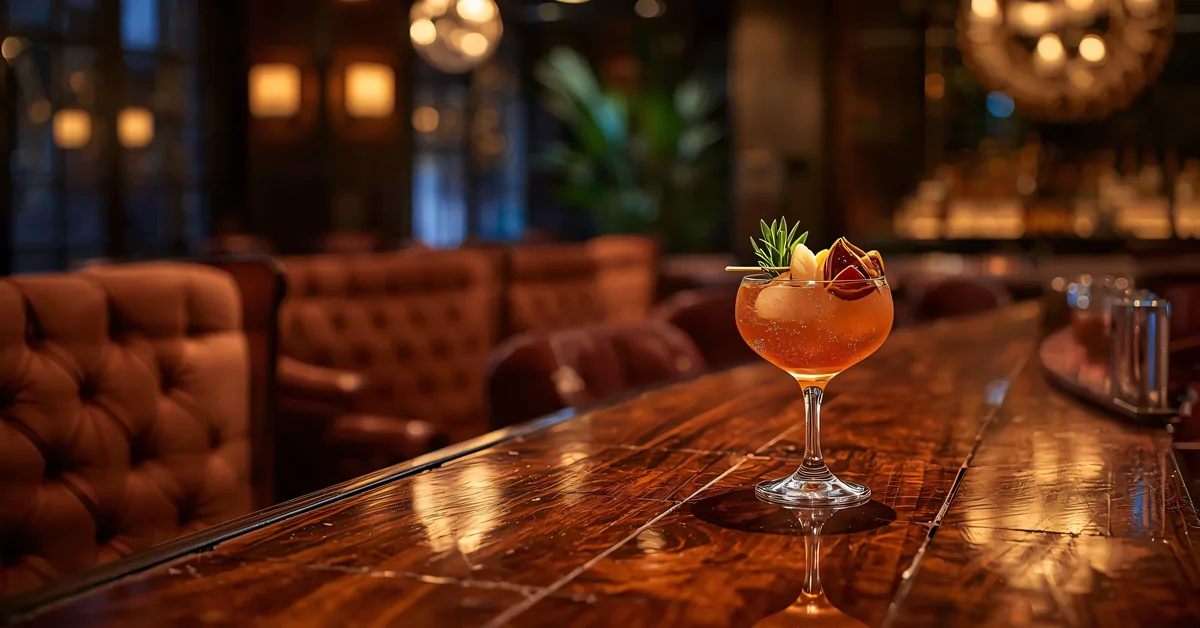
Candlelight concerts turn a regular evening into something quietly luxurious. Choose a programme that matches your mood—string quartets playing pop hits or a jazz trio in flickering light. It is the kind of refined night out that feels like a private recital, with none of the usual concert-hall formality, and it leaves you walking back into the warm night with something still humming inside.
Website: CANDLELIGHT SG
2. Universal Studios Singapore

Universal Studios Singapore, on Sentosa Island, is Southeast Asia’s first and only Universal Studios theme park. Finding, disclosed: (incorporated 13 November 2013) is registered to Universal Pictures (Singapore) Holdings Pte. Ltd. — ACRA-sourced registry records confirm this company is live, with a principal activity of regional head-office administration. This is Universal’s own local licensing/holding entity, not the day-to-day operator of the physical theme park — independent corroboration confirms the park is owned and operated by Genting Singapore (via Resorts World Sentosa) under license from Universal, a separate legal entity from the one cited here. Both are legitimate, connected entities; the distinction is licensor vs. operator, not an error.
Stepping into Universal Studios Singapore is like entering a reel of your favourite blockbusters. The themed zones transport you from the prehistoric world of Jurassic Park to the futuristic streets of Sci-Fi City. Thrill-seekers can brave the dueling coasters, while little ones giggle at Sesame Street shows. The evening street parade and pyrotechnics over the lagoon create a magical finale, making every moment feel like a scene from a movie you never want to end.
Products or Services
The park features rides including Revenge of the Mummy, Transformers The Ride, and Battlestar Galactica, interactive shows like WaterWorld, and themed zones including Hollywood, New York, Sci-Fi, Ancient Egypt, Far Far Away, and Minion Land. Universal Express passes are available to reduce waiting times.
Contact Information & Location
For a full-throttle day where you forget about inboxes and deadlines, this theme park delivers. The rides are built for adrenaline, but the little details—film sets, character encounters—reward the observant. Go on a weekday to feel like you have beaten the crowd, then wind down as the park lights up at dusk and the thrill slowly gives way to a satisfied kind of calm.
Address: 8 Sentosa Gateway, Singapore 098269. Operating Hours: typically 10 AM–8 PM, last admission 8 PM (subject to change — check the official site before visiting).
Website: Universal Studios Singapore
3. Cloud Forest

Cloud Forest, part of Gardens by the Bay, offers a cool, misty indoor mountain habitat with one of the world’s tallest indoor waterfalls. (incorporated 11 November 2011) is registered to Gardens by the Bay itself. ACRA-sourced registry records confirm the organisation is live, with a principal activity of botanical/zoological garden operation — an exact match.
For a proposal or a quiet anniversary, the Cloud Forest offers a cool, mist-swathed sanctuary away from the city’s heat. Timing is everything: slip in on a weekday morning, well before the lunch crowd, to have the waterfall’s roar as your private soundtrack. The lush vertical garden feels like a world apart — just right for a moment that demands its own hush.
Products or Services
Cloud Forest features a 35m indoor waterfall, plants native to cloud forest habitats including carnivorous species, the digital art experience The Hidden Forest (with Japan’s NAKED, INC.), and Jurassic World: The Experience.
Contact Information & Location
Even a short walk inside feels like stepping into a nature documentary. The cooled dome is a welcome reprieve from Singapore’s humidity, and the waterfall’s drift sets the pace for a slow, restorative wander. It is a low-effort reward that leaves you feeling refreshed and ready for the rest of your itinerary, especially when you time it for a late-afternoon pause.
Address: 18 Marina Gardens Dr, Singapore 018953. Operating Hours: daily 9 AM–9 PM, last admission 8 PM (subject to change — check the official site before visiting).
Website: Cloud Forest
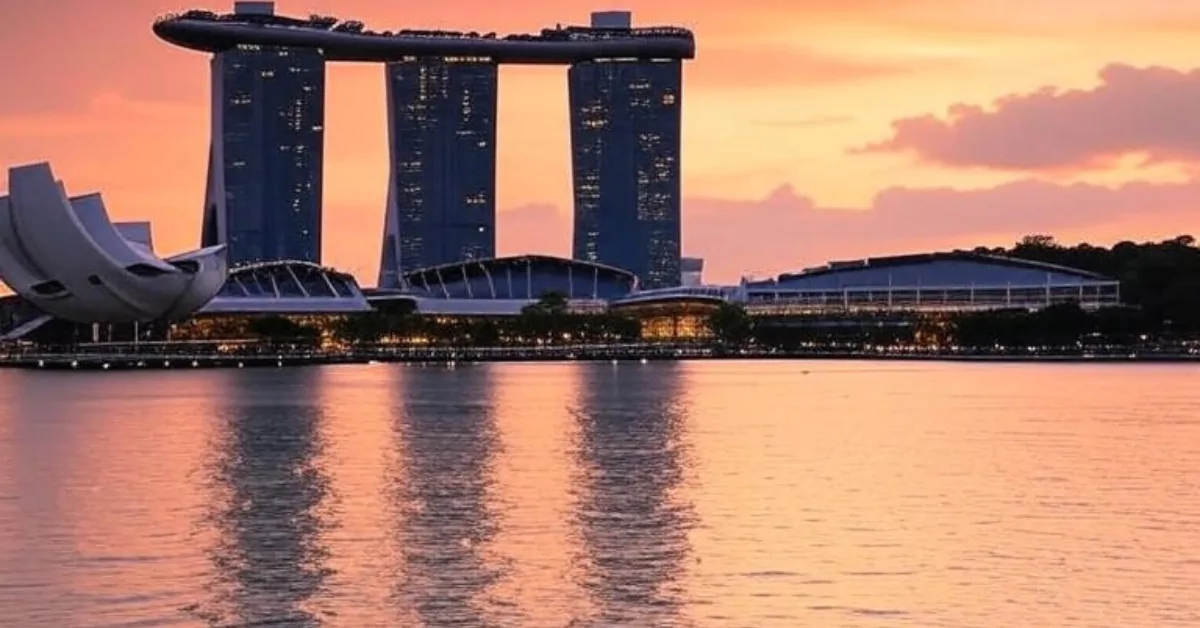
4. SkyPark Infinity Pool (Marina Bay Sands)

Marina Bay Sands Pte. Ltd., (incorporated 27 May 2005) operates the integrated resort’s SkyPark Infinity Pool, offering panoramic city skyline views. ACRA-sourced registry records confirm the company is live, with real estate development as its principal activity (hotels as secondary) — consistent with its status as a full integrated resort operator.
The infinity pool at Marina Bay Sands is less a swim and more a rite of passage for a landmark birthday or anniversary. The real move is to book a stay during off-peak windows — think post-Deepavali or pre-CNY lull — when the pool deck feels less like a MRT platform and more like your own private sky. Sunset dips here turn a special date into an indelible memory.
Products or Services
The infinity pool, exclusive to hotel guests, includes family and children’s sections, towels, sun loungers, and complimentary sunscreen. The resort also offers the Spectra light and water show, MARQUEE Nightclub, AVENUE Lounge, the ArtScience Museum, fine dining, and luxury shopping.
Contact Information & Location
Floating high above the city, this pool transforms a swim into a memory that sticks. The best time to claim a spot is late afternoon, when the sky softens and the city lights begin to flicker on. It is the kind of reward you plan a trip around, and for good reason: the view alone makes the ordinary feel astonishingly far away.
Address: 10 Bayfront Ave, Singapore 018956. Pool access is exclusive to hotel guests; the SkyPark Observation Deck is open to the public for a fee. Operating Hours: pool 6 AM–12 AM daily (subject to change).
Website: Marina Bay Sands
5. River Wonders

River Wonders, part of the Mandai Wildlife Reserve, showcases river ecosystems and wildlife from around the world. (incorporated 28 May 2013) is registered to Mandai Park Holdings Pte. Ltd., the group holding company behind the Mandai Wildlife Reserve parks (which include River Wonders, Singapore Zoo, Night Safari, and Bird Paradise). ACRA-sourced registry records confirm the company is live, with a principal activity of holding-company operations — an expected pairing for a park under a larger reserve group, not a wrong entity.
For a family milestone or a tranquil date, River Wonders offers a meandering journey through freshwater habitats. The quiet thrill is in the timing: plan your visit around the giant panda’s feeding window to see the star resident at its most active. The boat ride lends a gentle rhythm to the day, perfect for marking a birthday that values calm discovery over frenzy.
Products or Services
River Wonders features zones replicating river ecosystems with animals including giant pandas, otters, and Amazonian creatures, plus stroller/wagon rentals, complimentary wheelchairs, nursing rooms, and gift shops.
Contact Information & Location
This river-themed wildlife park is a quiet standout. The star attractions are equally mesmerising, and the winding, shaded paths give you room to breathe. Visit when the gates open for a calm, crowd-free stroll before lunch, and leave with a satisfying sense of having done something meaningful—the sort of unhurried outing that feels like a wise use of a slow morning.
Address: 80 Mandai Lake Rd, Singapore 729826 (within the Mandai Wildlife Reserve). Check the official site for current operating hours and ticket information.
Website: River Wonders
Summary
Singapore’s must-visit attractions span candlelit classical concerts (Candlelight SG), Hollywood-themed thrills (Universal Studios Singapore), an indoor garden built around a 35m waterfall (Cloud Forest), an iconic infinity pool (Marina Bay Sands), and family-friendly wildlife (River Wonders). All five are confirmed live, ACRA-registered businesses as of July 2026, with two precision notes disclosed above (Candlelight SG’s odd-looking SSIC and Universal Studios’ licensor-vs-operator distinction) rather than glossed over.
Attraction Overview Table
For marking a milestone, this carefully compiled table takes the guesswork out of choosing an experience that feels momentous. Each option—from intimate candlelit concerts to cinematic thrills at Universal Studios—comes with location cues, so you can picture the setting and logistics. It’s especially handy when you’re balancing multiple calendars or need a fallback if your first choice books out, letting you pivot gracefully without dampening the occasion.
| Attraction | Key Features | Location |
|---|---|---|
| CANDLELIGHT SG | Candlelit concerts across classical, jazz, pop, and more | CHIJMES Hall, The Arts House |
| Universal Studios Singapore | Movie-themed rides, shows, and zones | 8 Sentosa Gateway, Singapore 098269 |
| Cloud Forest | Indoor waterfall, exotic plants, digital art | 18 Marina Gardens Dr, Singapore 018953 |
| Marina Bay Sands | Infinity pool, Spectra show, nightlife, dining | 10 Bayfront Ave, Singapore 018956 |
| River Wonders | River ecosystem zones and wildlife | 80 Mandai Lake Rd, Singapore 729826 |
Disclaimer: Information here was verified directly against ACRA-sourced registry records as of July 2026. Operating hours, ticket prices, and admission policies can change — please check each attraction’s official website before visiting. If you find any errors or have concerns about the content, please let us know so we can address them promptly.
Before you head out, glance at the overview table below—it is your shortcut to comparing the essentials without opening a dozen tabs. Everything here was checked against registry records as of July 2026, so you can plan your well-earned outing with confidence and zero surprises, the way a proper reward should be.