Last updated 7 August 2026. This page was reviewed on that date. Prices, rates and opening hours change often in Singapore — confirm anything that matters directly with the business before you travel or spend.
Quick answer: For old-school Peranakan, head to Joo Chiat Kim Choo. If you want a modern, hotel-dining spin, Man Fu Yuan and Peach Blossoms deliver. Plant-based eaters should look straight at Nature Vegetarian Delights. Crystal Jade, Wan Hao, and Shang Palace bring Michelin finesse to the humble zongzi. Every spot here hand-wraps something worth queueing for.
Forget the ribbon and the hype. A good Nyonya rice dumpling is about layers of spice and tender meat that make you feel like you chose well, not like you got tricked by a pretty package. These picks deliver satisfaction that sticks with you, whether you’re treating yourself after a long week or bringing something decent to the family potluck.

One of 51 guides in Best Chinese Food & Dim Sum in Singapore — worth a look if you are still weighing options.
We put this list together ourselves – nobody paid to be on it. If you run something that belongs here, tell us about it.
Joo Chiat Kim Choo

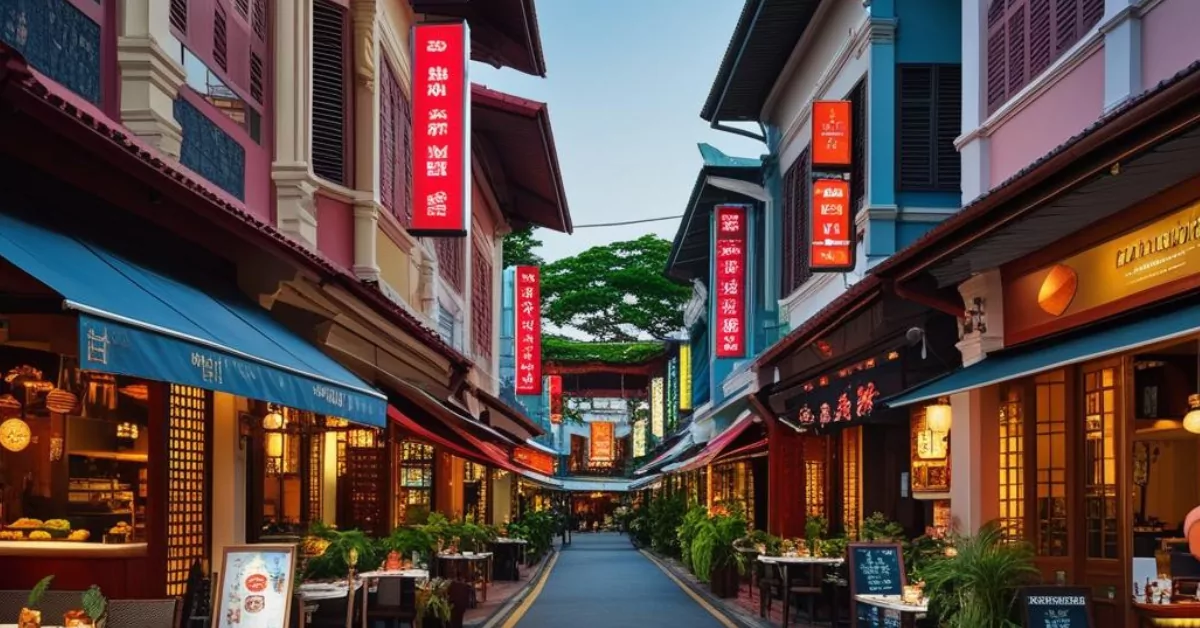
This is the one your grandmother would approve of. Sitting in a shophouse on Joo Chiat Place, Kim Choo has been at it since 1945, and the Peranakan recipe hasn’t budged. They hand-wrap every single dumpling, and you can taste the decades of practice in the layered spices.
The signature Nyonya Rice Dumpling comes with tender pork and candied winter melon. For something that looks as good as it tastes, the Blue Pea Nyonya variant swaps in a natural blue tint from pea flowers. The Hokkien Rice Dumpling, with its salted egg yolk, is a more savoury, substantial option.
This is the kind of food that makes you want to stock the freezer. The queue can be long during festive seasons, but the staff are quick and the aroma alone is worth the wait.
The kind of dumpling that makes you walk into a family gathering feeling quietly proud. It’s traditional, hand-wrapped, and tastes like something that took decades to perfect. Grab a few extra because someone will ask you where you got them. Worth the trip to Joo Chiat, even if parking is a headache.
Address: 60 Joo Chiat Place, Singapore 427784
Phone: +65 6741 2125
Hours: Daily, 9am – 9pm
Joo Chiat Kim Choo Website
While you’re here: Best Sichuan Food in Singapore — when only proper mala heat will do.
Man Fu Yuan

Up on the second floor of InterContinental Singapore, Man Fu Yuan takes the rice dumpling into territory most cantonese kitchens don’t dare. The Kimchi Rice Dumpling with Kurobuta cured meat and mushrooms brings a spicy, fermented kick that somehow works brilliantly with sticky rice. The Sweet Pumpkin Duo with black sesame is almost a dessert, and the Giant Classic Cantonese Rice Dumpling with red quinoa and premium fillings is a centrepiece for a family dinner.
The restaurant has been recognised by Singapore Tatler and is quietly one of the city’s most consistent hotel dining rooms. Lunch seatings are strict – two slots on weekends – so book ahead if you’re heading there for a meal. The dumplings themselves are often available for takeaway, too.
Adventurous palates will find this hotel dumpling a bold surprise, spiked with kimchi in its sticky rice. It’s a conversation starter at any potluck and shows you didn’t just grab the usual. The plush setting also means you can pick up in aircon comfort, which is a small luxury on a sticky day.
Address: 80 Middle Road, Level 2 InterContinental Singapore, Singapore 188966
Phone: +65 6825 1008 / 1062
Hours: Lunch weekdays 12pm – 3pm, weekends & PH 11:30am – 3pm (two seatings); Dinner 6pm – 10pm
Man Fu Yuan Website
We put this list together ourselves – nobody paid to be on it. If you run something that belongs here, tell us about it.
Nature Vegetarian Delights

The moment you think a vegan rice dumpling can’t be satisfying, Nature Vegetarian Delights hands you one that changes your mind. Their outlet at Upper Serangoon Shopping Centre is a pilgrimage for plant-based foodies, and they ship islandwide. The Traditional Salty Dumpling gets the savoury balance right without any meat, while the NVD Mala Dumpling brings heat that lingers. The Black Multigrain Angelica Sinensis Dumpling tastes like a nutritious hug, and the Blue Pea Nyonya Rice Dumpling keeps the colour and texture familiar.
They have more branches around Singapore, so check their website to find the one nearest you. If you’re feeding a mixed group of vegetarians and omnivores, a box of these dumplings saves you from cooking two separate meals.
Even meat lovers double-take at how satisfying a plant-based dumpling can be. The savoury balance is spot on, and the mala version gives a clean, spicy heat that wakes you up. Great when you want a dumpling that doesn’t sit heavy afterwards—perfect for a guilt-free tea break or when you’re watching your waistline without suffering.
Address: 756 Upper Serangoon Road, #04-01 Upper Serangoon Shopping Centre, Singapore 534626 (More branches here)
Phone: +65 6286 8028
Hours: Daily, 9am – 9pm
Nature Vegetarian Delights Website
If you’re also into local halal chicken rice, don’t miss our guide to Halal Chicken Rice Havens in Singapore for Sophisticated Palate.
Crystal Jade

Crystal Jade has been a household name for decades, and their rice dumplings carry the same polish you’d expect from a brand with multiple Michelin Bib Gourmand awards. The handcrafted pork belly dumpling, fragrant with five-spice, is the one most people come back for. They also do versions with abalone or chestnut, all wrapped in glutinous rice that’s been steamed to just the right bite.
Their Holland Avenue outlet is a reliable spot for an effortless meal, but the dumplings are also available for takeaway across many of their locations. You’ll find them during the Dragon Boat Festival and sometimes outside of it, so it’s smart to call and check.
When you don’t want to gamble on an unknown, Crystal Jade delivers a solid, familiar satisfaction. The five-spice aroma alone is enough to make the whole coffeeshop jealous. It’s the sensible choice that still feels a bit atas, especially the abalone version for occasions where you want to show some effort without losing your mind over preparation.
Address: 241 Holland Avenue, Singapore 278976
Phone: +65 6734 6866
Hours: Daily, 11am – 10pm
Crystal Jade Website
And for a caffeine fix, our Coffee Havens in Singapore for Discerning Caffeine Aficionados list has you covered.
Peach Blossoms

Inside PARKROYAL COLLECTION Marina Bay, Peach Blossoms treats the rice dumpling like a seasonal art piece. The Traditional Abalone dumpling with slow-braised Kurobuta pork belly and shiitake mushrooms is the kind of thing you bring to an important family dinner to show you didn’t just grab something from the supermarket. The Premium X.O. Cantonese version with abalone and smoked duck is another conversation starter, and they even offer vegetarian options that don’t feel like an afterthought.
The restaurant has a One-Diamond Black Pearl Restaurant Award and has been listed in Asia’s 50 Best Restaurants extended list. The dining room is elegant without being stiff, and the service is polished. Dumplings are typically available during the festival period, and pre-orders are encouraged.
To make an impression without saying a word, bring this dumpling. The abalone and kurobuta pork belly feel indulgent in the best way, almost too pretty to unwrap. Perfect for visiting the in-laws or a business dinner where you know the host will appreciate something a cut above the usual.
Address: 6 Raffles Blvd, Level 5 PARKROYAL COLLECTION Marina Bay, Singapore 039594
Phone: +65 6845 1118
Hours: Lunch weekdays 12pm – 3pm, weekends 11:30am – 3pm; Dinner 6pm – 10pm
Peach Blossoms Website
Similarly, if claypot rice is your thing, our Claypot Rice Experiences in Singapore guide is worth a read.
Wan Hao

Wan Hao sits inside Singapore Marriott Tang Plaza Hotel on Orchard Road, and its dumpling menu is not afraid to experiment. The Mala-Inspired Pork Trotter with Szechuan green peppercorn gives you a tingly, numbing sensation that contrasts nicely with the sticky rice. The Cordyceps Flower and Purple Glutinous Rice Dumpling is a more health-conscious pick, and the savoury options with peanuts and preserved vegetables are deep, earthy, and comforting.
The restaurant’s dim sum and Cantonese dishes are already well-regarded in dining guides, so the dumplings feel like a natural extension of their kitchen’s personality. It’s a good spot to bring out-of-town guests who want a taste of Singapore with a modern twist.
If you like a little sensation with your snack, the mala version here gives a pleasant tingle without overwhelming. The purple rice option feels modern and slightly healthier, so you can tell yourself it’s practically a superfood dumpling. Good for when you’re feeling curious but still want the comfort of sticky rice.
Address: 320 Orchard Road, Singapore Marriott Tang Plaza Hotel, Singapore 238865
Phone: +65 6831 4605
Hours: Lunch 11:30am – 3pm; Dinner 6pm – 10pm daily
Wan Hao Website
Shang Palace

Shang Palace at Shangri-La Singapore is the kind of place where the rice dumpling becomes a gift. The Red Fermented Bean Curd Pork Belly and Peanut Rice Dumpling is earthy, rich, and unmistakably Cantonese. The Sweetened Purple Rice with homemade kaya is a dessert dumpling that feels like a nod to local breakfasts. And for when you want to go all out, the premium versions with abalone or dried oysters are available.
Having held a Michelin star in the past and consistently listed in Tatler’s guides, the kitchen’s attention to detail is apparent the moment you unwrap a dumpling. Lunch seatings are split into two slots on weekends, and the dining room has a quiet, grown-up atmosphere that suits a slow meal.
The red fermented bean curd filling is earthy and rich, exactly what you want when you’re craving depth. The kaya dessert dumpling is a clever twist that bridges savoury and sweet, making it a neat conversation piece at any gathering. A solid pick when you’re treating yourself after a long week, no apologies needed.
Address: 22 Orange Grove Road, Shangri-La Singapore, Singapore 258350
Phone: +65 6213 4398
Hours: Lunch Mon–Fri 12pm – 2:30pm, Sat–Sun & PH 11am – 12:30pm & 1pm – 3pm; Dinner 6pm – 10pm daily
Shang Palace Website
We put this list together ourselves – nobody paid to be on it. If you run something that belongs here, tell us about it.
How to choose
Start with the occasion. If you’re recreating a nostalgic family meal, go for Joo Chiat Kim Choo – the Nyonya flavours are unchanged and the hand-wrapping is the real deal. Hosting a dinner where you want to impress? Man Fu Yuan or Peach Blossoms offer imaginative fillings and presentation that feel special. For a purely plant-based spread, Nature Vegetarian Delights is the only dedicated vegan option on this list, and they do it well.
Next, think about flavour profile. Traditionalists will lean towards Crystal Jade or Shang Palace for classic Cantonese with premium ingredients. If you’re after a spicy kick, Wan Hao’s mala version and Man Fu Yuan’s kimchi dumpling are the ones to try. The sweet dumplings – like Shang Palace’s kaya rice or Man Fu Yuan’s pumpkin sesame – are lovely as a dessert course.
Availability matters. Most places ramp up production around the Dragon Boat Festival (usually May or June), but some sell year-round. Call ahead to confirm stock and whether pre-orders are required. If you’re planning to give them as gifts, consider the packaging – hotel restaurants often box them more elegantly.
At a glance: Rice dumpling spots compared
| Brand | Highlight | Flavour Profile | Price Range | Best For |
|---|---|---|---|---|
| Joo Chiat Kim Choo | Nyonya Rice Dumpling | Traditional Peranakan | Check with the business | Nostalgic heritage |
| Man Fu Yuan | Kimchi Rice Dumpling | Innovative Cantonese | Check with the business | Adventurous fine dining |
| Nature Vegetarian Delights | Vegan Dumplings | Plant-based savoury | Check with the business | Health-conscious foodies |
| Crystal Jade | Abalone or Chestnut Dumplings | Premium classic | Check with the business | Michelin-level indulgence |
| Peach Blossoms | Traditional Abalone | Contemporary Cantonese | Check with the business | Seasonal artistry |
| Wan Hao | Mala-Inspired Pork Trotter | Bold and spicy | Check with the business | Modern twists |
| Shang Palace | Red Fermented Bean Curd Pork Belly | Classic Cantonese | Check with the business | Elegant gatherings |
Summary
From a Joo Chiat shophouse to a Shangri-La dining room, these seven places prove a rice dumpling can be much more than a festival snack. Whether you’re after a vegan-friendly bite, a Michelin-starred experience, or just a taste of old Singapore, there’s a dumpling here with your name on it. Buy a few extra to keep in the freezer – you’ll thank yourself later.
Disclaimer: Details like opening hours and menu items can change. Always confirm directly with the business before heading down.
We put this list together ourselves – nobody paid to be on it. If you run something that belongs here, tell us about it.
Read next
Frequently asked questions
What is a rice dumpling?
A rice dumpling, or zongzi, is a parcel of glutinous rice stuffed with savoury or sweet fillings, wrapped in bamboo leaves, and steamed or boiled. It’s traditionally eaten during the Dragon Boat Festival, but many Singaporeans enjoy it year-round.
When is the Dragon Boat Festival?
The date changes each year according to the lunar calendar, typically falling in May or June. Check the current lunar calendar for the exact date, as most of these shops ramp up their production around that time.
Are these rice dumplings available all year?
Some places, like Joo Chiat Kim Choo and Nature Vegetarian Delights, sell them daily. Others, especially the hotel restaurants, may offer them only during the festival period or by pre-order. It’s wise to call ahead.
Can I order rice dumplings for delivery?
Several of these businesses, including Joo Chiat Kim Choo and Nature Vegetarian Delights, have online ordering or delivery options. Check their websites for the latest delivery details and minimum order requirements.
Are there vegetarian or vegan rice dumpling options?
Yes, Nature Vegetarian Delights specialises entirely in vegan rice dumplings. Peach Blossoms and Crystal Jade also occasionally offer vegetarian versions. Always confirm the ingredients with the restaurant.
How should I store and reheat rice dumplings?
Keep them refrigerated for a few days or freeze for longer storage. To reheat, steam for 10–15 minutes or microwave wrapped in a damp paper towel. Avoid boiling them directly, as the leaves can turn soggy.