Last updated 12 August 2026. This page was reviewed on that date. Prices, rates and opening hours change often in Singapore — confirm anything that matters directly with the business before you travel or spend.
Quick answer: Nuffield Dental handles single teeth, complex zygomatic cases, and everything in between across a dozen locations. T32 Dental Group leans hard on digital planning and Straumann implants, with a near-99% success rate. Affordable Dental Implants starts from $2,200 all-in. OMFP and Implantdontics bring consultant-level surgical and prosthetic care under one roof. Tooth Stories keeps things natural and ethical, and Trust Dental Surgery opens late. Pick based on your budget, case complexity, and how fast you want to sink your teeth into proper char kway teow again. For a broader look at oral care, see our Dental Services in Singapore guide.
Dental implants are a serious investment, and quality means different things depending on your bone health, timeline, and budget. This guide cuts through the marketing to show you which clinics are built for complex surgical needs, which prioritise same-day convenience, and where the value genuinely holds up.

Best Doctors & Specialists in Singapore is the parent list here, with 40 guides covering everything in this area.
Nuffield Dental

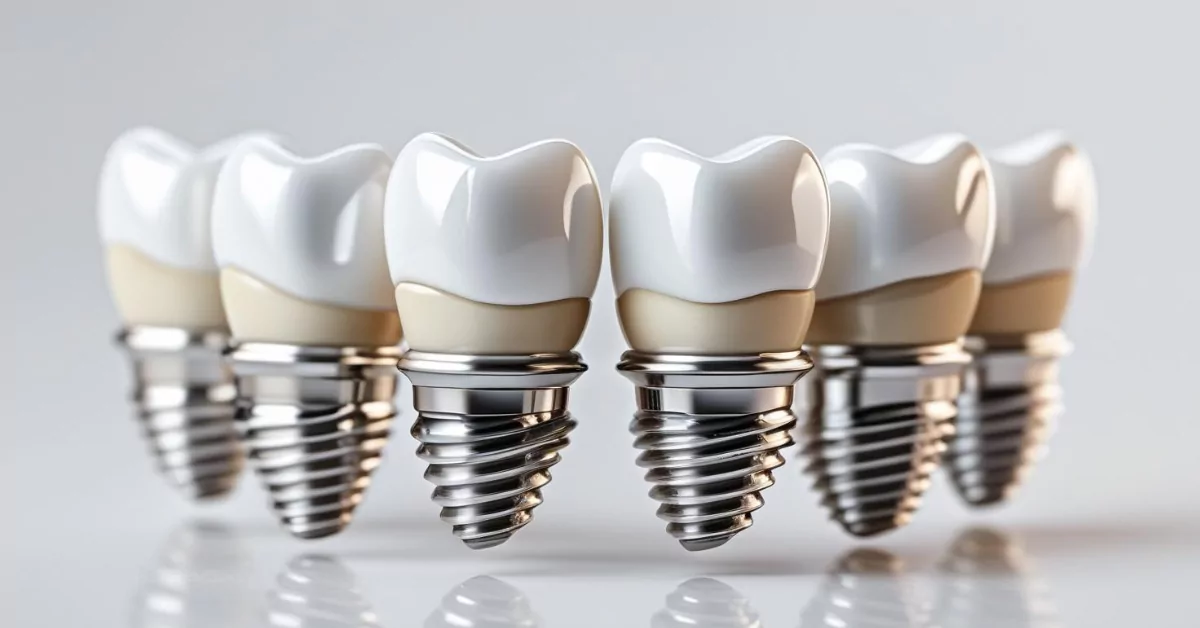
With clinics scattered from Raffles Place to Jewel, Nuffield Dental is the one you’ve probably walked past without realising they’ve been doing implant work for over twenty years. Their surgeons handle straightforward single-tooth jobs and the kind of tricky cases where jawbone density is low—they offer zygomatic implants that anchor into the cheekbone when regular implants won’t take. Everything runs on titanium, designed to stop the bone loss that comes from a missing tooth, and they’ll do bone grafting if you need extra support first. This is a team that’s grown fast for a reason—The Straits Times and a global research firm listed them as one of Singapore’s fastest-growing companies seven years running.
Who it suits: If your case is anything from one missing molar to a full set that needs replacing, and you want a big team with branches near home, this is steady ground. They also have metal-free implant options for people who prefer to avoid metal in their mouth altogether.
📍 Novena Medical Center #09-26, 10 Sinaran Drive (and branches in Raffles Place, Seletar, Kovan, Serangoon Gardens, Siglap, Simpang Bedok, Holland Village, Westgate, HarbourFront, Jewel)
📞 +65 6397 2739
🕗 Mon–Fri 9am–6pm, Sat 9am–1pm (check your branch)
🌐 nuffielddental.com.sg
Nuffield Dental suits the patient who wants a clinic that has seen it all—from routine single-tooth replacements to zygomatic solutions when bone volume is severely compromised. The multi-location presence means you can tie a consultation to your usual neighbourhood errands, and the two-decade track record gives you the confidence that even complex anatomy is routine here.
T32 Dental Group

T32 runs on digital—computer-aided planning, 3D imaging, and an in-house lab so your crown is designed and milled right there at Camden Medical Centre. They lean on Straumann implants, which carry a near-99% success rate over the long haul, and they do the minimally invasive keyhole version when you want less downtime. Full-mouth rehabilitation through the Pro Arch or All-on-4 route is their bread and butter. You can claim Medisave for the surgical part, and the team covers sedation if the chair makes you nervous. They’ve collected the Singapore Prestige Brand Award for five straight years and Straumann’s Infinite Award in 2022 for the highest implant volume among Singapore chains, so the numbers speak for themselves.
Who it suits: If you want the procedure mapped out on screen before anything touches your gum, and you trust a brand that handles high volume with consistent precision, this is for you. The keyhole option is a real draw if recovering quickly matters.
📍 Camden Medical Centre #17-00, 1 Orchard Boulevard (also Capital Tower, Marina, Clementi, Jurong, Holland Drive, Boon Lay)
📞 +65 6733 1388 (Camden)
🕗 Mon–Fri 9am–6pm, Sat 9am–1pm
🌐 t32dental.com
We keep these lists updated by hand. If you run something that fits, get in touch before the next revision.
If you want a procedure that feels almost assembly-line precise, T32’s digital workflow is the draw. The in-house lab trims weeks off the wait for your final crown, and the keyhole option means you can have the work done on a Friday and be back at your desk by Monday. Their focus on full-mouth rehabilitation makes them a strong pick when multiple teeth need addressing at once.
The Oral Maxillofacial Practice (OMFP)

Set inside Mount Elizabeth Novena Specialist Centre, OMFP is a maxillofacial surgery practice first—the kind of place you go when your implant needs sit on the surgical end of the spectrum. They’ll do single teeth or full arches with titanium fixtures, and if your bone volume isn’t enough, they draw on natural or synthetic grafting materials to build the foundation before placing the implant. The restorations won’t slip or shift, and the bone underneath stays preserved because the implant stimulates it like a natural root. Medisave offsets help with the surgical bill.
Who it suits: If your case is more complex—perhaps bone loss from years of missing teeth—or you just prefer a consultant-led surgical approach in a private specialist centre, this is a reassuring choice.
📍 Mount Elizabeth Novena Specialist Centre #11-56, 38 Irrawaddy Road
📞 +65 6737 3093
🕗 Mon–Fri 9am–5pm, Sat 9am–1pm
🌐 omfp.com.sg
OMFP is the destination when the implant journey begins with a surgical challenge. Their maxillofacial focus means you get a specialist who thinks in three dimensions about your facial structure, not just the gap in your smile. The Novena specialist-centre setting feels calm and clinical—exactly the atmosphere you want when grafting is part of the conversation.
Implantdontics Cosmetic and Implant Dentistry

Also at Camden Medical Centre, Implantdontics feels more boutique—the kind of quiet Orchard-facing clinic where the consult doesn’t feel rushed. They handle everything from single implants to full-mouth rehabilitations, with an in-house ceramic studio so you can walk out with your permanent crown the same visit. Their team covers prosthodontics, oral surgery, and periodontics under one roof, meaning the specialist who designs your crown talks directly to the surgeon who placed the post. That collaboration cuts down on the back-and-forth that some longer cases need.
Who it suits: If you want a relaxed, unhurried experience where the same team designs and finishes your smile, this is a good fit. The one-visit crown is handy if you’re flying in and out or just can’t stand multiple appointments.
📍 Camden Medical Centre #10-02, 1 Orchard Boulevard
📞 +65 6737 7022
🕗 Mon–Fri 9am–6pm, Sat 9am–1pm
🌐 implantdontics.com
Implantdontics works well for the patient who values a single-visit outcome without feeling processed. The in-house ceramic studio turning out a same-day permanent crown keeps the timeline tight, and having all three specialities—prosthodontics, surgery, periodontics—under one roof eliminates the to-and-fro of referrals, so your treatment plan stays under one team’s watch.
Affordable Dental Implants

This one runs a transparent pricing model—implants start from $2,200 GST included, which covers the consult, X-ray, implant fixture, and the crown, all under one roof. They have an on-site lab, so same-day crowns are standard, and you can claim up to $1,250 from Medisave. Even at that price, they report a 98% success rate and use locally manufactured crowns that they stand behind for the long term. The clinic sits on Kerbau Road, a short walk from Little India MRT.
Who it suits: If the thought of a five-figure bill has been the only thing holding you back, this is the straight-up value pick. The pricing includes everything from the first scan to the final crown—no guessing.
📍 12 Kerbau Road, Singapore 219151
📞 +65 6293 0355
🕗 Mon–Sat 9am–6pm, closed Sunday
🌐 affordabledentalimplants.com.sg
Pick this when you want the price locked before you sit in the chair. The on-site lab means your crown is milled while you wait—saves you an extra trip. Suits the kiasu planner who checks Medisave eligibility first and wants same-day results without a premium price tag.
Tooth Stories

As the name suggests, Tooth Stories cares about the narrative—how your teeth affect your everyday confidence. They run on titanium implants with custom crowns matched to your natural shade and shape, and their process goes from consult to surgical placement to final crown with an emphasis on minimal discomfort. The team is spread across Serangoon Central, Jurong West, and Tampines, so you likely have a branch in your neighbourhood. Their approach leans ethical and honest, which means they’ll only recommend work you actually need.
Who it suits: If you want a clinic that doesn’t oversell and you value natural-looking results at a fair price, this is worth the visit. Multiple heartland locations make follow-ups less of a trek.
📍 263 Serangoon Central Drive #01-59 (also Jurong West and Tampines)
📞 +65 6908 8880
🕗 Mon–Fri 9am–6pm, Sat 9am–5pm
🌐 toothstories.com
Tooth Stories earned its name by paying attention to the moment the implant becomes part of your smile—not just a functional tooth. The shade-matched custom crown and a process built around comfort mean the restorative step feels like the final chapter of a well-told story. With branches in the heartlands, it’s a practical choice when you want the work done near home without compromising on attentiveness.
Trust Dental Surgery

Open till 9pm on weekdays and Sundays by appointment, Trust Dental Surgery is built for people who can’t slip out during office hours. They do single implants, bridge-supported replacements, denture-secured anchors, and All-on-4 for full-mouth cases, using zirconia, porcelain, and titanium. 3D diagnostics guide the placement, and same-day crowning means you aren’t walking around with a gap longer than necessary. Medisave claims go up to $1,950 here, among the highest in this list, and they’ll do bone grafting or sinus lifts if your jaw needs preparation beforehand.
Who it suits: If you’re holding down a 9-to-6 and cannot take leave, the extended hours and Sunday slots are a practical life-saver. Also, if maximising your Medisave matters, that $1,950 cap is worth clocking.
📍 491 Jurong West Avenue 1 #01-171 (Clementi branch at 431 Clementi Ave 3 #01-344)
📞 +65 6567 5677 (Jurong) / +65 6777 0770 (Clementi)
🕗 Mon–Fri 9am–9pm, Sat 9am–5pm, Sun by appointment
🌐 trustdentalsurgery.com
We keep these lists updated by hand. If you run something that fits, get in touch before the next revision.
How to choose
The first honest question is budget. Implants in Singapore can range from about $2,200 for a straightforward single tooth at Affordable Dental Implants to several times that when bone grafting, zygomatic anchors, or full-arch prosthetics enter the picture. If you have a complex case—years of missing teeth, thin jawbone—pick a clinic with maxillofacial surgeons (OMFP or Nuffield) or advanced digital planning (T32). For straightforward single-tooth replacements, any clinic on this list will do, but the speed of service and Medisave claim cap might tilt your decision. Medisave can offset between $1,250 and $1,950 at several clinics, so check that against your CPF balance.
Time is the second filter. If you need everything done fast, clinics with on-site labs—Affordable Dental Implants, Implantdontics, T32—can do same-day crowns. Trust Dental Surgery’s evening and Sunday slots help if leave days are scarce. Finally, location: Nuffield, T32, and Tooth Stories have multiple branches, which cuts travel for follow-up.
The material matters too. Most use titanium, proven for decades, but Nuffield offers metal-free if you have allergies or preferences. Straumann systems at T32 carry strong clinical data. Ask during the consult what implant brand and crown material the clinic favours and why.
While you’re sorting your smile, if you’re also thinking about refreshing your home, we’ve got a guide on Online Furniture Shops in Singapore that might spark some ideas.
Summary
Dental implants are a long game—they should last decades, so picking the right clinic matters more than chasing the lowest price. Affordable Dental Implants brings a clear $2,200 starting point with same-day results. T32 and Nuffield handle complex full-mouth work with digital precision. OMFP and Implantdontics give you consultant-led attention inside private specialist centres. Tooth Stories keeps things natural and honest across heartland locations, and Trust Dental Surgery bends its hours to fit your workweek. Decide what you value most—speed, cost, surgical depth, or late appointments—and book a consult to see how they talk to you. If you want to refresh your look from head to toe, we’ve also covered Lash Extensions in Singapore for the finer touches.
| Clinic | Key Implant Types | Medisave | Starting Price (incl. crown) | Unique Features |
|---|---|---|---|---|
| Nuffield Dental | Single, multi, All-on-4, metal-free, zygomatic | Check with the business | Not published | Multi-branch, zygomatic for low bone, Straits Times fast-growth award |
| T32 Dental Group | Traditional, keyhole, Pro Arch/All-on-4 (Straumann) | Yes, surgical portion | Not published | Computer-aided planning, in-house lab, high-volume award |
| OMFP | Single, full arch, bone grafting | Yes, offsets available | Not published | Consultant-led maxillofacial surgery focus |
| Implantdontics | Single, multi, full-mouth rehab | Check with the business | Not published | In-house ceramic studio, same-visit crown, prostho-surgery-perio team |
| Affordable Dental Implants | Single and multi (details not specified) | Yes, up to $1,250 | Not published | Transparent pricing, on-site lab, same-day service |
| Tooth Stories | Single, custom crowns | Check with the business | Not published | Ethical approach, heartland branches, natural aesthetics |
| Trust Dental Surgery | Single, bridge, denture-secured, All-on-4 | Yes, up to $1,950 | Not published | Late hours, Sunday appointments, high Medisave cap |
Disclaimer: All information provided here has been compiled from publicly available sources. While we have made every effort to ensure accuracy, we do not guarantee that the information is complete or error-free. We disclaim any liability for inaccuracies or omissions. If you find any errors or have concerns, please let us know.
Read next
Frequently asked questions
Trust Dental Surgery solves the schedule problem first. Evening and Sunday slots mean you can keep your workday intact while still getting implant treatment that uses the same 3D-guided diagnostics as a daytime clinic. The same-day crown option also spares you a second round of leave-taking—handy when your calendar is already running at full tilt.
How much do dental implants cost in Singapore?
Prices start from around $2,200 for a single implant with crown at Affordable Dental Implants, but complex cases like full-arch restorations or zygomatic implants will cost more. Several clinics allow Medisave claims of $1,250 to $1,950 to offset the surgical portion.
Are dental implants painful?
Most clinics use local anaesthesia and offer sedation options. Modern techniques like keyhole surgery at T32 aim for minimal invasiveness and shorter recovery. Patients typically report manageable discomfort that eases within days.
How long do dental implants last?
With proper oral hygiene and regular check-ups, titanium implants can last decades—often a lifetime. Many clinics report success rates of 98% or higher over ten years.
Can I use Medisave for dental implants?
Yes, at several clinics—T32, OMFP, Affordable Dental Implants, and Trust Dental Surgery. The claimable amount varies, from $1,250 up to $1,950 per surgical procedure. Check with your chosen clinic on the exact allowable sums.
Which clinic is suitable for full-mouth dental implants?
T32 Dental Group, Nuffield Dental, OMFP, and Trust Dental Surgery offer All-on-4 or full-arch replacements. T32’s Pro Arch and Nuffield’s zygomatic options are notable for complex bone loss situations. Implantdontics also handles full-mouth rehabilitations with in-house specialist coordination.
What should I look for when choosing an implant clinic?
Focus on the surgeon’s experience with your specific case (complicated vs straightforward), the implant system used, availability of in-house labs for same-day crowns, Medisave eligibility, location, and operating hours that fit your schedule. A good clinic will explain your bone condition clearly before quoting a plan.