When to Worry About Heart Palpitations: Key Signs to Watch For
Feeling your heart race or flutter can be unnerving. Heart palpitations are often harmless and are usually caused by factors like stress, anxiety, caffeine, or exercise. It’s crucial to recognise when these palpitations might signal a more serious issue, requiring medical attention. This blog will help you understand the difference between normal palpitations and those that might need a doctor’s visit.
Heart palpitations can feel like a pounding, fluttering, or irregular heartbeat. While they are often not linked to a severe health problem, frequent or prolonged episodes, especially if accompanied by other symptoms like chest pain or dizziness, should not be ignored. Knowing these signs can help you decide when it’s time to talk to your GP.
Feeling empowered with the right knowledge about heart palpitations can ease your anxiety. You will learn more about managing these situations and when to consult a healthcare provider. This information is vital for maintaining peace of mind and ensuring your heart health.

Key Takeaways
- Understand what heart palpitations feel like and common causes.
- Recognise when palpitations might signal a serious condition.
- Know when to seek medical attention if you experience related symptoms.
Recognising Heart Palpitations
Heart palpitations can feel like your heart is racing, fluttering, or skipping beats. It is important to identify the types and triggers of these sensations, as well as any accompanying symptoms, to understand when they may signal a heart problem.

Types of Palpitations
Heart palpitations can manifest in different ways. You might feel your heart pounding or fluttering. It could feel like your heart is flip-flopping or beating too fast. These sensations might even occur in your chest, throat, or neck.
Sometimes, these palpitations are temporary and happen during moments of stress or excitement. Other times, they might signal an irregular heart rhythm, such as an arrhythmia. Recognising these types can help you determine the cause and if you need medical attention.
What Triggers Palpitations?
Various factors can trigger heart palpitations. Stress, diet, and hormone changes are common culprits. Drinking caffeine, alcohol or using nicotine can also lead to these sensations.
Exercise can cause your heart to race, and sometimes these feelings continue even after you’ve stopped. Medications you are taking might have side effects such as palpitations. Even irregular heartbeats can cause these noticeable sensations. Identifying what triggers your palpitations can be key to managing them.
Symptoms Accompanying Palpitations
Heart palpitations can come with several other symptoms. You might feel dizzy or lightheaded. Some people experience chest pain or discomfort, which can be concerning. Shortness of breath and fainting can also occur, indicating a more serious issue.
These accompanying symptoms might suggest an underlying heart condition or irregular heart rhythm that needs medical attention. If you frequently experience these symptoms with palpitations, it’s important to consult a healthcare provider. Recognising these patterns ensures you get the right care when necessary.
When to Seek Medical Attention
Heart palpitations can be alarming, especially if accompanied by other symptoms. It’s important to know when you should seek medical attention.
Risk Factors and Complications
Certain risk factors increase the chance of heart palpitations becoming serious. Heart disease and arrhythmias like atrial fibrillation can lead to severe complications. Hyperthyroidism, menopause, and high stress levels also contribute to more frequent or intense palpitations.
Complications may include:
- Heart attack
- Stroke
- Heart failure
If you have an existing heart condition or other illnesses, it’s vital to monitor your palpitations closely. Immediate medical help is crucial if you experience chest pain, shortness of breath, or severe dizziness.
Assessment and Investigation
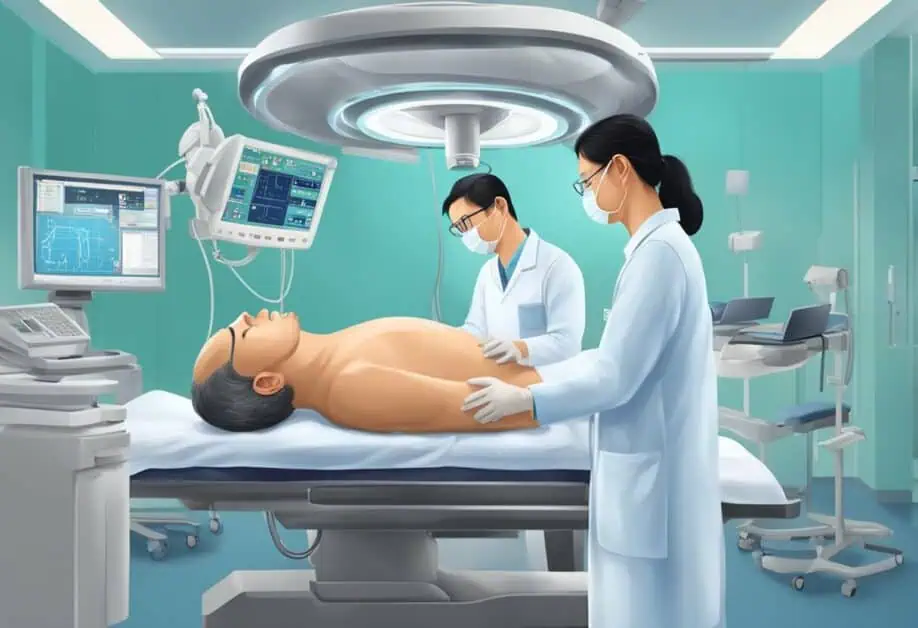
Doctors will carry out several evaluations to determine the cause of your heart palpitations. A thorough examinationoften starts with an electrocardiogram (ECG), which measures the heart’s electrical activity.
Tests could also include:
- Blood tests to check thyroid levels
- Holter monitoring for extended ECG recording
- Echo cardiogram to view heart structures
A detailed medical history helps doctors understand if underlying conditions or medications are contributing to the palpitations. Depending on the findings, you may need to visit a specialist for further assessment.
Treatments and Management
Treatment for heart palpitations depends on the underlying cause. If an arrhythmia is detected, medicines may be prescribed to manage the condition. Lifestyle changes can also be effective. Reducing caffeine, stress, and practicing breathing exercises can help.
In some cases, procedures may be necessary. These can range from catheter ablation, which targets faulty electrical pathways, to the installation of a device like a pacemaker. Surgery is less common but possible for severe cases.
Effective management also involves regular check-ups with your healthcare provider to monitor your heart’s health and adjust treatments as needed. Seeking timely and proper medical attention ensures better outcomes and reduces risks of serious complications.
Frequently Asked Questions
Heart palpitations can be worrying, especially if they occur often. It’s important to understand when they might indicate a more serious issue and what factors might be involved.
How can one determine if heart palpitations are serious?
You should seek medical attention if palpitations are accompanied by chest pain, fainting, or severe dizziness. These symptoms might indicate a more serious heart condition, such as an arrhythmia.
What might be confused with heart palpitations?
Sometimes, anxiety or gastroesophageal reflux disease (GERD) can cause sensations similar to heart palpitations. It’s important to differentiate between these and actual cardiac issues to avoid unnecessary worry.
What are the underlying causes of heart palpitations?
Heart palpitations can be triggered by factors like stress, caffeine, exercise, or certain medications. In rare cases, they might be due to a medical condition that affects the heart.
What are the potential risks of experiencing heart palpitations at night?
If heart palpitations wake you up or make it hard to sleep, it might be a sign of an underlying condition such as sleep apnea. Persistent nocturnal palpitations should be evaluated by a healthcare provider.
Is there a frequency of heart palpitations that is considered excessive?
If you experience heart palpitations daily or multiple times a day without a clear cause, it might be excessive. Consulting a doctor can help determine what’s normal for you and if further testing is needed.
Can heart palpitations persist for an extended period and still be safe?
Some people might have palpitations that last for a few minutes and still be fine. However, if they last longer or are accompanied by other symptoms, it’s important to seek medical advice to rule out any serious conditions.