List of Furniture and Fittings in Accounting: Essential Items for Your Office
If you own a company or are involved in accounting, understanding furniture and fittings (FF&E) is important. FF&E is a category of assets that includes furniture, fixtures, and equipment. These assets are long-term and can be found on a balance sheet under the category of property, plant, and equipment.
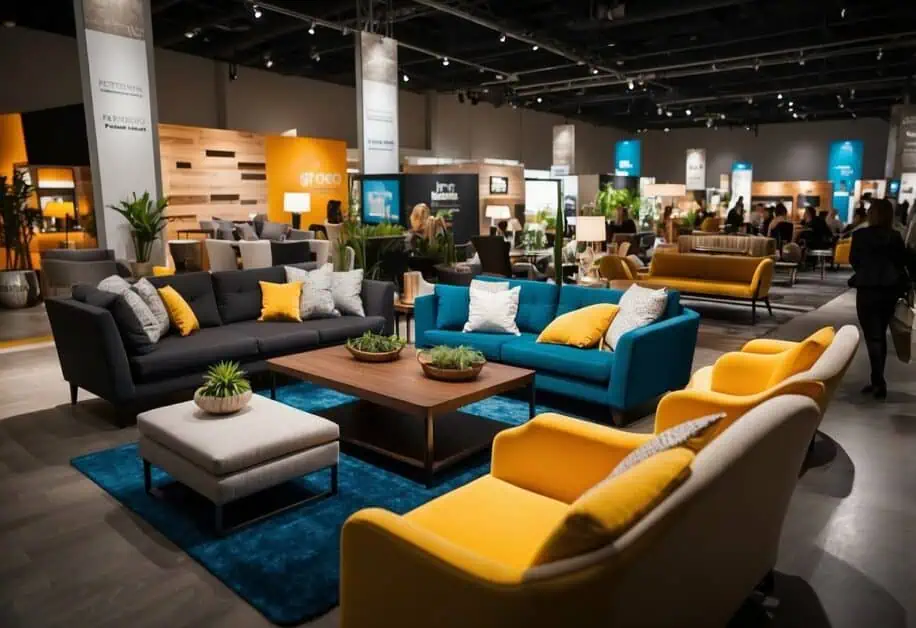
Furniture and fittings are used to furnish a particular location, and can be classified as larger parts of movable equipment. Examples of FF&E include bookcases, desks, filing cabinets, tables, machinery, computers, and any other asset that is not related to the building structure. These assets are typically depreciated over their useful life, which reduces their value on the balance sheet.
Knowing how to classify, measure, and report FF&E in accounting is essential for businesses. This article will provide a comprehensive guide on understanding furniture and fittings in accounting, as well as the practical aspects of FF&E in business operations. We will also answer some frequently asked questions to help you gain a better understanding of FF&E.

Key Takeaways
- FF&E is a category of assets that includes furniture, fixtures, and equipment.
- These assets are long-term and can be found on a balance sheet under the category of property, plant, and equipment.
- Understanding how to classify, measure, and report FF&E in accounting is essential for businesses.
Understanding Furniture and Fittings in Accounting
If you own a business, it’s important to understand how to account for your furniture and fittings. These items are considered fixed assets, also known as tangible assets, and are typically classified as long-term assets on your balance sheet.

Classification of Assets
Furniture and fittings are larger items of movable equipment that are used to furnish an office or other location. They can include items such as desks, chairs, filing cabinets, and bookshelves. These items are typically classified as property, plant, and equipment (PP&E) on your balance sheet.
Depreciation of FF&E
Since furniture and fittings are long-term assets, they are subject to depreciation. Depreciation is the process of allocating the cost of an asset over its useful life. The straight-line method is a common way to calculate depreciation, where the cost of the asset is divided by its useful life.
Recording and Valuing FF&E
When you purchase furniture and fittings, you should record them at their purchase cost on your balance sheet. Over time, as you depreciate the assets, their carrying value will decrease. The carrying value is the difference between the purchase cost and the accumulated depreciation.
It’s important to note that if the value of your furniture and fittings decreases significantly, you may need to account for an impairment. An impairment is a decrease in the value of an asset below its carrying value.
By understanding how to account for your furniture and fittings, you can ensure that your financial statements accurately reflect the value of your non-current assets.
Practical Aspects of FF&E in Business Operations
When it comes to running a business, understanding the practical aspects of FF&E is crucial. Here are some key considerations:
Asset Management and Maintenance
Managing your furniture and fittings is essential to ensure they remain functional and in good condition. This includes regular maintenance and repairs to prevent damage and prolong their lifespan. Keeping an inventory of your assets can help you keep track of their condition and schedule maintenance as needed.
Insurance and Asset Protection
Protecting your assets through insurance coverage is important in case of damage, theft or loss. You should consider purchasing insurance coverage for your furniture and fittings to ensure you are covered in the event of an accident.
Impact on Customer Satisfaction and Atmosphere
The furniture and fittings in your business can greatly impact the customer experience and atmosphere. Choosing the right furniture and fittings can enhance the overall design theme and create a welcoming atmosphere. This can lead to increased customer satisfaction and repeat business.
It is important to budget for FF&E when planning your business operations. Leasing can be an option to help manage costs and avoid large upfront expenses. However, keep in mind that leasing can result in higher overall costs in the long run.
Regular maintenance and replacement of FF&E can also impact your business’s profitability. By ensuring your furniture and fittings are functional and up-to-date, you can create a better customer experience and increase revenue.
When disposing of FF&E, consider leasehold improvements and real estate construction. These can help increase the value of your property and attract potential buyers or renters.
In interior design, FF&E selection is a critical step that greatly impacts the aesthetics, functionality, and comfort of a space. Designers meticulously choose each piece of furniture, fixture, and equipment to reflect the client’s style, meet the users’ needs, and enhance the overall design theme.
Overall, understanding the practical aspects of FF&E is essential for any business owner. By managing your assets effectively, protecting them through insurance, and choosing the right furniture and fittings, you can create a welcoming atmosphere and enhance the customer experience.
Frequently Asked Questions
What items are typically included in the category of furniture and fittings for accounting purposes?
Furniture and fittings for accounting purposes typically include movable equipment used to furnish a particular location. This can include items such as desks, chairs, tables, cabinets, and other office equipment. Fixtures such as built-in items that cannot be easily removed, such as fireplaces, are also included.
How do you distinguish between furniture, fixtures, and office equipment in a business setting?
In a business setting, furniture refers to movable items used to furnish a location, such as chairs and tables. Fixtures are built-in items that cannot be easily removed, such as built-in cabinets or countertops. Office equipment refers to items used in the day-to-day operations of a business, such as computers, printers, and telephones.
In accounting terms, are furniture and fittings classified as an asset or an expense?
Furniture and fittings are classified as assets in accounting terms. They are listed on the balance sheet under the category of property, plant, and equipment, and are considered long-term assets. Fixtures and fittings are also considered depreciable assets and should be treated as such for expense purposes.
Could you explain the difference between furniture and fixtures within a financial context?
In a financial context, furniture refers to movable items used to furnish a location, such as chairs and tables. Fixtures are built-in items that cannot be easily removed, such as built-in cabinets or countertops. While both are considered assets in accounting terms, fixtures are often considered part of the building structure and are therefore not as easily movable as furniture.
What are some common examples of fixtures and fittings found in a company’s financial statements?
Common examples of fixtures and fittings found in a company’s financial statements include built-in cabinets, countertops, and shelving units. Other examples can include lighting fixtures, plumbing fixtures, and other similar items.
Under which account do we typically record furniture and fittings in company ledgers?
Furniture and fittings are typically recorded under the property, plant, and equipment account in company ledgers. This account is used to track long-term assets that are used in the day-to-day operations of the business.