Last updated 7 August 2026. This page was reviewed on that date. Prices, rates and opening hours change often in Singapore — confirm anything that matters directly with the business before you travel or spend.
Quick answer: You’re not just looking for a chair – you’re chasing that feeling of walking into your own home and thinking, finally. Commune and Scanteak give you solid wood designs that fit real HDBs and condos without breaking the bank. Journey East and Cellini bring character and comfort into the picture. Akar de Nissim and Colzani are for the moments you want something truly special, and King Living puts a 25-year warranty where its mouth is.
For a furniture hunt centred on distinctive shops, you might enjoy stops that create a home that draws people in.

Weekend hours are precious. Furniture hunting isn’t lollygagging. You need a clear plan. These seven spots each solve a specific problem – whether it’s a dining set that anchors a 4-room flat, a sofa your back won’t hate, or a piece with a century’s worth of stories. Pick the one that fits, go straight there, and you’re done. No circling Leng Kee Road three times.
For the full picture, Best Furniture & Bedding in Singapore collects 17 guides on this subject.
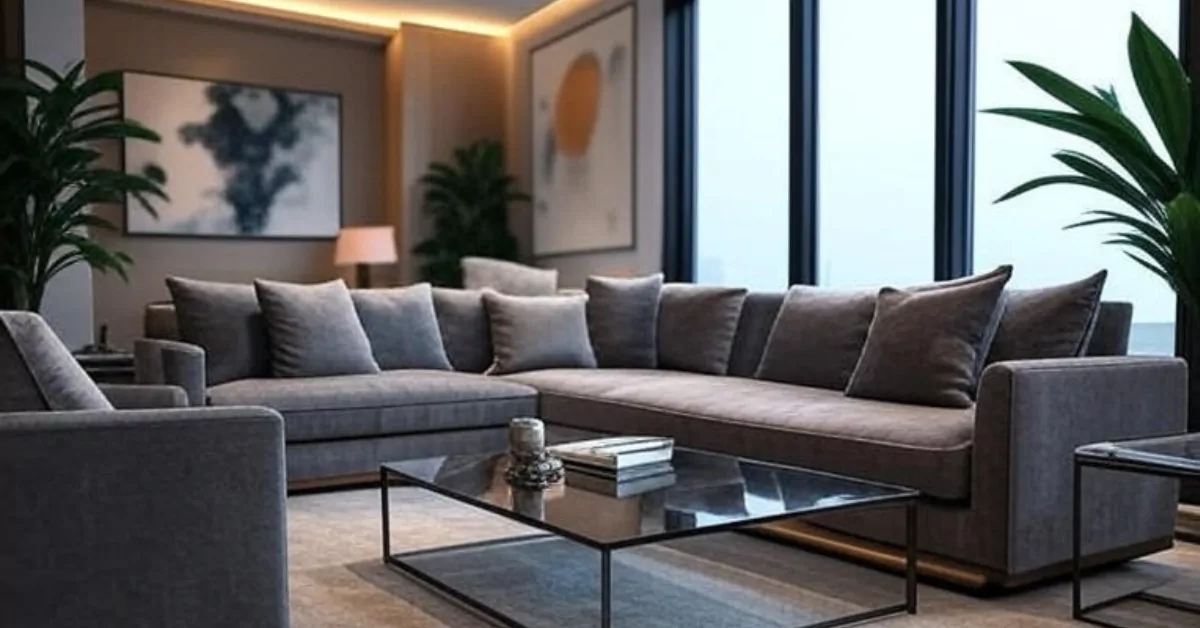
Commune

Commune is a homegrown label that gets what Singaporean spaces actually look like. Their showroom at Millenia Walk stays open until 9pm on weekends, so you can take a slow look after dinner without rushing.
They lean into mid-century lines – the Flint dining set in solid oak is a proper centrepiece – and they do it with ethically sourced wood and low-lead lacquers, so the sustainability bit is built in, not an afterthought. An iF Design Award 2025 sits on the shelf, but the real win is walking into a flat that feels calm and considered.
- Address: 9 Raffles Boulevard #02-51/53, Millenia Walk, Singapore 039596
- Also at: 315 Outram Road #14-03, Tan Boon Liat Building, Singapore 169074
- Phone: +65 6338 3823 (Raffles), +65 6226 0928 (Outram)
- Hours: Raffles: weekdays 11:30am–9pm, weekends 11am–9pm; Outram: daily 10am–7pm
- Website: thecommunelife.com
If you’ve just collected your keys and the place is still echoey, Commune is a steady first stop. The pieces feel grown-up without being pretentious.
Go after dinner on a weekend. Millenia Walk stays open late, so you can take a slow look without the midday crowd. The mid-century lines work especially well in HDB flats; the Flint dining set in solid oak is a swee starting point. Don’t leave without checking the low-lead lacquer finish – it’s a small detail that matters if you’re furnishing a home, not a showroom.
Akar de Nissim

This is the brand you call when the reno timeline is generous and you’ve been quietly collecting inspiration photos for two years. Akar de Nissim runs by appointment out of a showroom on Syed Alwi Road, and the experience is unhurried and personal.
Their Iris coffee table, with straw marquetry and Tahiti shell mother-of-pearl, is the kind of piece that makes guests stop mid-sentence. A ten-layer lacquer process gives everything a depth you don’t find in mass production. They made waves at Maison & Objet Asia 2014, and the design language still feels fresh – cross-cultural, refined, never loud.
- Address: 62 Syed Alwi Road, Unit 01-00, Singapore (by appointment only – book here)
- Phone: +65 6221 6301
- Website: akardenissim.com
If you’re furnishing a home where you intend to host properly, and you’ve already set aside the budget, Akar de Nissim rewards patience with pieces that will age beautifully.
This round-up is editorial. Suggestions are welcome – tell us what you offer and where.
Book a weekday slot. This Syed Alwi Road appointment-only showroom is for when you’ve got a clear vision and a piece of furniture you want to treat like art. Bring a photo of your living room’s light. The Iris coffee table’s mother-of-pearl catches it just so. The ten-layer lacquer process isn’t rushed – neither should you be.
While deciding on investment pieces, browsing standout furniture brands helps make your Singapore flat unforgettable.
Journey East

Walking into Journey East in Tan Boon Liat building feels like poking around a friend’s impossibly interesting storeroom – if that friend had a knack for finding hand-restored teak pieces from the 1920s. They’ve been at this since 1995, and the collection spans vintage, reclaimed, and contemporary eco-friendly designs across every room.
It’s the kind of place where a dining table carries its own history, and a reclaimed wood sideboard makes you feel better about the planet without saying a word. They’ve landed in Elle Decor Italy’s ‘Best of Design’, but what really sticks is how their pieces feel chosen, not ordered.
- Address: 315 Outram Road, #03-02 Tan Boon Liat Building, Singapore 169074
- Phone: +65 6473 1693
- Hours: Daily 10am–6pm
- Website: journeyeast.com
If you want a home that doesn’t look like you copied a catalogue, Journey East is your spot. It suits anyone who cares about sustainability and story as much as style – and yes, online furniture shops in Singapore have their place, but this is a place you need to feel.
Head to Tan Boon Liat on a Saturday morning, but go straight to level 4. The building’s a maze, but Journey East is the payoff. You’re not here for a matching set. You’re here for a reclaimed teak cupboard from the 1920s, not a cookie-cutter set. Measure your doorframes first. This is antique shopping, not IKEA.
King Living

If you’ve ever watched a sofa sag after two years and felt your soul leave your body, King Living’s approach will feel like a hug. The Australian brand puts a 25-year warranty on its bedframes and packs its sofas with a patented Postureflex seating system that actually holds its shape.
The showroom at Thye Hong Centre on Leng Kee Road stays open till 8pm on Saturdays, so you can bring the whole household and let everyone test their usual napping spots. There’s a Kallang outlet too, which is handy if you’re east-side.
- Address: 2 Leng Kee Road #01-02 and #01-03, Thye Hong Centre, Singapore 159086
- Phone: +65 6232 9106 (Alexandra)
- Hours: Sun–Fri 10:30am–7pm, Sat 10:30am–8pm
- Website: kingliving.com.sg
This one is for families who are done buying furniture they’ll need to replace. Pay once, feel steady for a long time.
Bring the whole household, Saturday afternoon. The Thye Hong Centre showroom lets you properly test – sprawl on the sofa, bounce the kids on the frame. None of the showroom sales pressure you get elsewhere. The 25-year warranty on bedframes means you’re buying this once. Go with the Postureflex sections first, then decide.
Colzani

If your heart does a little flip at ‘Made in Italy’, Colzani is where you’ll want to spend a lazy Tuesday afternoon. They carry brands like Nicoline Italia and Ronda Design – ergonomic armchairs that look slim but feel generous, and magnetic storage solutions that would make an engineer smile.
From 15th October 2025, Colzani moves to a new showroom at 23 Genting Road #06-01, open Tuesday to Sunday. The staff know when to talk and when to let you just walk around touching things – especially helpful if you’re still figuring out your style.
- Address (from 15 Oct 2025): 23 Genting Road #06-01, Singapore 349481
- Phone: +65 8168 3354
- Hours: Tue–Sun 10:30am–7:30pm
- Website: colzani.asia
Just like you’d research where to buy the finest men’s jeans in Singapore to get the fit right, getting the sofa right matters just as much. Colzani rewards the search.
Timing is everything. Wait till they’re fully moved to the new Genting Road space, then go on a quiet Tuesday. The Italian pieces are compact but surprisingly supportive – armchairs that look slim but hold you right. If your reno mood board has more Milan than Ikea, let the staff walk you through the magnetic storage systems. They enjoy explaining it.
Scanteak

Scanteak is the name your parents probably bring up when you mention furniture shopping – and they’ve been at it since 1974 for good reason. The Scandinavian-inspired teak wood pieces have a clean, unfussy line that doesn’t feel trendy. Solid dining tables, storage, sofas – all designed to take a few scratches and keep looking presentable.
What sets them apart is the low formaldehyde content in the timber, so you’re not bringing weird chemicals into the house. The Pegu Road showroom opens at noon daily, which suits a lazy Saturday morning followed by a purposeful browse.
- Address: 1 Pegu Road, #01-01, Singapore 328358
- Phone: 6355 0208
- Hours: Daily 12pm–9pm, including public holidays
- Website: scanteak.com.sg
If you’re building a home that needs to last through kids, moves, and a few dinner parties, Scanteak is the classic choice that never feels like a compromise.
This round-up is editorial. Suggestions are welcome – tell us what you offer and where.
Your parents mentioned them for a reason. Scanteak’s heartland showrooms keep things simple: solid teak, clean lines, low formaldehyde. Walk in, run a hand along the edge of a dining table – you’ll feel the consistency. This is furniture that survives kids, moves, and years of daily abuse without gasping. One trip, sorted.
Cellini

Cellini has been quietly doing its thing since 1986, and it’s the brand you turn to when comfort becomes non-negotiable – especially for your back. Their sofas and mattresses are designed with mindful posture support, using natural materials that hold up well over time.
They have showrooms scattered across the island, so it’s easy to drop by – the HQ at Changi South is open daily 10am to 6pm. The design language is modern and adaptable, fitting both a five-room flat and a landed property without fuss.
- Address: 10 Changi South Street 2, #02-03, Singapore 486596 (HQ; more branches here)
- Phone: +65 6545 8182
- Hours: Daily 10am–6pm
- Website: cellini.com.sg
If you’re the sort who values function as much as form, and you’d rather not gamble on whether a sofa will still be comfortable three years in, Cellini is a solid pick. Just like picking a good TV brand in Singapore for everyday use, you want something reliable that just works.
How to choose
Start by thinking about what’s going to bug you in five years. If it’s a saggy sofa, King Living’s warranty is your answer. If it’s a dining table that looks dated, Scanteak’s timeless teak designs stay safe. If you’re craving pieces with a story, Journey East’s restored vintage wins.
Budget varies a lot here. Commune and Scanteak sit in that accessible luxury bracket – solid, well-made, but not eye-watering. Cellini and Journey East fill the middle with character and comfort. Akar de Nissim and Colzani climb higher; you’re paying for artisan finishes and Italian pedigree, and the price reflects that. Where you land depends on how long you plan to stay and how much you want your furniture to define the room.
| Brand | Best for | Price signal | Key promise |
|---|---|---|---|
| Commune | Mid-century solid wood in real Singapore spaces | Accessible luxury | Eco-friendly oak, low-lead lacquers |
| Akar de Nissim | Artisan statement pieces, high-end hosting | High | 10-layer lacquer, cross-cultural design |
| Journey East | Vintage teak, reclaimed wood, homes with soul | Mid-range | Hand-restored, sustainable, unique |
| King Living | Families wanting durability and posture support | Mid-to-high | 25-year bedframe warranty, Postureflex seating |
| Colzani | Italian design, magnetic storage, European flair | High | Nicoline Italia, Ronda Design brands |
| Scanteak | Classic Scandinavian teak that lasts | Accessible luxury | Low formaldehyde, since 1974 |
| Cellini | Posture-friendly sofas and mattresses, many branches | Mid-range | Mindful design, natural materials |
Summary
From the hand-restored teak of Journey East to the no-nonsense warranties of King Living, these seven brands cover the whole mood of coming home. Whether you’re filling a BTO or refreshing a landed property, starting with any one of them means you’re less likely to end up with buyer’s remorse.
Disclaimer: All information provided here has been compiled from publicly available sources. While we have made every effort to ensure accuracy, we do not guarantee that the information is complete or error-free. We disclaim any liability for inaccuracies or omissions. If you find any errors or have concerns about the content, please let us know so we can address them promptly.
Read next
Frequently asked questions
If your lower back has been sending signals, skip the browsing. A Cellini showroom is never far. Bring a book, lie on a mattress for five full minutes – the staff won’t rush you. The support design is accidental-free. The Changi South HQ has the full range; go once, test everything, no need to agak agak.
Which brand is best for solid wood furniture?
Commune and Scanteak both focus on solid wood. Commune offers solid oak with mid-century styling, while Scanteak does Scandinavian-inspired teak pieces that wear well over time.
Do any brands offer long warranties?
King Living provides bedframes with a 25-year warranty and sofas with patented Postureflex seating. Other brands may have their own guarantees – confirm with each showroom.
Are there eco-friendly furniture options here?
Yes. Commune uses ethically sourced wood and low-lead lacquers. Journey East restores vintage and reclaimed wood, and Scanteak uses timber with low formaldehyde content.
Can I visit showrooms without an appointment?
Most welcome walk-ins during their operating hours. Akar de Nissim is by appointment only – you can book through their website.
Which brand sells Italian furniture?
Colzani is a dedicated Italian luxury showroom, carrying brands such as Nicoline Italia and Ronda Design with ergonomic and magnetic storage pieces.
What price range can I expect?
Commune and Scanteak are accessible luxury; Journey East and Cellini sit in the mid-range; Akar de Nissim and Colzani are high-end. King Living falls in the mid-to-high category. Check with the business for current pricing.