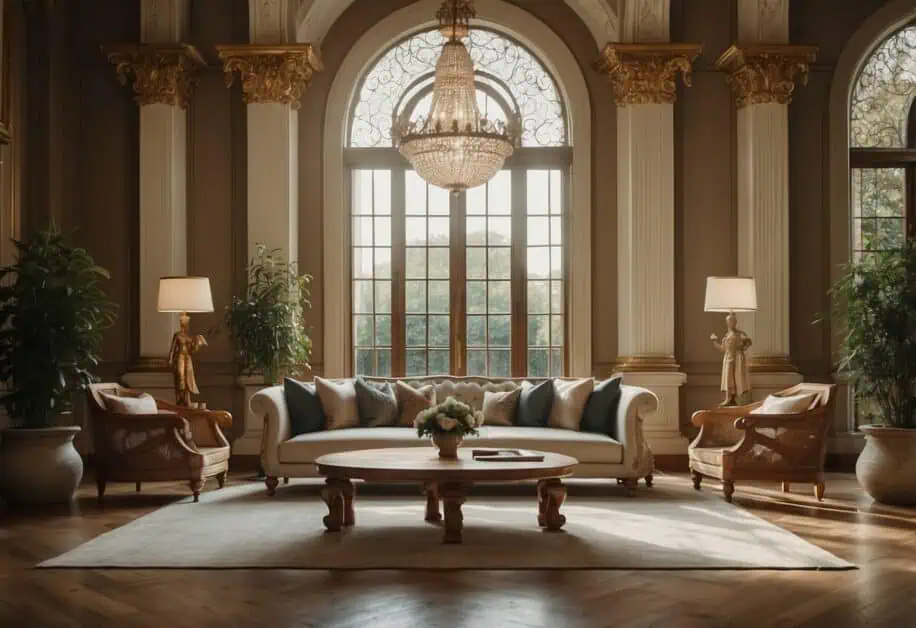
Cubist Furniture Design: A Modern Take on Interior Decor
Cubist furniture design is a unique style that emerged during the early 20th century, influenced by the Cubism art movement. This style is characterised by its bold geometric shapes and use of primary colours. Originally created as a form of art, cubist furniture has become a popular choice for interior design due to its minimalist design and eye-catching aesthetic.
Incorporating cubist design in modern spaces can be a great way to add a touch of artistic flair to your home. By integrating a wide variety of different geometric shapes, you can create a dynamic and visually interesting space. Whether you’re looking to add a statement piece or completely overhaul your interior design, cubist furniture can be a great choice.
If you’re interested in cubist furniture design, you may have some questions about the style and its origins. In the following article, we’ll explore the essence of cubist furniture, how to incorporate cubist design in modern spaces, and answer some frequently asked questions about this unique style.

Key Takeaways
- Cubist furniture design is characterised by its bold geometric shapes and use of primary colours.
- Integrating a wide variety of different geometric shapes can be a great way to add artistic flair to your home.
- Cubist furniture design emerged during the early 20th century and has become a popular choice for interior design.
The Essence of Cubist Furniture
Cubist furniture is a unique style that emerged during the early 20th century, influenced by the Cubism art movement. This style is characterised by bold geometric shapes, abstract forms, and a minimalist design. In this section, you will learn about the historical context and influences, defining characteristics, as well as materials and craftsmanship used in cubist furniture design.

Historical Context and Influences
Cubism was a revolutionary art movement that originated in France in the early 20th century. Artists such as Pablo Picasso and Georges Braque broke away from traditional art techniques and explored new ways of representing reality. They used geometric shapes and abstract forms to create a fragmented image of the subject, challenging the viewer’s perception of space and time.
Cubist art and sculpture heavily influenced cubist furniture design. Designers sought to create furniture that embodied the movement’s spirit and reflected the changing times. Cubist furniture was a departure from the ornate and decorative styles of the past and embraced a more modern and functional approach.
Defining Characteristics
Cubist furniture is characterised by bold geometric shapes, abstract forms, and a minimalist design. It emphasises functionality over decoration, with a focus on clean lines and simplicity. Cubist furniture often features asymmetrical layouts, angular forms, and a limited colour palette.
The use of texture and pattern is also common in cubist furniture design. Designers experiment with different materials and finishes to create contrast and visual interest. They often combine materials such as wood, metal, and glass to create a unique and striking piece.
Materials and Craftsmanship
Craftsmanship is an essential aspect of cubist furniture design. Designers aim to create furniture that is both functional and beautiful. They use high-quality materials and pay attention to every detail of the manufacturing process.
Wood is a popular material choice for cubist furniture. Designers often use different types of wood to create contrast and texture. Metal and glass are also commonly used to create a sleek and modern look.
In conclusion, cubist furniture is a unique style that emerged during the early 20th century, influenced by the Cubism art movement. It is characterised by bold geometric shapes, abstract forms, and a minimalist design. Cubist furniture reflects the changing times and emphasises functionality over decoration. Designers experiment with different materials and finishes to create contrast and visual interest. Craftsmanship is an essential aspect of cubist furniture design, with a focus on creating furniture that is both functional and beautiful.
Incorporating Cubist Design in Modern Spaces
Cubist furniture design is a great way to add a bold and unique touch to any modern space. Whether you’re looking to add a statement piece or completely revamp your decor, incorporating cubist design can help you achieve a contemporary and artistic look. Here are a few tips on how to incorporate cubist design in modern spaces:
Furniture as Focal Points
When it comes to cubist design, furniture can serve as a focal point in any room. Choose a statement piece, like a cubist-inspired sofa or chair, to anchor your space. Look for furniture that emphasises geometric forms and sharp angles, and experiment with fabrics and textures to add depth and interest. Consider pairing your cubist furniture with other decorative objects, like sculptures or art pieces, to create a cohesive look.
Balancing Form and Function
While cubist furniture design is all about form and aesthetics, it’s important to balance these elements with functionality. Look for pieces that are both stylish and practical, and consider how they will fit into your space. Cubist furniture can be a great addition to a minimalist design, but it can also work in more formal or traditional settings. Think about how you can use cubist design to add character and personality to your space without sacrificing functionality.
Lighting and Accessories
Lighting and accessories are key elements in any space, and they can play a big role in incorporating cubist design. Consider using natural light to highlight the sharp angles and geometric shapes of your cubist furniture. Use lighting fixtures with clean lines and simple shapes to complement your furniture, and experiment with different textures and materials to add interest. Don’t be afraid to mix and match different design styles and elements, like mid-century modern or contemporary decor, to create a unique and personalised look.
Incorporating cubist design in modern spaces can be a fun and rewarding process. Whether you’re looking to add a statement piece or completely overhaul your decor, cubist furniture can help you achieve a unique and artistic look. By balancing form and function, experimenting with lighting and accessories, and using furniture as a focal point, you can create a space that is both stylish and functional.
Frequently Asked Questions
What are the defining features of Cubist-inspired furniture?
Cubist-inspired furniture is characterized by its bold geometric shapes and angles. It often features clean lines and a minimalist aesthetic, with a focus on form over function. The colours used in Cubist-inspired furniture are often bright and bold, with a preference for primary colours.
How has Cubist art influenced modern furniture design?
Cubist art has had a significant impact on modern furniture design. The movement revolutionized the way artists viewed space and form, and this has translated into furniture design. Cubist-inspired furniture often features unconventional shapes and angles, with an emphasis on geometric forms.
Can you describe the evolution of Cubist furniture through history?
Cubist furniture emerged in the early 20th century as a response to the Cubist art movement. The style was initially seen as radical and avant-garde, but it quickly gained popularity among artists and designers. Over time, Cubist-inspired furniture has evolved to include a wider range of materials and styles, but it has always maintained its focus on geometric shapes and angles.
What are some iconic pieces of furniture that embody Cubist design principles?
Some iconic pieces of furniture that embody Cubist design principles include Marcel Breuer’s Wassily Chair, Gerrit Rietveld’s Red and Blue Chair, and Le Corbusier’s LC2 chair. These pieces all feature clean lines and geometric shapes, with a focus on form over function.
How does Cubism differ in furniture design compared to its expression in paintings?
In furniture design, Cubism is expressed through the use of unconventional shapes and angles, with a focus on geometric forms. In paintings, Cubism is characterized by its fragmented and abstracted forms, with an emphasis on multiple viewpoints.
What should one consider when incorporating Cubist style elements into home decor?
When incorporating Cubist style elements into home decor, it’s important to focus on clean lines and bold geometric shapes. Use primary colours and avoid clutter to create a minimalist aesthetic. Consider incorporating Cubist-inspired furniture pieces, such as chairs or tables, into your space to add a touch of avant-garde style.