Last updated 7 August 2026. This page was reviewed on that date. Prices, rates and opening hours change often in Singapore — confirm anything that matters directly with the business before you travel or spend.
Quick answer: For brand-new luxury watches, The Hour Glass and Cortina Watch carry Rolex, Patek Philippe, and more with the full boutique experience. If pre-owned pieces suit your budget, Chuan Watch and HJ Luxury specialise in authentic Swiss watches, with a strong Rolex focus. Chrono95 excels at rare finds, while Goldman Luxury keeps trade-ins straightforward.
If a fitness tracker is more your rhythm, our guide to Picking an Exercise Watch That Fits Your Singapore Life won't miss a beat.

A watch that lifts your entire look doesn’t need to come with a box full of ribbon and an atas price tag. These watch shops are where value lives—places that let you find something that makes you feel more desirable, whether it’s a first serious piece or an upgrade. Walk in knowing what you’re paying for, and walk out looking sharper. No wayang.
Best Bags, Watches & Jewellery in Singapore is the parent list here, with 36 guides covering everything in this area.
The Hour Glass

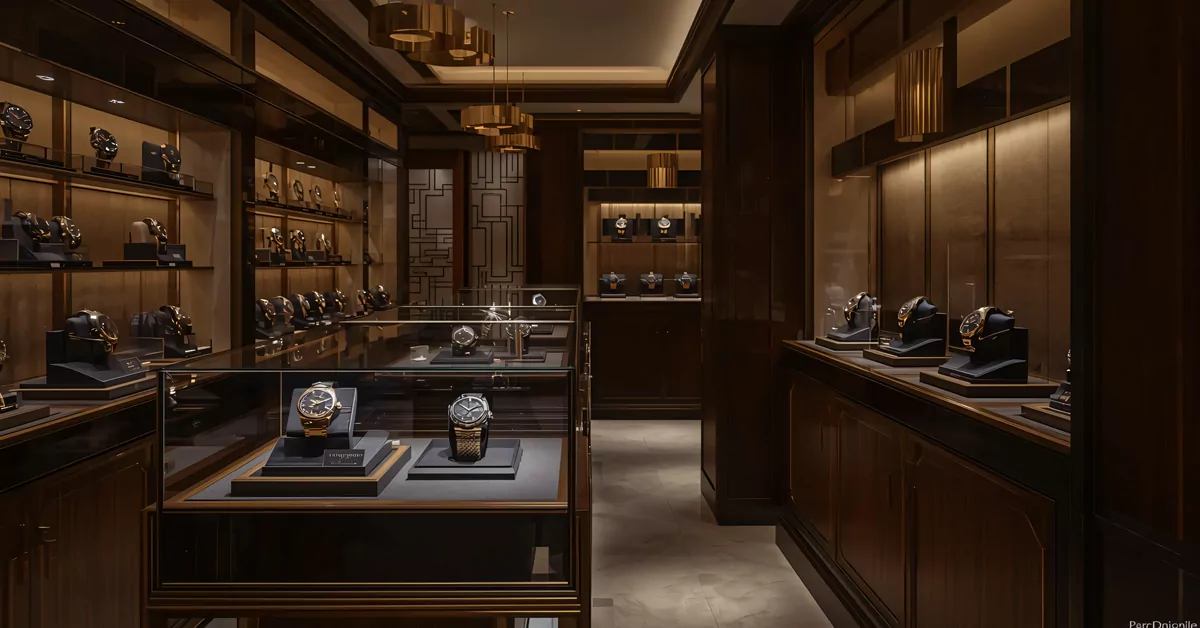
The Hour Glass has been a cornerstone of Singapore’s watch scene since 1979, and its Paragon flagship feels more like a horological gallery than a shop. They carry heavy hitters like Rolex, Patek Philippe, Audemars Piguet, Hublot, and MB&F—plus their mono-brand boutiques let you deep-dive into a single marque if you already know what you love. The staff are serious about watchmaking; don’t be surprised if they walk you through a movement with the kind of pride you’d expect from a collector. They also put together IAMWATCH, an event where enthusiasts geek out over rare pieces. This one’s perfect if you’re after a brand-new timepiece with the full backing of an official retailer.
For someone who wants to feel like a connoisseur, not just a customer. The gallery setting makes trying on a piece feel significant—almost like you’re choosing a personal milestone. Go when you’re ready to commit; the unhurried atmosphere helps you decide with clarity.
Address: 290 Orchard Road #01-28A, Paragon, Singapore 238859
Hours: Daily 10am–9pm
Website: thehourglass.com
If you’re still exploring what makes each brand tick, our Watch Brands in Singapore guide walks you through the marques these boutiques carry.
Cortina Watch

Cortina Watch kicked off as a family enterprise in 1972 and still carries that same steady, client-first vibe at their Mandarin Gallery boutique. Their cabinets hold Rolex, Patek Philippe, Cartier, Chopard, and Breguet, with a particular knack for high-complication pieces that make you stop and stare. What seals the deal for many is their after-sales support—it’s reassuring to know the same team looks after your watch long after you’ve worn it out the door. If you’re celebrating a milestone and want something fresh from the dealer with a guarantee in hand, this is a very safe bet.
If you value a long-term relationship over a flashy one-off buy, this shop fits. The team remembers faces, and their aftercare means the watch that made you feel suave on day one still holds that magic years later. A reassuring choice for a first luxury piece.
Address: 333A Orchard Road #01-07, Mandarin Gallery, Singapore 238897
Hours: Daily 11am–8:30pm
Website: cortinawatch.com
We choose these ourselves. If your place deserves a look for the next update, let us know.
When a milestone calls for something timeless, our list of Watch Brands You Buy When You Have Something Worth Marking in Singapore is worth the detour.
Sincere Fine Watches

Founded in 1954, Sincere Fine Watches is one of the old guards of Asian watch retail, and their spot at The Shoppes at Marina Bay Sands has the kind of quiet confidence that comes with nearly seven decades in the game. They stock Franck Muller, Greubel Forsey, Omega, Tudor, and Bell & Ross, often in limited-edition runs that serious collectors circle like kiasu queue-snipers. Their mono-brand SHH boutique design feels modern and focused—you won’t get lost in a sea of brands. This is the place to visit when you’re after something that probably won’t be in the window next month.
The quiet confidence of the space rubs off on you. It’s ideal if you’re hunting something rare—the kind of piece that sparks conversation and makes you feel like an insider. Limited editions here are worth waking up early for; they reward the alert buyer.
Address: 2 Bayfront Avenue, The Shoppes at Marina Bay Sands, Singapore 018972
Hours: Daily 10am–10pm
Website: sincerewatch.com
Chuan Watch

Chuan Watch operates out of Golden Landmark Shopping Complex, and its whole focus is pre-owned and unworn Swiss luxury watches—no retail-markup fluff, just pieces that have already proven their staying power. They’re licensed and meticulous about authenticity, so you can browse without that tiny voice of doubt in your head. The inventory range gives you options across several Swiss brands, and the condition of the watches tends to be stellar for their age. Just a heads up, they’re closed weekends, so plan your visit on a weekday lah. This is easily the move if you want a solid watch at a price that doesn’t sting as much.
This is where shrewd buyers go when they want the same wrist presence without the new-boutique premium. The pieces are in remarkable nick, and the licence gives you peace of mind—so that glow you feel is pure satisfaction, not second-guessing.
Address: 390 Victoria Street #01-51/52, Golden Landmark Shopping Complex, Singapore 188061
Hours: Monday to Friday 11am–6pm, closed weekends and public holidays
Website: chuanwatch.com
We choose these ourselves. If your place deserves a look for the next update, let us know.
Chrono95 Luxury Watch Boutique

Tucked on the third floor of Mandarin Gallery, Chrono95 is where collectors go when the usual retail channels can’t get them that one elusive model. They deal in pre-owned and unworn pieces from Rolex, Patek Philippe, Richard Mille, and Audemars Piguet, and their buy-sell-trade model means you can upgrade your collection without a long, painful process. The inventory turns over quickly, so if something catches your eye, don’t sleep on it. This is the spot for the hunter—someone who knows exactly what reference they want and isn’t afraid to travel a few extra floors to find it.
The ever-changing stock means you drop in every few weeks to spot a gem. It’s perfect for the collector who loves the chase—snagging that elusive model here feels like a win, and the trade-friendly approach keeps your collection evolving without drama.
Address: 333A Orchard Road #03-25, Mandarin Gallery, Singapore 238897
Hours: Monday to Friday 11am–7pm, Saturday 12pm–6pm
Website: chrono95.com
And if you like your accessories well-matched, our guide to the Finest Jewellery Brands in Singapore might be exactly what you need next.
HJ Luxury

If a pre-owned Rolex is what you’re after, HJ Luxury inside Far East Plaza is about as specialised as it gets. They focus on pre-owned Rolex and a few other branded watches, with a mix of sport and classic models that feel thoroughly inspected before they hit the display. The big extra here is their overhaul servicing—they don’t just hand you a watch and wave goodbye, they’ll maintain it properly so it runs like it should. Their hours are limited (Wednesday to Saturday only), so it pays to text ahead, but the straight-up, no-nonsense approach is a relief in a world of hard sells.
If a Rolex is your goal, this shop cuts straight to it. You can try on a Submariner or a Datejust knowing it’s been properly looked over, and their in-house servicing means you wear it out feeling dialled-in, not wondering about hidden issues.
Address: 14 Scotts Road #04-134, Far East Plaza, Singapore 228213
Hours: Wednesday to Saturday 12pm–6:30pm
Website: hjwatch.com
Goldman Luxury

Goldman Luxury sits one floor below HJ Luxury in Far East Plaza and takes a broader view, dealing in pre-owned watches from Rolex, Omega, IWC, and Ball. Their trade-in program is straightforward, which makes it a natural stop if you’re ready to swap one piece toward another without the runaround. The shop has a relaxed feel—you can take your time trying pieces on without any pressure. Daily hours until 8pm also make it one of the easier pre-owned stops to visit after work. Swing by if you’re after a sporty Omega or a tougher IWC at a more accessible price.
The no-pressure vibe makes it a breeze to try on different marques—you might come for an Omega and leave charmed by an IWC. Their straightforward trade-in means you can freshen your wrist game without heavy sums changing hands. Pop by after work, no rush.
Address: 14 Scotts Road #02-112, Far East Plaza, Singapore 228213
Hours: Daily 1pm–8pm
Website: goldmanluxury.com
For more on building a wardrobe of quality pieces, our Finest Leather Shoe Brands in Singapore guide might be worth a look too.
How to choose
First, decide if you want a brand-new watch or a pre-owned one. New gives you the full boutique experience, official warranties, and the knowledge you’re the first owner—but you pay the retail premium. Pre-owned shops can get you the same model for noticeably less, and some pieces are in near-new condition; you just need to trust the dealer’s authenticity checks. If a specific brand drives your choice, check who carries it: The Hour Glass and Cortina have broad lineups, while HJ Luxury zeroes in on Rolex, and Chrono95 chases rare heavyweights like Richard Mille. Operating hours matter more than you think—some pre-owned dealers only open a few days a week, so if you’re someone who drops in on a whim, stick to the daily Orchard Road spots. Price varies wildly by model and condition, so call or browse their online listings to get a feel before you visit. And if you’re sitting on a watch you no longer wear, look for a shop that accepts trade-ins—it softens the blow on the next one.
| Boutique | Specialty | Brands They Carry | Address | Opening Times |
|---|---|---|---|---|
| The Hour Glass | New | Rolex, Patek Philippe, Audemars Piguet, Hublot, MB&F | 290 Orchard Road #01-28A, Paragon | Daily 10am–9pm |
| Cortina Watch | New | Rolex, Patek Philippe, Cartier, Chopard, Breguet | 333A Orchard Road #01-07, Mandarin Gallery | Daily 11am–8:30pm |
| Sincere Fine Watches | New | Franck Muller, Greubel Forsey, Omega, Tudor, Bell & Ross | 2 Bayfront Avenue, The Shoppes at Marina Bay Sands | Daily 10am–10pm |
| Chuan Watch | Pre-owned | Swiss luxury brands | 390 Victoria Street #01-51/52, Golden Landmark | Mon–Fri 11am–6pm, closed weekends |
| Chrono95 | Pre-owned | Rolex, Patek Philippe, Richard Mille, Audemars Piguet | 333A Orchard Road #03-25, Mandarin Gallery | Mon–Fri 11am–7pm, Sat 12pm–6pm |
| HJ Luxury | Pre-owned | Rolex & other branded watches | 14 Scotts Road #04-134, Far East Plaza | Wed–Sat 12pm–6:30pm |
| Goldman Luxury | Pre-owned | Rolex, Omega, IWC, Ball | 14 Scotts Road #02-112, Far East Plaza | Daily 1pm–8pm |
Summary
Whether you’re stepping into The Hour Glass for a brand-new Patek Philippe or popping by HJ Luxury for a pre-owned Rolex, these watch shops cover every collector’s itch. Each has its own style, from gallery-like boutiques to straightforward trade-in counters—so you’re bound to find a piece that feels like it was waiting for you.
Disclaimer: All details were checked at the time of writing, but they can change. Please confirm with the business directly before making plans.
Read next
Frequently asked questions
Do these watch shops sell only new watches, or can I find pre-owned pieces?
Several shops specialise in pre-owned watches: Chuan Watch, Chrono95, HJ Luxury, and Goldman Luxury all focus on pre-owned or unworn luxury timepieces, while The Hour Glass, Cortina Watch, and Sincere Fine Watches sell brand-new pieces.
Which shop is best for buying a Rolex in Singapore?
For a new Rolex, The Hour Glass and Cortina Watch are authorised retailers. If you prefer a pre-owned model, HJ Luxury and Chuan Watch are strong choices, both known for their curated, authentic selections.
Can I trade in my old watch when buying a new one?
Yes, both Chrono95 and Goldman Luxury offer buy, sell, and trade services, which makes upgrading your collection relatively painless.
Do these watch shops offer servicing and repairs?
HJ Luxury provides comprehensive overhaul servicing. Cortina Watch offers extensive after-sales support, which may include servicing—best to ask them directly about your specific watch. Other shops haven’t specified in-house servicing.
What are the operating hours like for these watch boutiques?
Most Orchard Road shops are open daily into the evening: The Hour Glass until 9pm, Cortina until 8:30pm. Pre-owned specialists like HJ Luxury have shorter windows (Wednesday to Saturday only), so plan accordingly.
Are the watches authentic, and do they come with guarantees?
All listed shops are licensed and known for selling authentic timepieces. Many, including Cortina Watch, provide authentic guarantees; the pre-owned dealers emphasise authenticity and condition, giving you extra peace of mind.