

Cubist Furniture: Bold and Geometric Designs for Modern Homes
If you’re looking to add a unique touch to your home decor, cubist furniture might be just what you need. Cubism was an art movement that emerged in the early 20th century, pioneered by artists such as Pablo Picasso and Georges Braque. The movement rejected traditional forms of art and instead emphasized abstract shapes and geometric forms. This philosophy was also applied to furniture design, resulting in the creation of cubist furniture.
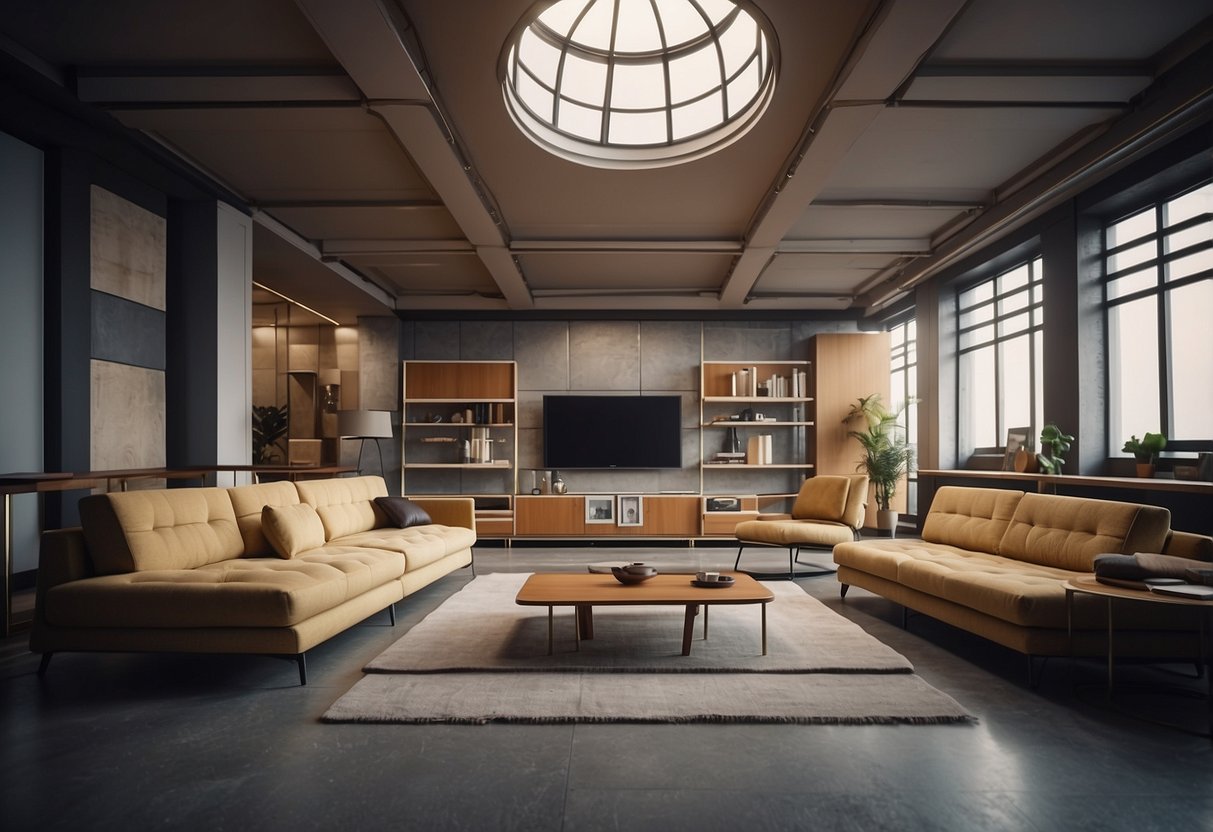
Cubist furniture is characterized by its geometric shapes, sharp angles, and abstract forms. It often features bold colours and a minimalist design, making it a great addition to modern spaces. While cubist furniture was originally created as a form of art, it has since become a popular choice for interior design, adding a touch of avant-garde to any room.
Key Takeaways
- Cubist furniture is a unique style characterized by geometric shapes, sharp angles, and abstract forms.
- The minimalist design and bold colours make cubist furniture a great choice for modern spaces.
- Originally created as a form of art, cubist furniture has become a popular choice for interior design.
The Essence of Cubist Furniture
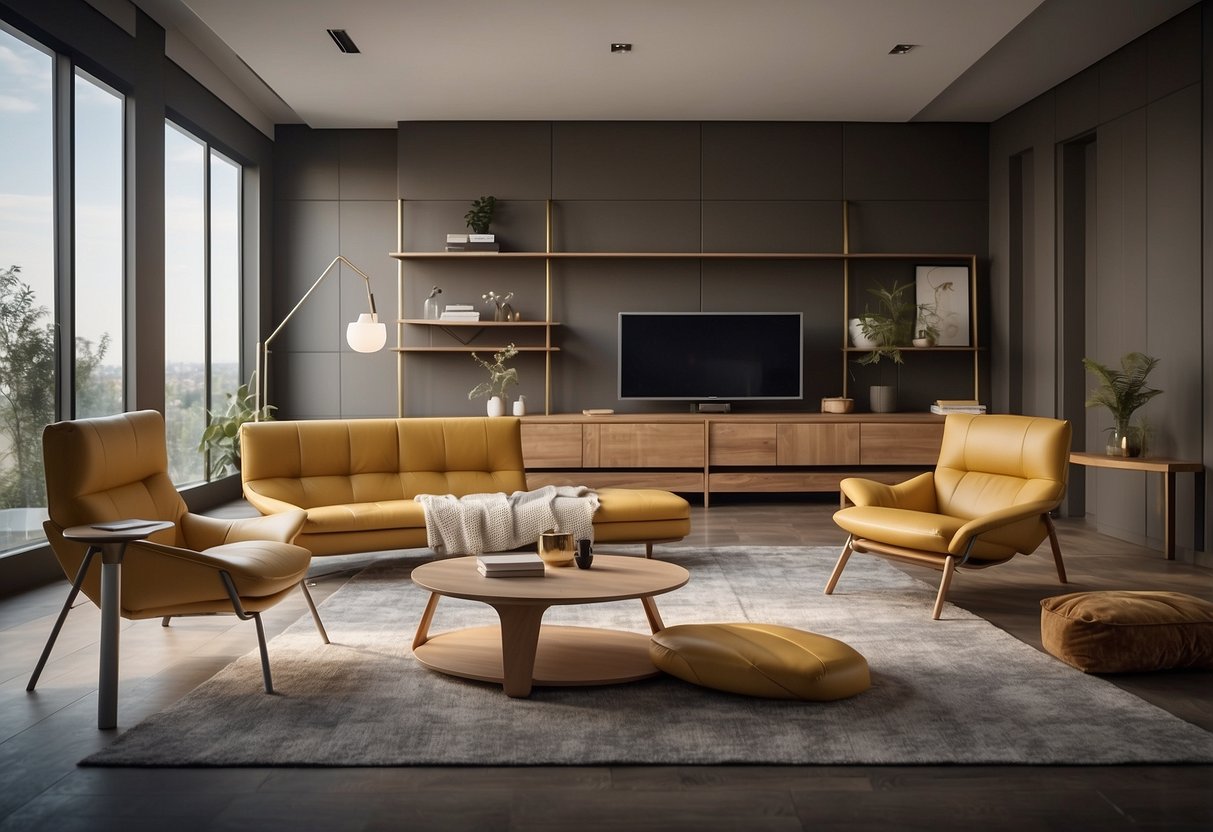
Cubist furniture is a unique style that emerged during the early 20th century, influenced by the Cubism art movement. This style is characterised by its geometric shapes, angles, and perspective, which create a sense of depth and dimensionality. In this section, we’ll explore the historical context and influences, design principles and aesthetics, as well as materials and craftsmanship that define the essence of cubist furniture.

Historical Context and Influences
Cubism was a revolutionary art movement that emerged in Paris in the early 1900s. It was pioneered by artists such as Pablo Picasso and Georges Braque, who sought to break away from traditional art forms and create something entirely new. Their work was characterised by the use of geometric shapes, multiple perspectives, and a deconstruction of traditional forms.

Cubist furniture was heavily influenced by this movement, and it sought to replicate the same principles in functional objects. The furniture was designed to be both beautiful and functional, with an emphasis on form over ornamentation.
Design Principles and Aesthetics
The design principles of cubist furniture are rooted in the same principles as the Cubism art movement. The furniture is characterised by its use of geometric shapes, angles, and perspective. It often features a deconstruction of traditional forms, with surfaces and masses being broken down into smaller, more abstract shapes.
Cubist furniture is often finished in glossy white or natural wood grains. It may also feature fabric sliders that add texture and interest to the piece. The aesthetics of cubist furniture are minimalist and modern, with an emphasis on clean lines and simplicity.
Materials and Craftsmanship
Cubist furniture is typically made from high-quality materials such as wood, metal, and glass. Craftsmanship is essential to the creation of cubist furniture, as the pieces often require complex joinery and precise cutting to achieve their geometric shapes.
The texture of cubist furniture is also an important consideration. Pieces may feature smooth surfaces or rough textures to add interest and depth. The use of contrasting materials, such as wood and metal, can also create a sense of balance and harmony in the piece.
Overall, cubist furniture is a unique and influential style that continues to inspire designers today. Its emphasis on geometric shapes, angles, and perspective, as well as its focus on functionality and texture, make it a timeless addition to any interior design scheme.
Cubist Furniture in Modern Spaces
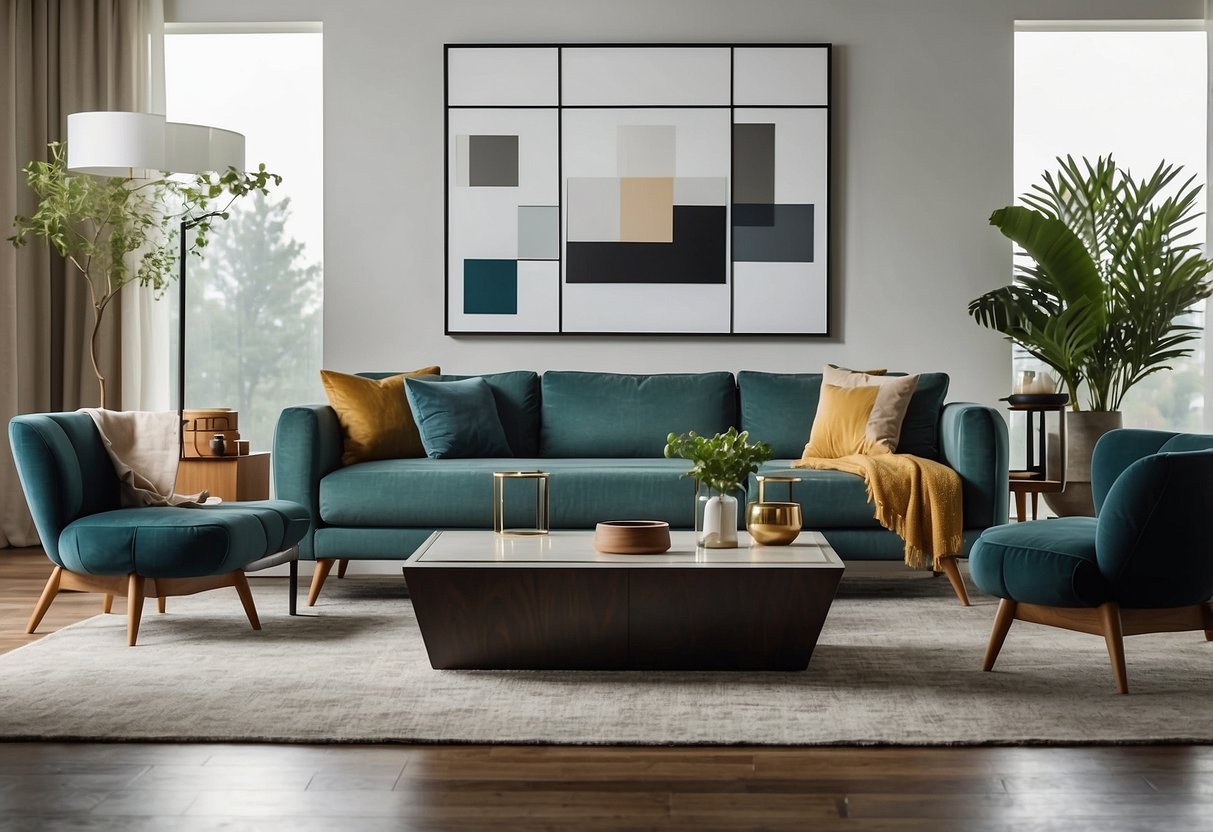
Cubist furniture is a unique and stylish addition to any modern space. With its geometric shapes and faceted forms, cubist furniture can add a sculptural touch to your decor. In this section, we’ll explore how you can integrate cubist pieces into your home, notable creations and designers, and how to purchase and care for your cubist furniture.
Integrating Cubist Pieces into Home Decor
Cubist furniture can be integrated into your home decor in a variety of ways. One way is to use a cubist table as a focal point in your living room. This can be paired with nano chairs or junior giant chairs to create a functional and stylish seating area. Cubist lighting can also be used to add a unique touch to your space.
If you’re looking to incorporate cubist furniture into your bathroom or garden, there are a variety of functional pieces available. For example, twist lock system cubist shelves can be used in your bathroom to store toiletries or towels. In your garden, cubist benches can provide a stylish seating area.
Notable Creations and Designers
Josef Gočár was a notable designer of cubist furniture in Prague, Bohemia. His designs were known for their unique shapes and ornamentation. Other notable designers include Le Corbusier and Gerrit Rietveld.
Purchasing and Caring for Cubist Furniture
When shopping for cubist furniture, it’s important to consider the warranty and the relationship between the manufacturer and the retailer. Some manufacturers offer warranties on their products, while others do not. It’s also important to consider the materials used in the construction of the furniture and the level of craftsmanship.
To care for your cubist furniture, it’s important to follow the manufacturer’s instructions. This may include using specific cleaning products or avoiding certain types of cleaners. Regular dusting and cleaning can help to maintain the appearance of your furniture.
In conclusion, cubist furniture can be a unique and stylish addition to any modern space. By integrating cubist pieces into your home decor, you can create a functional and stylish living environment. With notable designers and a variety of functional pieces available, cubist furniture is a great option for anyone looking to add a sculptural touch to their interior design.
Frequently Asked Questions
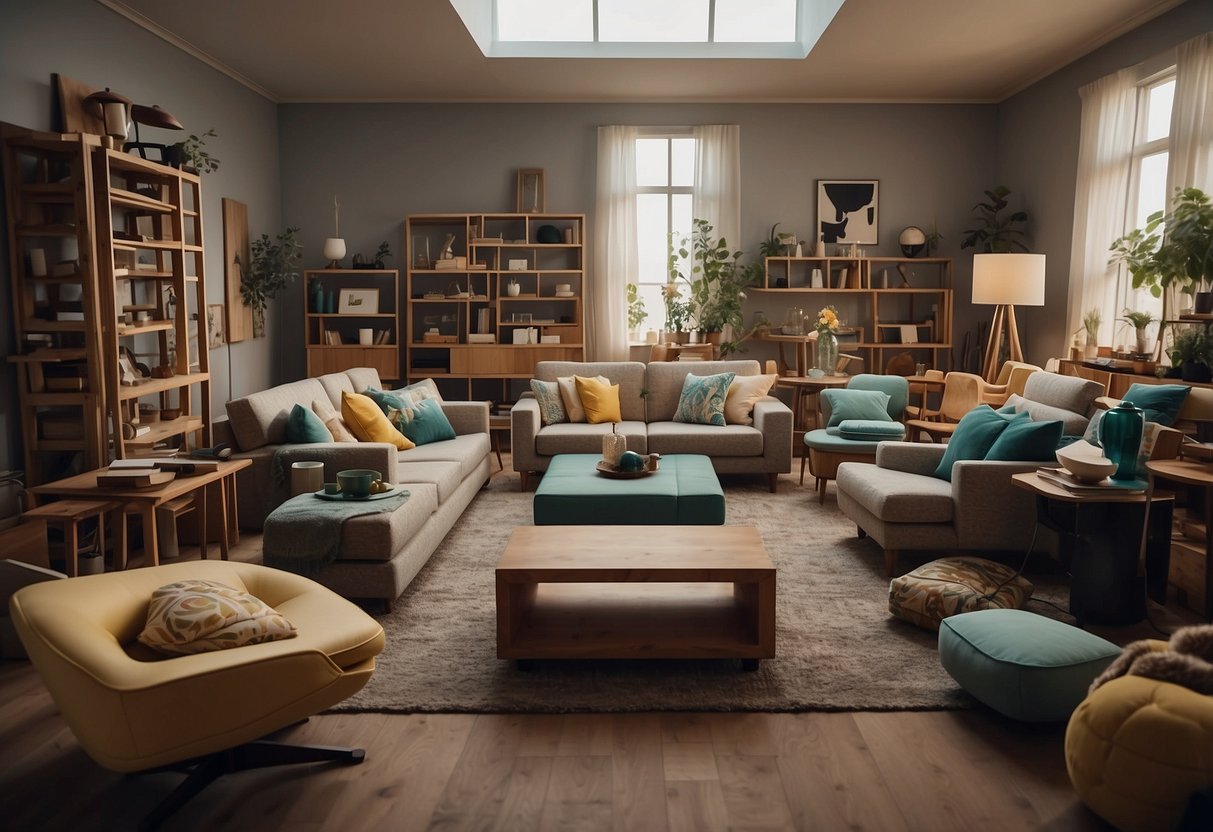
What are the defining characteristics of Cubist-inspired furniture?
Cubist-inspired furniture is characterized by its use of geometric shapes and angles. The furniture often has a fragmented appearance, with sharp lines and bold colours. These pieces are designed to be functional as well as visually striking, with an emphasis on the use of space and form.
How did Cubist art influence the design of furniture?
Cubist art had a major influence on furniture design in the early 20th century. The movement was characterized by its rejection of traditional forms and techniques, and this rejection extended to furniture design as well. Cubist artists sought to break down objects into their geometric components, and furniture designers followed suit, creating pieces that emphasized form over function.
Where can one find authentic Cubist furniture pieces for purchase?
Authentic Cubist furniture pieces can be difficult to find, as many of the original pieces were created as one-of-a-kind works of art. However, there are a number of furniture designers and manufacturers who create pieces inspired by the Cubist movement. These pieces can be found in specialty furniture stores, online marketplaces, and at auctions.
What are some creative ideas for incorporating Cubist furniture into modern decor?
Cubist furniture can be used to add a bold, modern touch to any room. Consider incorporating a Cubist-inspired chair or table into a minimalist living room, or using a Cubist-inspired bookshelf to display your favourite books and decorative items. You can also mix and match different pieces to create a unique, eclectic look.
Can you trace the historical development of furniture design within the Cubist movement?
The development of furniture design within the Cubist movement is closely tied to the development of Cubist art. As the movement evolved, artists and designers experimented with new forms and techniques, creating furniture pieces that were increasingly abstract and geometric. Today, Cubist-inspired furniture continues to evolve, with designers pushing the boundaries of what is possible with form and function.
What are some space-saving solutions offered by furniture designs inspired by Cubism?
Cubist-inspired furniture is often designed with space-saving in mind. Many pieces feature clean lines and minimalistic designs, making them ideal for small apartments and other compact living spaces. Additionally, the use of geometric shapes and angles can help to create the illusion of space, making a room feel larger and more open.