Fused Heart Valve: Understanding Causes and Treatment
A fused heart valve, often referred to as a stenotic valve, can be a serious health issue. This condition occurs when the flaps or “cusps” of the heart valve become thickened or fused together, preventing the valve from opening fully. This makes it harder for the heart to pump blood efficiently, leading to various symptoms and complications.
You may have been born with this condition or developed it later in life due to factors like rheumatic fever. Symptoms can range from mild to severe, including chest pain, fatigue, and shortness of breath. It’s important to recognise the signs early for proper diagnosis and treatment.
Whether you’re concerned about your own health or a loved one’s, understanding fused heart valves is crucial. In this article, we’ll explore what causes this condition, how it is diagnosed, and what treatment options are available.

Key Takeaways
- Fused heart valves disrupt efficient blood flow through the heart.
- Early diagnosis is key to effective treatment.
- Treatment options are available to manage symptoms and improve quality of life.
Understanding Fused Heart Valves
A fused heart valve is a condition where the valve flaps, or cusps, are stuck together. This type of valve problem is often present at birth, making it a congenital heart defect.

In many cases, you might hear about a Bicuspid Aortic Valve (BAV). Normally, the aortic valve has three cusps but in BAV, only two cusps are present because two have fused together.
Key Points about Fused Heart Valves:
- Congenital Defect: Most fused heart valves are detected in children and infants because they occur from birth.
- Cusps: These are the flaps in the valve that open and close with each heartbeat.
- Raphe: In BAV, there is often a fibrous ridge called a raphe where the cusps have fused.
Such valve defects can lead to aortic stenosis. This means the valve doesn’t open fully, causing the heart to work harder to pump blood.
Symptoms to Watch For:
- Fatigue
- Shortness of breath
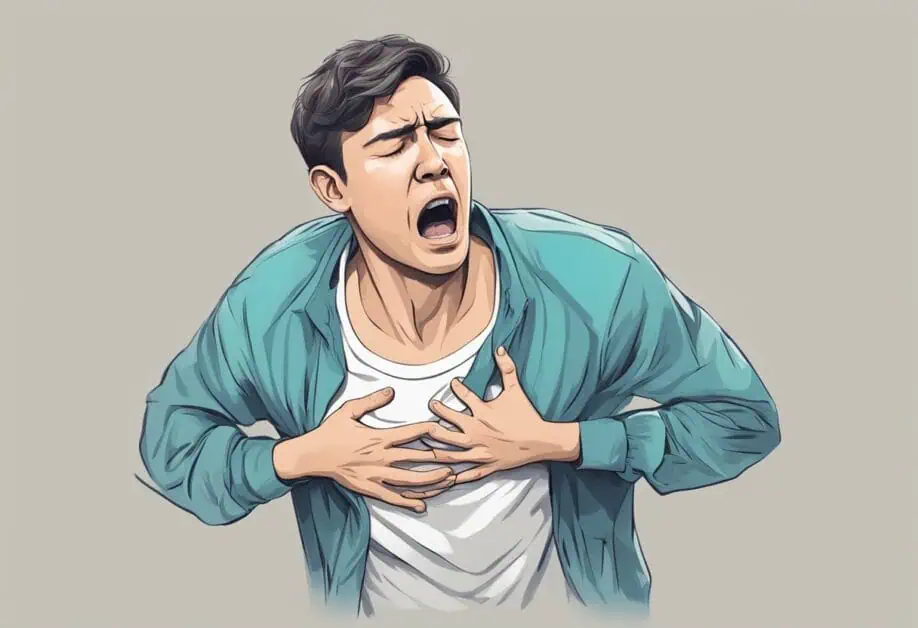
- Chest pain
If you or a loved one has been diagnosed with a fused heart valve, don’t worry. Many people live healthy lives with proper medical care. Always consult a healthcare professional for advice tailored to your situation.
Diagnosis and Treatment Options
When you have a fused heart valve, identifying symptoms early and using advanced diagnostic procedures are crucial. Medical and surgical interventions can improve your quality of life, while lifestyle changes help manage the condition effectively.
Identifying Symptoms
Symptoms of a fused heart valve often include chest pain, shortness of breath, and fainting. You might also experience dizziness and an irregular heartbeat.
A heart murmur, detected by a doctor using a stethoscope, can be an early sign. These symptoms may worsen over time, leading to severe complications if not treated.
Advanced Diagnostic Procedures
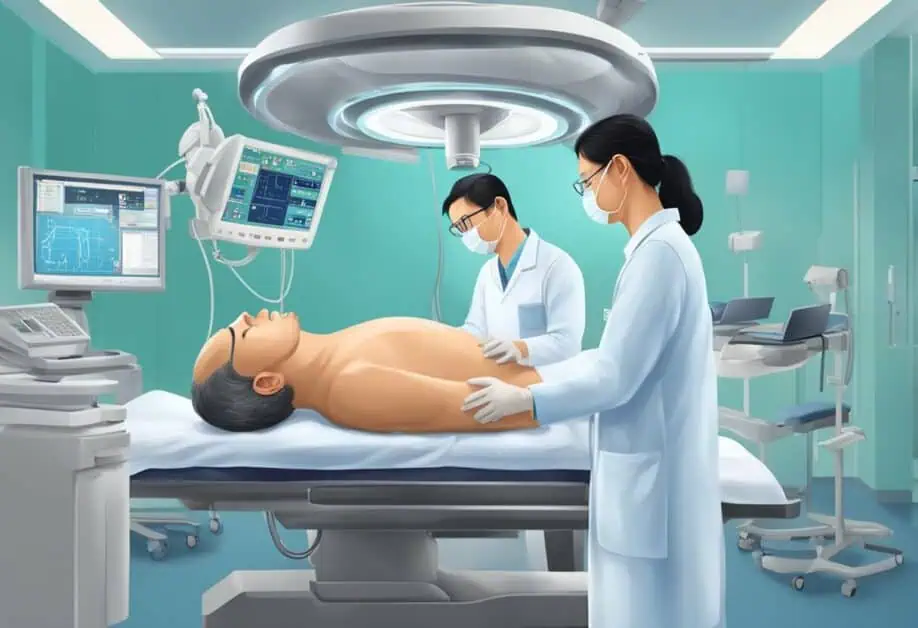
Advanced diagnostic tools are essential for accurate diagnosis. Echocardiography is commonly used; it can create detailed images of your heart, showing the valve’s condition.
A transesophageal echocardiography (TEE) goes further by providing clearer images via a probe inserted down the throat. Sometimes, a chest X-ray can reveal heart enlargement or fluid in the lungs due to valve problems.
Medical and Surgical Interventions
There are several medical and surgical interventions available. Medication can help manage symptoms and prevent complications. Antibiotics might be prescribed to prevent endocarditis.
For severe cases, surgery is often required. Aortic valve repair or replacement can be done through traditional open-heart surgery or minimally invasive methods like the Transcatheter Aortic Valve Replacement (TAVR).
Procedures like valvuloplasty, including balloon valvuloplasty, are also options to improve valve function.
Lifestyle and Management
Managing a fused heart valve involves lifestyle changes. Maintaining a healthy weight and regular exercise can improve heart health. Avoid smoking, which can worsen heart conditions, and monitor your blood pressure closely.
Dietary changes can also help, especially reducing salt intake to manage blood pressure. If you have other conditions like chronic kidney disease, following your doctor’s advice on diet and medication becomes even more critical. Regular check-ups are essential to monitor the condition and prevent further complications.
Frequently Asked Questions
Bicuspid aortic valve conditions can impact your health in various ways. This section addresses common concerns, from symptoms to lifestyle adjustments.
What are the typical symptoms of a bicuspid aortic valve in adults?
Common symptoms include chest pain, shortness of breath, and fatigue. Some people may also experience dizziness or fainting, especially during physical activity.
Can having a bicuspid aortic valve affect one’s lifespan?
Yes, it can. If not monitored or treated properly, complications like aortic stenosis or heart failure can develop, potentially shortening lifespan.
Is there a genetic predisposition to inheriting a bicuspid aortic valve?
There is a hereditary link. If you have a family history of bicuspid aortic valve, you might be at a higher risk of having it as well.
What complications may arise from a bicuspid aortic valve?
Possible complications include aortic aneurysm, aortic dissection, and valvular stenosis. Regular check-ups are essential to catch these issues early.
How does a bicuspid aortic valve impact the life of a child?
Children with this condition might face challenges like growth delays or heart murmurs. Early diagnosis and treatment can help manage these issues effectively.
Are there any lifestyle adjustments recommended for individuals with a bicuspid aortic valve?
Yes, it’s advised to avoid heavy lifting and high-intensity sports. Regular exercise like walking or swimming is beneficial. Maintaining a heart-healthy diet is also important.