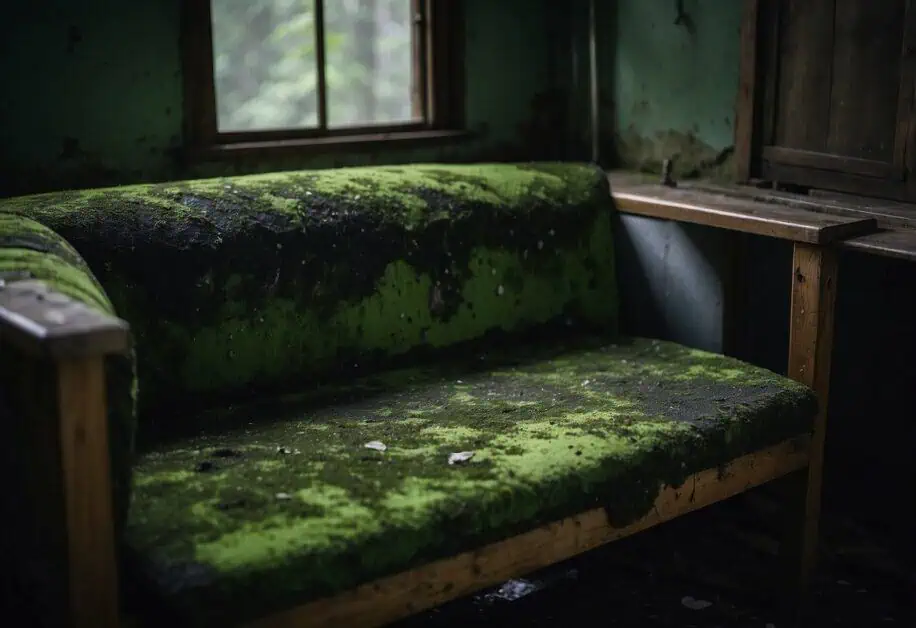
Waterlogged Wood Furniture: How to Salvage and Restore
Waterlogged wood furniture can be a frustrating and unsightly problem to deal with. Whether it’s a cherished antique or a newer piece that has been exposed to moisture, water damage can cause wood to swell, warp, and even crack. However, with the right knowledge and techniques, it’s possible to restore water-damaged wood furniture to its former glory and prevent future damage.
Understanding the causes of water damage in wood furniture is key to preventing and repairing it. Water damage can be caused by a variety of factors, including spills, leaks, and high humidity levels. When wood absorbs water, it swells and can become misshapen. If left untreated, the wood can eventually crack and split. It’s important to act quickly to dry out waterlogged wood furniture to prevent further damage.
Restoration and prevention techniques for waterlogged wood furniture vary depending on the extent of the damage. In some cases, sanding and refinishing may be enough to restore the piece to its original condition. In more severe cases, it may be necessary to replace damaged parts or even rebuild the entire piece. Taking steps to prevent future water damage, such as using coasters and avoiding placing furniture in damp areas, can also help to keep your wood furniture looking its best for years to come.

Key Takeaways
- Water damage in wood furniture can cause swelling, warping, and cracking.
- Quick action is necessary to prevent further damage to waterlogged wood furniture.
- Restoration and prevention techniques vary depending on the extent of the damage.
Understanding Water Damage in Wood Furniture
If you have waterlogged wood furniture, it’s important to understand the types of water damage and their effects on different wood types. This knowledge will help you determine the best course of action for restoring your furniture.

Types of Water Damage
There are two main types of water damage that can affect wood furniture: surface damage and structural damage.
Surface damage includes water stains, which are caused by spills or exposure to high humidity. These stains are typically only on the surface of the wood and can be removed with sandpaper or a wood cleaner.
Structural damage includes swollen wood, warping, cracking, and splitting. This type of damage occurs when water penetrates the wood and causes it to expand. Swollen wood furniture is a common result of water damage, and it can be difficult to repair.
Effects on Different Wood Types
Different types of wood will react differently to water damage. Softwoods like pine and cedar are more susceptible to water damage than hardwoods like oak and maple. Softwoods are also more likely to split and warp when they become waterlogged.
Hardwoods are more resistant to water damage and are less likely to swell or warp. However, they can still be affected by water stains and surface damage.
Dry wood is more susceptible to water damage than wood that is already moist. If your furniture has been in a dry environment for a long time, it may be more prone to water damage.
Water bubbles can also form on the surface of water-damaged wood furniture. These bubbles are caused by trapped moisture and can be removed by sanding the affected area.
In summary, understanding the types of water damage and their effects on different wood types is crucial for restoring waterlogged wood furniture. Softwoods are more susceptible to damage than hardwoods, and dry wood is more prone to damage than moist wood. Surface damage is typically easier to repair than structural damage, which can be difficult to fix.
Restoration and Prevention Techniques
Drying and Repairing Waterlogged Furniture
If your waterlogged wood furniture has been soaked for a long time, it may have swelled up, making it difficult to open drawers or doors. To fix water-damaged swollen wood furniture, you can use sandpaper to gently sand the swollen areas until they are smooth and even. Then, use a humidifier or dehumidifier to dry out the wood slowly. You can also use an iron on a low setting with a microfiber cloth to remove any remaining moisture.
If the wood is cracked or split, you can use wood glue to repair the damage. Apply the glue to the damaged area and clamp it together until the glue dries. Once the glue has dried, you can sand the area to make it smooth and even.
Finishing and Protecting Wood Surfaces
After you have repaired the water damage, you can apply a finish to protect the wood surface. There are several types of finishes you can use, including varnish, sealants, and oil finishes. Varnish is a clear coating that provides a hard, protective layer on top of the wood. Sealants and stain-sealant products can help to protect the wood from water damage and stains. Oil finishes penetrate the wood to protect it from the inside out.
To apply furniture oil, use a clean cloth and apply the oil in the direction of the wood grain. Allow the oil to soak in for a few minutes, then wipe away any excess with a clean cloth. Repeat this process until the wood is fully saturated.
Preventative Measures for Water Damage
To prevent water damage to your wood furniture, it is important to keep it away from direct sunlight and moisture. Use furniture oil or wood moisturizer regularly to keep the wood hydrated and prevent it from drying out. Avoid using bleach or chemical stripping agents on wood furniture, as they can damage the surface.
If you do notice water stains on your furniture, you can try using mayonnaise to remove them. Apply a small amount of mayonnaise to the stain and let it sit for a few hours. Then, wipe away the mayonnaise with a clean cloth.
To prevent mold growth on your wood furniture, make sure to keep it in a well-ventilated area. Use electric fans or open windows to improve air circulation. If you do notice mold on wood, use a mixture of water and vinegar to clean it off.
Frequently Asked Questions
What’s the best way to treat wood furniture that’s been water damaged?
If your wood furniture has been water damaged, it’s important to act quickly. The best way to treat it is by removing any excess moisture from the surface using a dry cloth or towel. Then, allow the furniture to dry completely in a well-ventilated area. You can also use a dehumidifier to speed up the drying process. Once the furniture is dry, you can treat it with wood conditioner or oil to restore its natural shine.
Can swollen wood furniture be restored to its original state?
Yes, swollen wood furniture can be restored to its original state. The first step is to remove any excess moisture from the surface using a dry cloth or towel. Then, allow the furniture to dry completely in a well-ventilated area. If the swelling is minor, the furniture may return to its original state once it’s dry. However, if the swelling is severe, you may need to sand the furniture down and refinish it.
Is it possible to repair a wood coffee table that has water damage?
Yes, it is possible to repair a wood coffee table that has water damage. The first step is to remove any excess moisture from the surface using a dry cloth or towel. Then, allow the coffee table to dry completely in a well-ventilated area. If the water damage is minor, you may be able to restore the coffee table using wood conditioner or oil. However, if the damage is severe, you may need to sand the coffee table down and refinish it.
How do you deal with a wood table that has developed water damage bubbles?
If your wood table has developed water damage bubbles, the first step is to remove any excess moisture from the surface using a dry cloth or towel. Then, use a sharp knife to carefully cut away the bubbles. Once the bubbles have been removed, allow the table to dry completely in a well-ventilated area. You can then sand the table down and refinish it to restore its natural shine.
What are the steps to repairing water damaged wood veneer?
The first step to repairing water damaged wood veneer is to remove any excess moisture from the surface using a dry cloth or towel. Then, use a sharp knife to carefully cut away any damaged veneer. Once the damaged veneer has been removed, you can apply a wood filler to the area and allow it to dry completely. You can then sand the area down and refinish it to restore its natural shine.
How long does it typically take for water to permanently ruin wooden furniture?
The length of time it takes for water to permanently ruin wooden furniture depends on a number of factors, including the type of wood, the amount of water damage, and the humidity level in the environment. In general, it’s best to act quickly to remove any excess moisture from the surface and allow the furniture to dry completely in a well-ventilated area. If the furniture is severely water damaged, it may need to be sanded down and refinished to restore its natural shine.