Last updated 7 August 2026. This page was reviewed on that date. Prices, rates and opening hours change often in Singapore — confirm anything that matters directly with the business before you travel or spend.
Quick answer: Singapore’s Mediterranean scene goes way beyond olive oil and feta. You’ve got halal Turkish feasts at Alaturka on Bussorah Street, sky-high dinners at Artemis Grill, fully vegetarian Mediterranean at Original Sin, big Greek sharing plates at Bakalaki, bold Middle Eastern spins from Artichoke, Aegean seafood at Alati, and riverside taverna vibes at Zorba. Whatever your craving—date night, family gathering, or something meat-free—one of these will hit the spot.
For evenings when only the sizzle of a prime cut will do, your appetite is better served by our guide to a grill restaurant for when you have earned it.

The right meal can shift how you carry yourself. A Mediterranean restaurant isn’t just about grilled seafood and good olive oil—it’s a setting where you slow down, connect, and walk out feeling more put-together. Whether you’re dressing for a skyline date or gathering a noisy group of kakis, these spots give you a reliable backdrop to feel like your best self. Put in the effort to show up, and the room does the rest.
Part of Best Western & European Food in Singapore: 58 guides covering this ground, for the wider view before you choose.
Alaturka Mediterranean & Turkish Restaurant
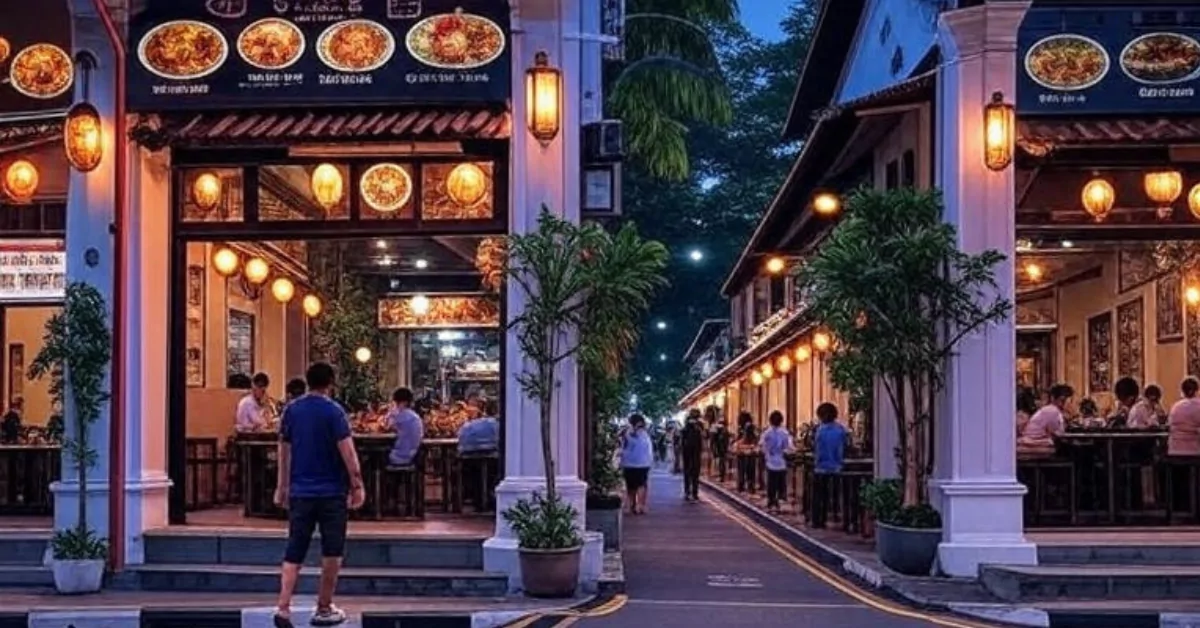
If you’re in Kampong Glam and suddenly craving something more Mediterranean than shawarma, Alaturka is where locals go for a reliable, halal-certified meal. The Meze Tabagi sharing platter is a no-brainer—warm lavas bread, creamy hummus, smoky babaganoush, and a parade of dips that make you want to order another round. The grilled meat plates and house-made pide are just as solid. It’s been slinging these since 2005, and got a Michelin Bib Gourmand nod in 2016 for good value without skimping on flavour.
For a first date where you want warmth without stiffness, this Kampong Glam staple delivers. The dining room hums with a relaxed, family-style energy that makes conversation easy. Book on a weekday evening when the pace is unhurried and you can linger over the meze parade without feeling rushed. Sharing plates naturally smooth over any awkward silences.
Address: 15 Bussorah Street, Singapore 199436
Hours: Daily 11:30am–10:30pm (last order 10pm)
Phone/WhatsApp: +65 6294 0304 | +65 8061 6981
Website: https://www.alaturka.com.sg/
Perfect for a chill family dinner, a casual date, or when your Muslim friends want in on a mezze feast without worrying about halal status.

Related: Best BBQ Delivery Services in Singapore — when the party’s at your place and nobody wants to man the grill.
Related: Best American BBQ in Singapore — when you want brisket, not satay.
Artemis Grill
For those evenings when you want the skyline to do half the work, Artemis Grill sits on the 40th floor of CapitaGreen, and the view is lah, can’t complain. The kitchen leans on sustainable, organic produce. Their burratina with sundried pesto and grilled artichoke is a light way to start; if you’re feeling indulgent, the Iberico pork loin with chorizo cassoulet brings the richness. Set lunches are good for a business meet, and dinner turns the city lights into your backdrop.
This is your power-lunch weapon or anniversary flex. The 40th-floor vantage point does a lot of the heavy lifting for your image—arrive polished and let the skyline frame the occasion. Midday set lunches keep things sharp for business, but evening is when the room softens into something more magnetic. Dress for the room; it rewards the effort.
Address: 138 Market Street, CapitaGreen Rooftop (Level 40), Singapore 048946
Hours: Weekdays lunch & dinner; weekends available for private events (contact for details)
Phone/WhatsApp: +65 9850 7954
Website: https://artemisgrill.com.sg/
This one’s for anniversaries, proposals, or impressing a client when you need the setting to do the talking.

We compile these ourselves and take suggestions. If your business belongs on this list, tell us why.
As you picture the warm, leisurely pace of a Mediterranean meal, you might also appreciate discovering a pizza restaurant for the late crowd.
Original Sin
If you’re vegetarian or just want a break from meat that doesn’t taste like penance, Original Sin has been the go-to since 1997—way before plant-based was cool. Their Mediterranean pizza with feta, olives, and semi-dried tomatoes is a staple, and the moussaka with baked potato and eggplant under béchamel is surprisingly hearty. The whole menu is vegetarian, and it’s in Chip Bee Gardens, so you can eat outdoors and soak up some Holland Village energy.
If you’re hosting a vegetarian friend you actually want to impress, bring them here. The Chip Bee Gardens terrace makes a breezy weekend lunch feel like a small escape from the city grind. Come in a group of four so you can work through the menu strategically. The moussaka’s heft will reset what they think plant-based food can be.
Address: 43 Jalan Merah Saga, #01-62, Chip Bee Gardens, Singapore 278115
Hours: Mon–Sat 11:30am–2:30pm, 6pm–10:30pm; closed Sundays
Phone/WhatsApp: +65 6475 5605 | +65 9776 6185
Email: [email protected]
Website: https://www.originalsin.sg/
Great for vegetarians, flexitarians, and anyone who loves a relaxed, garden-style lunch.

Bakalaki Greek Taverna
For a Greek taverna that feels like a holiday, Bakalaki on Martin Road brings the full-on Mediterranean loudness and warmth. The saganaki cheese arrives sizzling, the lamb chops are properly charred, and the seafood platters are meant for a group that isn’t shy about using their hands. They also do a solid tzatziki and fluffy pitta—basic, but when it’s done right, it hits different. Go with a bunch of friends and order everything to share; that’s the point.
Book this when you have a crew of six or more and everyone is on for a big, hands-on evening. The room gets loud, plates land fast, and the whole experience nudges you to stop wayang and just enjoy the chaos. Go on a Friday when the energy peaks and order family-style. You’ll leave louder than you arrived—that’s the point.
Address: 38A Martin Road, #01-01, Singapore 239072
Hours: Mon–Thu 5pm–11pm; Fri–Sun 11:30am–2:30pm & 5pm–11pm
Phone: +65 6836 3688
Website: https://bakalaki.com/
For a different kind of evening, you might find our guide to Finest Restaurants on Duxton Hill helpful—those shophouse spots have a charm all their own.
Boisterous group dinners, birthdays, or when you miss a proper Greek island meal—Bakalaki fits the bill.

Artichoke
Chef Bjorn Shen’s Artichoke is not your atas Mediterranean place—it’s loud, messy, and proudly Singaporean-influenced. The lamb shakshouka, halloumi fries, and jewelled hummus are staples, and the fried cauliflower is one of those ‘die die must try’ sides. They’ve since moved to New Bahru on Kim Yam Road, but the energy remains: come for a creative spin on Middle Eastern flavours that doesn’t take itself too seriously.
Go here with friends who don’t need an atas setting to have a good time. The New Bahru space keeps the rebellious, don’t-take-yourself-too-seriously spirit intact. Turn up in a group that’s okay with sharing messily and ordering a second round of fried cauliflower without overthinking it. The room rewards appetite, not restraint.
Address: 46 Kim Yam Road, #01-02, New Bahru, Singapore 239351
Hours: Tue 5:30pm–10:30pm; Wed–Sun 11am–3pm & 5:30pm–10:30pm; closed Mondays
Reservations: Via website only
Website: https://www.artichoke.com.sg/
Craving something with a more traditional Singaporean soul? Check out our roundup of Teochew Restaurants in Singapore for a taste of heritage cooking.
Best for adventurous eaters, couples who want a fun date, or anyone bored of the same old hummus.

Alati Divine Greek Cuisine
Tucked on Amoy Street, Alati is the place when you want your Greek food a little more refined. Seafood is flown in fresh from the Aegean, and the whole grilled fish is a sight to behold. The beef moussaka and Greek salads are equally steady. It’s suitable for a proper date night or a quiet celebration—the kind where you linger over wine and actually talk.
When the goal is a quiet celebration where you actually hear each other, this Amoy Street room fits. The refined setup suits an anniversary or a deliberate date night where you dress up and stay for three courses. Let the whole grilled fish be the centrepiece—it arrives with a presence that signals you planned this properly.
Address: 73 Amoy Street, Singapore 069892
Hours: Lunch Mon–Sat 12pm–2:30pm; Dinner Mon–Sat 6pm–10:30pm (last order 9:45pm)
Phone: +65 6221 6124
Email: [email protected]
Website: https://www.alati.sg/
For couples marking something special, or a small group that appreciates premium ingredients.

Zorba The Greek Taverna
Right by the Singapore River at Clarke Quay, Zorba gives you that day-to-night riverside buzz. The slow-roasted lamb gyro is a winner, and the shakshuka with sous-vide eggs makes a surprisingly good brunch move. It’s casual enough for a lazy weekend lunch, but the evening crowd gives it a lively edge. If you’re walking along the quay and the smell of grilled meat pulls you in, just surrender lah.
Surrender to the riverside pull when you’re walking Clarke Quay and the evening needs a spontaneous upgrade. It suits a casual Sunday brunch pivot or a lively dinner where you didn’t book ahead. The open-air buzz does half the work for your mood. Show up hungry, order the lamb gyro, and let the location handle the rest.
Address: 3A River Valley Road, #01-02, Clarke Quay, Singapore 179024
Hours: Daily 11:30am–10:30pm (last order 10pm)
Phone/WhatsApp: +65 8879 0688 | +65 8218 5602
Email: [email protected]
Website: https://www.zorba.sg/
For a riverside hangout with friends, late lunch on a Sunday, or pre-drinks before a night out.

How to choose
Start with who’s coming. If you’ve got Muslim friends, Alaturka is the only halal-certified option here and it’s solid quality. If someone in the group is strictly vegetarian, Original Sin takes the guesswork out. For a date that needs a view, Artemis Grill delivers; for a rowdy group feast, Bakalaki’s platters and taverna noise are unbeatable. Artichoke suits the experimental eater who wants Middle Eastern flavours bounced through a Singaporean lens. Alati brings the refinement when the occasion calls for something a touch more upscale, and Zorba is hard to beat for a spontaneous, riverside meal that doesn’t need a booking weeks in advance.
Prices vary, but as a rough guide: Alaturka and Original Sin sit in the moderate range, while Artemis, Alati, and Bakalaki lean higher. Artichoke and Zorba fall somewhere in between. Always check the menu online or call ahead if you’re on a strict budget—most places post current prices on their sites.
Reservations are wise for all of them, especially on Friday and Saturday nights. A few accept WhatsApp or online bookings, which makes it painless.
| Restaurant | Cuisine Focus | Location | Dietary Notes | Best For |
|---|---|---|---|---|
| Alaturka Mediterranean & Turkish Restaurant | Turkish & Mediterranean | Kampong Glam | Halal-certified | Family dinners, casual groups |
| Artemis Grill | Contemporary Mediterranean, sustainable | CBD, CapitaGreen Rooftop | Inquire with restaurant | Romantic dates, business meals |
| Original Sin | Vegetarian Italian-Mediterranean | Holland Village | Fully vegetarian | Plant-based diners, al fresco lunches |
| Bakalaki Greek Taverna | Authentic Greek | River Valley | Inquire with restaurant | Group feasts, celebratory dinners |
| Artichoke | Middle Eastern with Singapore twist | New Bahru, Kim Yam | Inquire with restaurant | Adventurous eaters, creative dates |
| Alati Divine Greek Cuisine | Upscale Greek, Aegean seafood | Amoy Street | Inquire with restaurant | Special occasions, premium dining |
| Zorba The Greek Taverna | Greek taverna classics | Clarke Quay | Inquire with restaurant | Riverside casual, weekend brunch |
Summary
These seven Mediterranean spots cover the whole spread—halal Turkish in a heritage street, vegetarian moussaka in Holland Village, Greek feasts by the river, and sky-high dates in the CBD. No matter who you’re eating with, there’s a table here that fits the mood.
We compile these ourselves and take suggestions. If your business belongs on this list, tell us why.
And if you’re just exploring the island’s best bites, our guide to Discover Finest Indian Food Restaurants in Singapore is a solid next stop for your food trail.
Details can change; confirm with the business. All information compiled from publicly available sources.
Read next
Frequently asked questions
Which Mediterranean restaurant in Singapore is halal-certified?
Alaturka Mediterranean & Turkish Restaurant on Bussorah Street is halal-certified. All its dishes, from mezze platters to grilled meats, meet halal requirements, making it a straightforward pick for Muslim diners.
Is there a fully vegetarian Mediterranean restaurant?
Yes, Original Sin in Chip Bee Gardens has been serving vegetarian Mediterranean food since 1997. Everything on the menu is meat-free, and the moussaka and pizzas are particularly popular.
Which venue offers the best view for a romantic dinner?
Artemis Grill, perched on the 40th floor of CapitaGreen rooftop, delivers sweeping skyline views alongside its sustainable Mediterranean menu. It’s a go-to for proposals, anniversaries, or high-end business meetings.
Do I need to make a reservation at these restaurants?
Most of these places recommend booking ahead, especially for peak dinner slots and weekends. Alaturka, Original Sin, Bakalaki, and Zorba accept phone or WhatsApp reservations. Artemis Grill, Artichoke, and Alati prefer bookings via their websites.
Which restaurant is good for a big group gathering?
Bakalaki Greek Taverna on Martin Road is built for sharing. Its large platters of lamb, seafood, and mezze work well for groups, and the lively taverna atmosphere encourages a relaxed, noisy meal.
Can I find affordable Mediterranean food in Singapore?
Several options are reasonably priced. Alaturka, with its Bib Gourmand recognition, offers good value. Original Sin and Artichoke also sit in the moderate range. Exact prices can be found on their menus or by calling ahead.