Wood Furniture Design: Tips for Creating Timeless Pieces
Are you looking to add some warmth and character to your home décor? Wood furniture can be a great choice for creating a cosy and inviting atmosphere. But how do you choose the right design for your space? In this article, we’ll explore the essentials of wood furniture design and give you some practical tips for creating your own custom pieces.

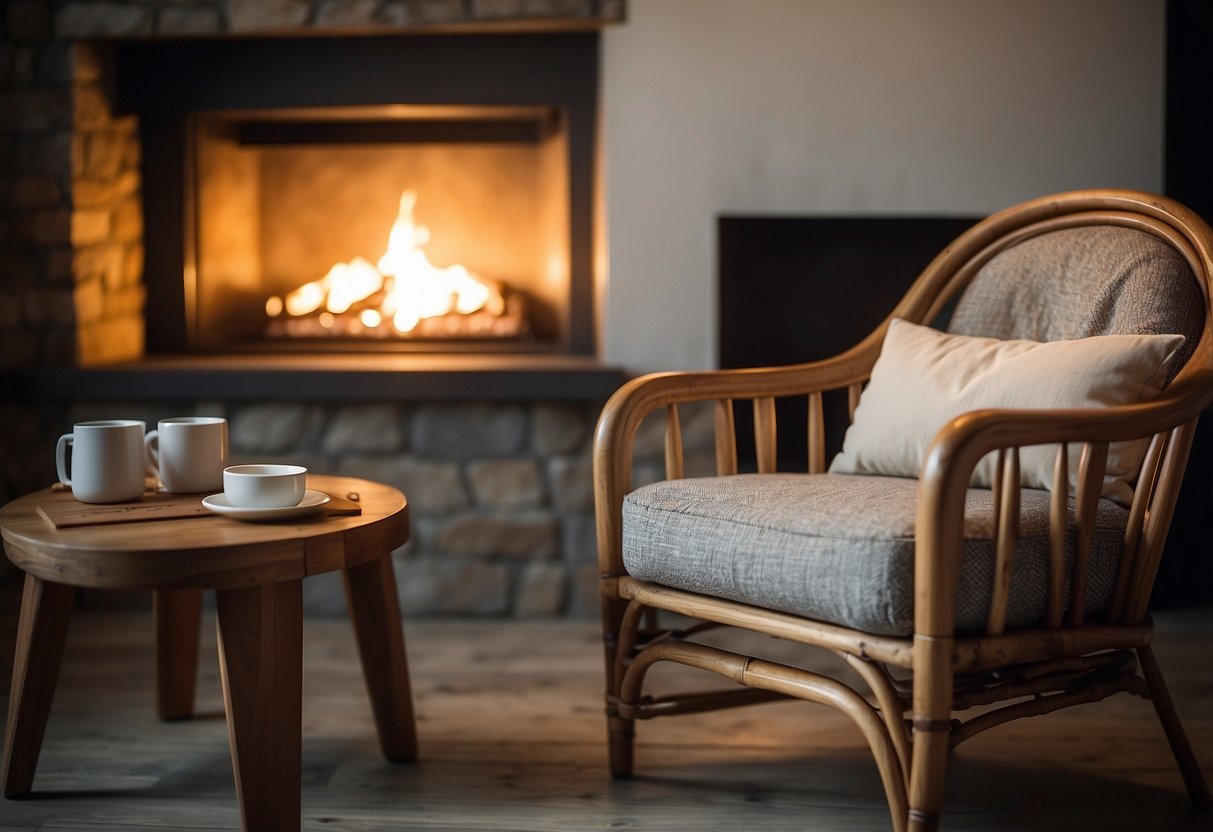
When it comes to wood furniture design, there are a few key factors to consider. First and foremost, you’ll want to think about the style of your space. Are you going for a rustic, farmhouse look or something more modern and sleek? The design of your furniture should complement the overall aesthetic of your home. You’ll also want to think about the function of the piece. Is it purely decorative or will it be used for storage or seating? These factors will help you determine the size, shape, and features of your furniture.
Once you’ve settled on a design, it’s time to get practical. Woodworking can be a fun and rewarding hobby, but it does require some knowledge and skill. We’ll walk you through the basics of woodworking and give you some tips for creating sturdy, long-lasting furniture. And if you’re not quite ready to tackle a DIY project, we’ll also point you in the direction of some great resources for finding high-quality, affordable wood furniture.
Essentials of Wood Furniture Design
When it comes to designing wood furniture, there are a few key factors that you should keep in mind to ensure that your pieces are both functional and stylish. Here are some essentials of wood furniture design:

Understanding Wood as a Material
Wood is a versatile and beautiful material that can be used to create a wide range of furniture designs. However, it’s important to understand the properties of different types of wood in order to choose the right material for your project. Some woods, like oak and mahogany, are known for their strength and durability, while others, like pine and teak, have a more rustic and natural look.
The Intersection of Functionality and Style
When designing wood furniture, it’s important to strike a balance between functionality and style. Your furniture should be comfortable and practical to use, but it should also be visually appealing and complement the overall aesthetic of the space. Consider the intended use of the furniture and the design style of the room when making design decisions.
Selecting the Right Finish for Durability and Aesthetics
The finish that you choose for your wood furniture is crucial for both durability and aesthetics. A good finish will protect the wood from damage and wear, while also enhancing its natural beauty. There are many different types of finishes to choose from, including oils, stains, and varnishes. Reclaimed wood is a popular choice for furniture design, as it is eco-friendly and adds a unique character to the piece.
By keeping these essentials in mind, you can create beautiful and functional wood furniture designs that will stand the test of time.
Practical Aspects of Woodworking
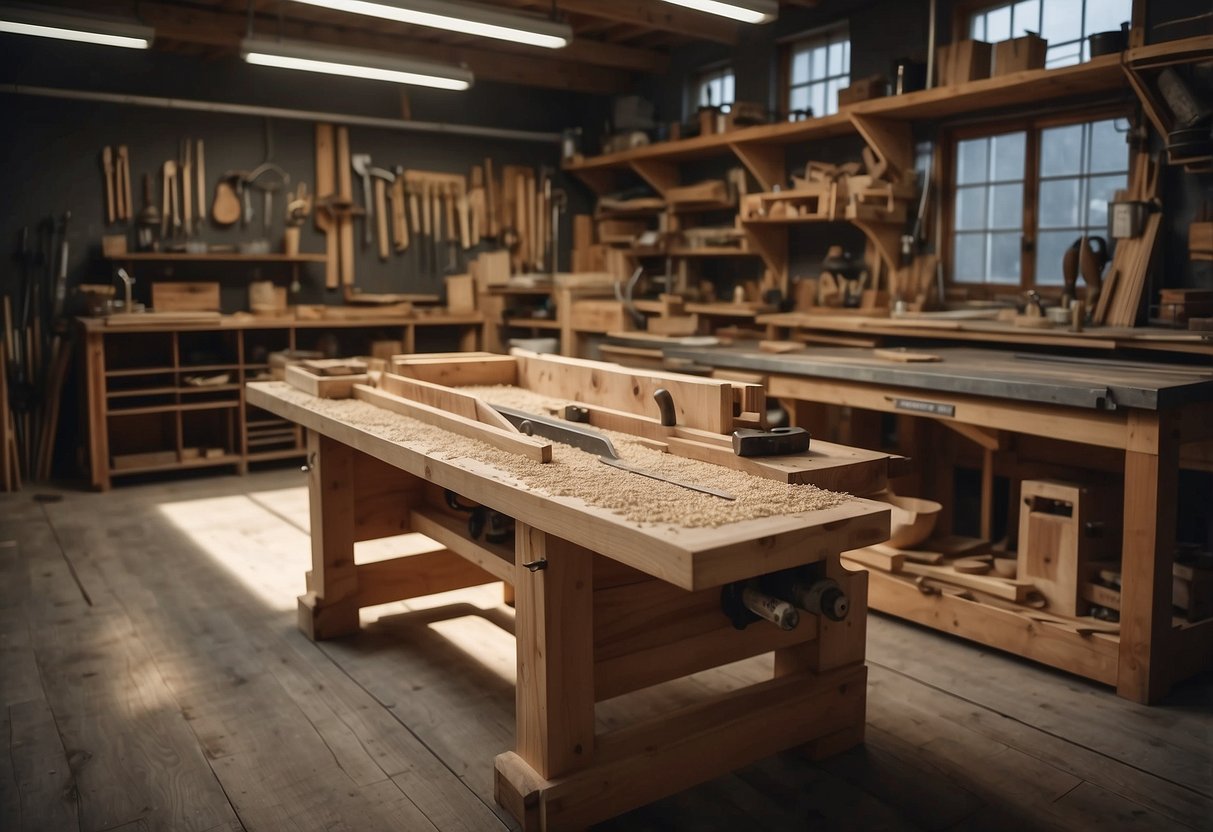
When it comes to woodworking, there are many practical aspects to consider, from designing for different spaces to incorporating innovative uses of wood in furniture. In this section, we will explore some of these practical aspects and how they can enhance your wood furniture design.
Designing for Different Spaces: Garden, Patio, and Indoor
When designing furniture for different spaces, it’s important to consider the environment in which the furniture will be placed. For example, if you’re designing furniture for a garden or patio, you’ll want to choose wood that can withstand exposure to the elements, such as ash or plank. Additionally, you’ll want to consider the dimensions of the furniture to ensure that it fits comfortably in the space.

Innovative Uses of Wood in Furniture: Planters, Shelving, and Coffee Tables
Incorporating innovative uses of wood in furniture can add both functionality and style to your design. For example, you can use wood to create planters that double as seating, or shelving that incorporates unique profiles for added visual interest. Coffee tables can also be designed with wood in innovative ways, such as incorporating storage or using different types of wood for a contrasting effect.
Ergonomics and Proportions: From Table Lamps to Benches
Ergonomics and proportions are essential considerations when designing wood furniture. For example, when designing a table lamp, you’ll want to consider the height of the lamp in relation to the height of the table it will be placed on. Similarly, when designing a bench, you’ll want to consider the height and width of the bench in relation to the average height and size of the people who will be using it.
Overall, incorporating practical aspects into your wood furniture design can enhance both the performance and aesthetics of your furniture. By considering factors such as the environment in which the furniture will be placed, innovative uses of wood, and ergonomics and proportions, you can create furniture that is both beautiful and functional.
Frequently Asked Questions
What types of wood are currently trending in furniture design?
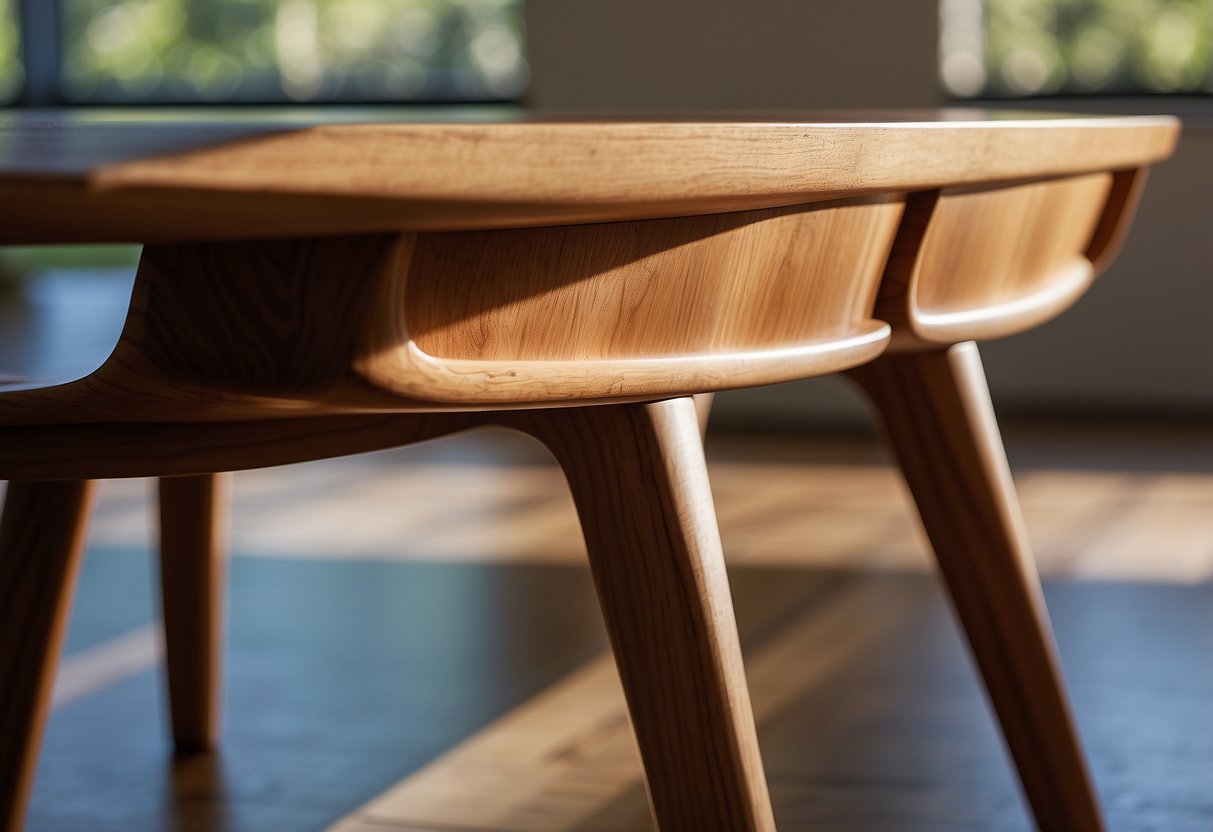
There are several types of wood that are currently trending in furniture design. Some of the most popular ones include oak, walnut, teak, and mahogany. Each of these woods has its own unique characteristics and can be used to create different styles of furniture. Oak is known for its durability and strength, while walnut is prized for its rich, dark colour. Teak is a popular choice for outdoor furniture due to its resistance to moisture and decay, and mahogany is known for its reddish-brown hue and beautiful grain patterns.
How can one identify high-quality wood furniture?
To identify high-quality wood furniture, you should look for signs of craftsmanship such as dovetail joints, smooth finishes, and sturdy construction. The wood grain should be consistent and the finish should be even. The furniture should also feel solid and heavy, indicating that it is made from solid wood rather than particleboard or veneer. Additionally, high-quality wood furniture is often more expensive than lower-quality options.
Which woods are most durable for crafting furniture?
When it comes to durability, some of the best woods for crafting furniture include oak, maple, and teak. These woods are known for their strength and resistance to wear and tear. Other durable woods include cherry, mahogany, and walnut. However, keep in mind that the durability of a piece of furniture also depends on how it is constructed and finished.
What are the latest modern wood furniture design trends?
The latest modern wood furniture design trends include minimalist designs, natural finishes, and sustainable materials. Many designers are also incorporating metal and glass into their designs for a sleek, contemporary look. Other popular trends include live edge furniture, which showcases the natural edge of the wood, and mixed materials, such as wood and concrete or wood and leather.
Can you suggest some simple wood furniture designs for beginners?
If you’re a beginner, some simple wood furniture designs to try include a basic coffee table, a bookshelf, or a bench. These designs are relatively easy to construct and require only basic woodworking skills. You can also find many free plans and tutorials online to help guide you through the process.
What are some essential considerations when planning wood furniture designs?
When planning wood furniture designs, it’s important to consider factors such as the function of the piece, the size and scale of the room, and your personal style preferences. You should also consider the type of wood you want to use and the finish you want to apply. Additionally, it’s important to have a clear understanding of your woodworking skills and limitations to ensure that you can successfully complete the project.