Last updated 7 August 2026. This page was reviewed on that date. Prices, rates and opening hours change often in Singapore — confirm anything that matters directly with the business before you travel or spend.
Quick answer: For a special weekend sourdough, splurge on Bordier or Echiré. If you cook a lot, keep Kerrygold in the fridge – damn steady for pancakes and basting. President is the reliable French supermarket butter. And when you want something uniquely local that starts a conversation, Meraki Butters and Hern Hao Eats deliver punchy Asian flavours like mala and salted egg. Anchor is the everyday workhorse from New Zealand that still tastes properly of grass-fed cream.
Your free hours are precious. You want butter that rewards the five seconds you spend opening the fridge, not a research project. This list cuts through the grocery noise: classic European blocks for quiet confidence, local compounds for instant wow, and the one everyday staple that never wastes your time.

This is one of 26 guides in Best Groceries, Delivery & Pantry in Singapore — start there if you would rather compare before you commit.
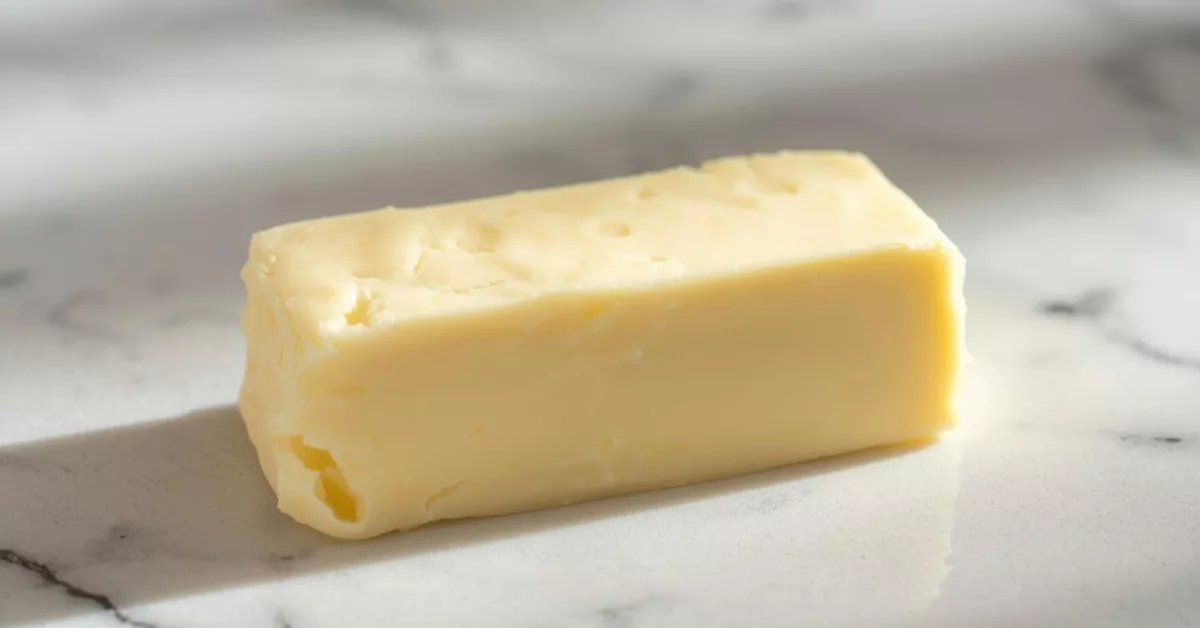
Le Beurre Bordier
A French butter that makes people stop and ask what you put on the bread. Handcrafted by Jean-Yves Bordier in Brittany using a wooden malaxage machine from the 19th century, it arrives in Singapore through gourmet retailers like Atout, Fave Fine Food and So France – no physical shop, just online ordering that feels a bit like receiving a parcel of secrets.
They do a beautiful plain butter, sure. But the compound range is where the money goes: seaweed, yuzu, buckwheat, and a garlic-herb-Sichuan pepper number. A pat of the seaweed one melted over a simple grilled fish, and suddenly you are that friend who cooks restaurant-quality dinners at home.
This one suits the home cook who already has their technique down and wants one ingredient that does all the heavy lifting for flavour. It is not a budget buy, but you are paying for a butter maker who still uses historic tools. Strictly for the moments when you want to impress without trying too hard.
Where to buy: Online via Atout, Fave Fine Food and So France. No physical storefront. Price is premium – expect to invest for a special occasion block.
The ideal upgrade when you’re having friends over and want something that feels quietly special without any last‑minute dash. Most of the compound butters—think seaweed or smoked salt—freeze gracefully, so order a few blocks online when you’ve got a quiet evening and you’re set for weeks. A small, buttery shortcut that works especially well for weekend breakfasts at home.
Website: kerrygold.com (Bordier is stocked by third-party retailers; this link serves as a general reference.)
Echiré
Echiré carries the Charentes-Poitou PDO badge, which is a fancy way of saying this butter was churned in traditional oak barrels from the cream of Western France and washed in spring water. It lands on our shores through Cold Storage online, so you can quietly add it to your cart alongside your regular groceries without anyone needing to know you are buying the atas stuff.
It has a tangy, nutty profile – chefs describe a slight funk that makes it brilliant simply spread thick on a warm baguette. You do not need to cook with it; that would almost be a waste. Let it soften, swipe it across bread, and let it do its work.
For the purist who judges a butter by how it tastes at room temperature with nothing else. If you have been chasing that butter you once ate in a Parisian bistro, this is probably the one. Also a hit for high-end pastry if you are the sort who makes croissants from scratch on a rainy Sunday.
Where to buy: Online via Cold Storage. Price is invest-level, region-locked AOP butter.
This round-up is editorial. Suggestions are welcome – tell us what you offer and where.
Echiré’s tangy, nutty character works best when you let it shine solo: a thick swipe on a still-warm croissant or melted over steamed asparagus. The side door is Cold Storage’s online portal—add a block to your regular order and it arrives without fanfare, freezing beautifully if you buy ahead.
Kerrygold

You see that deep yellow block in the supermarket and you already know it came from cows that actually ate grass. Kerrygold is Irish, pure grass-fed, with a high fat content that makes it the default answer when a chef says “use good butter.” Cold Storage stocks it widely, and every home kitchen in Singapore that takes pancakes and seared steaks seriously has a block sitting in the fridge.
They do two versions: salted for basting and pancakes that need that caramelised edge, and unsalted for baking where you want complete control. The flavour is nutty and full without being so aggressive you cannot use it on toast every morning. It is the butter equivalent of a solid, dependable friend who also happens to tell good stories.
This is your workhorse luxury. You use it daily without guilt, and it still feels like a bit of a treat. For the cook who wants one butter that covers everything from weekday eggs to Saturday dinner-party searing, Kerrygold is the one.
Where to buy: Major supermarkets like Cold Storage, plus online. Mid-range price point.
Whether for the Saturday pancake ritual or a quick steak basting, this is your butter. The salted block sits ready in the fridge, no defrosting drama, and its golden hue stirs confidence into any batter. Grab two when you see it in Cold Storage—one for now, one for the unexpected supper that calls for brown butter.
Website: kerrygold.com
President

When a recipe calls for French butter and you do not want to think too hard, President is sitting there on the shelf at RedMart and most premium grocers. It creams beautifully, foams nicely for basting, and carries that creamy, slightly richer profile you expect from French dairy without the heart-attack price tag of the really esoteric blocks.
Choose the unsalted block when you need precision for baking – butter cakes, financiers, pâte sablée – and the salted when you just want toast that tastes like you put in effort. Professional kitchens lean on it for French dishes, and there is a reason: it performs.
For the baker who churns out tarts and madeleines on the regular and needs a butter that behaves predictably every time. It pairs well with the Finest Waffles in Singapore if you are making the batter from scratch.
Where to buy: RedMart and premium grocery chains. Mid-range, approachably priced for a French butter.
When the recipe says ‘French butter’ but your schedule says ‘just get it done’, President saves you the hunt. The unsalted block is a reliable workhorse for laminated doughs and buttercream—precise, consistent, no surprises. Pick it up during your RedMart grocery run and skip the speciality store detour.
Website: presidentdairy.com.sg
Meraki Butters

Private chef Ryan Foo started this because he wanted butter that tastes like Singapore and the wider region, not just France. The result is compound butter that hits you with kombu, salted egg with curry leaves, and Sichuan mala – flavours that make local sense the moment you melt a slice over charred corn or a fresh bagel.
Bundles start from $20, and they introduce seasonal flavours so there is always a reason to check back. The kombu butter over steamed rice? Strange to say but damn shiok.
This is for the adventurous Singaporean cook who loves local flavours and wants to surprise people. You know someone who owns all the boutique chilli oils – this butter belongs in their fridge too. It also makes a conversation-starting gift when you turn up at a dinner party and pull a block out of your bag. Available online; contact at +65 9123 4567.
Where to buy: Online directly from the brand. Starting from $20 for bundles.
Ryan Foo’s creations zhng up weeknight corn and bagels with flavours that actually taste like home: salted egg with curry leaves, say. Order a bundle before a casual dinner party; each block melts into a conversation point, and seasonal drops keep your freezer stocked for sudden supper inspiration.
Website: merakibutters.com
Hern Hao Eats

Another local brand, Hern Hao Eats takes hours to churn each small batch, using high-quality cream as the base for compound butters that lean luxe: kombu, truffle, porcini, miso chilli. Jars start from $15, and they also do tester packs and full sets so you can sample before committing to a full block. They have even run limited editions like uni shiso – the sort of thing that sells out fast among the supper-club crowd.
The labour is obvious. Truffle butter over a steak you already cooked well – that is a flex. Miso chilli melted into roasted potatoes on a weeknight – small effort, big payoff. This is the kind of butter you keep for the evenings when you want dinner to feel like a reward but do not have the energy for a full production.
Suited for the Finest Sandwiches in Singapore you might build at home, where bread, protein and butter need to sing together. Order through their Instagram – it is that kind of operation, small and personal. If you enjoy the Finest Tea Brands in Singapore with your afternoon toast, these butters are worth a slot on the lazy Susan.
Where to buy: Online via Instagram. Jars from $15, plus tester packs and full sets.
These small-batch jars are your secret weapon when supper guests text you thirty minutes out. The kombu or miso chilli butter melts over grilled fish or tossed pasta with zero prep drama. Order the tester pack to keep in the fridge—each spoonful buys you an extra half-hour of lepak before dinner.
Website: instagram.com/hernhaoeats
Anchor Butter

New Zealand grass-fed butter that you can grab at any FairPrice, and it does not taste like a compromise. Anchor has that clean, natural dairy flavour – the kind that reminds you the cow was eating pasture, not feedlot grain. It spreads smoothly, cooks cleanly, and holds up in baking without throwing off the chemistry.
Is it going to anchor a Michelin-starred butter board? Maybe not. But it is the one you buy two blocks at a time because your household goes through butter fast, and you refuse to settle for the cheap stuff that tastes of nothing. There is real pride in a kitchen that stocks Anchor as its daily driver.
For families, for the baker who needs quantity alongside quality, and for anyone who wants reliable grass-fed butter at a price that makes sense. Keep it next to the bread bin for sandwiches, toss a knob into the frying pan for eggs, and call it a morning well spent.
Where to buy: FairPrice and leading supermarkets, plus online. Budget-friendly, everyday pricing.
At FairPrice, two blocks of this butter leave you stress-free. It spreads from fridge-cold, browns without burning, and rescues a last-minute baking craving. Not for the butter board, but for the 7am toast and the 9pm cookie dough that cannot wait for softening—that’s where it wins.
Website: anchorbutter.com
How to choose
Start by asking what you will actually use the butter for. If you mostly spread it on toast, Echiré or Bordier plain are worth the extra money because you taste them exactly as they are. If you cook every day – basting steaks, making omelettes, whipping up pancake batter – Kerrygold and Anchor give you performance without making you count dollars per pat.
For baking, unsalted is almost always the default: President and Kerrygold both produce consistent results across cakes, pastries and laminated dough. Salted butter throws off the formula.
The local compound butters – Meraki and Hern Hao Eats – are their own category. Think of them as finishing butters: slice off a coin, drop it onto hot protein or vegetables just before serving, and let it melt into a sauce. They work hard for very little effort.
Price-wise, expect to pay from about $5 for a block of Anchor up to $15-plus for the AOP French imports. Compound butters from small Singapore makers start around $15 to $20 for a set or jar. None of these are throwaway purchases, but the top-shelf French ones are best saved for moments when the butter is the centre of the plate. Many home bakers in Singapore also keep unsalted butter in the freezer so that a spontaneous batch of puff pastry is never far away.
This round-up is editorial. Suggestions are welcome – tell us what you offer and where.
| Brand | Best for | Flavour style | Starting price | Buy from |
|---|---|---|---|---|
| Le Beurre Bordier | Bread, finishing | Complex, handmade classics plus yuzu, seaweed | Premium | Atout, Fave Fine Food, So France online |
| Echiré | Spreading, pastry | Tangy, nutty, AOP churned in oak | Premium | Cold Storage online |
| Kerrygold | Everyday cooking, baking | Rich, grass-fed, balanced | Mid-range | Supermarkets, Cold Storage online |
| President | Baking, French dishes | Creamy, strong, dependable | Mid-range | RedMart, premium grocers |
| Meraki Butters | Finishing, local flavour | Kombu, salted egg, mala | From $20 | Online direct |
| Hern Hao Eats | Finishing, luxury boost | Truffle, porcini, miso chilli | From $15 | |
| Anchor Butter | Daily spread, cooking | Clean, grass-fed, natural | Budget-friendly | FairPrice, major supermarkets |
Summary
The butter you choose depends on whether you are building a meal around it or just making Tuesday breakfast a bit better. French AOPs like Bordier and Echiré are pure pleasure – open the wrapper and eat them simply. Kerrygold and President are the ones you cook with and still feel good about. And the local compound butters from Meraki and Hern Hao Eats bring salted egg, mala and truffle straight into your kitchen. Anchor holds down the everyday in a quiet, grass-fed way that never disappoints.
If you are also kitting out other parts of your home life, we have looked at the Finest Wedding Shoes in Singapore for the big days that call for something special.
Disclaimer: All details provided here were gathered from publicly available sources and the businesses themselves. Things change – prices, stock, ordering channels – so please confirm directly with the brand before you buy.
Read next
Frequently asked questions
What is the best butter in Singapore for spreading on bread?
Echiré and Le Beurre Bordier are the go-to choices for plain spreading – both are French, both pack serious flavour at room temperature, and both are sold online here. If your budget is tighter, Anchor delivers a clean grass-fed taste that works beautifully on toast.
Which butter should I use for baking?
Unsalted butter is the standard for baking so you control the salt. President unsalted is a reliable, mid-range French option, while Kerrygold unsalted gives you grass-fed richness. Both perform consistently in cakes, pastry and laminated dough.
Where can I buy boutique compound butter in Singapore?
Meraki Butters (starting from $20, flavours like mala and salted egg) sells through their own website, and Hern Hao Eats (from $15, flavours like truffle and miso chilli) takes orders via Instagram. Both are small-batch local makers.
Is Kerrygold available in Singapore supermarkets?
Yes. Kerrygold salted and unsalted blocks are widely stocked at major supermarkets including Cold Storage, and you can also order it through Cold Storage online.
Which butter brand is most affordable for daily use?
Anchor Butter, from New Zealand, is the budget-friendly pick that still tastes like proper grass-fed dairy. You will find it at FairPrice and most supermarkets, and it performs well for cooking, baking and spreading.
Can I buy Echiré butter in a physical shop in Singapore?
Echiré is primarily available online through Cold Storage rather than a dedicated physical store. Check the Cold Storage website for current stock and delivery options.