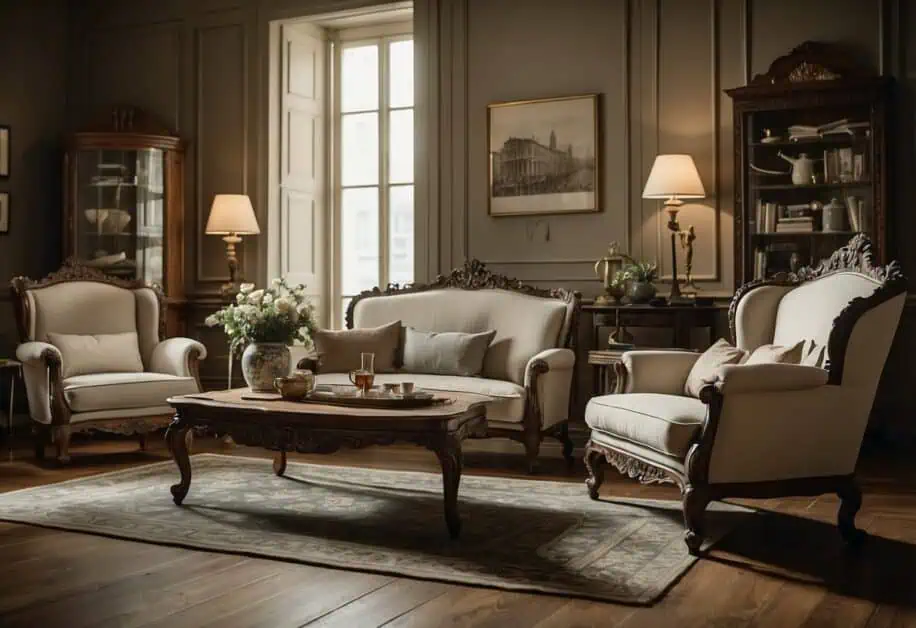
Iconic Furniture: A Look at Timeless Pieces That Define Generations
If you’re looking to add a touch of history and style to your home, iconic furniture pieces are a great way to do it. These designs have stood the test of time, and their unique characteristics and stories make them more than just functional pieces of furniture. Whether you’re a lover of art, architecture, or design, there’s something for everyone in the world of iconic furniture.
Over the years, iconic furniture has evolved as designers experiment with new materials, techniques, and forms. From the sleek lines of mid-century modern to the ornate details of Art Nouveau, each period has its own distinct style. These pieces are more than just furniture; they’re a reflection of the culture and values of their time. By adding an iconic piece to your home, you can bring a piece of history and personality into your space.
In this article, we’ll explore the world of iconic furniture, from its evolution to the most famous pieces and their creators. We’ll also answer some frequently asked questions about these designs and what makes them so special. Whether you’re a seasoned collector or just starting to appreciate the beauty of iconic furniture, this article has something for you.

Evolution of Iconic Furniture
Furniture design has come a long way since the early days of rudimentary chairs and tables. Over the years, designers have experimented with various materials, colours, and shapes to create furniture that is not only functional but also aesthetically pleasing. Here is a brief overview of the evolution of iconic furniture.

Bauhaus and Modernism
In the early 20th century, the Bauhaus movement emerged in Germany, led by Walter Gropius. The movement aimed to combine art and industry to create functional furniture that was accessible to the masses. The Bauhaus style was characterised by clean lines, geometric shapes, and the use of primary colours such as red, blue, and yellow. Ludwig Mies van der Rohe and Marcel Breuer were two of the most prominent designers of the Bauhaus movement. Breuer’s tubular steel Wassily Chair is an iconic piece of furniture that is still popular today.
Mid-Century Modern and Its Masters
In the 1950s and 1960s, the Mid-Century Modern movement emerged in the United States, characterised by clean lines, elegant curves, and the use of natural materials such as wood and leather. Charles and Ray Eames were two of the most influential designers of this era, and their Eames Lounge Chair is an iconic piece of furniture that is still in production today. George Nelson, Herman Miller, and Knoll were other notable designers and manufacturers of Mid-Century Modern furniture.
Contemporary Interpretations
Today, designers continue to draw inspiration from the past while creating new and innovative furniture. Vico Magistretti’s sleek and modern furniture designs are popular with contemporary interior designers. Frank Gehry’s Wiggle Chair, which appears to be levitating, is a prime example of modernist architecture and design. Ergonomics is also a key consideration in contemporary furniture design, with designers creating chairs and tables that are not only stylish but also comfortable and functional.
In conclusion, iconic furniture has evolved over the years, with designers experimenting with new materials, colours, and shapes to create furniture that is both functional and aesthetically pleasing. Whether you prefer the clean lines of Bauhaus or the elegance of Mid-Century Modern, there is an iconic piece of furniture out there for everyone.
Iconic Furniture Pieces and Their Creators
When it comes to iconic furniture, certain pieces have left a lasting impression on the industry and continue to inspire designers today. Here are some of the most notable pieces and their creators that have shaped the industry.
Chairs That Shaped the Industry
The Barcelona Chair, designed by Ludwig Mies van der Rohe and Lilly Reich, is a timeless classic that has been in production since 1929. Its sleek design and use of high-quality materials make it a statement piece in any room.
Another iconic chair is the Lounge Chair, designed by Charles and Ray Eames in 1956. Its comfortable and stylish design has made it a favourite in homes and offices around the world.
Le Corbusier’s Grand Confort sofa, designed in 1928, is a prime example of modernist design. Its simple, geometric lines and use of chrome-plated steel frame make it an iconic piece of furniture.
Innovative Tables and Lighting
The Eros Side Table, designed by Angelo Mangiarotti in 1971, is a perfect example of form and function. Its unique design allows it to be used as both a side table and a stool.
Isamu Noguchi’s Akari Lanterns, designed in the 1950s, are a testament to Japanese craft techniques. Made from washi paper and bamboo, they emit a warm and inviting light that adds a touch of elegance to any room.
Yves Klein’s Table IKB, created in 1961, is a unique piece of furniture that incorporates his signature ultramarine pigment. Its bold colour and simple design make it a statement piece in any setting.
Revolutionary Materials and Forms
George Nakashima’s New Lounge Chairs, designed in the 1940s, showcase the beauty of humble materials. Made from solid oak and finished with a natural oil, they are a testament to his belief in the natural beauty of wood.
Alvar Aalto’s Stool 60, designed in 1933, is a prime example of Finnish birch furniture. Its simple design and environmentally friendly materials make it a timeless classic.
Saridis’ Rio Lounge Chair, designed in 1976, is made from cardboard and is a testament to the power of environmentally friendly materials. Its unique design and use of humble materials make it a statement piece in any room.
Charlotte Perriand’s Klismos Chair, designed in 1927, is a prime example of revolutionary forms. Its sleek, curved lines and use of materials like chrome and leather make it a timeless classic.
In conclusion, these iconic furniture pieces and their creators have left a lasting impression on the industry. Their innovative designs, use of materials, and practicality continue to inspire designers today.
Frequently Asked Questions
Who are some of the most renowned furniture designers from the 20th century?
Some of the most renowned furniture designers from the 20th century include Charles and Ray Eames, Ludwig Mies van der Rohe, Marcel Breuer, and Arne Jacobsen. Their designs are still admired and sought after today, and their influence can be seen in many contemporary furniture pieces.
Can you name a few celebrated furniture brands known for their iconic designs?
There are many celebrated furniture brands known for their iconic designs, including Herman Miller, Knoll, Vitra, Cassina, and Eames. These brands are known for their commitment to quality and innovation, and their designs have become synonymous with modern furniture.
Which furniture designers have significantly influenced the 21st-century style?
Some furniture designers who have significantly influenced 21st-century style include Philippe Starck, Ron Arad, Tom Dixon, and Patricia Urquiola. These designers have pushed the boundaries of traditional furniture design, creating pieces that are both functional and visually striking.
What are some signature pieces by famous wood furniture designers?
Some signature pieces by famous wood furniture designers include the Eames Lounge Chair and Ottoman by Charles and Ray Eames, the Cherner Chair by Norman Cherner, and the Wishbone Chair by Hans Wegner. These pieces are known for their elegant, timeless designs and are still popular today.
How have the works of famous furniture designers shaped modern interiors?
The works of famous furniture designers have had a significant impact on modern interiors. Their designs have introduced new materials, shapes, and colours, and have helped to create a more open and functional living space. Many of their pieces have become iconic, and are now considered essential elements of modern interior design.
Are there any iconic furniture pieces that have remained popular through the years?
Yes, there are many iconic furniture pieces that have remained popular through the years, including the Barcelona Chair by Ludwig Mies van der Rohe, the Egg Chair by Arne Jacobsen, and the Tulip Chair by Eero Saarinen. These pieces are still admired and sought after today, and their timeless designs continue to inspire new generations of furniture designers.