Cardiac Arrest vs Heart Attack: Understanding the Key Differences
Understanding the difference between cardiac arrest and a heart attack can be a lifesaver. Cardiac arrest occurs when the heart suddenly stops beating due to an electrical malfunction, cutting off blood flow to vital organs. This can happen without warning and requires immediate attention.
A heart attack, on the other hand, happens when blood flow to a part of the heart is blocked, usually by a blood clot. This can lead to damage to the heart muscle but does not always cause the heart to stop beating. Recognising the symptoms and knowing how to respond can make all the difference.
Your awareness and quick action can save lives in these critical situations. Knowing whether you are dealing with cardiac arrest or a heart attack will guide you on the best course of action, whether it’s performing CPR or calling 999 for immediate help.

Key Takeaways
- Cardiac arrest is when the heart stops due to an electrical issue.
- A heart attack is caused by a blockage and damages the heart muscle.
- Recognise symptoms and respond quickly to save lives.
Understanding Cardiac Arrest and Heart Attack
In this section, you’ll learn about what cardiac arrest and heart attack are, their causes, and their key differences. Knowing the specifics can help you recognise the symptoms early and get the right help.

Defining Cardiac Arrest
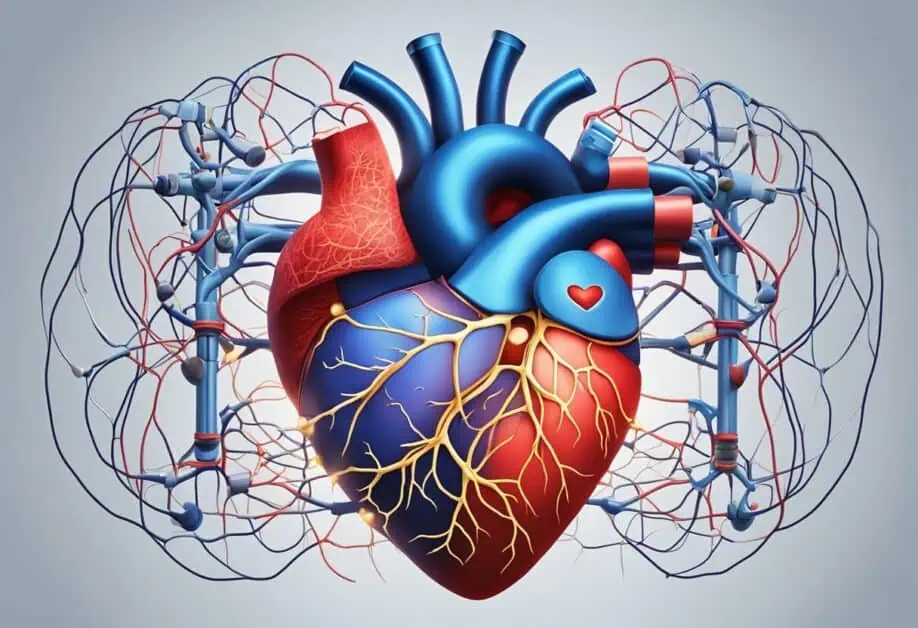
Cardiac arrest happens when your heart suddenly stops beating. This is usually due to an electrical issue in your heart that causes arrhythmias, such as ventricular fibrillation. When the heart stops, blood stops flowing to your organs, including the brain.
Symptoms of cardiac arrest include sudden collapse, no pulse, and loss of consciousness. Within minutes, this can lead to death if not treated immediately. Quick action with cardiopulmonary resuscitation (CPR) and an automated external defibrillator (AED) can restart the heart.
Causes of cardiac arrest include existing heart conditions like cardiomyopathy, arrhythmias, and even severe trauma. Normal rhythm must be restored quickly to prevent severe complications or death.
Defining Heart Attack
A heart attack, also known as myocardial infarction, occurs when blood flow to part of the heart is blocked. This blockage, often due to a clot in one of the coronary arteries, means the heart muscle doesn’t get enough oxygen-rich blood.
Symptoms of a heart attack can include chest pain, shortness of breath, and discomfort in other areas like your arm, neck, or jaw. Recognising these symptoms early and getting medical help is crucial to prevent severe damage to the heart muscle.
Causes include coronary artery disease, where arteries are narrowed by fatty deposits, and sudden clots. This blockage starves the heart muscle of oxygen and can lead to heart failure if untreated.
Key Differences
While both conditions are serious, they are fundamentally different. Cardiac arrest is an electrical malfunction causing the heart to stop beating altogether. Heart attack is a circulation problem caused by blocked arteries affecting blood flow.
In cardiac arrest, symptoms occur suddenly and include no pulse and unconsciousness. In contrast, a heart attack often starts with chest pain and other discomforts but can progress to cardiac arrest if untreated.
Immediate treatment for cardiac arrest involves CPR and defibrillation. For a heart attack, it’s vital to restore blood flow through medical treatments like clot busters or surgery. Knowing these differences can save lives by getting the correct help quickly.
Recognising, Responding and Recovering
Knowing the signs of cardiac arrest and heart attack can save lives. Acting quickly and appropriately in emergencies and following up with the right treatments is key to recovery.
Recognising the Signs
Heart attack symptoms might start with chest pain or discomfort, which can spread to the arm, back, neck, jaw, or stomach. You may also experience shortness of breath, nausea, vomiting, or dizziness. Warning signs in women often include jaw pain and unexplained tiredness.
In comparison, cardiac arrest signs are sudden and severe. The person may lose consciousness, stop breathing, and have no pulse. This condition can occur without any prior symptoms, making immediate recognition crucial.
Emergency Response Steps
If someone is experiencing heart attack symptoms, call emergency medical services (EMS) right away. While waiting for the ambulance, help the person stay calm and seated. Chewable aspirin can be given if they are not allergic.
For cardiac arrest, immediate CPR is vital. Perform hands-only CPR by pushing hard and fast in the centre of the chest until help arrives. If an automated external defibrillator (AED) is available, use it as soon as possible. These steps can maintain blood flow and help restart the heart.
Post-Emergency Recovery and Treatment
After a heart attack or cardiac arrest, recovery involves close monitoring and treatment to prevent further issues. Medications may include blood thinners, beta-blockers, or ACE inhibitors. Surgery, like angioplasty or bypass surgery, could be needed to improve heart function.
Follow-up care often includes echocardiograms and visits to a cardiologist. Rehabilitation programmes provide exercise, education, and support to help you return to daily activities. High blood pressure and other risk factors must be managed to avoid recurring problems.
Frequently Asked Questions
Understanding cardiac arrest and heart attacks is vital, as they require different responses. Knowing the symptoms, causes, and actions can help save lives.
What are the key differences in symptoms between a cardiac arrest and a heart attack?
A heart attack often causes chest pain, shortness of breath, and sweating. In contrast, cardiac arrest results in a sudden collapse, no pulse, and loss of consciousness.
What are the primary reasons for the occurrence of cardiac arrests?
Cardiac arrests usually occur due to an electrical malfunction in the heart, leading to an irregular heartbeat. Other causes include heart disease, severe physical stress, and inherited disorders.
How does the seriousness of a cardiac arrest compare to that of a heart attack?
Both conditions are serious, but cardiac arrest is more immediate and fatal if not treated promptly. A heart attack can lead to cardiac arrest if the heart damage is severe and untreated.
Can immediate actions like CPR save someone experiencing cardiac arrest?
Yes, performing CPR can keep blood flowing and oxygen circulating until emergency services arrive. Using an automated external defibrillator (AED) can also help restart the heart.
What measures can be taken to prevent the onset of cardiac arrest?
Preventing cardiac arrest involves maintaining heart health through regular exercise, a balanced diet, avoiding smoking, and managing stress. Regular check-ups can also help detect heart issues early.
In what ways do the signs of cardiac arrest, heart attack, and stroke differ?
Cardiac arrest signs include sudden collapse and no pulse. A heart attack typically manifests as chest pain and breathlessness. A stroke often involves sudden weakness, confusion, and difficulty speaking.