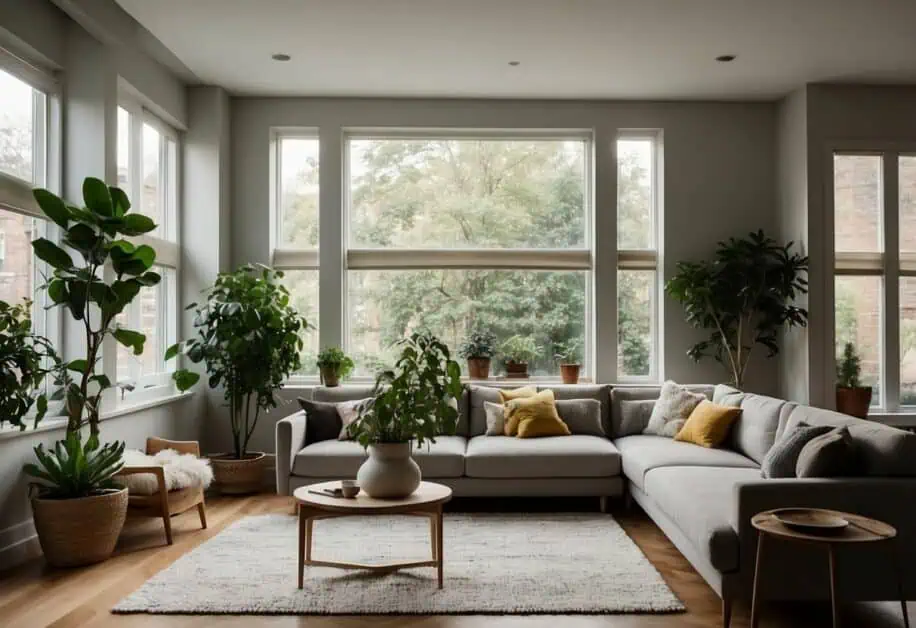
Canape Furniture: Stylish and Comfortable Seating for Any Room
If you’re in the market for a new piece of furniture that’s both elegant and comfortable, a canapé might be just what you need. A canapé is a type of sofa that originated in France in the 18th century. It’s typically made of elaborately carved wood with upholstered backrests, armrests, and a single long seat that can accommodate up to three people.
Canapés come in a variety of designs and styles, so you’re sure to find one that fits your decor. Some canapés have a more traditional look with ornate carvings and plush upholstery, while others have a more modern, minimalist design. You can also choose from a range of colours and fabrics to match your existing decor.
When selecting a canapé for your space, it’s important to consider the size of the room and the other furniture you have. You don’t want your canapé to overwhelm the space or clash with other pieces. You should also think about the level of comfort you want. Some canapés have firmer seats that provide more support, while others have softer cushions that are perfect for lounging.

Exploring Canapé Designs and Styles
Canapé furniture has a rich history that dates back to the 18th century. Over the years, this elegant piece of furniture has evolved to include a wide range of designs and styles, each with its unique originality and simplicity. In this section, we’ll take a closer look at the historical evolution of canapé furniture, modern canapé trends, and the materials and craftsmanship that make these pieces so special.

Historical Evolution of Canapé Furniture
Canapé furniture has its roots in France, where it was popularized by King Louis XV in the 18th century. During this time, canapés were designed to be small, decorative sofas that could seat two to three people. They featured padded backs and seats, open arms, and ornately decorated frames.
In the 19th century, canapé furniture evolved to include chaise longues, which were longer and more comfortable than traditional canapés. These pieces were often made from noble materials such as walnut and mahogany and featured intricate carvings and designs.
Modern Canapé Trends
Today, canapé furniture is still a popular choice for those looking to add elegance and sophistication to their living spaces. Modern canapé designs often feature customised options, such as wooden legs and solid wood frames, as well as a range of upholstery materials, including leather, wool, and cotton.
Thanks to augmented reality technology, it’s now possible to preview canapé furniture in your home before making a purchase. Many designers and furniture stores offer apps that allow you to see how a canapé would look in your space before you commit to buying it.
Canapé Materials and Craftsmanship
Craftsmanship is an essential part of canapé furniture. Skilled craftsmen use their know-how to create pieces that are both beautiful and functional. They use a range of materials, including wood, leather, and fabric, to create unique designs that are built to last.
When choosing a canapé, it’s essential to consider the materials and craftsmanship that have gone into making it. Look for pieces that are made from high-quality materials and have been crafted by skilled artisans. This will ensure that you get a piece of furniture that is not only beautiful but also built to last.
Selecting the Ideal Canapé for Your Space
When it comes to selecting the ideal canapé for your space, there are a few factors that you should consider. In this section, we’ll take a closer look at some of these factors to help you make an informed decision.
Comfort and Construction
One of the most important factors to consider when selecting a canapé is the level of comfort it provides. You want to ensure that your canapé is comfortable enough to sit on for extended periods of time. Look for a canapé with firm construction and quality upholstery to ensure maximum comfort. Foam padding is also a great option for added comfort.
Size and Functionality
Another important factor to consider is the size and functionality of your canapé. Think about the available space in your living area or dining room and choose a canapé that fits comfortably within that space. If you have limited space, a smaller canapé may be a better option. Additionally, consider the functionality of your canapé. Do you want it to be a decorative piece or functional seating? This will help you choose the right design for your needs.
Accessorising with Canapés
Canapés can also be a great way to accessorise your living space or dining area. Consider pairing your canapé with matching dining chairs, side tables, or curtains to create a cohesive decor scheme. You can also add armrests or decorative cushions to your canapé to enhance its comfort and style.
When selecting a canapé, it’s important to consider your personal values and style preferences. If you have a favourite collection or local store that you prefer to shop at, consider checking out their canapé selection. Additionally, French canapés are known for their elegance and sophistication, so if these are values that resonate with you, a French canapé may be a great choice.
In conclusion, selecting the ideal canapé for your space requires careful consideration of factors such as comfort, size, functionality, and personal style. By keeping these factors in mind and exploring your options, you can find the perfect canapé to enhance your living space or dining area.
Frequently Asked Questions
What styles of canapé sofas are currently trending?
There are many styles of canapé sofas that are currently trending, including modern, minimalist, and vintage-inspired designs. Some popular materials for canapé sofas include leather, velvet, and linen. Ultimately, the style of canapé sofa that is best for you will depend on your personal preferences and the overall aesthetic of your living space.
How do you properly pronounce ‘canapé’ when referring to furniture?
The word ‘canapé’ is of French origin and is pronounced as “kan-uh-pay”. It is important to note that the word ‘canapé’ has different meanings in different contexts. When referring to furniture, it typically refers to a small, upholstered sofa or settee.
Where can one find vintage canapé chairs for purchase?
Vintage canapé chairs can be found at antique shops, flea markets, and online marketplaces such as eBay and Etsy. It is important to thoroughly inspect any vintage furniture before purchasing to ensure that it is in good condition and free from any major defects.
What should be considered when selecting a canapé sofa for a small living space?
When selecting a canapé sofa for a small living space, it is important to consider the size and scale of the sofa. Opting for a smaller canapé sofa with a streamlined design can help to maximise space while still providing comfortable seating. Additionally, choosing a canapé sofa with a light-coloured upholstery can help to create the illusion of more space.
What distinguishes a canapé sofa from a regular sofa?
A canapé sofa is typically smaller in size than a regular sofa and is designed to seat two to three people. Additionally, canapé sofas often feature a more ornate design with decorative details such as carved wood frames and intricate upholstery.
How does one care for and maintain canapé furniture to ensure its longevity?
To ensure the longevity of your canapé furniture, it is important to regularly dust and vacuum the upholstery to prevent the buildup of dirt and debris. Additionally, it is important to avoid placing your canapé furniture in direct sunlight or near sources of heat, as this can cause the upholstery to fade or crack over time. Finally, be sure to address any spills or stains promptly to prevent them from setting into the fabric.