Last updated 11 August 2026. This page was reviewed on that date. Prices, rates and opening hours change often in Singapore — confirm anything that matters directly with the business before you travel or spend.
Quick answer: For most Singapore homes, Igloohome and Yale are proven workhorses built for our humidity, while Philips and Samsung pull ahead if you want face recognition and full smart home chatter. Xiaomi delivers serious value for HDB door swaps, and Luxus or Hafele go big if designer gates and fire ratings top your list.
Choosing a digital lock for your parents is less about features and more about the moments you cannot be there to hold the groceries or find the keys. If you are looking for a lock that respects slower hands, remembers to secure itself, and works quietly without daily troubleshooting, this list is for you. Ease and safety come first, because your peace of mind matters just as much.

Not sure this is the right list? Best Home Appliances & Comfort in Singapore has 49 others alongside it.
Philips

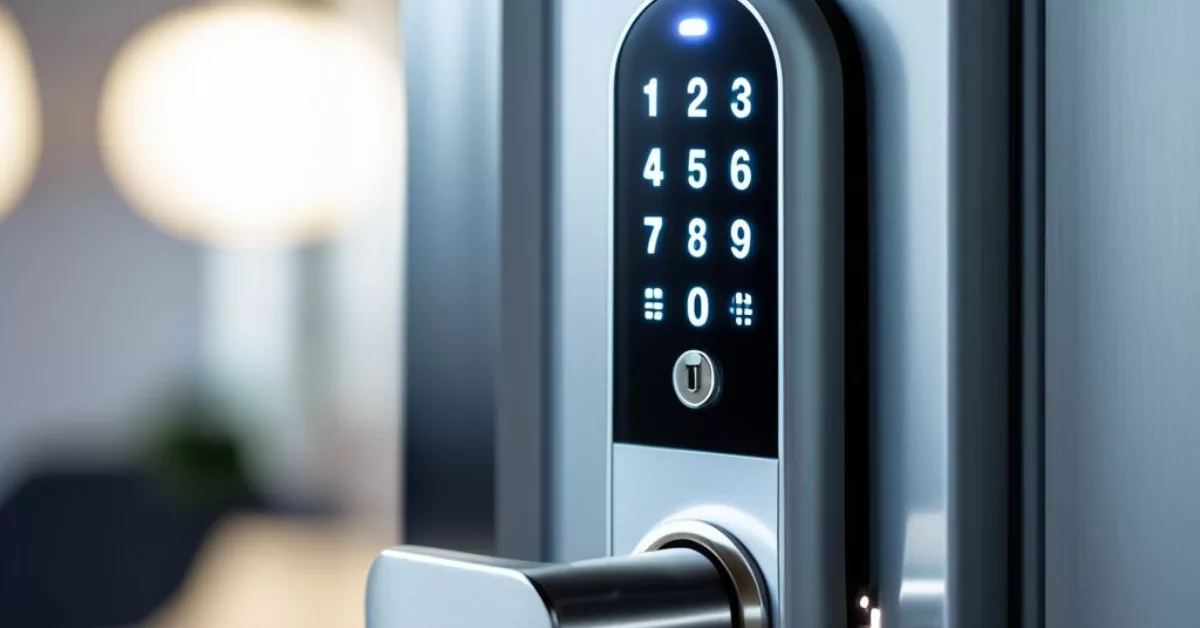
Philips brings Dutch precision to a very Singaporean problem – coming home with arms full of groceries and no free hand to fumble for keys. Their digital lock line-up, anchored by the EasyKey Alpha and DDL702 series, runs dual-camera 3D face recognition that unlocks in about 0.3 seconds. You walk up, the door opens. That’s it.
What makes them worth a look is how tightly they play with your existing smart kit. Remote app control lets you issue temporary PINs for visitors or the part-time helper, and voice commands through Google Home mean you can lock up while already on the sofa. Everything is IMDA-approved for local compliance, which saves you one more thing to worry about.
They also pack fingerprint and PIN authentication, but the real star is the intelligent power management – fewer battery swaps, less panic when the red light blinks. The showroom in Toa Payoh lets you test how quietly the mechanism slides before you commit.
- 📍 622 Lorong 1 Toa Payoh, Philips APAC Center, Singapore 319763
- 📞 +65 6882 3999 | ✉️ [email protected]
- 🕘 Monday to Friday, 9am–5pm
- 🔗 Philips
Suits busy professionals who want a true hands-free entry and already live inside a smart home ecosystem. If you are the sort who talks to Google anyway, this feels natural.
We choose these ourselves. If your place deserves a look for the next update, let us know.
If your parents often come home with hands full of wet-market bags, the instant face recognition here changes everything. There is no phone to pull out, no button to press – just a quiet click and they are indoors. This is the lock for families where the daily return home should feel effortless and dignified, not like a scramble for a keycard.
Samsung

Samsung’s digital locks do not just look sleek; they treat security like a feature checklist you actually want to read. The SHP-DR708 and Zigbang series serve up five ways to unlock – fingerprint, PIN, smartphone app, one-time password, and even a smart bell camera that alerts your phone when someone lingers outside your gate.
Suspicious movement detection is baked in, which is reassuring if your landed property entrance feels a little exposed. Wi-Fi connectivity means you can unlock the door remotely for family members without having to memorise yet another code. The locks are SCDF-compliant too, so they meet Singapore’s fire safety standards without extra adaptors.
You can find Samsung locks at multiple authorised dealers islandwide. Their Changi Airport branch is a surprisingly handy stop if you are picking someone up and want a hands-on demo before heading home.
- 📍 Changi Airport Terminal 2, #02-168 Departure / Transit Lounge Central, Singapore 819643 (more branches available)
- 📞 6970 3375 | ✉️ [email protected]
- 🕘 Check with store for hours
- 🔗 Samsung
Homeowners who want a deep feature set and the reassurance of a big brand that already lives inside their TV and phone will feel right at home. The multiple authentication methods also make it easy to share access without giving away a master key.
Speaking of securing what matters, the best Cyber Security Companies in Singapore can lock down your digital life the same way these locks guard your front door.
A smart bell camera becomes a quiet companion, keeping a gentle eye on who lingers at the gate for the family that wants exactly that. If your elderly parents live in a landed home and you worry about unexpected visitors, the motion alerts let you check in from your phone without making them feel watched. Security here feels watchful, not intrusive.
Xiaomi

Xiaomi’s Automatic Smart Door Lock series is the one to beat if you want something that feels atas without the atas price. It pulls off a 98.94% fingerprint recognition rate – which in real life means practically no second tries – and throws in Apple HomeKit integration for the iPhone crowd.
The automatic retraction feature means the deadbolt pulls back on its own once you are verified. No handle to twist, just push the door open. Scrambled PIN codes let you tap in a longer string to disguise your actual code from prying eyes, a small touch that feels tailored to how tightly we live in urban Singapore.
You control everything via the Xiaomi Home app, and it runs quietly enough that you won’t annoy the neighbours on late nights. Their service centre on Lavender Street is the place for hands-on help and post-purchase support.
- 📍 229 Lavender Street, Singapore 338778 (service centre; more service centres and store branches available)
- 📞 +65 8581 4530 | ✉️ [email protected]
- 🕘 Check with service centre for hours
- 🔗 Xiaomi
If you are a renter or an HDB flat owner who wants modern smarts without stretching the reno budget, this one is hard to fault. The HomeKit compatibility also means you are not locked into a single brand’s app forever.
Arthritic fingers or a weak grip should never stand between your parents and their front door. The automatic deadbolt retraction means once their fingerprint is recognised, they simply push the door open – no twisting, no strength needed. If your family is already on Apple HomeKit, integrating this lock into the daily routine is quietly seamless.
Luxus

Luxus treats your gate and main door as a single synchronised system, which is exactly the kind of thinking that landed property owners appreciate. The Atlas Door Lock and DG5 Gate Lock pair up via encrypted SafeCard, two-step verification, and a companion app that lets you unlock remotely for the family even when you are stuck in a meeting.
The builds lean on anti-rust materials and a one-piece lever handle that holds up against our humidity. That detail matters if your gate faces afternoon sun or monsoon rains every other day. They also play nicely with smart assistants, so you can lock up with a voice command while you are half-asleep.
Their Tagore Lane showroom runs by appointment, which means the consultation feels more like a personal fitting than a retail visit. You can touch the finishes, hear how quietly the bolt moves, and discuss custom configurations.
- 📍 50 Tagore Lane, #05-02C Entrepreneur Centre, Singapore 787494
- 📞 +65 6266 6118 | ✉️ [email protected]
- 🕘 Monday to Saturday, 10am–7pm
- 🔗 Luxus
Suits house-proud owners who see the front entrance as part of the overall design, not just a security checkpoint. If you already budget for custom carpentry, this brand speaks your language.
After dealing with door hardware, you might fancy a little self-care. Unwind with the Unveil Finest Hair Treatments in Singapore and give themselves a treat.
This suits the son or daughter who travels often but needs to let Mum or Dad into the house without a fuss. The gate and door open in one synchronised motion, and you can unlock remotely from a meeting. If your parents prefer not to carry an extra card, the encrypted system means they never have to overthink a two-step verification.
Igloohome

Homegrown brand Igloohome builds locks that feel like they were designed with a kopitiam uncle’s advice in the background – keep it simple, keep it secure, and don’t make me reset the Wi-Fi. Their mortise locks and HDB-specific models work offline by design, using algoPIN technology and Bluetooth keys that generate time-sensitive passwords without an internet connection. That cuts out the most common attack vector entirely.
For those with short-term rental properties, the Airbnb compatibility is genuinely useful – guests get a PIN that expires when they check out. No app required on their side. Local accolades like the Singapore Design Awards sit behind the engineering, and the support team at Ayer Rajah Crescent knows the local installation quirks inside out.
- 📍 67 Ayer Rajah Crescent, #06-02/03, Singapore 139950
- 📞 +65 6356 6429 | ✉️ [email protected]
- 🕘 Weekdays, 9am–6pm
- 🔗 Igloohome
Anyone who values privacy above all else, or lives in an area where internet hiccups are a real thing, will sleep better with this. Also a solid pick for landlords and Airbnb hosts who need temporary access management without a subscription fee.
Some parents are not keen on Wi-Fi passwords and app updates, and that is exactly where this homegrown lock shines. It works offline, so there are no māfan resets to troubleshoot over the phone. If you need to issue a time-sensitive PIN for a part-time helper while you are at work, you can do it without ever connecting the lock to the internet.
Yale

Yale has been making locks for longer than most of us have been alive, and that experience shows in the way their digital models just keep working. The LiftMaster Smart Lock is a good entry point: DIY installation, Alexa voice control, and an auto-lock that clicks into place a few seconds after you close the door – paiseh-proof for those who always wonder if they remembered to lock up.
The anti-peep codes let you type a bunch of extra digits around your actual PIN so someone watching over your shoulder cannot tell which ones matter. It is the kind of practical thinking that comes from decades of understanding how people really use keys. Red Dot Design Award recognition backs up the build quality, and their distributor near Eunos Technolink handles local servicing without fuss.
- 📍 9 Kaki Bukit Road 1, #02-08 Eunos Technolink, Singapore 415938
- 📞 +65 6260 0118 | ✉️ [email protected]
- 🕘 Monday to Friday, 9am–5pm
- 🔗 Yale
Best for anyone who just wants a lock that feels solid, installs easily, and doesn’t need a computer science degree to operate. Also a safe bet for older HDB doors that might fuss about fancier models.
If you have ever called home just to check whether the door is locked, the auto-lock on this model will save both of you the small, recurring anxiety. It secures itself a few seconds after the door closes – paiseh-proof even on days when your parents’ memory is not at its sharpest. The anti-peep codes also keep curious neighbours from guessing the PIN.
Hafele

Hafele comes at digital locks the way you’d expect from a German hardware specialist: fire rating first, then design. Their PP8100 Push-Pull Lock carries a proper 60-minute fire resistance that is SCDF-compliant, so it’s the sort of thing you spec when your building management asks pointed questions during renovation.
Biometric access, app control, and a push-pull mechanism that sits flush with the door give it a clean, minimal look. The operation is noticeably quiet – no loud motor whirring – and you can tweak settings to match how your household moves. Their Murray Street showroom runs demonstrations so you can see how the system behaves with different door thicknesses.
- 📍 28D Murray Street, Singapore 079532
- 📞 +65 6415 1122 | ✉️ [email protected]
- 🕘 Weekdays, 9am–6pm
- 🔗 Hafele
For condos and private apartments where fire-rated doors are a must, this is the one to put on the shortlist. It’s also a natural fit if you are already specifying Hafele hardware throughout the house and want everything to match.
EAZEA Smart Lock Pte. Ltd.

Registered entity: EAZEA Smart Lock Pte. Ltd., incorporated 2020.
If you’re the type who wants to compare Samsung and Philips side by side without taking an extra MRT trip, this is your spot. The staff don’t rush you—they’ll let you fiddle with the fingerprint scanner while you mentally measure your BTO door. Locals know to come on weekday afternoons when it’s quieter, so you can really get a feel for which lock suits your kiasu need for both security and style.
EAZEA is a multi-brand digital lock retailer. The company describes itself as a Premium Partner for Samsung and Philips digital locks and an exclusive distributor for Midea’s smart lock in Singapore.
Products or Services
EAZEA sells door, gate, and glass locks from Eazea, Philips, Samsung, and Midea, including push-pull, lever mortise, deadbolt, and rim locks — standout models include the Eazea Touch Push Pull 2.0, Philips EasyKey 9200 Wi-Fi, Samsung SHP-DP609 Gold, and Midea BF211 Gold. Services include professional installation, 24/7 customer support, and a two-year warranty; the company states it absorbs GST and credit card fees.
Contact Information & Location
EAZEA operates four branches:
- Main: 81 Ubi Avenue 4, #01-17, UB.One, Singapore 408830 — daily, 11 AM–8 PM (this is also the company’s ACRA-registered office)
- North: Causeway Point, #03-20, Singapore 738099 — daily, 11 AM–9 PM
- East: Tampines 1, #03-05, Singapore 529536 — daily, 11 AM–9 PM
- West: Jurong Point, JP1 #03-39, Singapore 648886 — daily, 11 AM–9 PM
No specific phone number is listed; enquiries go through the website.
Website Link
Weighing Samsung against its key competitor becomes a side-by-side breeze at this showroom. The team knows HDB door setups inside out, so advice on fit and installation comes fast. It’s a practical stop for anyone chasing premium peace of mind without unnecessary detours.
MY Digital Lock Pte. Ltd.

Registered entity: MY Digital Lock Pte. Ltd., incorporated 2014.
With so many outlets in shopping malls, this is the ‘tapau and browse’ choice—grab your kopi, then swing by to test a lock. They carry everything from atas Swarovski-studded models to practical Lenovo ones, so it’s good for couples who can’t agree on a budget. The real local hack? Chat with the staff about your gate type early on; they’ve seen every HDB quirk and can save you a headache later.
MY Digital Lock sells digital locks, HDB gates, safes, and mattresses across 19 outlets islandwide, primarily in shopping malls.
Products or Services
Digital lock models include the Lusano Slimmest, Moorgen Swarovski, Lenovo Smartlock, and Epic 8G, plus over 800 HDB gate designs, Aifeibao safes, and mattresses. Services include free installation, delivery within 24 hours, a 1+2-year digital lock warranty, a 10-year mattress spring warranty, and smart app control.
Contact Information & Location
MY Digital Lock operates 19 outlets across Singapore, primarily in major shopping malls; one confirmed location is at 7 Pasir Ris Central, Singapore 519612 (Pasir Ris Mall). Specific addresses for all outlets are not centrally listed — visit their website’s outlet finder or a showroom directly. The company’s ACRA-registered office is 2 Yishun Industrial Street 1, #05-10, North Point Bizhub, Singapore 768159.
Website Link
With so many mall locations, it’s the easiest choice when you’re already out lepak-ing at the mall. The extensive gate catalogue means you can match your new digital lock to a fresh gate design in one visit. Ideal for busy families who want the full package sorted quickly and neatly.
AN Digital Lock Pte. Ltd.

Registered entity: AN Digital Lock Pte. Ltd., incorporated 2017.
Four experience centres means you’re never far from one, but the vibe is less ‘quick errand’ and more ‘let’s really decide’. They stock brands like Aqara and Igloohome that appeal if you’re already building a smart-home setup. Go with your gate measurements in your phone—the team is particular about fit, which is shiok when you want someone to care as much as you do about your new flat.
AN Digital Lock is a multi-brand digital lock retailer operating four experience centres.
Products or Services
Digital locks from Philips, Zigbang, SOLITY, Hafele, Igloohome, Aqara, Samsung, and Kaadas, plus metal gates, laminate fire-rated main doors, and video doorbells — standout models include the Philips EasyKey 9300 and the Marvel MV-3000BK (Iron Man edition). Services include free consultations, professional installation (60–180 minutes), and up to three years of warranty coverage.
Recognition
AN Digital Lock has been covered by Mothership, which featured a customer’s visit to the Paya Lebar showroom while exploring keyless-entry options, and by HardwareZone, which covered the brand’s Marvel-themed digital lock range (Mothership, HardwareZone).
Contact Information & Location
Also sold via LazMall, Shopee, and TikTok Shop, with WhatsApp support for consultations. Experience centres:
- Paya Lebar: 140 Paya Lebar Road, #01-02, AZ@Paya Lebar, Singapore 409015 (also the company’s ACRA-registered office)
- Sembawang: 2 Gambas Crescent, #01-07, Nordcom 2, Singapore 757044
- Jurong: 18 Boon Lay Way, #01-98C, Tradehub 21, Singapore 609966
- Balestier (under construction at time of writing): 456 Balestier Road, #02-08, Singapore 329832
Website Link
A treat for design-minded homeowners. The experience centres feel more like a boutique than a hardware stop. Try the Marvel Iron Man edition lock or explore how a video doorbell integrates with your setup. Smart for those who want personality and function under one roof.
LUXUS Digital Pte. Ltd.

Registered entity: LUXUS Digital Pte. Ltd., incorporated 2023.
Newer on the scene and keen to impress, LUXUS feels like a place for the homeowner who wants a bundled deal without running all over town. Their smart-home packages are handy if you’re the sort who’d rather settle everything—lock, doorbell, maybe a camera—in one zi char-style order. Visit when you’re in a decision-making mood; they’ll walk you through the facial recognition tech without making you feel blur.
LUXUS Digital sells digital locks and smart-home bundles through three showrooms. The company’s own site states it is an SME 500 award recipient.
Products or Services
Door locks, gate locks, facial-recognition locks, and smart-home packages, including a Luxus x Klasse laundry-rack bundle. The installation process covers booking, site assessment, system setup, and final testing.
Contact Information & Location
No phone number is listed publicly; enquiries go through a “Call Now” option on the website. Showrooms:
- LUXUS MEGA @ Woodlands: 39 Woodlands Close, #05-66A, Singapore 737856 — Mon–Fri 10 AM–6 PM, Sat–Sun 1 PM–6 PM (by appointment); the company’s ACRA-registered office is a separate unit in the same building (#02-31)
- LUXUS @ T-Space Tampines: 1 Tampines North Dr 1, #01-27A, Singapore 528559 — daily, 11 AM–7 PM (walk-ins allowed)
- LUXUS @ Vertex Ubi: 33 Ubi Ave 3, #01-25, Singapore 408868 — daily, 11 AM–7 PM (walk-ins allowed); appointments also bookable via Sprintful
Website Link
When you’re thinking beyond a single lock and into whole-home convenience, this is the place. Their smart bundles help you plan ahead—imagine a facial-recognition lock that also fits your laundry-rack automation. A forward-looking stop for homeowners who prefer integrated solutions.
Smart Digital Lock at Reddot Pte. Ltd.

Incorporated: 2020.
This one’s for the HDB heartlander who’s laser-focused on gates and main doors, not endless extras. They specialise, so you won’t get lost in a sea of safes and mattresses—just solid brands like Philips and Bosch. The showroom setup is straightforward, and the unspoken rule here is to bring a photo of your current gate lock; they’ll tell you straight away if it’s a simple swap or needs extra work.
Smart Digital Lock at Reddot describes itself as an authorised dealer specialising in digital locks for HDB main gates and doors.
Products or Services
Digital door locks from Philips, Hafele, Kaadas, Bosch, Igloohome, Lockin, Solity, Loghome, Tenon, and Samsung, spanning password, fingerprint, card-based, Bluetooth, and keypad models — including the Lockin Push-Pull Smart Lock S30 Pro and Hafele PP9000. Specialises in HDB main-gate locks with a two-year warranty and 24/7 local technical support.
Contact Information & Location
Showroom at 26 Boon Lay Way, Trade Hub 21, #01-80, Singapore 609966 (behind Kimly Coffeeshop), open daily 11 AM–7 PM. Contact via WhatsApp at +65 8388 3051 or +65 9791 3790. The company’s ACRA-registered office is a separate address at 53 Telok Blangah Drive, #06-78, Blangah View, Singapore 100053.
Website Link
Focus on HDB main gate compatibility makes this a reassuring pick for heartland homes. The staff are well-versed in common installation quirks, so you’ll walk out knowing exactly what fits your gate—swee. A solid, no-fuss stop for anyone who wants a digital lock that simply works with their existing setup.
Disclaimer
Information on this page is current as of July 2026 and compiled from publicly available sources, including company registration filings and official business websites. While every effort has been made to ensure accuracy, showroom locations, product lineups, and pricing may change. If you notice an error, please let us know so we can correct it.
Before you head down, a quick call can be a smart move. Showroom displays often refresh, so confirming what’s on view ensures your trip is well spent. It is a simple habit that many locals adopt, just to make the most of their visit. This page offers a helpful starting point, steering you in the right direction.
How to choose
Start with your door, not the lock. Some digital locks need a specific door thickness or gate alignment; the last thing you want is to unbox a shiny gadget and find it cannot sit flush. HDB iron gates, timber doors, and condo fire-rated doors each have their own installation quirks, so check compatibility before you fall in love with a model.
Authentication style matters more than brand name. If you often come home with wet hands, fingerprint sensors can test your patience. Face recognition solves that, but it costs more. PINs and Bluetooth keys skip the internet altogether, which is a plus if you worry about hacks or have patchy Wi‑Fi near the entrance.
Smart integration is only worth it if you already use that ecosystem. A lock that talks to Google Home is wasted if your whole house runs on Apple HomeKit. Match the assistant, not the spec sheet. Also, check the fire rating if your management requires it – Hafele’s 60‑minute rating and Samsung’s SCDF compliance are the kind of documentation you want on file before the reno inspection.
Price ranges vary widely. Entry-level models from Xiaomi and Igloohome often sit in the mid-hundreds, while a fully loaded Philips face-recognition set or a synchronised Luxus gate‑and‑door package can run above a thousand. Installation is usually an add‑on; budget a couple of hundred more unless you are certain it’s included.
If you are managing household spending alongside this upgrade, Cash Management Funds in Singapore can help your renovation fund earn a little while you decide.
| Brand | Standout Models | Authentication | Smart Integration | Fire Rating |
| Philips | EasyKey Alpha, DDL702 | Face, fingerprint, PIN, app | Google Home, Wi‑Fi | Check with business |
| Samsung | SHP-DR708, Zigbang | Fingerprint, PIN, app, OTP, smart bell | Wi‑Fi, SmartThings | SCDF compliant |
| Xiaomi | Automatic Smart Door Lock series | Fingerprint, PIN, app | Apple HomeKit, Xiaomi Home | Check with business |
| Luxus | Atlas, DG5 | SafeCard, PIN, app, two‑step | Smart assistant compatible | Check with business |
| Igloohome | Mortise locks, HDB models | PIN, Bluetooth key, algoPIN | Offline operation, Airbnb | Check with business |
| Yale | LiftMaster Smart Lock | PIN, app, auto-lock | Alexa voice control | Check with business |
| Hafele | PP8100 Push‑Pull Lock | Biometric, PIN, app | App control | 60‑minute fire resistance |
Summary
The right digital lock boils down to how your household moves in and out each day. If you want set‑and‑forget reliability, Igloohome and Yale have that offline toughness. If your home already runs on a smart assistant, Philips and Samsung slide in smoothly, while Xiaomi surprises with how much you get for the money. For fire‑rated doors, Hafele settles the paperwork and the peace of mind in one go.
We choose these ourselves. If your place deserves a look for the next update, let us know.
Disclaimer: All details were accurate at the time of writing. Do confirm directly with the business before you commit – things like prices, operating hours, and model availability can change without notice.
Read next
Frequently asked questions
When the building management asks pointed questions about fire safety during a renovation, you will be glad you chose a lock with a proper 60-minute fire rating. This is for the filial child who wants to honour parents by fitting their flat with something that looks clean, feels solid, and meets SCDF requirements without any follow-up calls.
Do digital locks work with HDB fire-rated doors?
Yes, but you must check that the specific model is compatible with your door’s thickness and fire rating. Brands like Hafele and Samsung explicitly mention SCDF compliance or 60‑minute fire resistance, while others may require an additional adaptor. Always confirm with the installer.
Which digital lock is best for rental properties or Airbnb?
Igloohome is purpose‑built for that. Its algoPIN technology generates time‑sensitive access codes that work offline, so guests don’t need to download an app and you don’t expose your home’s network. Samsung and Philips also let you create temporary codes via their apps.
Can I install a digital lock myself?
Some models like Yale’s LiftMaster Smart Lock are designed for DIY installation on standard doors. However, many Singapore homes have metal gates or non‑standard fittings, so professional installation is the safer route. Prepare to budget a couple of hundred dollars on top of the lock’s price.
Do digital locks still work during a power outage?
They run on batteries, not mains power, so a blackout does not lock you out. Most locks give low‑battery warnings weeks in advance. Some models also have a physical key override or an emergency power port you can touch with a 9V battery.
Are face recognition locks safe in bright corridor lights or at night?
The dual‑camera 3D imaging used by Philips works across different lighting conditions, including darkness. It maps depth and facial geometry, so a photo or video won’t fool it. Test the unit in your actual corridor before fully relying on it.
What if I forget my PIN or the fingerprint sensor fails?
Most digital locks let you use a backup method – a physical key, a mobile app unlock, or a secondary PIN. Keep the backup key in a safe place outside the home, and register more than one fingerprint to reduce the chance of sensor wear causing a problem.