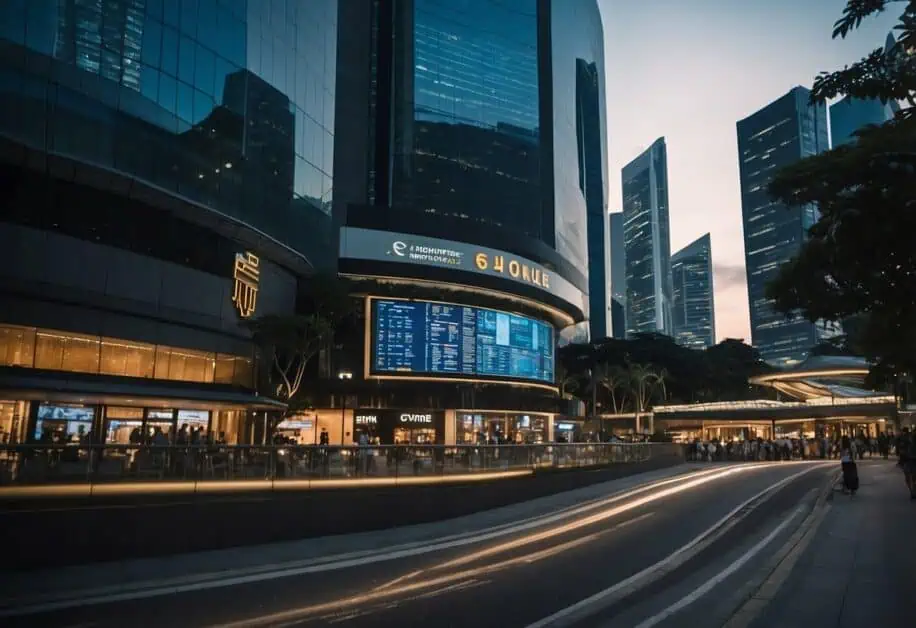
Roadside Furniture: Enhancing the Aesthetics of Highways
If you’ve ever driven on a road, you’ve likely encountered roadside furniture. Roadside furniture refers to the objects and equipment installed along roads and streets for various purposes. This can include anything from benches and trash cans to traffic barriers and street lamps.
Roadside furniture serves several functions, including providing information to drivers and pedestrians, directing road user behaviour, and improving road safety. For example, road signs and markings are essential pieces of roadside furniture that help drivers navigate roads safely. Additionally, street lamps and traffic lights improve visibility and reduce the risk of accidents at night.
Understanding roadside furniture and its role in road safety is crucial for all road users. In this article, we’ll take a closer look at roadside furniture, its various types, and its importance in maintaining safe and functional roads. We’ll also answer some frequently asked questions about roadside furniture and road safety regulations.

Key Takeaways
- Roadside furniture refers to objects and equipment installed along roads and streets for various purposes, including providing information and improving road safety.
- Road signs, markings, street lamps, and traffic lights are examples of essential roadside furniture that help drivers navigate roads safely.
- Understanding roadside furniture and its role in road safety is crucial for all road users.
Understanding Roadside Furniture
When you’re travelling on a road, you may notice various objects on the side of the road. These objects are known as roadside furniture, and they serve a variety of purposes. In this section, we will explore the components and materials of roadside furniture, as well as the types and functions it serves.

Components and Materials
Roadside furniture is made up of a variety of components and materials. Some common components include bollards, posts, guardrails, signs, barriers, and crash cushions. These components are often made from materials such as concrete, steel, wood, and other durable materials.
Types and Functions
There are many different types of roadside furniture, each serving a unique function. Some common types of roadside furniture include guideposts, safety barriers, and hazards. Guideposts are used to provide direction to drivers, while safety barriers are used to prevent vehicles from leaving the road. Hazards are objects that can be dangerous to drivers, such as utility poles.
Roadside furniture also includes street furniture, which is designed to provide amenities for pedestrians and cyclists. Street furniture includes things like benches, bike racks, and trash cans.
The cost of roadside furniture can vary depending on the materials used, the complexity of the design, and the location. Electrical components, such as streetlights and traffic signals, can also be considered roadside furniture.
Overall, roadside furniture plays an important role in ensuring the safety and comfort of drivers, pedestrians, and cyclists. By understanding the components and materials of roadside furniture, as well as its various types and functions, you can better appreciate the role it plays in our daily lives.
Roadside Safety and Regulations
Safety Features and Considerations
When it comes to roadside safety, there are several features and considerations that you should keep in mind. These include roadway design, coloured reflectors, road furniture, traffic signs, direction signs, delineators, guardrails, and crash cushions.
Roadway design plays a crucial role in ensuring the safety of drivers and pedestrians. By incorporating features such as safe passing and turning distances, heavy vehicle barricades, and guardrails, you can help reduce the risk of accidents and injuries.
Coloured reflectors are another important safety feature that can help improve visibility on the road. These are typically placed on guardrails, delineators, and other roadside objects to make them more visible to drivers.
Road furniture, such as nonessential road elements, can also play a role in roadside safety. However, it’s important to ensure that these objects are placed in a way that doesn’t obstruct drivers’ views or pose a hazard.
Regulatory and Informational Signage
Regulatory and informational signage is another important aspect of roadside safety and regulations. These signs are used to control traffic and provide drivers with important information about changes in direction, speed limits, and other road elements.
Regulatory signs, such as stop signs and speed limit signs, are used to control the flow of traffic and ensure that drivers follow the rules of the road. Informational signs, such as direction signs and tourist information signs, provide drivers with important information about their surroundings.
It’s important to ensure that all signage is clear, visible, and easy to understand. This can help prevent confusion and reduce the risk of accidents on the road.
In addition to regulatory and informational signage, there are also warning signs and changes in direction signs that can help improve roadside safety. Warning signs, such as those for sharp turns or steep hills, can alert drivers to potential hazards on the road. Changes in direction signs, such as those for roundabouts or U-turns, can help drivers navigate unfamiliar roads safely.
Overall, by incorporating these safety features and regulations into roadside design, you can help improve the safety of drivers and pedestrians on the road.
Frequently Asked Questions
What types of street furniture are commonly used in urban areas?
There are many types of street furniture that are commonly used in urban areas. Some of the most common types include benches, bus shelters, litter bins, bike racks, and traffic bollards. These pieces of furniture are designed to provide comfort, convenience, and safety to pedestrians and road users.
How does street furniture contribute to road safety?
Street furniture plays a vital role in road safety. For example, bollards and barriers help to prevent vehicles from entering pedestrian areas, while traffic cones and signs help to direct traffic and warn drivers of potential hazards. Additionally, street furniture such as benches and bus shelters provide a safe and comfortable place for pedestrians to wait for public transport.
Can you list some examples of street furniture that enhance public spaces?
There are many examples of street furniture that enhance public spaces. Some of the most popular include public art installations, decorative planters, and outdoor seating areas. These pieces of furniture can help to create a more welcoming and attractive environment for local residents and visitors alike.
What are the considerations for designing effective street furniture?
When designing effective street furniture, there are several important considerations to keep in mind. These include the needs of the local community, the surrounding environment, and the intended purpose of the furniture. Additionally, designers must consider factors such as durability, safety, and accessibility to ensure that the furniture is both functional and practical.
What materials are typically used in the construction of road furniture?
Road furniture can be made from a variety of materials, depending on the intended use and location. Common materials include metal, wood, concrete, and plastic. Each material has its own advantages and disadvantages, and designers must carefully consider which material is best suited for their specific project.
How does the placement of street furniture affect pedestrian flow?
The placement of street furniture can have a significant impact on pedestrian flow. For example, if a bench is placed in a narrow pedestrian walkway, it may cause congestion and impede the flow of foot traffic. On the other hand, if a bench is placed in a wider area, it may encourage people to stop and rest, which can help to create a more relaxed and enjoyable environment. Designers must carefully consider the placement of street furniture to ensure that it enhances pedestrian flow and does not create unnecessary obstacles or hazards.