Last updated 7 August 2026. This page was reviewed on that date. Prices, rates and opening hours change often in Singapore — confirm anything that matters directly with the business before you travel or spend.
Quick answer: The best Malay food in Singapore right now spans fine-dining rooms and decades-old nasi padang institutions. Restaurant Fiz in Tanjong Pagar holds a Michelin Green Star for its sustainable, seasonal menus. Hjh Maimunah and Rumah Makan Minang are the go-to names for generous, time-tested spreads. For something more offbeat, try the blue pea rice at Kerabu by Arang or the communal Javanese platters at Pu3 Restaurant, while Dickson Nasi Lemak brings KL-style comfort to Icon Village.
For those who remember how their grandparents cooked, finding that depth in a bowl of rendang or a plate of nasi kerabu can feel like uncovering a small piece of home. These kitchens hold on – some since the 1950s – to the techniques and spice pastes that give Malay food its quiet, steady soul. This list gathers the spots where the roots run deep, in Singapore.

For the full picture, Best Malay, Peranakan & Local Food in Singapore collects 30 guides on this subject.
Restaurant Fiz

Chef Hafizzul Hashim opened Restaurant Fiz in 2023 on Tanjong Pagar Road, drawing from his family’s recipes and a deep commitment to sustainable sourcing. The Michelin Green Star it earned in 2024 tells you this isn’t just talk – they mean it. The menu changes with the seasons and reworks dishes you thought you knew. A signature that keeps people coming back is the bahulu, a delicate, buttery sponge that lands somewhere between nostalgia and a fresh discovery. Lunch is Wednesday to Saturday, 12pm to 3pm; dinner Tuesday to Saturday, 6pm to 10pm.
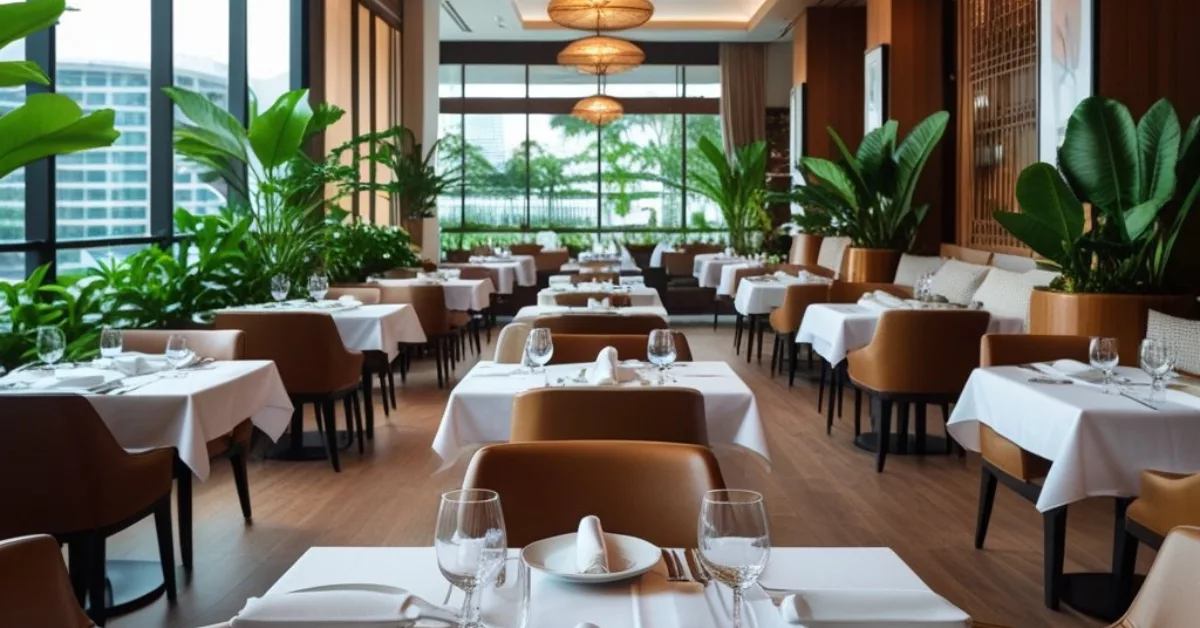
This is the spot when you want a quiet, polished meal that still feels deeply personal. It suits couples marking an anniversary, or anyone who enjoys watching a young chef push Malay food forward without losing the warmth of home cooking.
Step in for a quiet weekday lunch when the light through the shophouse windows softens the experience. The menu’s respect for old recipes is matched by a gentle, considered approach that suits a diner looking for heritage without heaviness.
Address: #01-01/02, 21 Tanjong Pagar Road, Singapore 088444
Hours: Wed–Sat lunch 12pm–3pm; Tue–Sat dinner 6pm–10pm
Price: Fine-dining
Restaurant Fiz website
Hjh Maimunah

Since 1992, Hjh Maimunah has been the name people drop when the conversation turns to nasi padang done right. They spread over 40 dishes across the counter every day, all cooked fresh from ingredients sourced with a lot of care. The ayam bakar hits that sweet spot of char and juiciness, the beef rendang is tender and slow-cooked, and the sambal goreng pengantin brings a mix of textures that works brilliantly with plain rice. You will also see pots of lemak siput sedut and lemak pucuk ubi – rich, coconut-heavy sides that round out your plate. The main outlet on Jalan Pisang runs Monday to Saturday, 7:30am to 7:30pm, and there is another on Joo Chiat Road open Tuesday to Sunday, 8am to 8pm.
Bring the whole family when you want a meal that feels like a celebration, even if it is just an ordinary weekend lunch. This is also the place you call when relatives are visiting from overseas and you need a spread that tells them what Singapore Malay cooking is about.
Nothing on this page is a paid placement. If you know a place that should be here, let us know before the next update.
Queue up early on a weekend morning, when the trays are freshly filled and the aroma of ayam bakar draws a steady crowd. It’s the kind of place where aunties and office workers stand shoulder to shoulder, all eyeing the same sambal goreng. This is family-style cooking that never left the neighbourhood.
Address: 11 Jalan Pisang, Singapore 199078 (and 20 Joo Chiat Road, Singapore 427357)
Hours: Jalan Pisang Mon–Sat 7:30am–7:30pm; Joo Chiat Tue–Sun 8am–8pm
Price: Moderate
Hjh Maimunah website
Kerabu by Arang

Set inside Yishun Park Hawker Centre, Kerabu by Arang does the kind of food that makes you forget you are sitting in a hawker centre. The nasi kerabu with lamb ribs percik is the dish to order: blue pea-flower rice fragrant with herbs, topped with grilled lamb ribs in a creamy coconut sauce. It costs more than your average hawker meal, but the execution is tight and the flavours feel purposeful. Hours are Tuesday to Friday 11am to 2:30pm and 6pm to 8pm, weekends from 10am until sold out – and it does sell out.
This is for the friend who drags you to Yishun and says, “Die die must try.” It suits adventurous eaters who appreciate a modern hand with traditional recipes, and anyone who values creativity over formality.
If you enjoy chasing that blend of heritage and innovation, you might also like what we uncovered in our Pinnacle of Korean Cuisine in Singapore feature.
On a lazy Saturday afternoon, the hawker centre hum quiets to a murmur as you focus on the lamb ribs – tender enough to pull apart with a spoon. The blue rice is a gentle reminder of Kelantanese roots, and the percik sauce carries a depth that speaks of slow simmering. A meal worth the drive up north.
Address: #01-04, Yishun Park Hawker Centre, 51 Yishun Avenue 11, Singapore 768867
Hours: Tue–Fri 11am–2:30pm, 6pm–8pm; weekends 10am till sold out
Price: Hawker premium
Kerabu by Arang on Instagram
Rumah Makan Minang

Tracing its roots to 1954, Rumah Makan Minang is one of those names that older food lovers say with a little reverence. The nasi padang here carries the weight of Minangkabau tradition – layers of spice, generous portions, and a beef rendang that people genuinely talk about long after the meal. Add paru belado for a spicy, chewy kick, and the Indonesian tahu telur for something lighter with a good contrast of textures. The Kandahar Street outlet opens daily from 8am to 9pm.
Go when you want to settle into a slow, satisfying lunch that feels rooted in history. It suits anyone who believes a great rendang is a marker of a serious kitchen, and those who want to introduce friends to the depth of Indonesian-Malay cooking.
When a craving for the genuine, unvarnished taste of Minangkabau cooking hits, this is where you head. The rendang arrives dark and concentrated, a result of hours over a low flame, just as it was done decades ago. Sit down with a plate of rice and a few sides, and let the familiar heat settle in – it’s the kind of meal that reminds you why these recipes endure.
Address: 18 & 18A Kandahar Street, Singapore 198884
Hours: Daily 8am–9pm
Price: Moderate
Rumah Makan Minang website
Harummanis

Chef Akmal Anuar runs Harummanis out of a shophouse on Sultan Gate, turning what began as a hawker concept into a proper fine-dining room. The Minangka-Bao is the dish people go back for – a clever bao that marries Minang flavours with a soft, pillowy texture. Also worth your attention: paru belado with real heat, and a smooth, creamy ayam masak putih. They open Tuesday to Sunday, 12pm to 8pm.
This is for the atas outing where you still want food that tastes like it has a grandmother behind it. It suits small groups catching up in a setting that feels intentional, and anyone curious about what happens when Malay recipes meet a chef’s fine-dining instincts.
For another trip into reimagined classics, have a look at our Finest Sandwiches in Singapore guide.
For an evening when you want the precision of a fine kitchen without losing the warmth of Malay spice, Harummanis delivers. The space feels intimate, the service attentive, and the dishes – especially the Minangka-Bao – show a playful respect for tradition. Go with a friend who appreciates clever cooking and doesn’t need too many plates to be impressed.
Address: 37 Sultan Gate, Singapore 198485
Hours: Tue–Sun 12pm–8pm
Price: Fine-dining
Harummanis website
Pu3 Restaurant

Pu3 sits inside TripleOne Somerset and channels Javanese Malay traditions built around sharing. The nasi ambeng royal arrives as a platter for the table – aromatic rice surrounded by tender chicken, beef, serunding, vegetables and sambal, all spiced with confidence. If you prefer something darker and richer, the nasi rawon with its black beef stew is the move. They are open Monday to Sunday, 9am to 9pm, with last orders at 8pm.
Bring your kakis when you want a meal that slows down the evening. It suits anyone planning a birthday dinner or a casual gathering where the food is the centrepiece, not just the background.
Nothing on this page is a paid placement. If you know a place that should be here, let us know before the next update.
Gather a small group – this is food meant for passing around. The nasi ambeng platter lands with a sense of occasion, each component spiced with a sure hand. The rawon, dark and herbal, offers a quieter kind of comfort. It’s a spot for long lunches where conversation flows as easily as the teh tarik.
Address: 111 Somerset Road #02-20, TripleOne Somerset, Singapore 238164
Hours: Mon–Sun 9am–9pm (last order 8pm)
Price: Moderate
Pu3 Restaurant website
Dickson Nasi Lemak

Dickson Nasi Lemak in Icon Village takes its cues from Kuala Lumpur, frying up ayam goreng berempah with a secret 18-ingredient spice blend. The coconut rice is light and fluffy rather than heavy, and the sambal leans less sweet than some local versions – a more savoury, earthy profile that many find satisfying. They open daily from 10am to 10pm, so it works for late lunches and easy dinners.
This is your fix when a nasi lemak craving hits and you want something a little different from the usual stalls. It suits solo diners grabbing a quick, well-cooked plate, or anyone who appreciates a sambal with restrained sweetness and a chicken leg that means business.
And if comfort food is what you are after, you might enjoy our Pinnacle of Souffle Pancakes roundup for a sweet contrast.
When the nasi lemak craving strikes after work, Dickson is an easy pick – the rice is fragrant without being oily, the chicken crisp and deeply aromatic. The sambal’s savoury note makes it a favourite for those who find the usual sweetness a bit much. Take it away and enjoy at your own table, or grab a seat for a simple, satisfying meal.
Address: 12 Gopeng Street, #01-89/90, Icon Village, Singapore 078877
Hours: Daily 10am–10pm
Price: Casual moderate
Dickson Nasi Lemak website
How to choose
The biggest fork in the road is the kind of meal you want. If it is a date night or a quiet evening where the food does the talking, Restaurant Fiz or Harummanis give you that fine-dining hush and serious cooking. If you want to fill a table with variety and pass plates around, the nasi padang spreads at Hjh Maimunah or Rumah Makan Minang are hard to beat. Pu3 is the pick when a shared platter is the whole point of the gathering.
Price is the other useful filter. A meal at Fiz or Harummanis will sit in fine-dining territory. Kerabu by Arang charges a premium for hawker food – fair, given the work on the plate, but worth knowing. Dickson Nasi Lemak stays approachable, while Hjh Maimunah and Rumah Makan Minang land in a comfortable middle where you can load up a plate without thinking too hard about the bill. Pu3’s shared platters give good value for groups.
If you are chasing a specific dish – say the best rendang or a nasi lemak with a distinct sambal – let that lead. Rumah Makan Minang’s rendang has a long reputation, and Dickson’s KL-style sambal is a genuine point of difference. The nasi kerabu at Kerabu by Arang is a visual and flavour experience you will not find everywhere else.
| Restaurant | Standout dish | Vibe | Price signal | Location |
|---|---|---|---|---|
| Restaurant Fiz | Seasonal menus, bahulu | Intimate, modern fine-dining | $$$ | Tanjong Pagar |
| Hjh Maimunah | Ayam bakar, beef rendang, goreng pengantin | Lively nasi padang institution | $$ | Jalan Pisang / Joo Chiat |
| Kerabu by Arang | Nasi kerabu with lamb ribs percik | Hawker stall with creative flair | $–$$ | Yishun Park Hawker Centre |
| Rumah Minang | Beef rendang, paru belado, tahu telur | Historic, no-frills heritage | $$ | Kandahar Street |
| Harummanis | Minangka-Bao, paru belado, ayam masak putih | Refined shophouse dining | $$$ | Sultan Gate |
| Pu3 Restaurant | Nasi ambeng royal, nasi rawon | Communal Javanese sharing | $$ | TripleOne Somerset |
| Dickson Nasi Lemak | Ayam goreng berempah | Casual, quick-service | $–$$ | Icon Village |
Summary
Singapore’s Malay food scene stretches from refined tasting menus to century-spanning nasi padang counters, and these seven places cover that whole range. Pick Restaurant Fiz or Harummanis for a special evening, Hjh Maimunah or Rumah Makan Minang for a generous traditional spread, Kerabu by Arang or Pu3 when you want to gather people around something inventive, and Dickson Nasi Lemak for a dependable KL-style plate any day of the week. Whichever you choose, you are eating food made by people who take their recipes seriously.
Disclaimer: All details are accurate as of this update, but hours and menus can shift. Confirm directly with the business before heading down.
Read next
Frequently asked questions
Which of these restaurants is best for a special occasion dinner?
Restaurant Fiz and Harummanis both offer fine-dining settings that feel intimate and appropriate for celebrations. Fiz has a Michelin Green Star and a seasonal chef-driven menu, while Harummanis presents reimagined Malay classics in a shophouse space.
Are all these restaurants halal?
The restaurants listed here serve Malay cuisine and are widely understood to be halal. If you need certain certification, it is safest to check with each business directly before your visit.
I want a big nasi padang spread for my family. Which should I pick?
Hjh Maimunah and Rumah Makan Minang are the two heavyweights for nasi padang. Hjh Maimunah has over 40 dishes daily and a lively, family-friendly atmosphere. Rumah Makan Minang has a deep history since 1954 and a beef rendang that many regard as a benchmark.
Is there a good option in a hawker centre?
Kerabu by Arang operates inside Yishun Park Hawker Centre. It serves modern Malay dishes at a premium hawker price point, with the nasi kerabu lamb ribs percik as its signature.
Which restaurant is best for a group gathering with shared platters?
Pu3 Restaurant specialises in communal Javanese Malay dining. The nasi ambeng royal is designed for sharing and makes it easy to feed a group without overthinking individual orders.
Where can I find KL-style nasi lemak in Singapore?
Dickson Nasi Lemak at Icon Village focuses on Kuala Lumpur-style nasi lemak. It serves an 18-ingredient spiced fried chicken paired with a distinctive chilli paste that is noticeably less sweet than many local versions. The more savoury, earthy profile sets it apart from the usual stalls.