Heart Failure: Understanding Symptoms and Treatments
Heart failure is a serious condition where your heart can’t pump blood as well as it should. This leads to fluid buildup and shortness of breath, among other symptoms. Understanding what causes heart failure, such as coronary artery disease and high blood pressure, is essential to manage it effectively. Many people with heart failure experience signs like excessive fatigue and swelling, making everyday activities difficult.
In some cases, heart failure is a long-term condition, but there are various ways to manage it. Treatment includes lifestyle changes, medications, and sometimes medical devices to help your heart function better. Learning about these options can make a big difference in your quality of life.
Key Takeaways
- Heart failure is when your heart can’t pump blood properly.
- Common symptoms include shortness of breath and fatigue.
- Management involves lifestyle changes, medications, and devices.
Understanding Heart Failure
Heart failure happens when your heart can’t pump blood efficiently enough to meet your body’s needs. It’s important to know the reasons why it happens and how it affects your body.

Causes and Risk Factors
There are several causes and risk factors associated with heart failure. Coronary artery disease is one of the main causes, where the arteries supplying blood to the heart muscle become narrowed or blocked. A heart attack can directly damage the heart muscle, reducing its ability to pump blood.

High blood pressure (hypertension) forces the heart to work harder than normal, which can lead to heart failure over time. Diabetes and obesity also increase the risk. Smoking is another significant risk factor as it damages blood vessels and the heart. Heart valve disease, where the valves don’t function properly, and cardiomyopathy, a disease of the heart muscle, can also lead to heart failure.
Physiology of Heart Failure
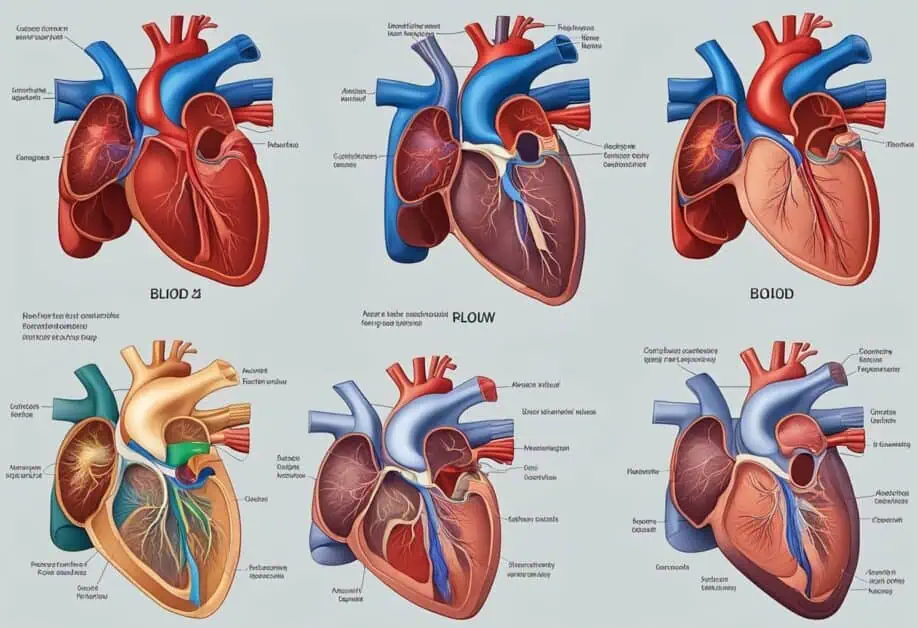
Heart failure affects the entire cardiovascular system. The heart muscle becomes weak or stiff, making it hard for the heart to fill with and pump blood. Ejection fraction is an important measure of how well your heart pumps with each beat.
When the left ventricle can’t pump blood effectively, it may cause blood to back up in the lungs. This often leads to shortness of breath and fluid buildup. If the right ventricle can’t pump efficiently, blood backs up in the veins, leading to swelling in the legs and abdomen, and sometimes the liver and kidneys.
Heart failure impacts blood circulation throughout your body. It can lead to congestion, making you feel tired and weak. The reduced blood flow affects the body’s organs and tissues, contributing to symptoms like fatigue and breathlessness.
Types and Stages
Heart failure can be classified into different types and stages. Systolic heart failure (or HFrEF, heart failure with reduced ejection fraction) occurs when the heart muscle doesn’t contract forcefully enough. Diastolic heart failure (or HFpEF, heart failure with preserved ejection fraction) happens when the heart muscle becomes stiff and can’t relax properly.
Stages of heart failure range from A to D. Stage A includes individuals at high risk but without structural heart disease or symptoms. Stage B involves structural heart disease without symptoms. Stage C includes patients with symptoms of heart failure. Stage D represents advanced disease requiring specialised treatments.
Understanding these types and stages can help you and your healthcare provider develop an effective treatment plan. Treatment can improve your quality of life and help manage symptoms.
Managing Heart Failure
Heart failure management involves a mix of medical treatments, lifestyle adjustments, and ongoing care. The goal is to improve your quality of life and keep your symptoms under control.
Medical Treatments
Your doctor might prescribe several medications to manage your heart failure. Diuretics help reduce swelling by removing excess fluid. Beta-blockers and ACE inhibitors can lower blood pressure and improve heart function.
Sometimes surgery is needed. A ventricular assist device or a heart transplant might be necessary if other treatments aren’t effective. It’s essential to take your medications as prescribed and attend all medical appointments.
Lifestyle and Support
Your lifestyle choices play a big role in managing heart failure. Regular exercise can improve your heart health. A healthy diet, low in salt, helps manage blood pressure and reduce swelling. Keeping a healthy weight is crucial.
Monitoring your symptoms at home is important. Report new or worsening signs like shortness of breath, fatigue, cough, or swelling to your doctor.
Having a support system from family and friends can provide emotional and practical help. They can assist with daily activities and attend appointments with you, making it easier to manage your condition.
Monitoring and Care
Regular monitoring helps track how well your treatment is working. Blood tests, ECGs, and echocardiograms check your heart’s function. Keeping an eye on your blood pressure and heart rate is crucial.
Devices like an ECG or home blood pressure monitor can give you and your doctor valuable information. For severe cases, oxygen therapy might be recommended to support your breathing.
Routine check-ups help catch any issues early and adjust your treatment plan as needed. Pay attention to changes in your symptoms and communicate with your healthcare team regularly.
Frequently Asked Questions
Heart failure brings about many questions. It’s important to be informed about treatments, symptoms, causes, and types of heart failure to actively manage this condition.
What are the common treatments available for heart failure?
Treatments for heart failure often involve medication. Common drugs include ACE inhibitors, beta blockers, and diuretics. Lifestyle changes, like eating a healthy diet and exercising, can help. In some cases, surgery or medical devices may be recommended.
Could you tell me what symptoms are typically associated with heart failure?
Symptoms of heart failure include shortness of breath, fatigue, and swelling in the legs, ankles, and feet. You might also experience a persistent cough or wheezing. Rapid or irregular heartbeats can also be a sign.
What are the main causes that lead to heart failure?
Heart failure is usually caused by conditions that damage or overwork the heart. These include high blood pressure, coronary artery disease, and previous heart attacks. Chronic illnesses like diabetes and obesity can also contribute.
Can you explain the different types of heart failure that exist?
There are two main types of heart failure: systolic and diastolic. Systolic heart failure occurs when the heart muscle can’t pump blood effectively. Diastolic heart failure happens when the heart can’t fill properly with blood.
How does one recognise the early signs of heart failure in adults?
Early signs of heart failure can be subtle. Look out for unusual fatigue, shortness of breath during activities, and difficulty sleeping due to breathing problems. Swelling in the legs or ankles can also be an early indicator.
Is it possible for a person to recover from heart failure?
While heart failure is a serious condition, many people can manage their symptoms and lead a fulfilling life. Though it often requires ongoing treatment, some people do see significant improvements with the right care and lifestyle changes.