

University Classroom Furniture: Choosing the Best Options for Comfort and Learning
When it comes to creating a positive learning environment, one often overlooked aspect is the furniture in university classrooms. The right furniture can make a significant difference in the success of students and faculty alike. Whether it’s a comfortable chair for long lectures or a collaborative desk for group projects, furniture plays a vital role in the overall experience of higher education.

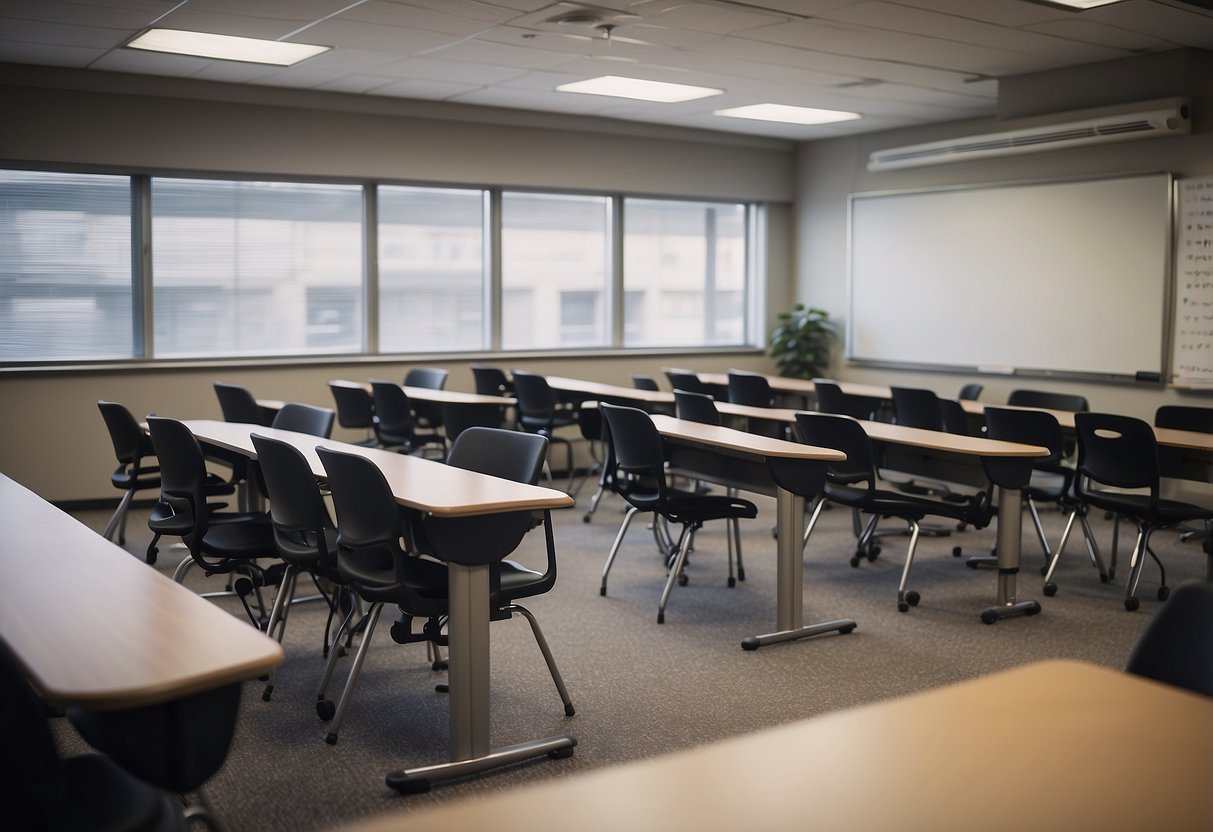
Designing for Learning and Collaboration When designing a university classroom, the focus should be on creating an environment that fosters learning and collaboration. The furniture should be versatile and adaptable to different teaching styles and student needs. This means considering factors such as ergonomics, mobility, and technology integration. By prioritising these aspects, you can create a space that encourages active engagement and participation from everyone in the room.
Furniture Selection for Universities Selecting the right furniture for your university classroom can be a daunting task, but it doesn’t have to be. With the help of educational furniture suppliers, you can find furniture that meets your specific needs and budget. From lecture hall seating to study carrels, there are options available for every type of space. By choosing high-quality, durable furniture, you can ensure that your investment will last for years to come.
Key Takeaways
- The right furniture is crucial to creating a positive learning environment in universities.
- When designing a classroom, consider factors such as ergonomics, mobility, and technology integration.
- Educational furniture suppliers can help you find furniture that meets your specific needs and budget.
Designing for Learning and Collaboration
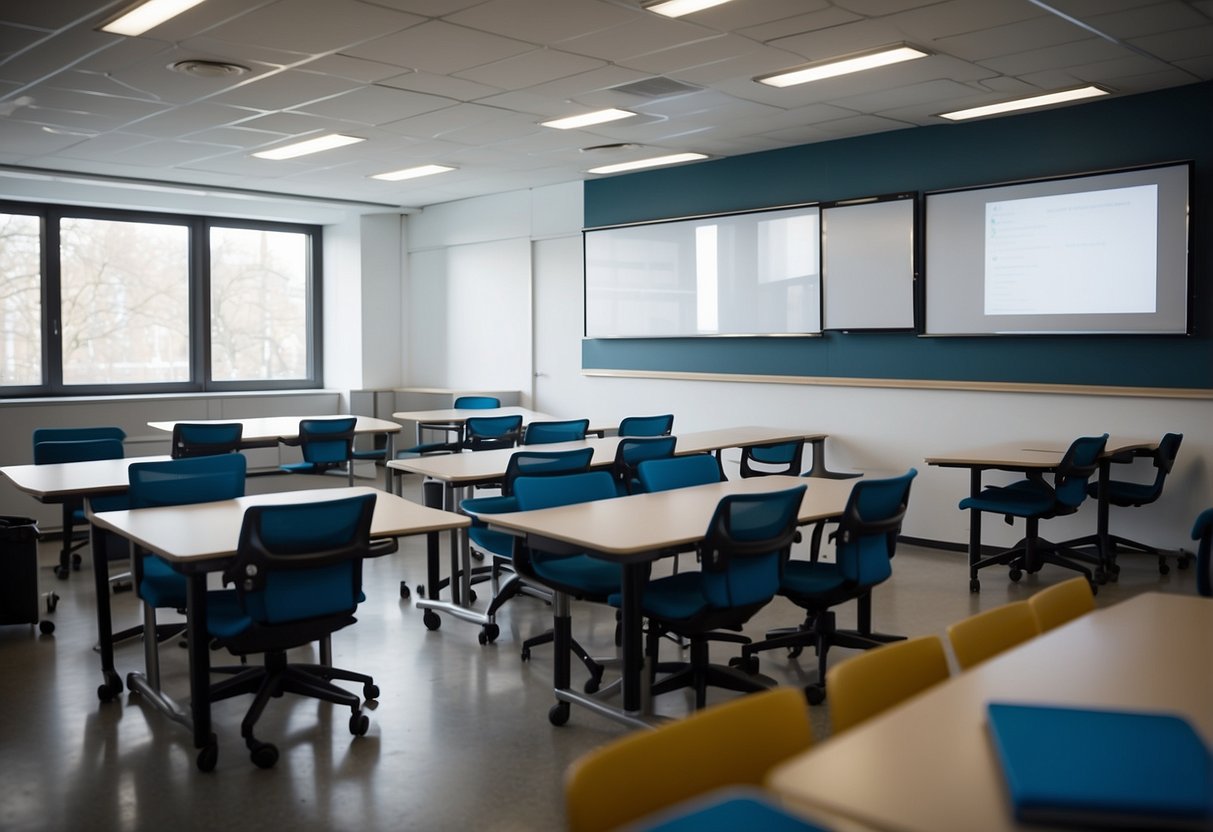
As a university, it’s important to create learning spaces that are not only comfortable but also promote collaboration and active learning. In this section, we will discuss how you can design your university classroom furniture to meet the needs of your students.

Creating Versatile Learning Spaces
One of the most important aspects of classroom furniture is flexibility. It’s important to have furniture that can be easily rearranged to meet the needs of different learning styles and group sizes. Consider having tables and chairs with wheels that can be easily moved around the room, or modular furniture that can be configured in different ways.
Furniture for Active Learning Classrooms
Active learning classrooms are becoming increasingly popular in universities. These classrooms are designed to promote collaboration and active learning, and the furniture plays a big role in this. Consider having tables that can be easily moved around for group work, comfortable chairs that promote good posture, and whiteboards or other writing surfaces that can be easily accessed by students.
Incorporating Technology in Furniture Design
Technology is becoming more and more important in the classroom, and furniture design is no exception. Consider having furniture with built-in charging ports for laptops and other devices, or furniture that can be easily integrated with technology such as projectors or interactive whiteboards.
Overall, designing furniture for university classrooms requires a balance between comfort, flexibility, and innovation. By considering the needs of your students and incorporating these elements into your furniture design, you can create a learning environment that promotes collaboration and active learning.
Furniture Selection for Universities
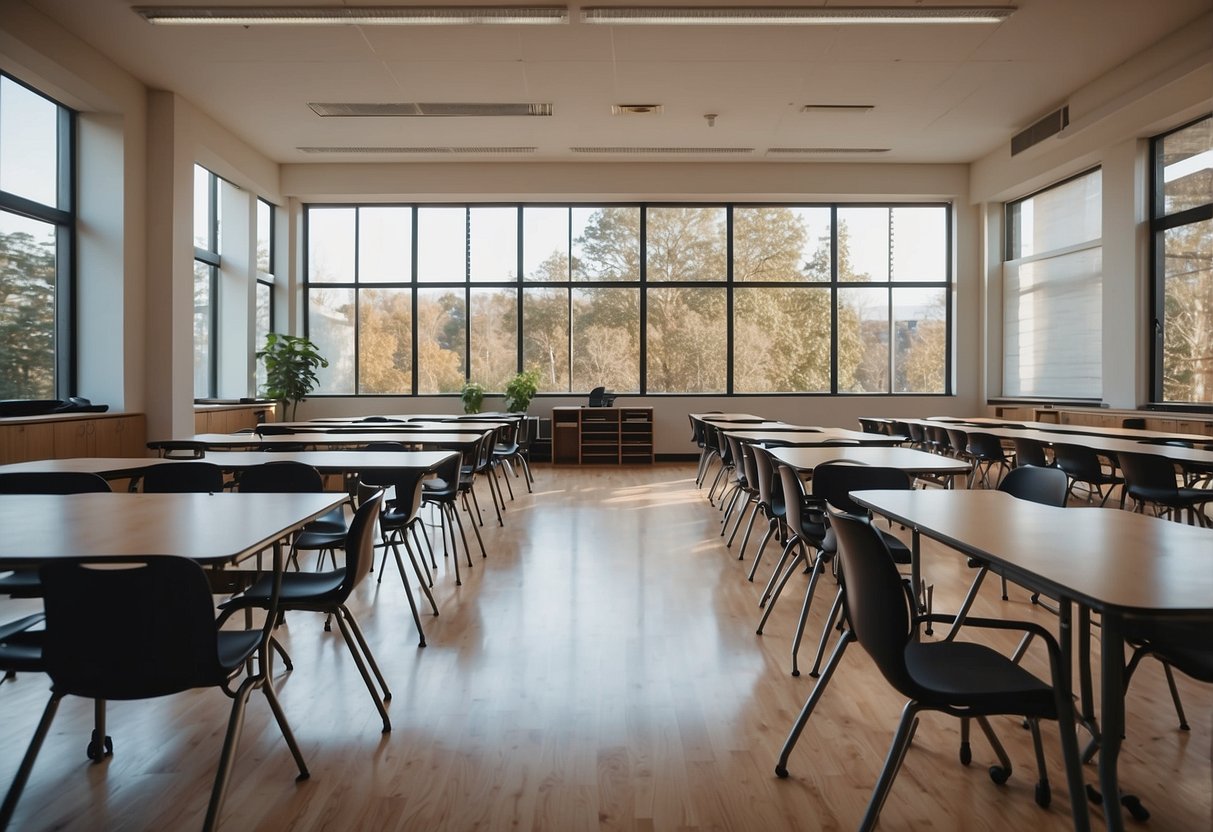
When it comes to selecting furniture for your university, there are a few key factors to consider. Evaluating durability and flexibility, choosing furniture for different teaching styles, and enhancing student engagement with comfort are all important aspects to keep in mind.
Evaluating Durability and Flexibility
Durability and flexibility are crucial factors to consider when selecting furniture for your university. You want furniture that will hold up to the wear and tear of daily use, while also being flexible enough to meet the unique needs of your campus. Look for chairs and lounge furniture that are made from high-quality materials and have sturdy frames.

Choosing Furniture for Different Teaching Styles
Different teaching styles require different types of furniture. For lecture-style classes, you may want to consider chairs with built-in writing tablets or desks. For group work and collaboration, consider tables that can be easily moved and reconfigured. And for classes that require a lot of reading and writing, comfortable lounge furniture can help students stay engaged and focused.
Enhancing Student Engagement with Comfort
Comfort is key when it comes to enhancing student engagement. When students are comfortable, they are more likely to stay focused and engaged in class. Look for chairs and lounge furniture that are ergonomically designed and provide adequate support. Consider adding soft seating areas and lounge furniture to your campus to create comfortable spaces for students to relax and recharge between classes.
By keeping these factors in mind, you can create a furniture portfolio that meets the unique needs of your university. Whether you are looking to enhance student engagement, support different teaching styles, or simply provide comfortable spaces for students to relax and recharge, there are plenty of options available to you. With a little bit of research and planning, you can create a campus that is both functional and inviting for students and faculty alike.
Frequently Asked Questions
What are the latest trends in higher education classroom furniture design?
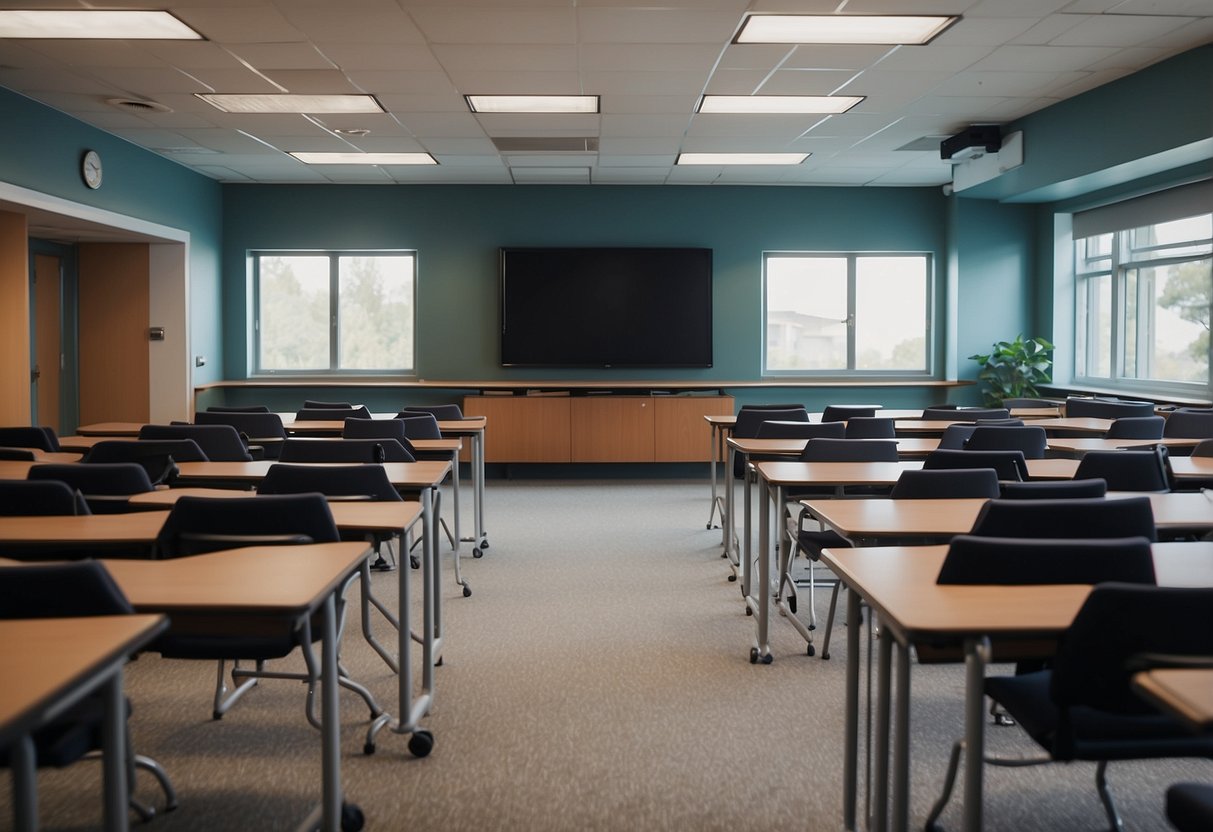
When it comes to university classroom furniture design, the latest trends focus on flexibility, mobility, and adaptability. Furniture that can be easily moved and reconfigured to suit different classroom layouts and teaching styles is becoming increasingly popular. Collaborative seating arrangements are also in demand, with many universities opting for tables and chairs that can be arranged in groups to facilitate group work and discussion.
How can one integrate technology into university classroom furniture?
Integrating technology into university classroom furniture is essential in this digital age. Many universities are opting for furniture that has built-in charging stations and power outlets, making it easy for students to keep their devices charged and ready to use during class. Some universities are also investing in interactive whiteboards and screens that can be integrated into classroom furniture, allowing for more engaging and interactive lessons.
What are some sustainable practices for sourcing university classroom furniture?
Sustainability is an important consideration when sourcing university classroom furniture. One sustainable practice is to choose furniture made from eco-friendly materials such as bamboo or reclaimed wood. Another option is to choose furniture that is certified by organisations such as FSC or Greenguard, which ensure that the furniture has been responsibly sourced and manufactured.
How does ergonomic furniture impact learning in university settings?
Ergonomic furniture can have a significant impact on learning in university settings. Comfortable and supportive chairs and desks can help students stay focused and alert during class, reducing the risk of discomfort and injury. Ergonomic furniture can also improve posture and reduce the risk of musculoskeletal disorders, which can be especially important for students who spend long hours studying and working at their desks.
What considerations should be taken into account when choosing furniture for university libraries?
When choosing furniture for university libraries, it is important to consider factors such as comfort, durability, and flexibility. Comfortable seating arrangements can encourage students to spend more time in the library, while durable furniture can withstand heavy use and frequent movement. Flexibility is also important, as libraries often need to accommodate a variety of different study styles and preferences.
What are the best cleaning and maintenance practices for university classroom furniture?
Regular cleaning and maintenance are essential for keeping university classroom furniture in good condition. It is important to follow the manufacturer’s instructions for cleaning and maintenance, and to use only approved cleaning products. Regular inspections can also help identify any issues or damage that may need to be addressed.