Furniture Allergy Symptoms: What to Look Out For
If you’re experiencing unexplained skin rashes, sneezing, or difficulty breathing in your home, your furniture could be the culprit. Furniture allergy symptoms can be caused by a number of factors, from the materials used in manufacturing to the cleaning products you use. Identifying the cause of your symptoms is the first step in managing and preventing furniture allergies.


The symptoms of furniture allergies can vary widely depending on the individual and the allergen. Some common symptoms include skin rashes, hives, sneezing, coughing, wheezing, and difficulty breathing. These symptoms can be caused by a variety of allergens, including dust mites, pet dander, and chemicals used in furniture manufacturing. Identifying the specific allergen causing your symptoms is key to managing and preventing furniture allergies.
If you suspect that your furniture is causing your allergies, there are a number of steps you can take to manage and prevent symptoms. From choosing furniture made from hypoallergenic materials to regularly cleaning and dusting your home, there are many ways to reduce your exposure to allergens. With the right precautions, you can enjoy your home without worrying about furniture allergy symptoms.
Key Takeaways
- Identifying the cause of your symptoms is the first step in managing and preventing furniture allergies.
- Symptoms of furniture allergies can include skin rashes, hives, sneezing, coughing, wheezing, and difficulty breathing.
- Choosing furniture made from hypoallergenic materials and regularly cleaning and dusting your home can help reduce your exposure to allergens.
Identifying Furniture Allergy Symptoms
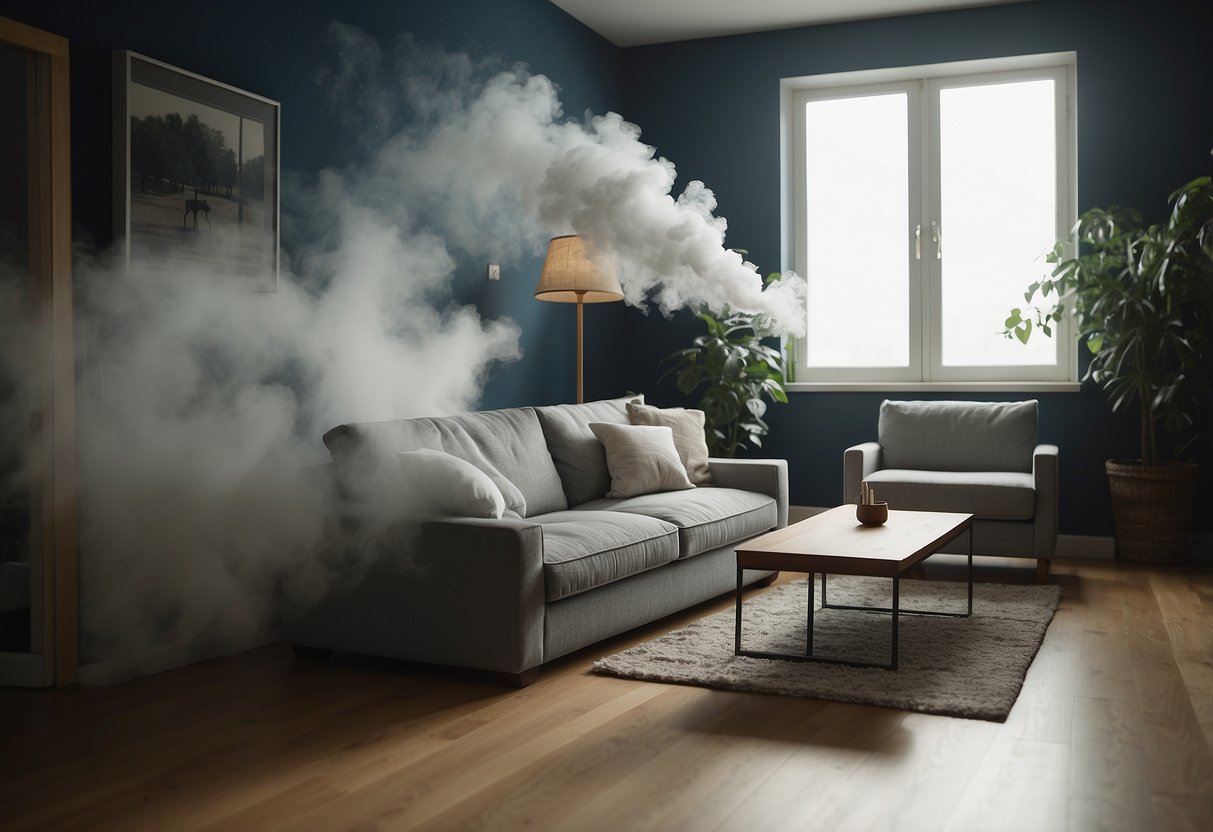
If you have an allergy to furniture, you may experience a range of symptoms. These can vary from mild to severe and can affect different parts of your body. Here are some common symptoms to look out for:

Common Skin Reactions
If your skin comes into contact with furniture that you are allergic to, you may experience a skin reaction. This can include:
- A rash
- Itching
- Swelling
- Eczema
These symptoms can be uncomfortable and can make it difficult to carry out your daily activities. If you notice any of these symptoms after coming into contact with furniture, it’s important to seek medical advice.
Respiratory Challenges
In some cases, furniture allergies can cause respiratory challenges. This can include:
- Shortness of breath
- Wheezing
- Sneezing
- Allergic rhinitis
- Conjunctivitis
- Itchy eyes
- Stuffy nose
If you experience any of these symptoms, it’s important to seek medical advice. These symptoms can be a sign of a serious allergic reaction and may require urgent treatment.
It’s important to note that not all furniture allergies are the same. Some people may only experience mild symptoms, while others may have a severe reaction. If you suspect that you have an allergy to furniture, it’s important to seek medical advice to get an accurate diagnosis and appropriate treatment.
Managing and Preventing Furniture Allergies

If you have been diagnosed with a furniture allergy, there are several steps you can take to manage and prevent allergic reactions. In this section, we will discuss allergy testing and diagnosis, cleaning and household adjustments, and medical treatments.
Allergy Testing and Diagnosis
If you suspect that you have a furniture allergy, it is important to see an allergist for testing and diagnosis. An allergist can perform skin testing or blood testing to determine which allergens are causing your symptoms. Once you know which allergens to avoid, you can take steps to reduce your exposure and prevent allergic reactions.

Cleaning and Household Adjustments
Cleaning and household adjustments can also help reduce your exposure to allergens. Regular vacuuming, dusting, and washing of bedding and upholstered furniture can help remove allergens such as dust mites, pet dander, and pollen. You may also want to consider using allergen-proof covers on pillows and mattresses. Keeping your home’s humidity level between 30% and 50% can also help prevent the growth of mold spores.
Medical Treatments
In addition to avoiding allergens and making household adjustments, there are several medical treatments that can help manage furniture allergies. Corticosteroids and antihistamines can help relieve symptoms such as itching and swelling. Nasal corticosteroids can help reduce inflammation in the nasal passages, while nonsedating antihistamines can help relieve symptoms without causing drowsiness. Sedating antihistamines may also be used to relieve symptoms at night.
If your symptoms are severe or do not respond to other treatments, your allergist may recommend immunotherapy, also known as allergy shots. Immunotherapy involves regular injections of small amounts of allergens, which can help desensitize your immune system to the allergen over time.
In conclusion, managing and preventing furniture allergies involves a combination of allergy testing and diagnosis, cleaning and household adjustments, and medical treatments. By taking these steps, you can reduce your exposure to allergens and prevent allergic reactions.
Frequently Asked Questions

What are the common signs of an allergic reaction to furniture?
If you experience sneezing, itchy eyes, or a runny nose when you’re around furniture, it could be a sign of an allergic reaction. Other common signs include rashes, hives, and difficulty breathing.
How can one identify and treat sofa dermatitis?
Sofa dermatitis is a skin reaction caused by exposure to chemicals in furniture, such as flame retardants or formaldehyde. Symptoms can include redness, itching, and swelling. If you suspect you have sofa dermatitis, it’s best to consult a dermatologist. Treatment may include topical creams or oral medications.
What are the typical symptoms of dust allergies in the home?
Dust allergies can cause symptoms such as sneezing, runny nose, and itchy eyes. Some people may also experience coughing, wheezing, and shortness of breath. To reduce dust in your home, make sure to clean regularly and use a vacuum with a HEPA filter.
Can leather furniture cause allergic reactions and what do they look like?
Leather furniture itself is unlikely to cause an allergic reaction, but it’s possible to be allergic to the chemicals used in the tanning process. Symptoms can include rashes, hives, and itching. If you suspect you have an allergy to leather furniture, it’s best to consult an allergist.
What should I do if I suspect I’m allergic to my new furniture?
If you suspect you’re allergic to your new furniture, try removing it from your home and see if your symptoms improve. You can also try using an air purifier to reduce allergens in the air. If your symptoms persist, consult a doctor or allergist.
How can I determine if I have an allergy to something within my home?
To determine if you have an allergy to something within your home, try keeping a journal of your symptoms and when they occur. You can also try removing potential allergens from your home one by one to see if your symptoms improve. If you’re still unsure, consult a doctor or allergist for testing.