Last updated 7 August 2026. This page was reviewed on that date. Prices, rates and opening hours change often in Singapore — confirm anything that matters directly with the business before you travel or spend.
Quick answer: Whether you need a new pair of glasses yesterday or you’re hunting for a specific designer silhouette, Singapore’s spectacle shops have you covered. OWNDAYS delivers Japanese precision at pace, Lenskart lets you try on frames with your phone, Spectacle Hut carries the big luxury names, and Glimpse can hand you a custom pair in about 20 minutes. Visio Optical is the spot for bespoke craftsmanship, W Optics takes myopia control seriously, and Firmoo keeps things wallet-friendly online.
Finding the right spectacle shop isn’t just about clear vision — it’s about walking out with frames that won’t make you cringe in your next Zoom meeting or wedding group photo. This lineup helps you skip the guesswork, whether you need a 20-minute rescue pair, a designer statement, or something for the kids.

This is one of 40 guides in Best Doctors & Specialists in Singapore — start there if you would rather compare before you commit.
Nothing on this page is a paid placement. If you know a place that should be here, let us know before the next update.
OWNDAYS

You’ll find OWNDAYS scattered across almost every major mall, but its heart is in that unmissable Japanese approach: clean designs, lightweight frames, and a process that doesn’t eat your afternoon. Frames start from $98 and the price already includes high-index aspheric lenses, so you aren’t squinting through thick bottle caps. They do blue-light blocking, progressives, and plenty of styles that look right at home in a humid Singapore day.
Who it’s for: anyone who wants a solid pair of specs, fast, without paying extra just to get lenses that don’t look like jam jar bottoms. The price tag at the display is the final price — that sense of relief alone is damn shiok.
- Address: 313 Orchard Road, #B2-42/43, Singapore 238895 (and many other outlets)
- Phone: +65 6222 0588
- Hours: Daily 11:00 AM – 10:00 PM
- Website: owndays.com/sg
OWNDAYS is the safe harbour when you need a fresh pair before Friday dinner and can’t afford a styling misstep. The process is fast enough that you can slip in after work, try on several lightweight Japanese frames, and still make your reservation without looking flustered. Lenses come slim as standard, so no one notices you’re wearing a high prescription.
Lenskart

Lenskart makes the whole choosing-frames thing feel like a bit of fun. Their 3D try-on means you can see how a pair sits on your face just by staring at your phone, which saves you from that sian moment when the real thing looks nothing like the display. Frames start from $68, and you can grab magnetic clip-ons that turn your regular glasses into sunglasses instantly — steady for driving in and out of carparks.
Nothing on this page is a paid placement. If you know a place that should be here, let us know before the next update.
Who it’s for: the tech-curious, the ones who love a good mirror selfie before committing, and anyone who appreciates a quick style refresh without spending too much. If you’re already thinking about ditching frames altogether, you might also want to browse Singapore’s Elite LASIK Centres.
- Address: 930 Yishun Avenue 2, #01-106, Northpoint City, Singapore 769098
- Phone: +65 6592 9273 (Northpoint) / WhatsApp +65 9722 2210
- Hours: Daily 11:00 AM – 9:00 PM
- Website: lenskart.sg
Lenskart solves the classic ‘looks great online, terrible on my face’ dilemma before you even leave the house. Use the 3D try-on to narrow down to two shapes, then head down with a kopi in hand — you’ll be out with a pair that genuinely suits your features, plus magnetic clip-ons for that sudden drive into the sun.
Spectacle Hut

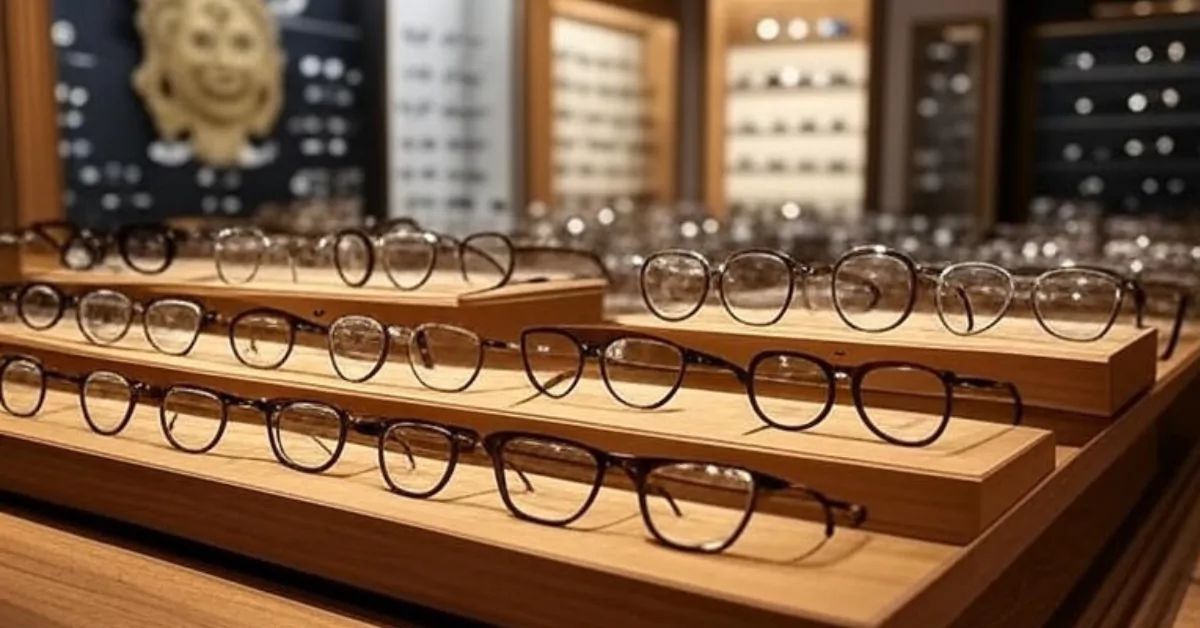
When you walk into Spectacle Hut, the first thing that hits you is the sheer number of frames — over 2,000 styles carrying names like Prada, Chanel, and Burberry. This is where you go when the pair on your face is meant to say something before you even open your mouth. They offer an express 30-minute service and complimentary adjustments, so even the busiest professional can walk out looking sharp within a lunch break.
Who it’s for: the boardroom regular, the special occasion splurger, or just someone who believes a great frame is an investment. For those who prefer contact lenses on active days, we’ve also put together a guide on the Discover Finest Contact Lenses in Singapore.
- Address: 1 Temasek Avenue, #13-01 Millenia Tower, Singapore 039192
- Phone: +65 6782 3838
- Hours: Daily 10:30 AM – 9:30 PM
- Website: spectaclehut.com/store-locator
Spectacle Hut is for the moment you need your eyewear to introduce you before you say a word. Go on a weekday morning when the boutique calm lets you work through Prada and Chanel frames methodically. The 30-minute express service means you can freshen up your look between a client lunch and an afternoon presentation — no rushed decisions, no fashion regrets.
Glimpse

Glimpse has a neat trick: custom-made glasses ready in 20 minutes. You pick an aviator or rimless design, they shape the lenses on the spot, and you’re out the door before your kopi gets cold. Frames start from $98, and they handle myopia management and progressive lenses too. There’s even a SAFRA discount for those in the know.
Who it’s for: the kiasu planner who broke their specs the night before a wedding, or anyone who wants a personalised pair without the wait. The staff take the time to find a fit that works for your face shape, which pays off when you catch your reflection later and think, steady lah, this one can.
- Address: 23 Serangoon Central, #B1-64/65, Singapore 556083
- Phone: +65 6509 4155
- Hours: Daily 10:30 AM – 9:30 PM
- Website: glimpse.sg
Glimpse is your emergency pit stop when a temple screw gives way the night before an important function. Walk in, choose an aviator or rimless frame, and custom-made lenses are shaped in 20 minutes — quicker than your hair appointment. For the truly kiasu, book an eye exam and order backups in advance so you never land in that panic.
Firmoo Optical

Firmoo is entirely online, which means no storefront, no pushy salesperson — just a screen and a lot of affordable options. Frames start from S$8.91 and they regularly run buy-one-get-one free promotions. You can add blue-light blocking or polarised lenses, and the range is wide enough to suit round, square, or heart-shaped faces.
Who it’s for: the budget-conscious buyer who doesn’t mind measuring their own pupillary distance and waiting a week or so for delivery. For the price of a nice dinner, you can have two pairs of functional, decent-looking glasses. If you’re already refreshing your whole look, you may also enjoy our guide to the Wellness Spas in Singapore.
- Service: Online-only, ships to Singapore
- Email: [email protected]
- Website: firmoo.com
Firmoo Optical brings the fitting room to your living room — no aircon queue, no shop assistant watching you squint into a mirror. On a lazy Sunday, open a tab, browse frames from your sofa, and check out with a buy-one-get-one offer. Just double-check your pupillary distance before clicking order; a small measuring tape saves you from a sian return.
Visio Optical

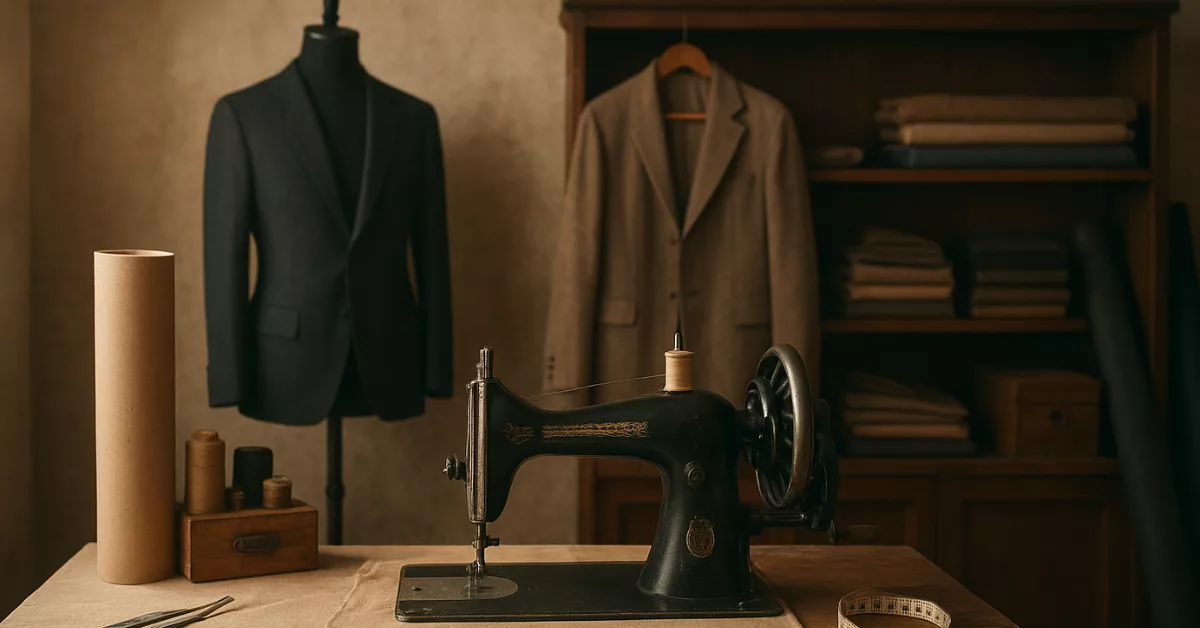
Tucked in Holland Drive, Visio Optical is a boutique owner-run shop that treats eyewear like fine tailoring. They import frames from Italy, Japan, and Korea, and can do things most chains won’t — like repaint your favourite old frame or reshape lenses to a custom silhouette. Professional eye exams and repair work happen right there on the premises.
Who it’s for: the sentimental type who has a favourite pair of frames that just need a second wind, or anyone who wants a level of personal attention that feels more like a conversation than a transaction. It’s the kind of place where you leave thinking you’ve discovered something rare.
- Address: 43 Holland Drive, #01-67, Singapore 270043
- Phone: +65 6776 0052
- Hours: Mon–Sat 9:30 AM – 8:00 PM; Sun 10:00 AM – 6:00 PM
- Website: visiooptical.com
Visio Optical is the answer when your favourite frames have lived a little too much and you cannot bear the idea of a stranger picking out a new shape that makes you look siao. They repaint, reshape, and restore with the same care as a tailor. Pop by on a weekday afternoon, and leave with your signature look intact, no awkward adjustment phase.
W Optics

W Optics positions itself as a proper myopia centre, not just a place to pick up a new pair of frames. They offer orthokeratology, progressive contact lenses, and thorough eye examinations that go deeper than the standard reading chart. You can also browse their e-shop if you already know what you need.
Who it’s for: parents watching their child’s degree inch up every year, or adults who’ve been told their myopia is progressing faster than expected. You’ll get a detailed eye health assessment and a myopia management plan with follow-up reviews, so it doesn’t feel like you’re just buying another pair of glasses.
- Address: 3 Temasek Boulevard, #01-400/401 Suntec City Mall, Singapore 038983
- Phone: +65 6736 1303
- Hours: Daily 10:30 AM – 9:30 PM
- Website: woptics.sg
Nothing on this page is a paid placement. If you know a place that should be here, let us know before the next update.
How to choose
Think about why you’re buying. If speed is everything — you snapped a frame and need a replacement before work tomorrow — Owndays or Glimpse will get you sorted within the hour. If the look matters most and you want a label that speaks, Spectacle Hut’s wall of Chanel and Prada is where your money goes. Tech enjoyers will get a kick out of Lenskart’s 3D try-on, while anyone chasing bespoke detailing should head straight to Visio Optical. For myopia worries, W Optics offers clinical-grade solutions that a regular chain won’t touch. And if the budget is tight, Firmoo’s online-only model puts glasses on your nose for less than the price of a grab-and-go lunch.
Price signals vary widely. At OWNDAYS and Glimpse, a complete pair starts around $98, which is fair for the quality. Lenskart undercuts that at $68. Firmoo is in another league entirely at $8.91, though you trade away the in-person fitting. Spectacle Hut, Visio Optical and W Optics sit at the upper end; you’re paying for brand cachet, rare imports or specialised clinical care. Look out for SAFRA discounts at Glimpse and seasonal promotions elsewhere — a little checking can save you a nice sum.
| Shop | Vibe | Starting price | Standout feature |
|---|---|---|---|
| OWNDAYS | Quick, modern Japanese | $98 | High-index aspheric lenses included |
| Lenskart | Tech-driven, playful | $68 | 3D try-on and magnetic clip-ons |
| Spectacle Hut | Luxury, expansive | High-end | Over 2,000 designer styles |
| Glimpse | Trendy, custom-fast | $98 | Custom glasses in 20 minutes |
| Firmoo Optical | Budget, online-only | $8.91 | Buy-one-get-one free deals |
| Visio Optical | Bespoke, artisanal | Premium | Frame repainting and custom shaping |
| W Optics | Clinical, myopia focused | Premium | Orthokeratology and progressive contacts |
Summary
Singapore’s spectacle shops cover every ground, from the instant custom job at Glimpse to the luxury armada at Spectacle Hut and the clinical care at W Optics. Your choice comes down to what you value most — speed, budget, style, or a specialist touch — and every place on this list delivers a solid reason to walk through its doors.
Details can change, confirm with the business.
Read next
Frequently asked questions
W Optics turns a routine myopia check into a long-term plan that saves you from watching your child squint through ever-thicker lenses at school concerts. Book a proper examination here early in the school holidays — the ortho-k fittings take time — and you’ll head into the new term with a solution that keeps frames off young faces during PE and play.
Which spectacle shop is best for a last-minute replacement?
Glimpse can produce a custom pair in about 20 minutes from the moment you choose a frame, making it the strongest option when you need glasses in a OWNDAYS also runs a rapid service at many outlets for stock lenses.
Do these shops offer blue light blocking lenses?
Yes, OWNDAYS, Lenskart, and Firmoo all provide blue-light filtering options. Glimpse and Spectacle Hut can also fit them on request — just ask the optician during your visit.
Are eye examinations included when I buy glasses?
Most shops include a basic refraction test with your purchase. W Optics and Visio Optical provide more comprehensive eye examinations that go beyond the standard test, which may carry an additional fee.
Can I get designer brands like Prada or Chanel?
Spectacle Hut stocks over 2,000 styles from luxury houses including Prada, Chanel, and Burberry. Visio Optical carries exclusive imported brands from Italy, Japan, and Korea if you want something less mainstream.
Which shop is most budget-friendly?
Firmoo Optical offers frames starting from S$8.91 with frequent buy-one-get-one free promotions, making it the most affordable choice. Lenskart also keeps prices accessible, with complete pairs from $68.
What should I bring when I visit a spectacle shop?
Bring your current prescription if you have one, and your existing glasses so the optometrist can check your usual fitting. For children or myopia control queries, any past eye health reports will help the consultation.