

Oil for Wood Furniture: A Guide to Choosing the Right Type
If you have wooden furniture, you know how important it is to protect it from wear and tear over time. One of the best ways to do that is by using oil for wood furniture. Not only does it protect your furniture from scratches and other damage, but it also enhances its natural beauty.

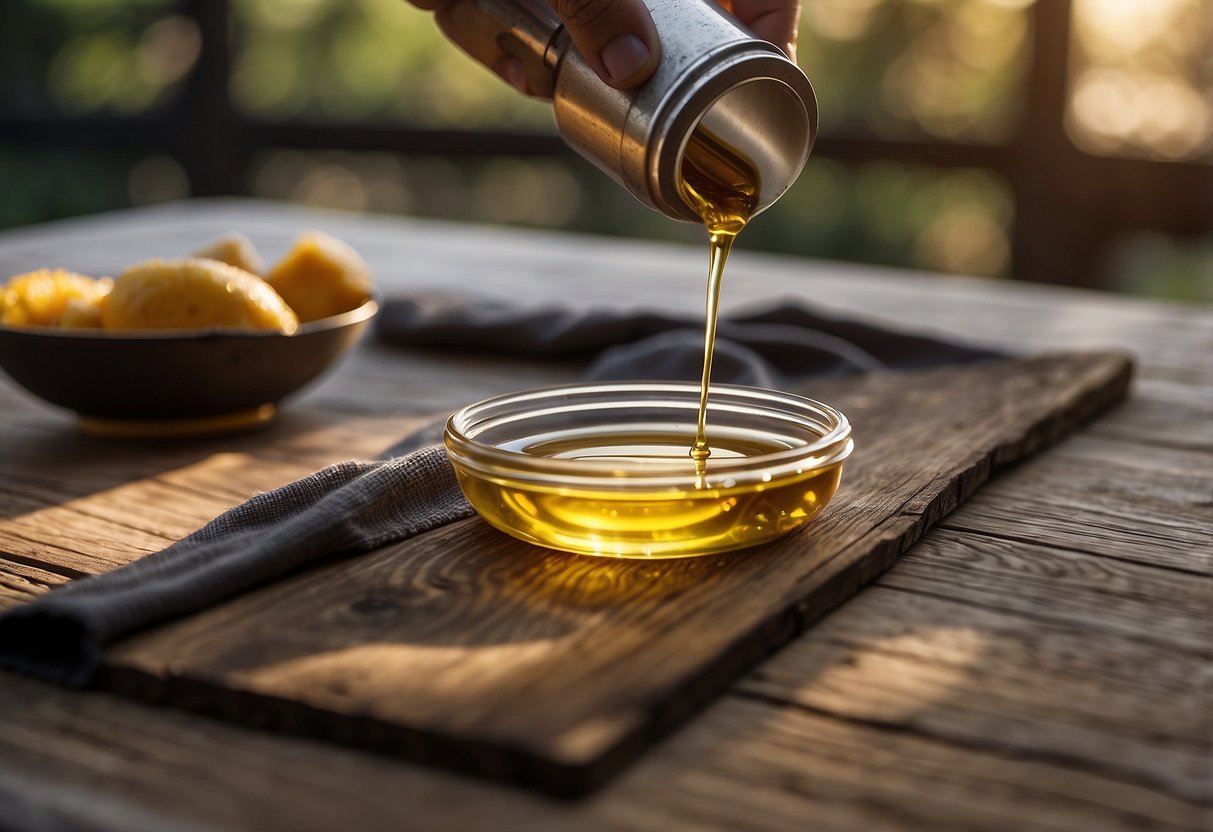
Choosing the right oil for your wood furniture can be a bit overwhelming, but it doesn’t have to be. There are a variety of natural and safe options available that can help protect your furniture while bringing out its natural beauty. From linseed oil to teak oil, there are plenty of options to choose from.
Applying and maintaining wood oil finishes is also important to ensure your furniture stays protected and beautiful for years to come. With the right tools and techniques, you can easily apply oil to your furniture and maintain it over time. In this article, we’ll explore the different types of oil for wood furniture, how to choose the right one, and how to apply and maintain it.
Key Takeaways
- Using oil for wood furniture can protect it from damage and enhance its natural beauty.
- There are a variety of natural and safe options available to choose from.
- Applying and maintaining wood oil finishes is important to ensure your furniture stays protected and beautiful for years to come.
Choosing the Right Oil for Your Wood Furniture

When it comes to choosing the right oil for your wood furniture, there are several factors to consider. Understanding the different types of wood oil available and their benefits can help you make an informed decision.

Understanding Different Types of Wood Oil
There are several types of wood oil available, including linseed oil, teak oil, tung oil, Danish oil, mineral oil, and walnut oil. Natural oils are often the preferred choice as they provide a natural finish and are food-safe. Linseed oil, for example, is a popular choice for furniture made from oak, pine, and other dense woods. Teak oil is ideal for outdoor furniture, while tung oil is a great choice for hardwoods like mahogany, beech, and walnut.
Factors to Consider When Selecting Oil
When choosing an oil for your wood furniture, it’s important to consider factors such as durability, ease of application, and ease of maintenance. Some oils are easier to apply than others, and some require more maintenance to keep the wood looking its best. You’ll also want to consider the type of wood your furniture is made from, as different woods may require different types of oil.
Best Oils for Different Types of Wood
The best oil for your wood furniture will depend on the type of wood it’s made from. For oak and other dense woods, consider using linseed oil. Teak oil is ideal for outdoor furniture, while tung oil is a great choice for hardwoods like mahogany, beech, and walnut. Danish oil is a versatile option that can be used on a variety of woods, providing a natural finish that enhances the wood’s natural beauty. Mineral oil is a good choice for furniture that requires frequent cleaning, as it’s easy to maintain and won’t leave a residue.
In conclusion, choosing the right oil for your wood furniture is an important decision that can affect the durability and appearance of your furniture. By understanding the different types of wood oil available and considering factors such as ease of application and maintenance, you can select the best oil for your specific furniture and woodwork needs.
Applying and Maintaining Wood Oil Finishes
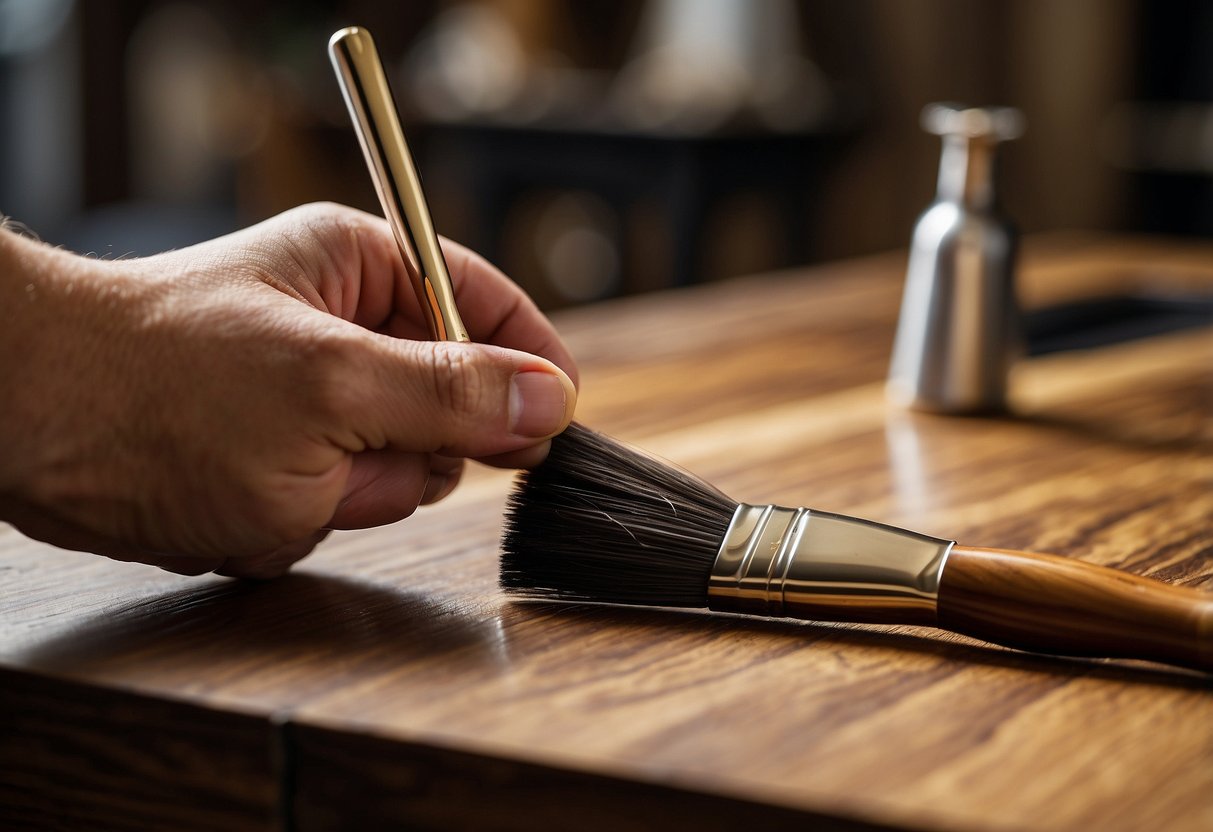
Step-by-Step Guide to Applying Oil
Applying oil to your wooden surface is an easy and effective way to protect and restore the natural beauty of your wood furniture, floors, or outdoor furniture. Here is a step-by-step guide to help you apply the oil finish:

- Start by sanding the wooden surface with fine-grit sandpaper to make it smooth and clean. Make sure to remove any dust or debris before applying the oil.
- Apply the oil to the wooden surface with a brush or rag, making sure to cover the entire surface evenly. Use a lint-free cloth or rag to avoid leaving any fibers on the surface.
- Allow the oil to penetrate the wood for about 15-20 minutes, then wipe off any excess oil with a clean cloth.
- Let the surface dry completely for at least 24 hours before using it.
- Repeat the process if necessary to achieve the desired level of protection and shine.
Tips for Maintaining the Natural Look and Durability
To maintain the natural look and durability of your wooden surface, follow these tips:
- Avoid exposing the surface to direct sunlight or extreme temperatures, as this can cause the wood to dry out and crack.
- Use coasters or placemats to protect the surface from spills, stains, and scratches.
- Clean the surface regularly with a damp cloth or mild soap and water, and avoid using harsh chemicals or abrasive cleaners that can damage the finish.
- Reapply the oil finish every few years to restore the natural look and protect the wood from drying out.
Dealing with Wear and Tear Over Time
Over time, your wooden surface may develop wear and tear, such as scratches, dents, or imperfections. Here are some tips for dealing with wear and tear:
- Sand the surface lightly with fine-grit sandpaper to remove any imperfections and prepare it for refinishing.
- Apply a new coat of oil finish to restore the natural look and protect the wood from further damage.
- For deeper scratches or dents, fill them with wood filler and sand them smooth before refinishing.
By following these simple steps and tips, you can protect and maintain your wooden surfaces for years to come.
Frequently Asked Questions

What’s the ideal oil to revitalise dry wood furniture?
The ideal oil to revitalise dry wood furniture depends on the type of wood and the desired finish. For example, teak oil is ideal for teak wood furniture, while Danish oil is suitable for most types of wood. Be sure to choose a high-quality oil that will penetrate the wood and protect it from moisture.
How should one apply oil to wood furniture for the best results?
To apply oil to wood furniture for the best results, start by cleaning the surface with a soft cloth to remove any dust or debris. Then, using a clean cloth, apply a thin layer of oil to the wooden surface, making sure to cover the entire area. Allow the oil to soak in for a few minutes before wiping off any excess with a clean cloth. Repeat this process until you achieve the desired finish.
Can olive oil be safely used on wooden furniture pieces?
While olive oil can be used on wooden furniture pieces, it is not recommended. Olive oil can go rancid and attract dust and dirt, which can damage the wood over time. It is best to use a high-quality oil specifically designed for wood furniture.
Which oil would be the most suitable for oak furniture care?
The most suitable oil for oak furniture care is Danish oil. Danish oil is a blend of oil and varnish that penetrates the wood and provides a durable finish. It also enhances the natural beauty of the wood and protects it from moisture.
Is it necessary to regularly oil wood furniture to maintain its appearance?
It is not necessary to regularly oil wood furniture to maintain its appearance, but it is recommended. Oiling wood furniture helps to protect it from moisture and keep it looking its best. How often you oil your furniture will depend on how often it is used and the type of wood.
What are the benefits of using Danish Oil on indoor furniture?
The benefits of using Danish Oil on indoor furniture are numerous. Danish oil enhances the natural beauty of the wood, provides a durable finish, and protects the wood from moisture. It is also easy to apply and dries quickly, making it a popular choice for DIY projects.