

Ban from Licensed Money Lender: Essential Steps to Take
Getting banned from a licensed money lender in Singapore can be a serious matter and it’s important to understand what this means and how it affects you. Whether you’re a Singapore citizen, permanent resident, or foreigner, knowing the steps involved in such a ban can save you a lot of trouble. Banning someone from a licensed money lender can prevent them from taking loans if they are at risk of financial trouble or want to enforce self-exclusion policies.

In Singapore, the Ministry of Law oversees the registry of licensed money lenders. They ensure that these lenders comply with regulations, which includes not lending to anyone who has opted for self-exclusion. Using your Singpass or NRIC, you can check the list of licensed money lenders and make sure they are following the proper guidelines. This protects borrowers from unscrupulous practices and helps maintain financial stability.
If you have concerns about borrowing, there are measures in place to assist you. For example, the Ministry of Law maintains a blacklist of money lenders, making it easier for you to avoid illegal and potentially harmful lenders. Understanding these provisions helps you make informed decisions and manage your financial health effectively.

Key Takeaways
- Bans from licensed money lenders help you manage financial risks.
- Use Singpass or NRIC to verify licensed lenders in Singapore.
- The Ministry of Law provides resources to protect borrowers.
Understanding the Role of the Registry of Moneylenders in Singapore

The Registry of Moneylenders plays a crucial role in regulating and maintaining a safe and professional moneylending industry in Singapore. Below, we’ll explore its key functions, how you can access the list of licensed moneylenders, and the self-exclusion framework.

Key Functions of the Registry
The Registry of Moneylenders, overseen by the Ministry of Law, is responsible for regulating licensed moneylenders in Singapore. It ensures that moneylenders follow the rules and guidelines set out in the Moneylenders Act.
You can rely on the Registry to verify the legitimacy of moneylenders. It conducts regular inspections and audits to maintain standards in the industry. This includes monitoring advertising and marketing activities to prevent misleading information.
Moreover, the Registry handles complaints and disputes involving moneylenders. If you encounter any issues, you can file a complaint with the Registry, which will investigate the matter.
List of Licensed Moneylenders and How to Access It
The Registry maintains a comprehensive list of all licensed moneylenders. This list is available on the Ministry of Law’s website (.gov.sg) and can be accessed by anyone looking to borrow money.
To check the list, simply visit the Ministry of Law’s website and navigate to the moneylending section. You will find a regularly updated register of licensed moneylenders.
The list includes vital details such as the licensed number, company name, and contact information. Make sure to use Singpass to securely access additional services and verify the credibility of the moneylender through their NRIC.
Self-Exclusion Framework
The self-exclusion framework is a protective measure designed by the Registry of Moneylenders. It allows individuals to voluntarily exclude themselves from borrowing from licensed moneylenders for a specified period.
To apply for self-exclusion, you need to submit a formal request through the Ministry of Law’s website or at a Citizen Connect Centre. The period of self-exclusion can vary based on your needs, providing flexibility and control over your financial decisions.
During the exclusion period, licensed moneylenders are prohibited from lending money to you. This framework is essential for those who want to manage their borrowing habits and avoid potential financial distress.
The Registry is committed to fostering a secure and ethical moneylending environment. By understanding its role, you can make informed choices and seek help when needed.
The Consequences of Banning from Licensed Moneylenders
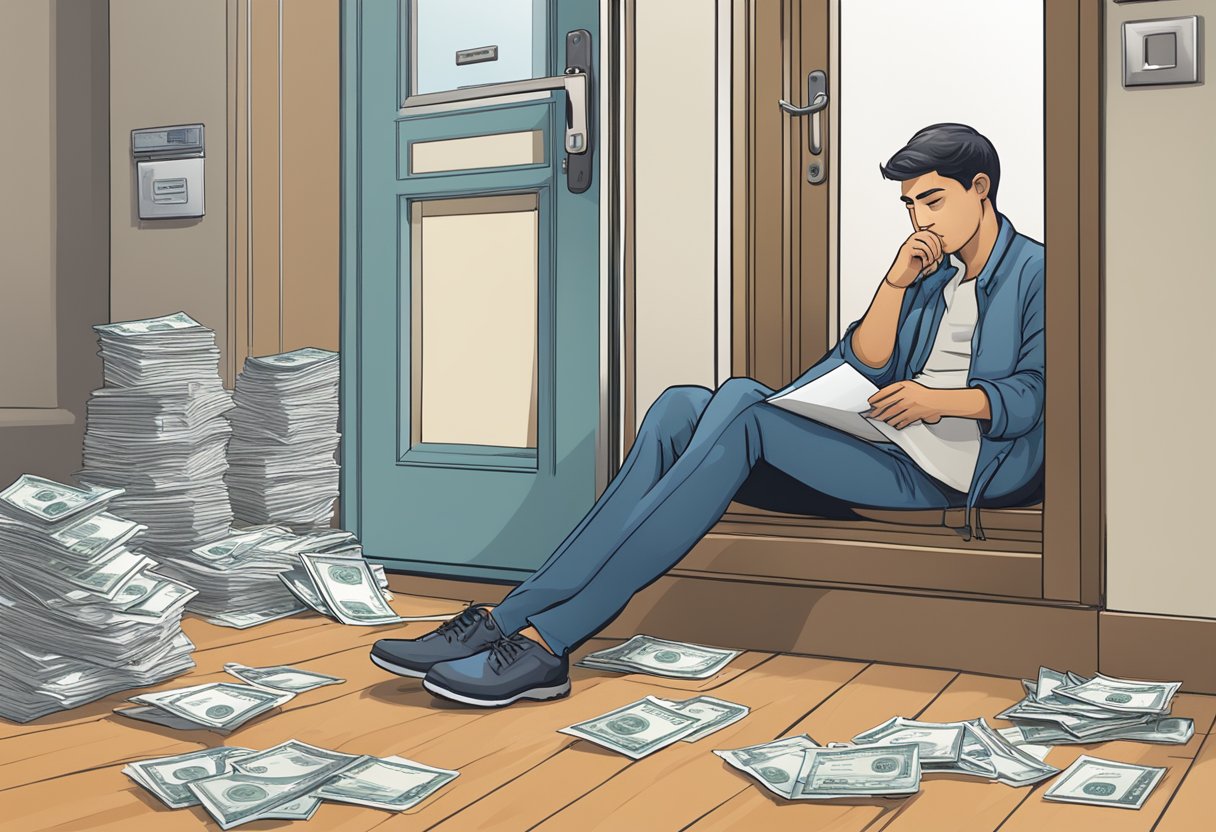
If you are banned from borrowing from licensed moneylenders, it can have wide-reaching consequences. This section will explore the impact on your financial options and potential legal and personal implications.

Measures Against Unlicensed Moneylending
Being banned increases the temptation to borrow from unlicensed moneylenders. These lenders operate illegally and often have unfair practices. This can put you at higher risk of fraud and harassment.
Unlicensed moneylenders usually charge very high interest rates. Payment terms are often unreasonable. Failure to repay might lead to aggressive collection tactics. This only worsens your financial and personal stress.
To combat this, authorities have strict measures in place. This includes penalties for borrowing from unlicensed lenders. Educate yourself about the dangers and stay away from illegal lending to protect yourself.
Legal Implications and Penalties
Banning from licensed moneylenders can lead to serious legal consequences if you turn to unlicensed options. Under the Moneylenders Act, borrowing from unlicensed lenders is a criminal offence. You may face fines, legal costs, and even imprisonment.
Additionally, not settling loans with unlicensed moneylenders can lead to further legal issues. Debt recovery actions can involve legal proceedings which add to financial and mental strain. Knowing the law can help you avoid unintentional infractions and protect your legal rights.
Financial and Personal Impacts
Losing access to licensed borrowing options significantly affects your financial health. Licensed moneylenders usually offer more controlled loan terms and lower interest rates. Losing this option can make it hard to meet urgent financial needs.
The stress of financial insecurity can also strain personal relationships. Constant worry about debt can affect your mental well-being. It is important to seek debt assistance schemes if you find yourself in such a situation. Programmes exist to provide guidance and help you manage your debt responsibly.
In summary, the consequences of being banned from licensed moneylenders are severe. From legal consequences to personal and financial stress, the impact is far-reaching. Staying informed and seeking legal borrowing options is crucial for your financial health.
Frequently Asked Questions
Learn about self-exclusion, reporting misconduct, the role of the Moneylenders Credit Bureau, settling debts, and issues with unlicensed money lenders. Find out what to do if you can’t repay a loan.
What steps can I take to self-exclude from a licensed money lender’s services?
To self-exclude, you can approach a licensed money lender and request to be barred from taking loans. Some employers can help their employees, such as maids or foreign workers, with this process. They follow a self-exclusion framework designed to protect you.
How can I report misconduct by a licensed money lender?
If you experience misconduct, contact the Ministry of Law. Provide details of the incident and any supporting evidence. This helps protect you and others from unfair or illegal practices.
What is the Moneylenders Credit Bureau (MLCB), and how does it function?
The MLCB collects and manages credit information for licensed money lenders. It helps ensure that lending and borrowing are conducted fairly and prudently. You can access your credit report to understand your creditworthiness.
How does one settle outstanding debts with a licensed money lender?
Contact your lender directly to discuss repayment options. You may negotiate new terms if you face difficulties. Ensure that you keep all communication documented and follow the agreed-upon repayment schedule.
What are the repercussions of borrowing from an unlicensed money lender?
Borrowing from unlicensed lenders is illegal and risky. You may face higher interest rates, aggressive collection tactics, and legal consequences. Always ensure your lender is licensed and reported in the Ministry of Law registry.
What are my options if I’m unable to repay a loan to a licensed money lender?
Contact the lender to discuss your situation. You might be able to negotiate a revised repayment plan. Seek advice from financial counsellors who can guide you through managing your debts responsibly.