

How to Protect Your Wood Furniture from Termites
Welcome to our guide on how to protect your wood furniture from termites. Termites can cause significant damage to wooden furniture and can be difficult to detect until it’s too late. However, with the right preventative measures, you can protect your furniture and keep termites at bay.

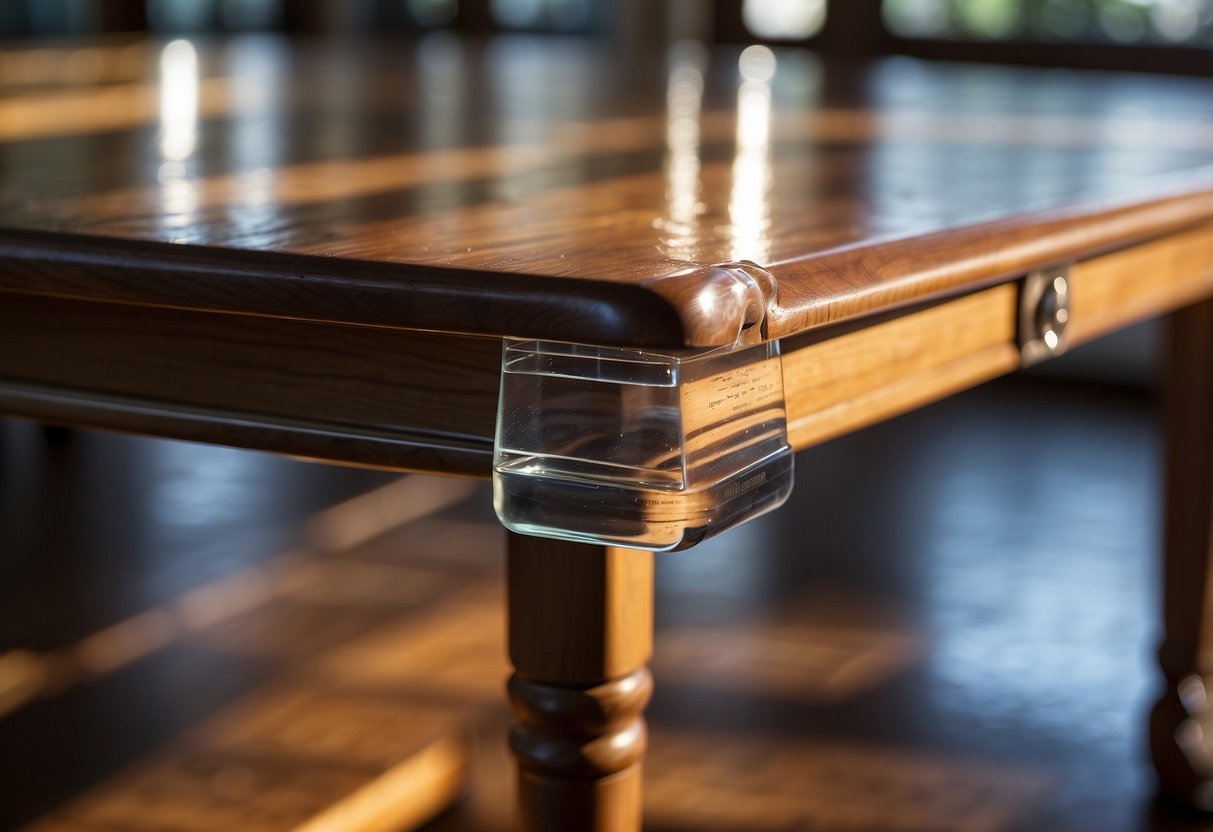
Understanding and preventing termite infestations is the first step in protecting your wooden furniture. Termites thrive in warm, humid environments and are attracted to wood. They can enter your home through cracks in the foundation or walls, and once inside, they can quickly spread and cause significant damage. Regular inspections of your home and furniture can help detect termite infestations early and prevent further damage.
Protective measures for wood furniture include using termite-resistant wood, sealing cracks and crevices, and applying protective coatings such as oil-based varnishes and polishes. Regular maintenance such as polishing and painting can also help prevent termite infestations. By taking these preventative measures, you can protect your furniture and keep it looking its best for years to come.
Key Takeaways
- Regular inspections can help detect termite infestations early and prevent further damage.
- Using termite-resistant wood and applying protective coatings can help protect your furniture from termites.
- Regular maintenance such as polishing and painting can also help prevent termite infestations.
Understanding and Preventing Termite Infestations

Termites are small insects that feed on wood and cellulose materials, causing structural damage to your furniture and home. Understanding the common types of termites, factors contributing to their attraction and regular inspections for early detection can help prevent termite infestations.

Identifying Common Termite Types
There are two common types of termites: drywood termites and subterranean termites. Drywood termites live in dry wood and do not require contact with soil. Subterranean termites, on the other hand, live in soil and require contact with it to survive. Both types of termites can cause significant damage to your furniture.
Factors Contributing to Termite Attraction
Moisture is a significant factor that attracts termites. Leaky pipes, damp basements and crawl spaces can provide the moisture termites need to survive. Additionally, wood that is in contact with soil or that is not termite-resistant can attract termites.
Regular Inspections and Early Detection
Regular inspections are crucial in preventing termite infestations. Look for signs of termite activity such as discarded wings, mud tubes, and frass (termite droppings). Inspect wooden furniture for any signs of damage, including hollow-sounding wood, cracks or holes. Early detection can help prevent significant damage to your furniture.
In summary, understanding the common types of termites, factors contributing to their attraction and regular inspections for early detection can help prevent termite infestations. By taking preventative measures, you can protect your wooden furniture from termite damage.
Protective Measures for Wood Furniture
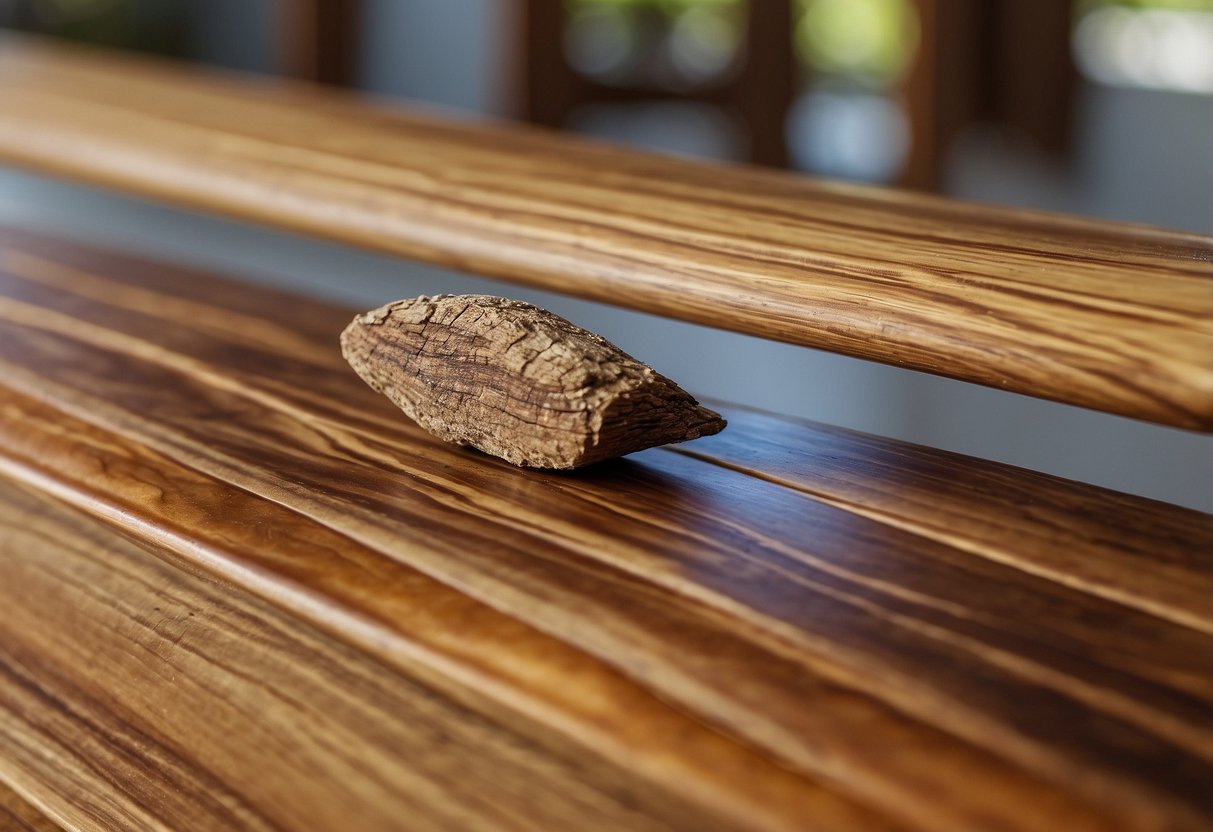
When it comes to protecting your wood furniture from termites, there are several measures you can take to prevent damage and keep your furniture looking great for years to come. Here are some protective measures you can take:
Chemical Treatments and Natural Repellents
Chemical treatments and natural repellents can be used to prevent termites from infesting your furniture. Borate is a commonly used chemical treatment that can be applied to the wood to prevent termites from feeding on it. Natural repellents like aloe vera and neem oil can also be used to deter termites from infesting your furniture.
Physical Barriers and Safe Practices
Physical barriers can be used to prevent termites from accessing your furniture. For example, you can place your furniture on metal stands or blocks to prevent termites from crawling up the legs. You can also use mesh or wire screens to cover ventilation openings in your home to prevent termites from entering.

Safe practices can also help prevent termite infestations. For example, you should avoid storing firewood or other wooden materials near your home, as this can attract termites. You should also fix any leaks or moisture problems in your home, as termites are attracted to damp environments.
Maintenance and Care for Long-Term Protection
Proper maintenance and care can help protect your wood furniture from termites in the long term. Regularly inspect your furniture for signs of termite damage, such as small holes or sawdust-like droppings. If you notice any signs of damage, take action immediately to prevent further infestation.
Regularly cleaning and polishing your furniture can also help protect it from termites. Use a protective finish or termite-resistant polish to create a barrier between the wood and termites. Additionally, using dehumidifiers and ensuring proper ventilation in your home can help prevent moisture buildup, which can attract termites.
By taking these protective measures, you can prevent termites from infesting your wood furniture and keep it looking great for years to come.
Frequently Asked Questions
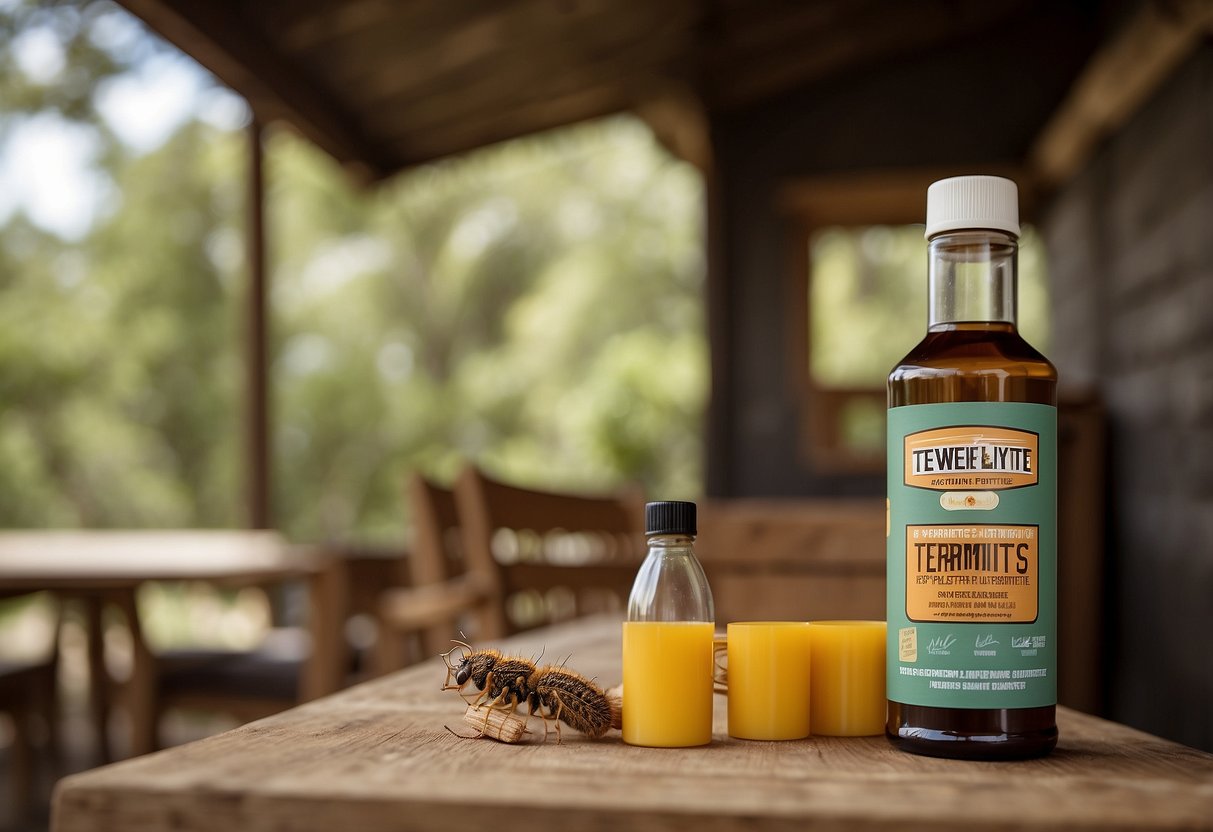
What natural methods can safeguard my wooden furniture against termites?
There are several natural methods that you can use to protect your wooden furniture from termites. Applying orange oil to the furniture is one effective way as it contains d-limonene, which is toxic to termites. You can also use neem oil, vinegar, and essential oils like clove, tea tree, and cedarwood to deter termites.
Can I DIY termite protection for my wooden furnishings?
Yes, you can use a DIY approach to protect your wooden furnishings from termites. You can make a natural termite repellent spray using ingredients like neem oil, vinegar, and essential oils. Additionally, you can keep your furniture dry by fixing any nearby leaks immediately and putting furniture outside in the sun to dry if it gets wet. Termites are attracted to moist wood.
What are the permanent solutions to eliminate termites?
Eliminating termites requires professional help. A pest control expert can assess the extent of the infestation and recommend the best course of action. The most common methods of termite elimination include using liquid termiticides, bait stations, and fumigation.
Is there a specific wood polish that deters termites?
There is no specific wood polish that deters termites. However, some wood polishes contain insecticides that can help prevent termite infestations. It is important to note that wood polish alone cannot protect your furniture from termites.
What preventive sprays are effective for wooden surfaces to ward off termites?
There are several preventive sprays that you can use to ward off termites. Some of the most effective options include neem oil, vinegar, and essential oils like clove, tea tree, and cedarwood. It is important to note that preventive sprays should be used in conjunction with other termite prevention methods.
How can I ensure my kitchen cabinets remain free from termite infestation?
To ensure your kitchen cabinets remain free from termite infestation, you should keep them dry and well-ventilated. Fix any leaks immediately and avoid storing wet items in the cabinets. Additionally, you can use preventive sprays like neem oil, vinegar, and essential oils to deter termites. Regular inspections by a pest control expert can also help detect any potential termite problems early on.