

How to Oil Wood Furniture: A Simple Guide
Welcome to this guide on how to oil your wood furniture. Oiling wood furniture is a great way to protect and enhance the natural beauty of your wooden items. It is a safe and natural way of nourishing wood and creating a water-resistant finish. In this guide, we will take you through the steps of preparing your wood furniture for oiling, choosing and applying the right oil, and answer some frequently asked questions.
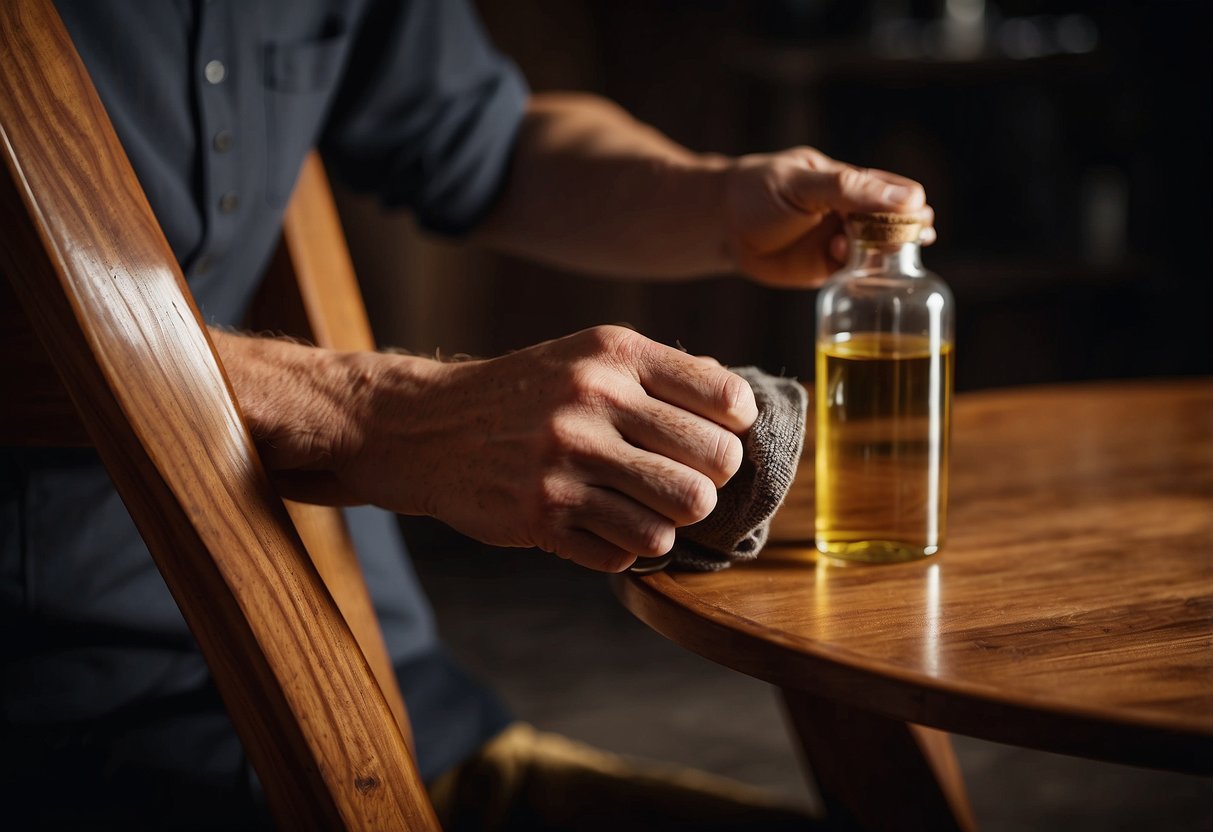
Before we dive in, it’s important to note that not all wooden items require oiling. It is generally recommended for untreated or unfinished wood that is prone to drying out. Oiling your wood furniture can also help protect it from stains and scratches. With that in mind, let’s get started on how to oil your wood furniture.
Key Takeaways
- Oiling your wood furniture is a safe and natural way to protect and enhance the natural beauty of your wooden items.
- Before oiling, it’s important to prepare your wood furniture by cleaning and sanding it.
- Choosing the right oil and applying it correctly can help create a water-resistant finish and protect your wood furniture from stains and scratches.
Preparing Your Wood Furniture for Oiling
Before you begin oiling your furniture, it is important to prepare the wood surface properly. This will ensure that the oil penetrates the wood and provides the best possible protection and finish. Here are the steps you need to follow:

Assessing the Type of Wood
Different types of wood require different types of oil. For example, oak and mahogany are hardwoods that can handle heavier oils, while pine and maple are softwoods that require lighter oils. Before you start oiling, make sure you know what type of wood your furniture is made from so you can choose the right oil.

Cleaning and Sanding Surfaces
The first step in preparing your furniture for oiling is to clean the surfaces thoroughly. Use a soft cloth or brush to remove any dirt, dust, or debris from the wood. If there are any stubborn stains, you can use a mild soap solution to clean them off.
Once the surfaces are clean, you need to sand them to create a smooth finish. Use a fine-grit sandpaper (220 grit is ideal) and sand in the direction of the grain. Sanding will also open up the pores of the wood, allowing the oil to penetrate more deeply.
After sanding, wipe the surfaces with a clean, dry cloth to remove any dust or debris. Your furniture is now ready for oiling.
By following these simple steps, you can prepare your wood furniture for oiling and ensure that you get the best possible finish. Remember to choose the right oil for your wood type and to clean and sand the surfaces thoroughly before you begin.
Choosing and Applying the Right Oil

When it comes to choosing the right oil for your wood furniture, there are several options to consider. Each type of oil has its own unique benefits and it’s important to choose the one that best fits your needs. Here are some of the most popular types of oils and their benefits:
Types of Oils and Their Benefits
- Tung oil: This oil is derived from the seeds of the tung tree and is known for its durability and water-resistant finish. It’s a great option for outdoor furniture or items that will be exposed to moisture. Tung oil can also provide a natural, satin finish that enhances the natural grain of the wood.
- Linseed oil: This oil is made from the flax plant and is a popular choice for furniture because it penetrates the wood and enhances its natural beauty. It’s easy to apply and maintain, and can provide a warm, natural look to your furniture. However, it can take a long time to cure completely and may require multiple coats.
- Mineral oil: This oil is a popular choice for those looking for a food-safe option, as it’s often used to treat chopping boards and other kitchen items. It’s also an affordable option for furniture because it’s easy to apply and maintain. However, it doesn’t provide as much durability or protection as other oils.
- Danish oil: This oil is a mixture of tung oil and varnish and provides a durable, water-resistant finish. It’s easy to apply and provides a natural look to your furniture. However, it may require multiple coats and can take a long time to dry.
The Application Process
Before applying any oil to your furniture, it’s important to clean it thoroughly with a clean cloth. Once it’s dry, you can begin applying the oil. Here’s the general process:
- Apply the oil with a brush or rag, making sure to spread it evenly over the surface.
- Let the oil soak into the wood for a few minutes.
- Wipe away any excess oil with a clean cloth.
- Let the furniture dry completely before using it.
It’s important to note that some oils may require multiple coats to achieve the desired finish. Be sure to read the instructions on the product before applying.
Aftercare and Maintenance
After applying the oil, it’s important to maintain your furniture to keep it looking its best. Here are some tips:
- Use a clean cloth to dust your furniture regularly.
- Avoid using harsh chemicals or abrasive cleaners on your furniture.
- If your furniture gets wet, dry it immediately to prevent cracking or splitting.
- If you notice any scratches or damage, use a wood polish or beeswax to repair it.
By choosing the right oil and properly maintaining your furniture, you can enjoy its natural beauty for years to come.
Frequently Asked Questions
What’s the best oil to revitalise wood furniture?
The best oil to revitalise wood furniture depends on the type of wood you have. Teak or Danish oil is typically the best option as they protect and enhance the natural beauty of the wood while providing a durable finish. If you have a different type of wood, you can choose from mineral oil, boiled linseed oil, and tung oil. Mineral oil is the most affordable option, while boiled linseed oil is more durable and often used for outdoor furniture.
Can I use olive oil on my wooden dining table?
While olive oil is a natural oil and can be used on wooden furniture, it’s not the best option. Olive oil can go rancid and attract dust and dirt, making your furniture look dull and dirty. It’s better to use a specialised wood oil that’s designed to protect and nourish the wood.
Which natural oil should I choose for treating wood furniture?
There are several natural oils you can choose from, including linseed oil, tung oil, and walnut oil. Linseed oil is the most commonly used natural oil and is great for indoor furniture. Tung oil is more durable and often used for outdoor furniture. Walnut oil is a great option for furniture that’s used for food preparation as it’s safe to use around food.
What’s the proper way to apply oil to wooden furnishings?
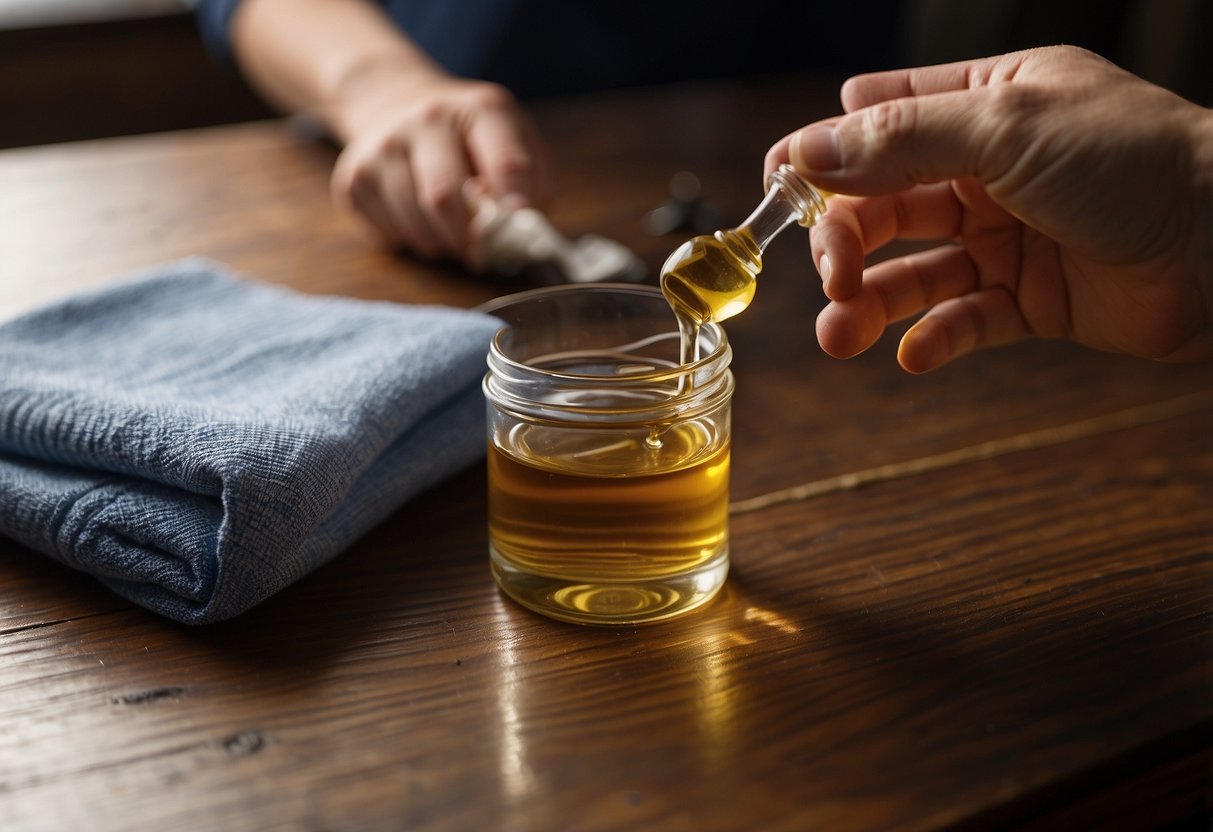
The proper way to apply oil to wooden furnishings is to first clean the surface with a soft cloth and then apply a thin layer of oil in the direction of the grain. Let the oil soak in for a few minutes and then wipe off any excess with a clean cloth. Repeat the process until the wood is fully coated. Be sure to let the oil dry completely before using the furniture.
Is it beneficial to regularly oil wooden furniture?
Yes, it’s beneficial to regularly oil wooden furniture as it helps to protect and nourish the wood. Oiling your furniture every six to twelve months can help to prevent cracking, splitting, and warping. It also helps to enhance the natural beauty of the wood and keep it looking great for years to come.
What are the advantages of using Danish oil on furniture?
Danish oil is a great option for furniture as it’s easy to apply and provides a durable finish. It’s a blend of natural oils and resins that penetrate the wood to protect and enhance its natural beauty. Danish oil also dries quickly and doesn’t leave a sticky residue, making it a great option for busy households.