

How to Fix Chipped Wood Furniture: Simple Steps to Repair Your Beloved Pieces
Fixing chipped wood furniture is a task that many of us have to deal with at some point. Whether it’s a beloved family heirloom or a piece of furniture that you’ve owned for years, chips and scratches can be unsightly and detract from the overall appearance of your home. Fortunately, there are several techniques that you can use to repair chipped wood furniture and restore it to its former glory.


Before you get started with any repair work, it’s important to assess the damage and determine the best course of action. Depending on the severity of the chip, you may need to use different techniques or materials to achieve the desired result. Once you’ve identified the extent of the damage, you can move on to preparing the area for repair. This might involve sanding down the damaged area, filling in any gaps or cracks, or applying a primer to ensure that the new finish adheres properly.
By following the right technique and using the right materials, you can fix chipped wood furniture and restore it to its former glory. Whether you’re a DIY enthusiast or you prefer to leave repairs to the professionals, there are plenty of options available to help you achieve the desired result. With a little patience and some careful attention to detail, you can make your furniture look as good as new.
Key Takeaways
- Assess the damage before you begin any repair work
- Prepare the damaged area by sanding, filling, or priming as necessary
- Use the right technique and materials to achieve the best results
Preparing the Damaged Area
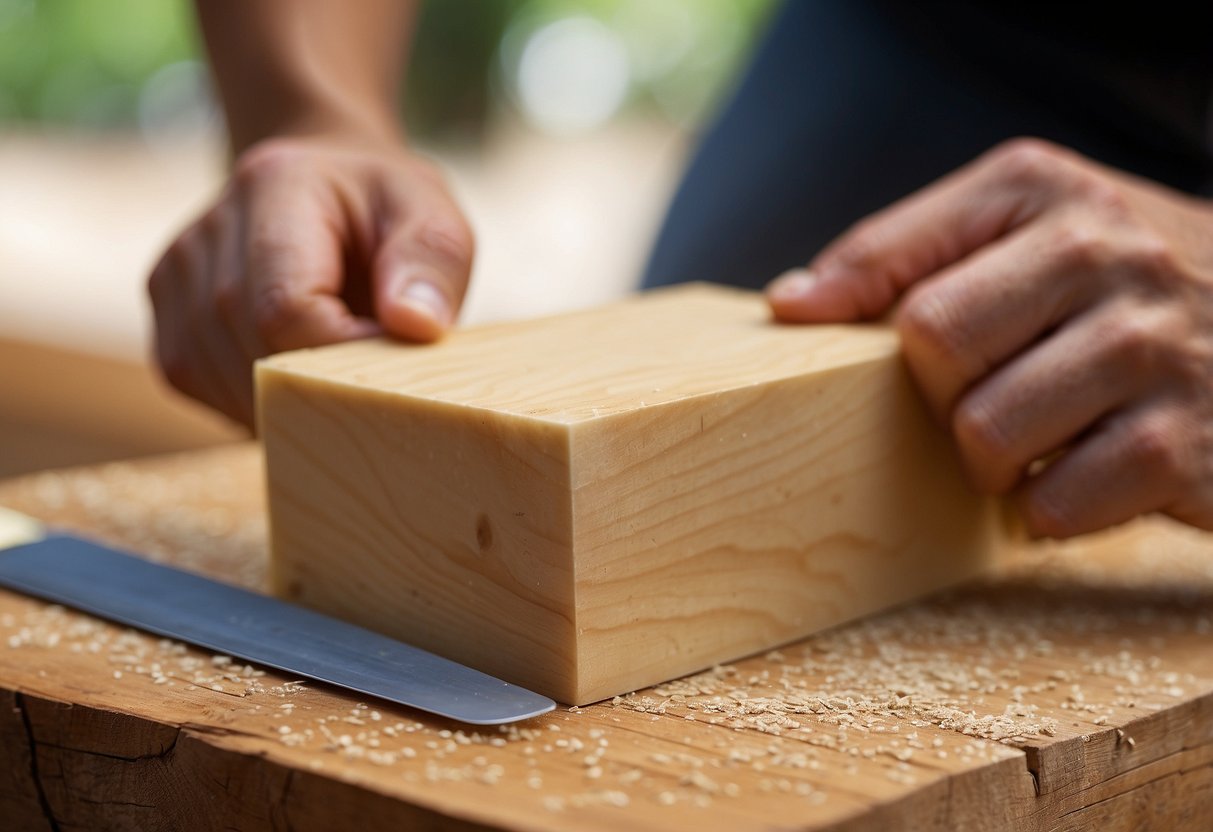
Before you start fixing your chipped wood furniture, it’s important to prepare the damaged area properly. This will ensure that the repair is effective and long-lasting. In this section, we’ll cover the two essential steps to prepare the damaged area: cleaning and sanding, and selecting the right filler.

Cleaning and Sanding
The first step to preparing the damaged area is to clean it thoroughly. Use a clean cloth to wipe away any dust or small wood particles from the chipped area. For larger chips, use a vacuum cleaner to remove any debris.
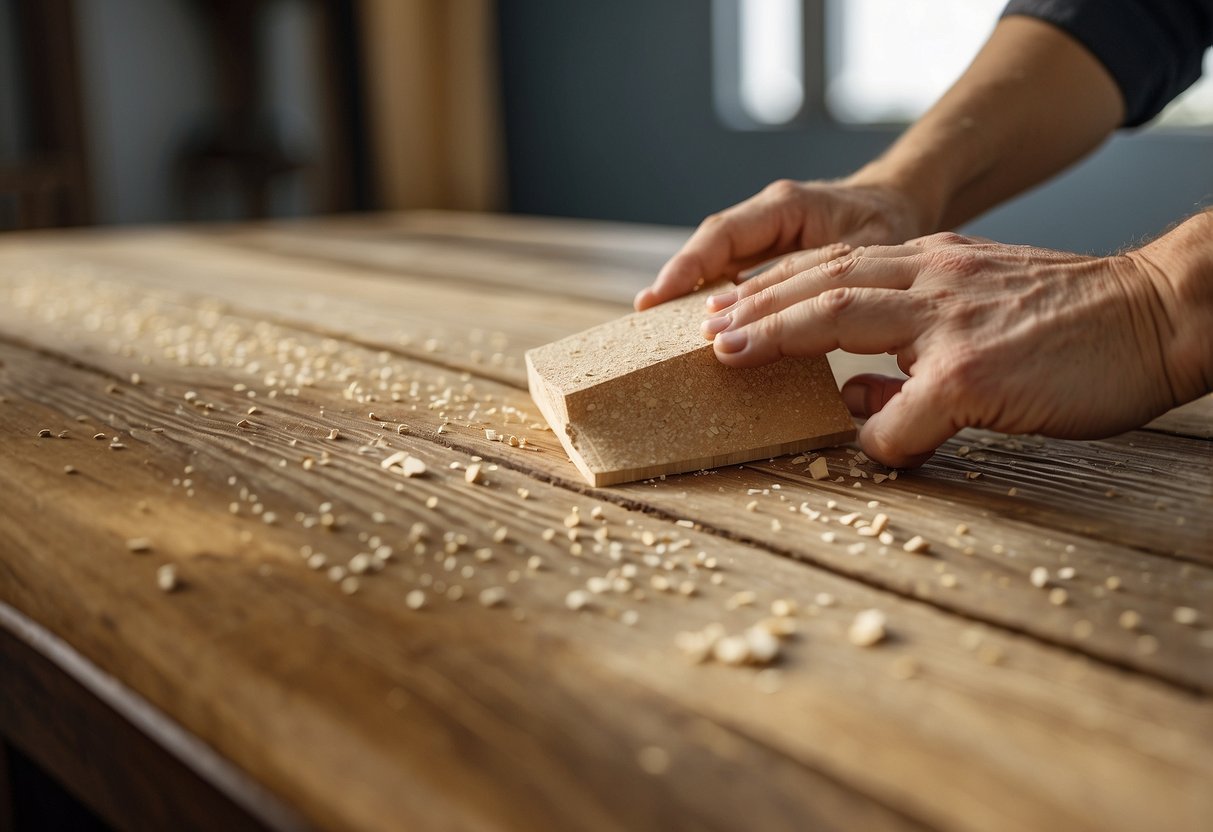
Once the area is clean, it’s time to sand it. Use a 150-grit sandpaper to sand the chipped area and the surrounding wood surface. Sanding will help the filler adhere better and create a smooth surface. Sand in the direction of the wood grain to avoid damaging the wood.
Selecting the Right Filler
Selecting the right filler is crucial to fixing chipped wood furniture. There are several types of fillers available, including wood filler, epoxy, and resin wood filler. The type of filler you choose will depend on the size of the chip and the type of wood you’re repairing.
For small chips, you can use a wood filler or putty. Wood filler is a paste-like substance that can be applied to the damaged area with a putty knife. Once it dries, it can be sanded and painted or stained to match the surrounding wood.
For larger chips, use an epoxy or resin wood filler. These fillers are stronger and more durable than wood filler and can be used on any type of wood. They are also waterproof and can withstand exposure to the elements.
In conclusion, preparing the damaged area is an essential step to fixing chipped wood furniture. Cleaning and sanding the area and selecting the right filler will ensure that the repair is effective and long-lasting. Remember to work in a well-ventilated area and follow the manufacturer’s instructions when using any type of filler.
Applying and Finishing the Repair
Filling and Repairing
Now that you have cleaned the chipped area and prepared it for repair, it’s time to fill in the damaged area. Using a putty knife, apply a thin layer of wood filler or kwikwood onto the chipped area. Make sure to apply it evenly and smooth out any bumps or ridges. If the damaged area is deeper, use wood glue mixed with hardener to fill in the gouge.
For larger chips, use an epoxy putty to fill in the damaged area. Apply the putty in thin layers, allowing each layer to dry before adding the next one. Use a plastic putty knife to apply the putty and smooth out the surface.

Sanding and Refinishing
Once the wood filler or putty has dried, it’s time to sand the repaired area. Use 400-grit sandpaper to sand the surface until it’s smooth and level with the surrounding area. For a flawless surface, use steel wool to smooth out any rough spots.
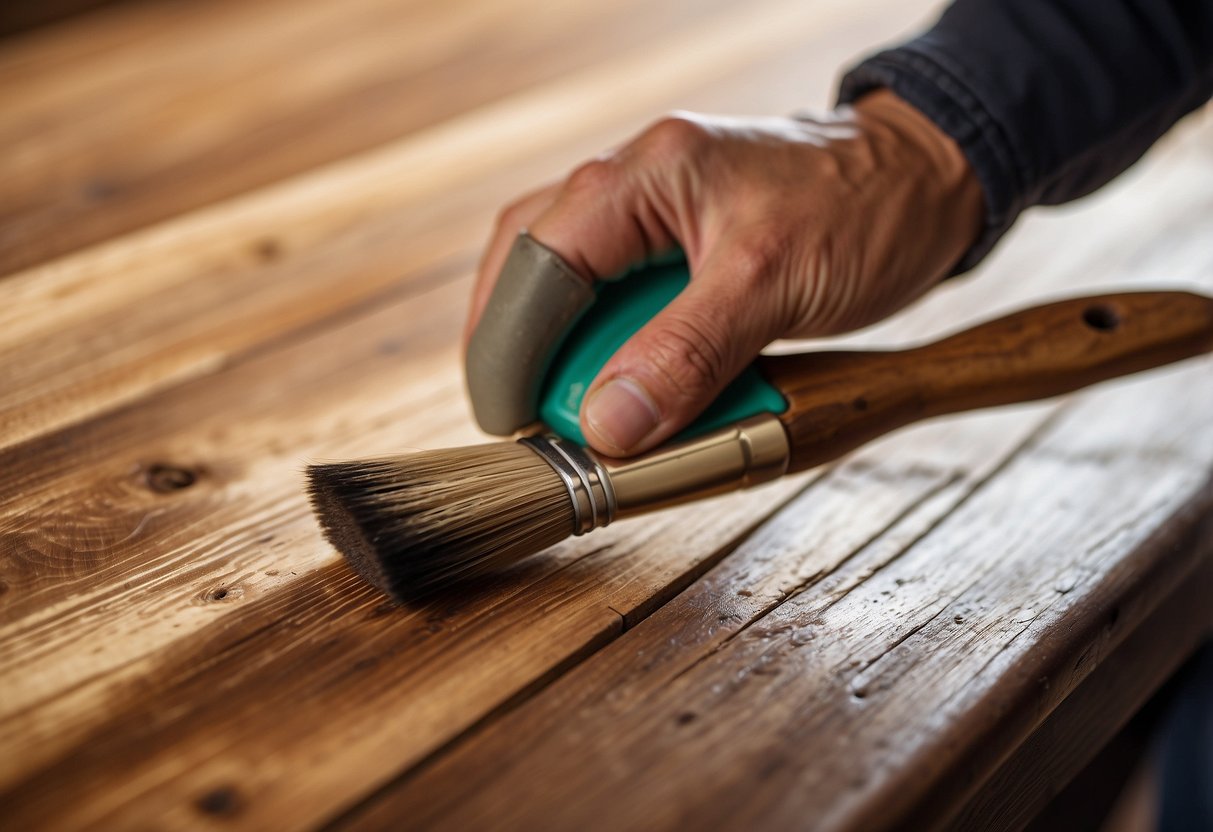
After sanding, it’s time to apply the finish. If you want to match the existing finish, use a matching stain. Apply the stain using a paint brush and wipe off any excess with a clean cloth. Allow the stain to dry completely before applying the finish.
Final Touches
To finish the repair, apply a thin layer of varnish, lacquer, or polyurethane. Use a paint brush to apply the finish and allow it to dry completely. If necessary, apply a second or third coat of finish to achieve the desired sheen.
Regular maintenance and protective measures can help prevent future damage to your furniture. Use coasters and placemats to protect your furniture from spills and scratches. Avoid placing hot items directly on your furniture, as this can cause damage to the finish.
Final Thoughts
By following these steps, you can achieve a seamless repair on your chipped wood furniture. Remember to take your time and apply each layer in thin, even coats for the best results. With regular maintenance, your furniture can look as good as new for years to come.
Frequently Asked Questions
What’s the best way to repair a chipped corner on wooden furniture?
Repairing a chipped corner on wooden furniture can be done by filling the damaged area with wood filler and sanding it down to match the surrounding area. You can then stain or paint the repaired area to match the rest of the furniture. It’s important to ensure that the wood filler is completely dry before sanding and painting.
Can you give me tips on fixing a chipped wooden dresser?
To fix a chipped wooden dresser, you can use wood filler to fill in the damaged area. Once the filler is dry, sand it down to match the surrounding area. You can then paint or stain the repaired area to match the rest of the dresser. It’s important to ensure that the wood filler is completely dry before sanding and painting.
How do I go about repairing chips in a wooden table?
To repair chips in a wooden table, start by cleaning the damaged area and removing any loose wood fibers. Apply wood filler to the damaged area and smooth it out with a putty knife. Once the filler is dry, sand it down to match the surrounding area. You can then paint or stain the repaired area to match the rest of the table.
What are the steps to fix chipped wood veneer?
To fix chipped wood veneer, start by cleaning the damaged area and removing any loose wood fibers. Apply wood filler to the damaged area and smooth it out with a putty knife. Once the filler is dry, sand it down to match the surrounding area. You can then paint or stain the repaired area to match the rest of the furniture.
How can I fix a large chunk missing from wooden furniture?
To fix a large chunk missing from wooden furniture, you can use wood filler to fill in the damaged area. Once the filler is dry, sand it down to match the surrounding area. You can then paint or stain the repaired area to match the rest of the furniture. For larger chunks, you may need to use a combination of wood filler and epoxy.
What’s the best method to repair nicks and chips in wood floors?
To repair nicks and chips in wood floors, start by cleaning the damaged area and removing any loose wood fibers. Apply wood filler to the damaged area and smooth it out with a putty knife. Once the filler is dry, sand it down to match the surrounding area. You can then stain or paint the repaired area to match the rest of the floor. For deeper nicks and chips, you may need to use a combination of wood filler and epoxy.