

Furniture Through the Decades: A Look at Changing Styles and Trends
Furniture is an essential part of our lives, and it has evolved significantly over the decades. From the bold colours and geometric shapes of the Art Deco movement in the 1920s to the sleek and minimalist designs of the 21st century, furniture has undergone a transformation that reflects the changing times. Whether you are a fan of vintage furniture or prefer modern styles, it is fascinating to look back at the evolution of furniture through the decades.

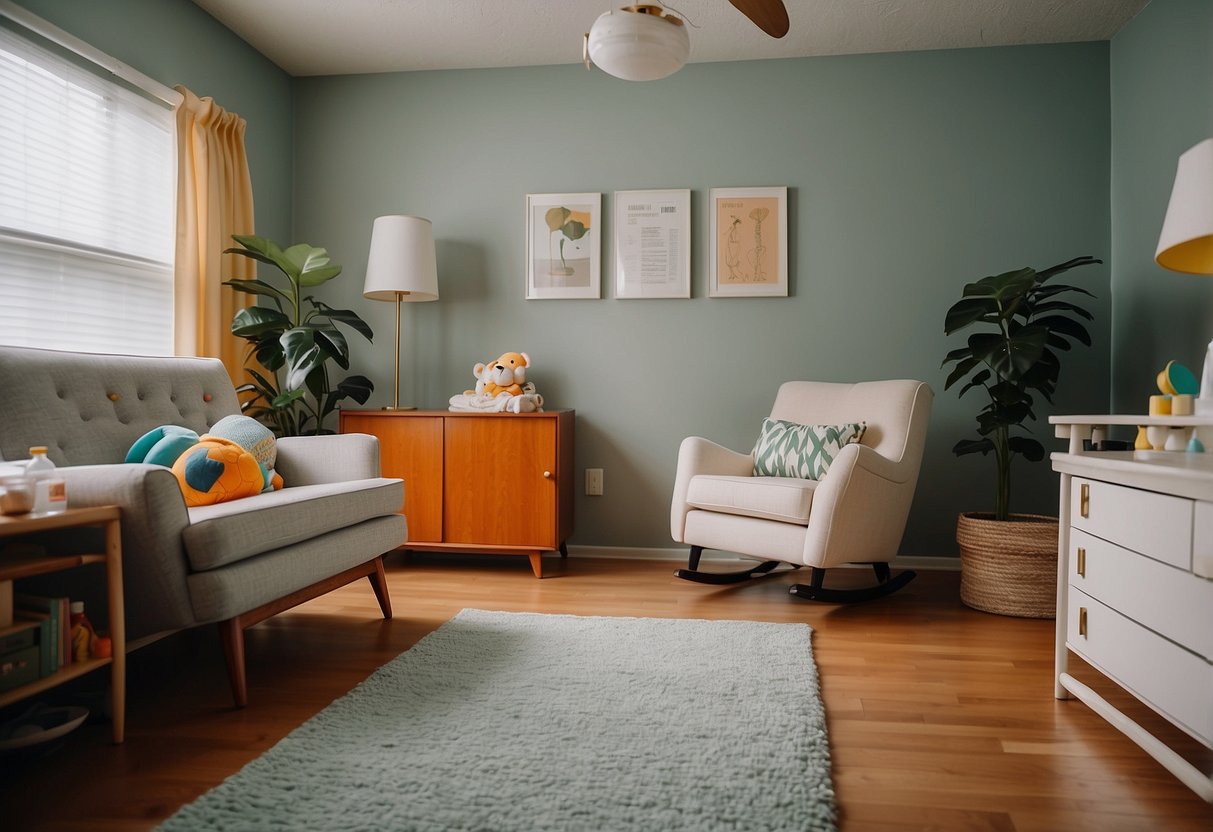
Interior design trends have played a significant role in shaping furniture styles over the years. From the opulence of the Victorian era to the simplicity of the Scandinavian style, furniture has been influenced by the prevailing design trends of the time. Materials and craftsmanship have also evolved, with new technologies and techniques allowing for greater comfort and durability in furniture.
In this article, we will take a closer look at the evolution of furniture styles through the decades, exploring the materials, design trends, and craftsmanship that have shaped our homes. We will also answer some frequently asked questions about furniture and interior design. So, whether you are a design enthusiast or just looking for some inspiration for your home, join us on a journey through the history of furniture.
Key Takeaways
- Furniture has evolved significantly over the decades, reflecting changing times and design trends.
- Interior design trends have played a crucial role in shaping furniture styles, with materials and craftsmanship also evolving over time.
- Exploring the history of furniture can provide inspiration for your home and help you understand the design trends of the past and present.
Evolution of Furniture Styles
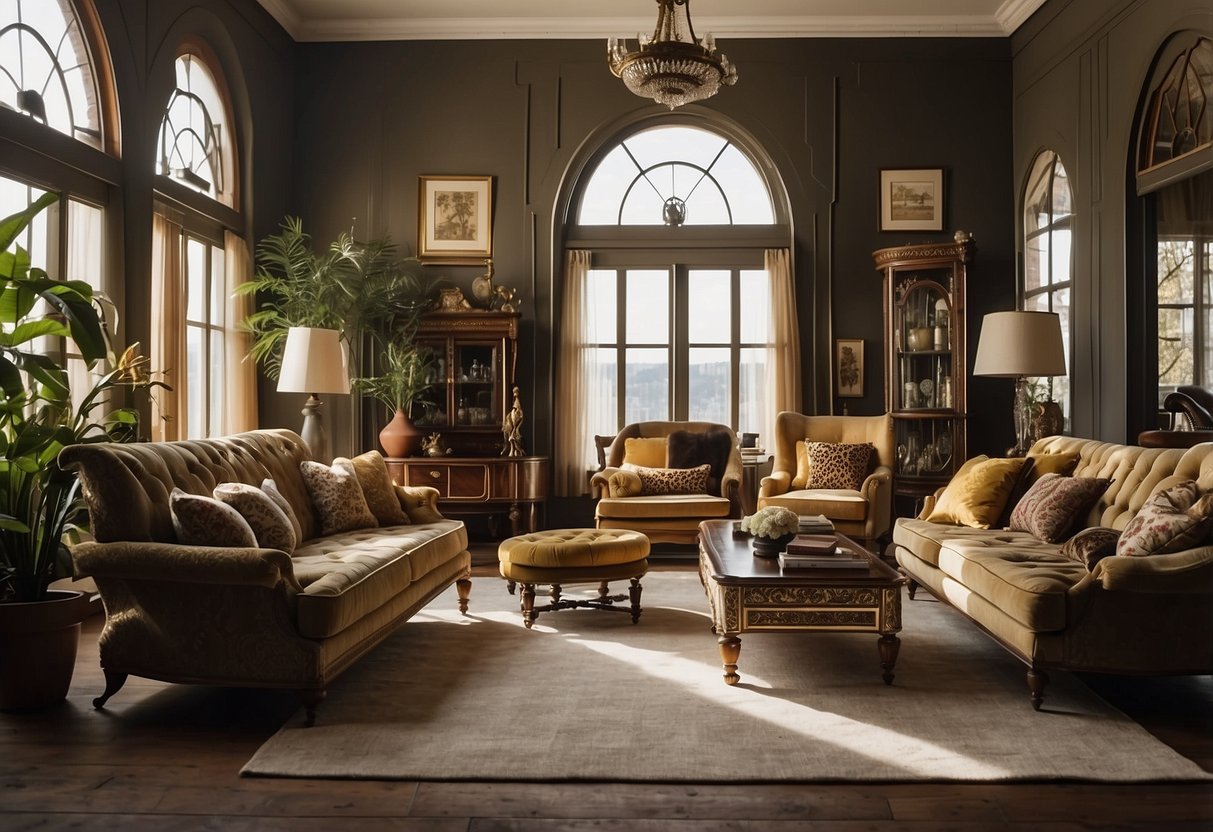
As time has passed, furniture styles have evolved to reflect the changes in society, culture, and technology. Here are some of the most significant styles that have emerged over the years.

Art Deco and the Jazz Age
In the 1920s and 1930s, the Art Deco movement emerged, which was heavily influenced by the Jazz Age. This style was characterized by bold geometric shapes, luxurious materials, and intricate details. Furniture from this era often featured sleek lines, mirrored surfaces, and metallic accents. Art Deco was all about glamour and luxury, and it was a reflection of the optimism and prosperity of the time.
Mid-Century Modern and Post-War Design
After World War II, a new style emerged that was focused on simplicity, functionality, and affordability. Mid-Century Modern design was characterized by clean lines, organic shapes, and a focus on the natural beauty of materials. Furniture from this era was often made from wood, leather, and other natural materials, and it was designed to be both stylish and practical. Post-War design was all about creating a new, modern world, and furniture played a significant role in this.
Postmodernism and Contemporary Trends
In the 1980s and 1990s, the Postmodernism movement emerged, which was a reaction against the strict rules of modernism. This style was characterized by a playful, eclectic approach to design, with an emphasis on bright colours, bold patterns, and unexpected combinations of materials. Postmodern furniture was often designed to be ironic or humorous, and it was a reflection of the cultural and social changes of the time.
Contemporary furniture design has continued to evolve, with a focus on sustainability, minimalism, and functionality. Many designers are now using recycled materials and eco-friendly production methods to create furniture that is both stylish and environmentally friendly. Contemporary furniture is often designed to be modular and adaptable, with a focus on versatility and practicality.
Overall, furniture styles have evolved significantly over the years, reflecting the changing needs and desires of society. From the opulence of Art Deco to the simplicity of Mid-Century Modern, each era has contributed to the rich tapestry of design history.
Materials and Craftsmanship
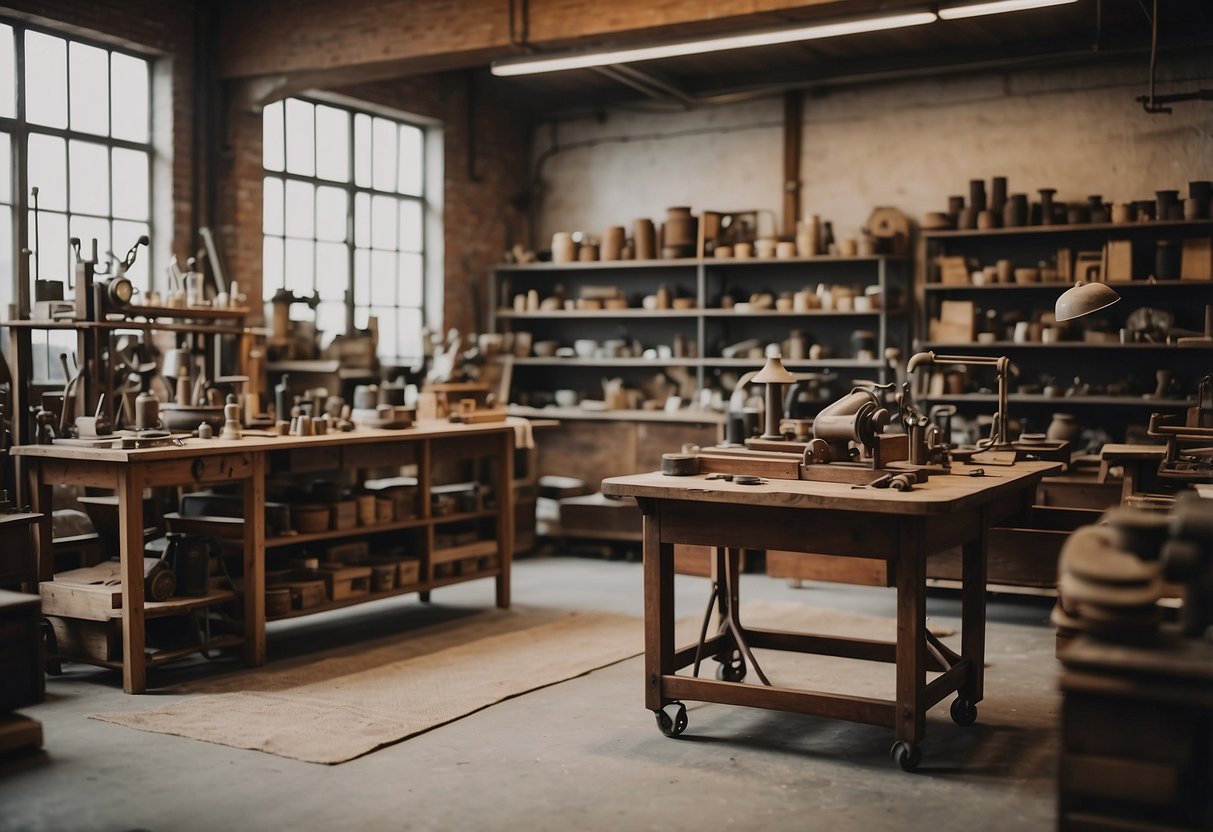
The Rise of Plastics and Synthetics
In the mid-20th century, there was a significant shift in the materials used to make furniture. The development of plastics and synthetic materials, such as fiberglass and molded plastic, allowed for new and innovative designs that were not possible before. These materials were lightweight, durable, and easy to mass-produce, making them popular choices for furniture manufacturers.
Plastic and synthetic materials also allowed for greater flexibility in design. Furniture could be molded into new and unconventional shapes, breaking away from traditional designs. This led to the creation of iconic pieces such as the Eames Lounge Chair and the Tulip Chair.

Natural Materials and Sustainable Practices
As concerns about the environment grew, there was a renewed interest in natural materials and sustainable practices in furniture design. Designers began using materials such as bamboo, rattan, and cork, which were renewable and had a smaller environmental impact than traditional materials like wood.
Craftsmanship also became an important consideration in furniture design. Handcrafted pieces made by skilled artisans were highly valued for their unique qualities and attention to detail. This led to a resurgence in traditional woodworking techniques and a renewed appreciation for the craftsmanship of furniture.
Technological Advances in Furniture Design
Advancements in technology have had a significant impact on furniture design. Computer-aided design (CAD) software has allowed designers to create and test designs in a virtual environment before producing physical prototypes. This has led to greater precision and efficiency in the design process.
New technologies have also allowed for the integration of electronics and other features into furniture. For example, some modern sofas have built-in USB ports and charging stations. Smart furniture that can adjust to your preferences and habits is also becoming more common.
In conclusion, the materials and craftsmanship used in furniture design have evolved significantly over the decades. From the rise of plastics and synthetics to a renewed interest in natural materials and sustainable practices, designers have constantly pushed the boundaries of what is possible. Advancements in technology have also allowed for greater precision and efficiency in the design process, leading to even more innovative and functional furniture.
Frequently Asked Questions
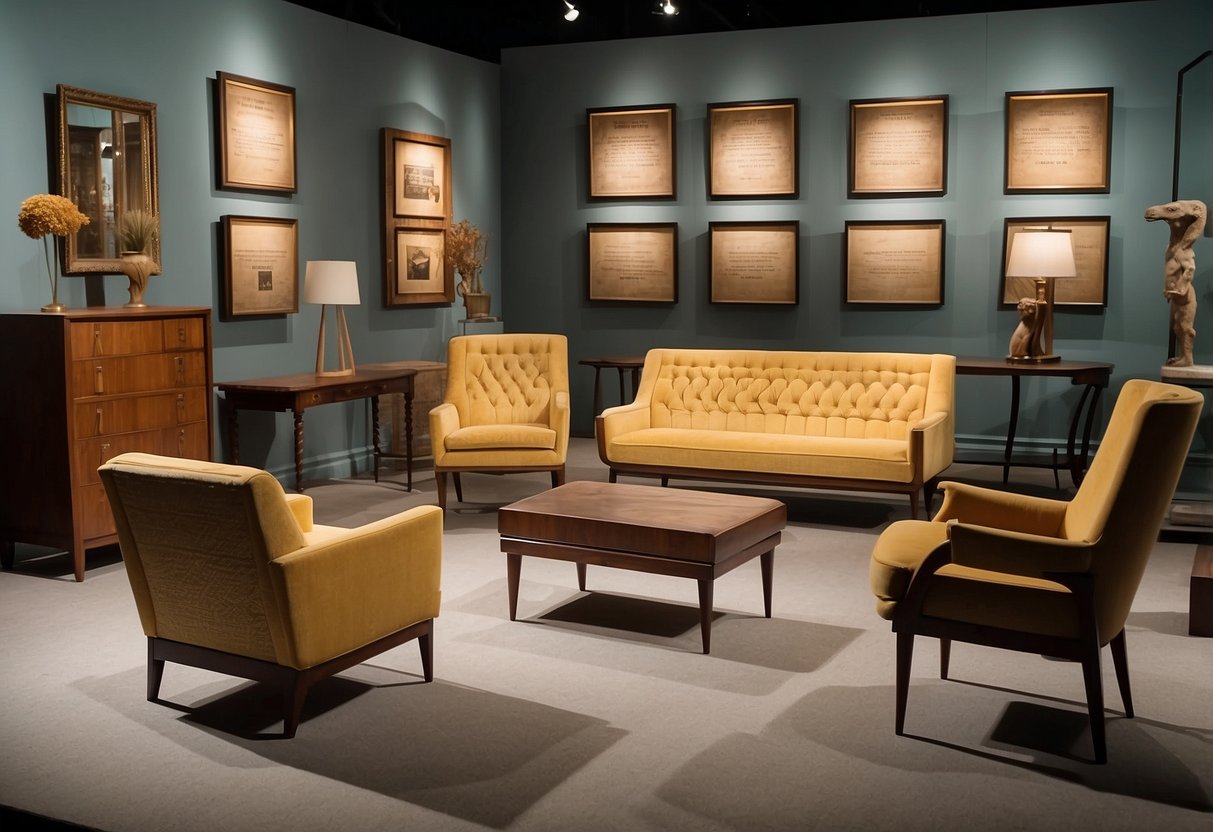
How has the style of furniture evolved over time?
The style of furniture has changed significantly over time. From the ornate and intricate designs of the past to the sleek and minimalist designs of today, furniture styles have evolved to reflect the changing tastes and needs of society.
What are some iconic living room design trends from different decades?
Living room design trends have varied greatly over the decades. In the 1950s, mid-century modern design was popular, featuring clean lines and simple shapes. In the 1970s, shag carpeting and earth tones were popular, while the 1980s saw bold colours and geometric shapes.
Can you describe the characteristics of bedroom furniture from various eras?
Bedroom furniture has also evolved over time. In the 18th century, ornate and elaborate designs were popular, while the 19th century saw the rise of the Victorian style, featuring heavy drapery and dark wood. In the 1920s, Art Deco design was popular, featuring geometric shapes and bold colours.
What is the defining furniture style of the 1970s known as?
The defining furniture style of the 1970s is known as “retro” or “groovy” style. This style is characterised by bold colours, geometric shapes, and funky patterns.
What design elements typify the 1950s furniture style?
The 1950s furniture style is known for its mid-century modern design, featuring clean lines, simple shapes, and natural materials like wood and leather.
Which design features are emblematic of 1980s furniture?
The 1980s furniture style is characterised by bold colours, geometric shapes, and a futuristic aesthetic. Mirrored surfaces, neon colours, and metallic accents were also popular during this decade.