

Wood Furniture Wax Polish: How to Choose and Apply the Best Product
If you’re looking to add some natural beauty and durability to your wood furniture, wax polish is a great option. Not only does it protect your furniture from scratches and stains, but it also enhances the natural grain and colour of the wood. But with so many different types of wax polish available, choosing the right one for your furniture can be overwhelming. In this article, we’ll guide you through the process of selecting, applying, and maintaining furniture wax.

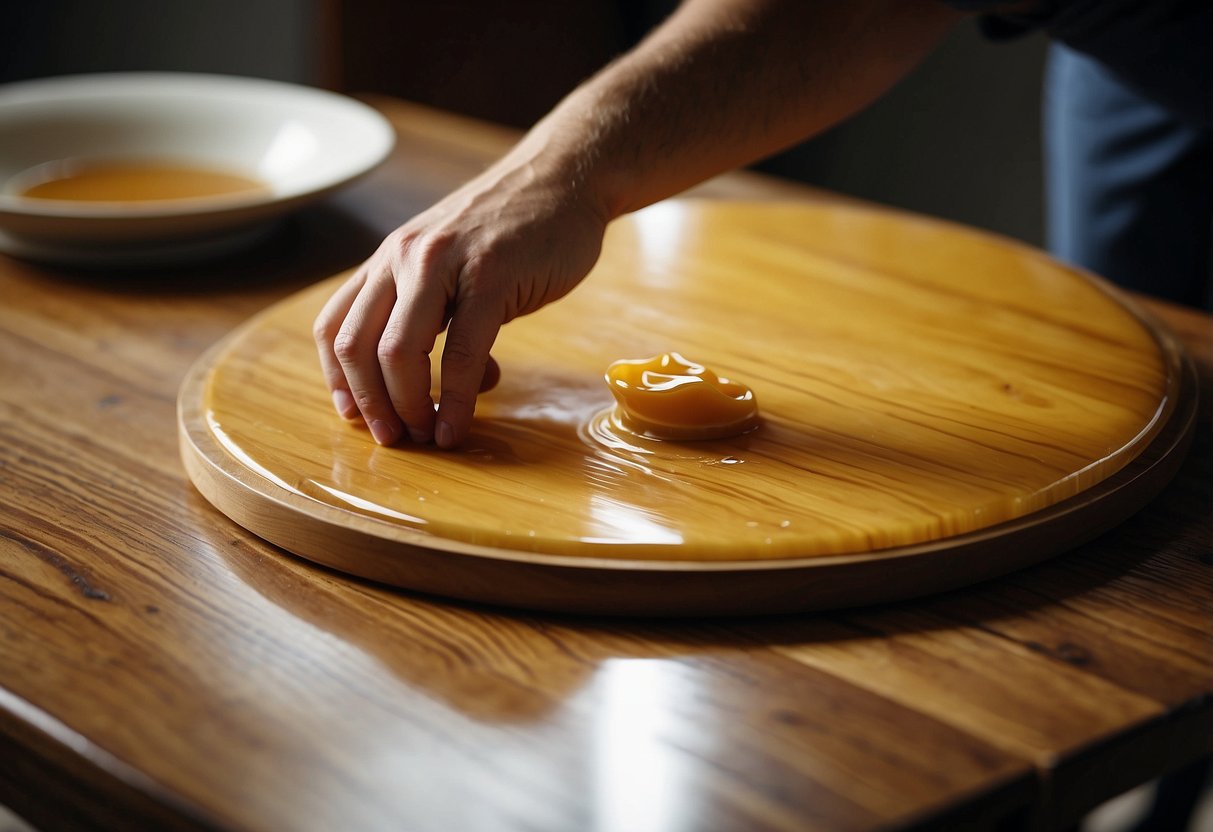
Choosing the Right Wax for Your Wood Furniture When selecting a wax polish, consider the type of wood your furniture is made of and the finish you want to achieve. For example, if you have antique furniture, a paste wax with a high concentration of carnauba wax can provide a deep, lustrous shine. On the other hand, if you have modern furniture with a matte finish, a liquid wax with a lower concentration of wax may be more suitable.
Application and Maintenance of Furniture Wax Once you’ve selected the right wax for your furniture, it’s important to apply it correctly. Start by cleaning your furniture thoroughly with a soft cloth and a mild detergent. Then, apply a thin layer of wax with a soft cloth, working in the direction of the grain. Allow the wax to dry for 10-15 minutes, then buff it with a clean cloth to achieve a smooth, even finish. To maintain the shine and protection of your furniture, reapply wax every 6-12 months.
Key Takeaways
- Choosing the right wax polish for your wood furniture depends on the type of wood and finish you want to achieve.
- To apply wax polish, clean your furniture thoroughly and apply a thin layer in the direction of the grain, allowing it to dry before buffing.
- Regularly reapplying wax every 6-12 months can help maintain the natural beauty and durability of your wood furniture.
Choosing the Right Wax for Your Wood Furniture
When it comes to protecting and enhancing the beauty of your wooden furniture, using the right wax is essential. With so many different types of wax available, it can be difficult to know which one to choose. In this section, we’ll help you understand the different types of wax, the benefits of using wax on wooden surfaces, and the factors to consider when selecting wax.

Understanding Different Types of Wax
There are several different types of wax that you can use on your wooden furniture, each with its own unique properties. Some of the most common types of wax include:
- Beeswax: This natural wax is a popular choice for those who want an all-natural, budget-friendly option. It provides a warm, honey-like glow to the wood, and is great for use on unfinished or antique wood.
- Carnauba Wax: Made from the leaves of the carnauba palm tree, this wax is known for its hardness and durability. It provides a high luster and is scratch-resistant, making it a great choice for high-traffic areas.
- Paste Wax: This type of wax is easy to apply, and provides a protective coating that helps to repel water and other liquids. It’s great for use on all types of wood, including oak and maple.
- Liquid Wax: This type of wax is easy to apply and dries quickly. It’s great for use on finished wood, and provides a long-lasting protective coating.
Benefits of Using Wax on Wooden Surfaces
Using wax on your wooden furniture provides several benefits, including:
- Protection: Wax helps to protect your wooden furniture from scratches, stains, and other types of damage.
- Enhancement: Wax helps to bring out the natural beauty of the wood grain, and provides a warm, lustrous finish.
- Durability: Wax provides a long-lasting protective coating that helps to extend the lifespan of your wooden furniture.
Factors to Consider When Selecting Wax
When selecting wax for your wooden furniture, there are several factors to consider, including:
- Wood Type: Different types of wax work better on different types of wood. For example, beeswax is great for use on unfinished or antique wood, while carnauba wax is better suited for high-traffic areas.
- Budget: There are wax options available for every budget, from budget-friendly beeswax to high-end carnauba paste wax.
- Finish: If your furniture has a finished surface, be sure to select a wax that is compatible with that finish.
- Buffing: Some waxes require buffing to achieve the desired finish. Be sure to select a wax that is easy to buff if you don’t have a lot of experience with buffing.
By considering these factors, you can select the right wax for your wooden furniture, and enjoy the protection and enhancement that comes with using wax. Some of the best furniture wax options on the market include Howard Citrus Shield Paste Wax, Staples Carnauba Paste Wax, and Watco Finishing Wax.
Application and Maintenance of Furniture Wax
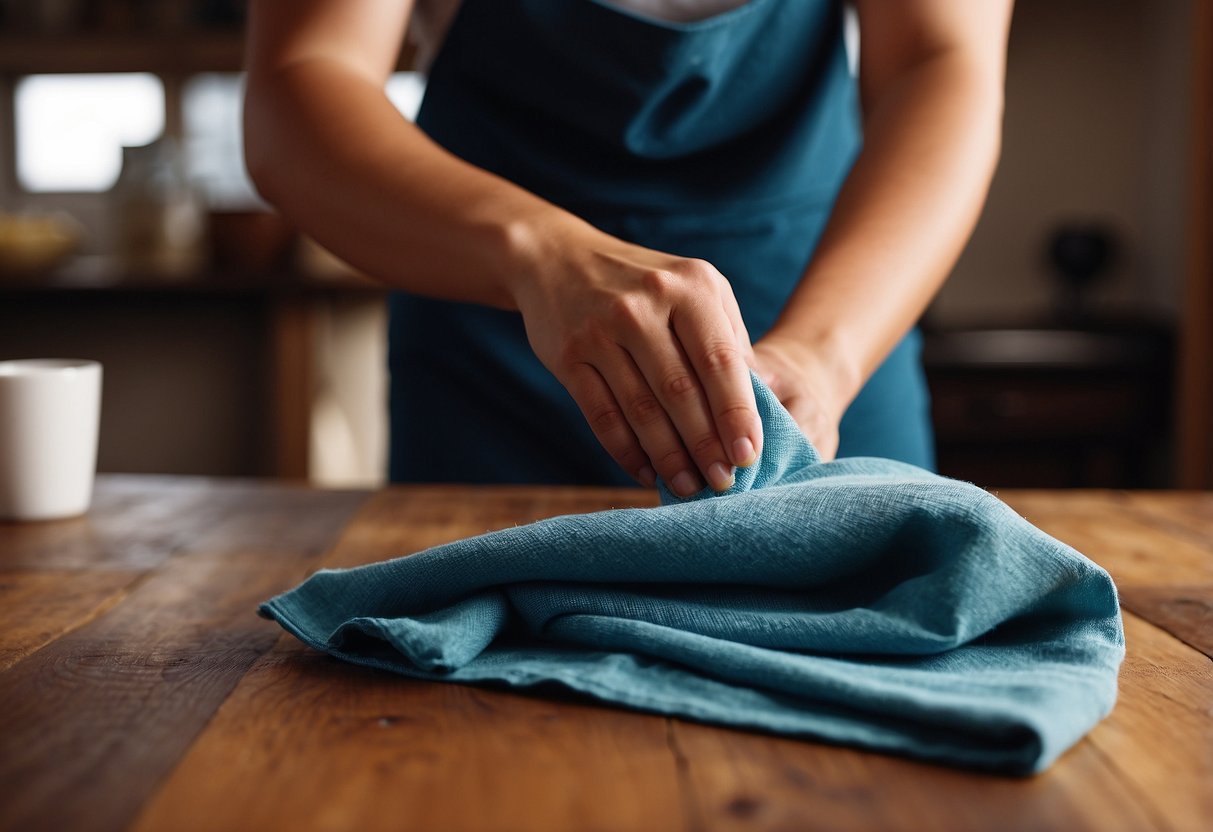
Step-by-Step Guide to Waxing Wood Furniture
Waxing your wood furniture is an easy and effective way to protect and enhance its natural beauty. Here’s a step-by-step guide to help you get started:

- Clean your furniture: Before applying wax, make sure your furniture is clean and free of dust and debris. Use a soft cloth to wipe down the surface.
- Apply the wax: Using a soft cloth, apply a thin layer of natural beeswax or a polish that contains a vegetable wax, such as carnauba, to the surface of your furniture. Rub the wax in a circular motion, making sure to cover the entire surface.
- Buff the wax: Once the wax has been applied, use a clean, soft cloth to buff the surface of your furniture. Buffing will help to remove any excess wax and bring out the shine of your wood.
- Apply additional coats: For optimal coverage and protection, apply additional coats of wax as needed. Allow each coat to dry completely before applying the next.
Caring for Waxed Wood Surfaces
Proper maintenance is key to keeping your waxed wood furniture looking beautiful for years to come. Here are a few tips to help you care for your waxed wood surfaces:
- Dust your furniture regularly with a soft, dry cloth to prevent scratches and dullness.
- Avoid placing your furniture in direct sunlight or near sources of heat, as this can cause the wax to melt and damage the wood.
- If your furniture becomes scratched or dull, you can restore its shine by applying a fresh coat of wax.
- To remove any stubborn stains or marks, use a soft cloth and a small amount of orange oil or mineral oil.
Troubleshooting Common Issues
Despite your best efforts, you may encounter a few common issues when waxing your wood furniture. Here are a few tips to help you troubleshoot these problems:
- If your furniture appears dull after waxing, try buffing it with a soft cloth to bring out the shine.
- If the wax is taking a long time to dry, try applying thinner coats and allowing each coat to dry completely before applying the next.
- If your furniture has deep scratches or other damage, you may need to apply a conditioning oil or linseed oil to restore its appearance.
Remember, waxing your wood furniture is an easy and effective way to protect and enhance its natural beauty. With a little bit of maintenance and care, your furniture will look great for years to come!
Frequently Asked Questions
Should you wax wooden furniture?
Yes, waxing wooden furniture is a great way to protect and enhance its natural beauty. Wax creates a protective layer that helps to repel water and dust, and it also provides a smooth and silky finish. Waxing your wooden furniture regularly can help to keep it looking good for years to come.
What distinguishes furniture wax from polish?
Furniture wax and polish are two different products. Wax is made from natural ingredients like beeswax and carnauba wax, while polish is typically made from synthetic materials. Wax provides a protective layer that helps to repel water and dust, while polish is designed to enhance the shine of your furniture.
What are the downsides of using wax on wooden surfaces?
While wax is a great way to protect your wooden furniture, it does have some downsides. Wax can build up over time, which can make your furniture look dull and cloudy. It can also attract dust and dirt, which can be difficult to remove. Additionally, wax can be difficult to remove if you apply too much or if it has been on your furniture for a long time.
Which type of polish is recommended for wooden furnishings?
There are many different types of polish that are recommended for wooden furnishings. Some of the most popular types include oil-based polishes, wax-based polishes, and silicone-based polishes. Oil-based polishes are great for conditioning and protecting your furniture, while wax-based polishes provide a protective layer and a silky finish. Silicone-based polishes are great for adding shine and repelling water.
Does beeswax polish have any real benefits for furniture care?
Yes, beeswax polish is a great way to care for your wooden furniture. Beeswax is a natural ingredient that provides a protective layer and a smooth finish. It also helps to repel water and dust, which can help to keep your furniture looking good for longer. Beeswax polish is also easy to apply and can be used on a wide range of wooden surfaces.
How often should wooden furniture be waxed for optimal maintenance?
The frequency with which you should wax your wooden furniture depends on how often you use it and how much wear and tear it receives. In general, it is recommended that you wax your furniture every six months to a year to keep it looking its best. However, if your furniture receives a lot of use or if it is exposed to harsh conditions, you may need to wax it more often.