

Wood Furniture Care: Tips to Keep Your Furniture Looking Great
If you’re a proud owner of wood furniture, you know that caring for it is essential to keep it looking beautiful for years to come. Wood furniture is an investment that requires proper maintenance to ensure its longevity. However, with so many products and techniques available, it can be overwhelming to know where to start. In this article, we’ll cover the fundamentals of wood furniture care and advanced techniques for preserving your pieces.
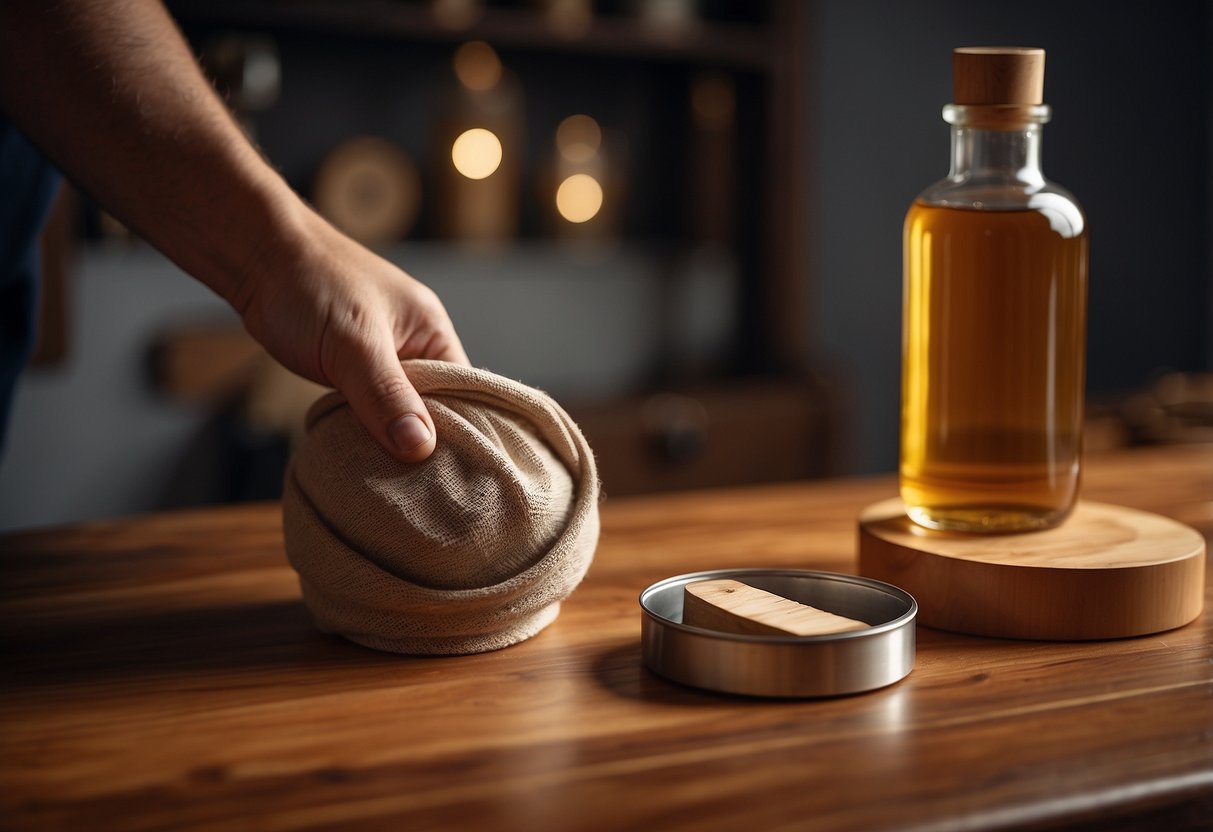
The fundamentals of wood furniture care involve regular cleaning and maintenance. Dusting your furniture frequently with a soft cloth or feather duster can prevent the buildup of dirt and grime. However, when it comes to cleaning, it’s important to use the right products and techniques to avoid damaging the wood. We’ll cover the dos and don’ts of cleaning your wood furniture to ensure it stays in pristine condition.
In addition to regular cleaning, there are advanced techniques for preserving your wood furniture. These include polishing, refinishing, and repairing any damage. With the right tools and knowledge, you can transform an old, worn-out piece of furniture into a stunning addition to your home. We’ll provide tips and tricks for these advanced techniques so you can take your wood furniture care to the next level.

Key Takeaways
- Regular cleaning and maintenance are essential for wood furniture care.
- Using the right products and techniques is crucial to avoid damaging the wood.
- Advanced techniques such as polishing, refinishing, and repairing can transform old furniture into stunning pieces.
Fundamentals of Wood Furniture Care
Understanding Wood Furniture
Wood furniture is a beautiful addition to any home, but it requires proper care to maintain its beauty and longevity. Understanding the basics of wood furniture care is essential to ensure that your furniture stays in excellent condition for years to come.

One of the most important things to understand about wood furniture is that it is sensitive to changes in its environment. Changes in temperature, humidity levels, and exposure to direct sunlight can all affect the wood’s appearance and durability. It’s also essential to know the type of finish on your furniture, as this will affect how you care for it.
Daily and Weekly Maintenance
Daily and weekly maintenance is crucial to keeping your wood furniture looking its best. Dusting your furniture regularly with a soft, dry cloth will help prevent dust buildup, which can scratch the surface of the wood. Avoid using abrasive cleaners or cloths, as they can damage the finish.
For deeper cleaning, use a soft, damp cloth and a mild, non-abrasive cleaner specifically designed for wood furniture. Be sure to follow the manufacturer’s instructions carefully and test the cleaner on an inconspicuous area of the furniture first.
Protecting Wood Surfaces
Protecting the surfaces of your wood furniture is essential to prevent damage from moisture, heat, and direct sunlight. Avoid placing your furniture in areas where it will be exposed to direct sunlight or extreme temperatures, such as near a window or radiator.
Use coasters, placemats, and tablecloths to protect the surfaces from spills, heat, and scratches. Wipe up spills immediately to prevent moisture from seeping into the wood and causing damage.
In summary, understanding the fundamentals of wood furniture care is essential to maintaining the beauty and longevity of your furniture. Regular dusting and cleaning, along with protecting the surfaces from moisture, heat, and direct sunlight, will help ensure that your furniture stays in excellent condition for years to come.
Advanced Techniques for Preserving Wood Furniture

Dealing with Scratches and Stains
Wood furniture is prone to scratches and stains, but there are ways to deal with them. For minor scratches, you can use a furniture touch-up pen that matches the colour of your furniture. Simply apply the pen to the scratch and wipe away the excess with a cloth. For deeper scratches, use a wood filler that matches the colour of your furniture. Apply the filler to the scratch and smooth it out with a putty knife. Once the filler is dry, sand it down until it is level with the rest of the surface.
Stains can be removed by using a cleaning solution that is appropriate for your furniture’s finish. If you have an oil finish, use a solution that contains oil soap. If you have a wax finish, use a solution that contains furniture wax. Apply the solution to the stain and wipe away the excess with a cloth. Be sure to test the solution on a small, inconspicuous area before applying it to the entire stain.
Restoration and Refinishing
If your wood furniture is in need of restoration or refinishing, there are a few things you can do. For minor scratches and dents, use a furniture repair kit that matches the colour of your furniture. Apply the filler to the damaged area and smooth it out with a putty knife. Once the filler is dry, sand it down until it is level with the rest of the surface.
For more serious damage, such as water damage or deep scratches, it may be necessary to refinish the furniture. This involves stripping the old finish, sanding down the surface, and applying a new finish. It is important to use the appropriate type of finish for your furniture, such as oil-based or water-based.
Preventive Measures and Long-Term Care
Preventive measures are key to preserving the appearance and integrity of your wood furniture. Place coasters, placemats, or tablecloths under glasses, plates, and hot dishes to protect the surface from scratches, water rings, and heat damage. Avoid placing your furniture in direct sunlight or near sources of heat, such as radiators or fireplaces.
Long-term care involves regular cleaning and maintenance. Dust your furniture regularly with a soft cloth to prevent the buildup of dust and dirt. Use a cleaning solution that is appropriate for your furniture’s finish, such as oil soap or furniture wax. Be sure to avoid using water, as it can damage the wood.
In addition to regular cleaning, it is important to inspect your furniture for signs of mold and mildew. If you notice any, clean the affected area with a solution of equal parts water and vinegar. Be sure to dry the area thoroughly to prevent further growth.
By following these advanced techniques for preserving your wood furniture, you can ensure that it remains in top condition for years to come.
Frequently Asked Questions
How can I effectively clean my wooden furniture at home?
To clean your wooden furniture effectively, you should use a soft, damp cloth to wipe it down. Avoid using harsh chemicals or abrasive cleaners as they can damage the surface of the wood. Instead, use a cleaning solution that is specifically designed for wood furniture. Apply the solution to the cloth, not directly to the furniture, and wipe it down gently. Be sure to dry the furniture thoroughly afterwards.
What’s the best method to protect wooden furniture from damage?
The best way to protect your wooden furniture from damage is to avoid exposing it to direct sunlight and extreme temperatures. Use coasters and placemats to protect the surface from scratches and spills. Regularly dust your furniture to prevent the buildup of dirt and debris. You can also apply a protective wax or oil to the surface of the wood to help keep it looking its best.
Is it necessary to oil my wooden furniture regularly?
It is not always necessary to oil your wooden furniture regularly. However, if you notice that the surface of the wood is looking dry or dull, you can apply a high-quality furniture oil to restore its natural shine. Be sure to follow the manufacturer’s instructions carefully and avoid over-applying the oil, as this can lead to a sticky or greasy surface.
How can I ensure my wooden furniture stays looking good for years?
To ensure your wooden furniture stays looking good for years, you should take care to clean and maintain it regularly. Avoid exposing it to direct sunlight and extreme temperatures, and use coasters and placemats to protect the surface from scratches and spills. Regularly dust your furniture to prevent the buildup of dirt and debris, and apply a protective wax or oil to the surface of the wood to help keep it looking its best.
Can I use vinegar to clean my wooden furniture without causing harm?
While vinegar is a natural cleaning solution, it is not recommended for use on wooden furniture. The acid in vinegar can damage the surface of the wood and cause it to become discoloured or warped. Instead, use a cleaning solution that is specifically designed for wood furniture.
What are the top products for cleaning and polishing wooden furniture?
There are many high-quality products available for cleaning and polishing wooden furniture. Look for products that are specifically designed for wood furniture, and be sure to follow the manufacturer’s instructions carefully. Some popular options include beeswax polish, furniture oil, and wood cleaner and conditioner.